

Free Shipping
New
Product Category
Water Treatment Spare Parts
A water treatment system does not deliver its performance on the day it is installed; it keeps performing only as long as its spare parts are replaced on time. When a filter cartridge blocks, the flow rate drops; when a membrane tires, the conductivity of the outlet water rises; when the resin fills…
- Free Shipping · across Türkiye
- 2-Year Warranty · on systems
Filter
Filter size
The length of the cartridge you have. If you are unsure, take the old one with you.
Daily capacity
The daily treatment capacity stated by the manufacturer.
Micron
A smaller number holds back finer particles; a very fine filter clogs sooner.
Tank volume
How much water is waiting ready when you open the tap.
Products
Free Shipping
New
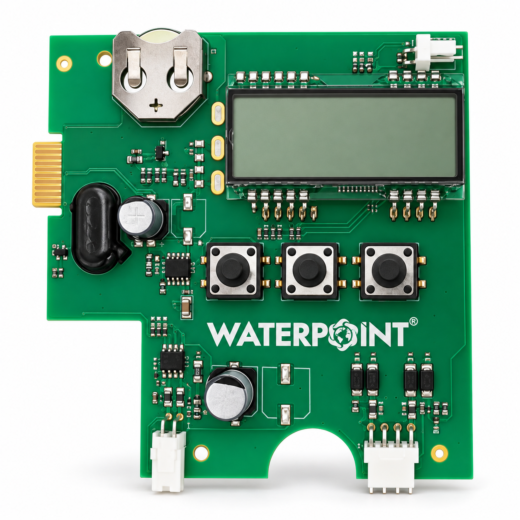
Clack Valve Board – Panel – 3 Buttons
Valve Electronic Board
Clack WS1TC · WS1.25TC
₺11,764.42
VAT included
Free Shipping
New
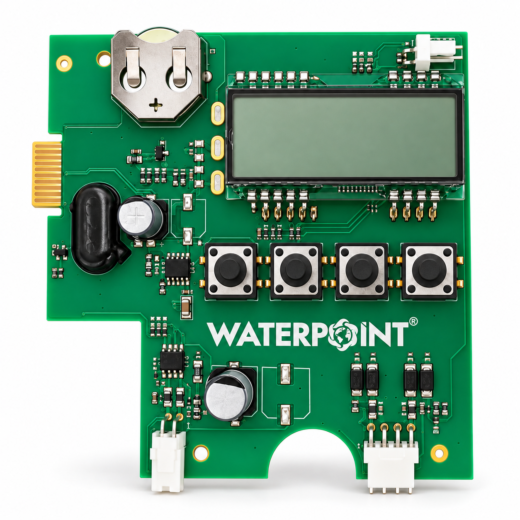
Clack Valve Panel – Board – 4 Buttons
Electronic Control Board
Clack WS1–WS2 EI
₺17,156.44
VAT included
Free Shipping
New
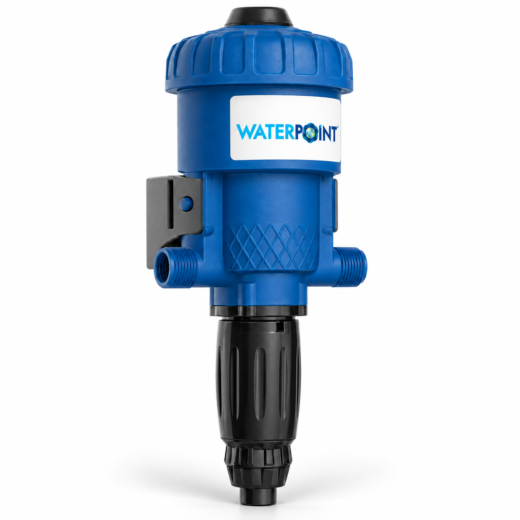
Hydrakos D25RE050FP00 Proportional Dosing Pump
Water-Powered Dosing Pump
Water Pressure (No Electricity)
₺83,331.28
VAT included
Free Shipping
New
Free Shipping
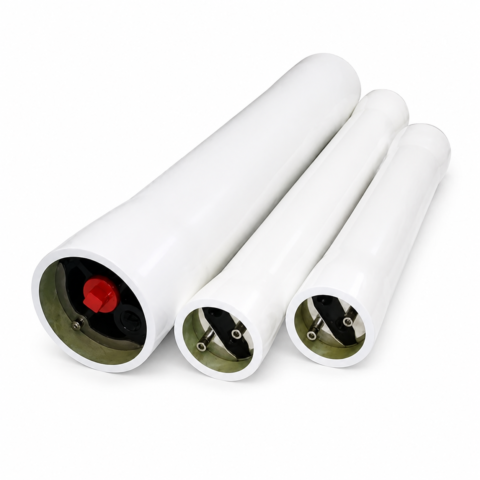
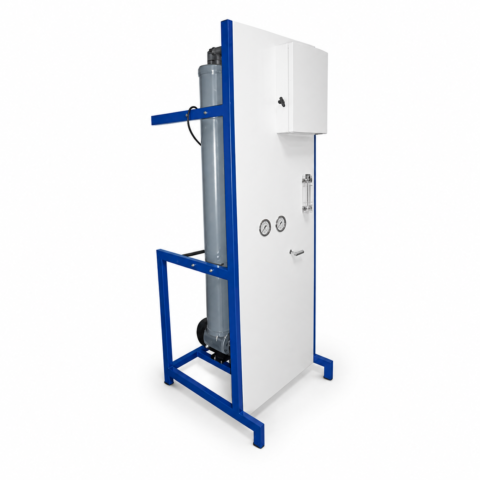
Seawater Treatment Membrane Housing
Durable Composite
Membrane Vessel (Housing)
₺49,018.40
VAT included
Free Shipping
Freight delivery
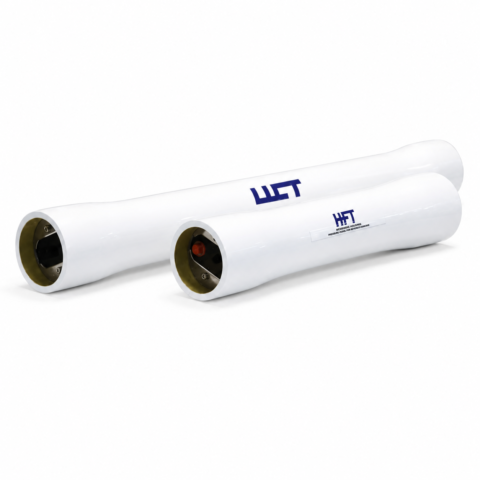
5-Element RO 8" Membrane Vessel
8" (8040)
Membrane Housing (Pressure Vessel)
₺80,880.36
VAT included
Free Shipping
Free Shipping
Free Shipping
Free Shipping
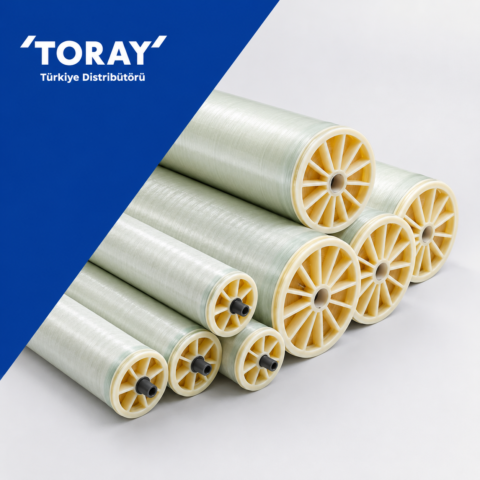
Toray TM720D-400 Reverse Osmosis Membrane
~11,000 gpd (41.6 m³/day)
Aromatic Polyamide TFC
₺78,429.44
VAT included
Free Shipping
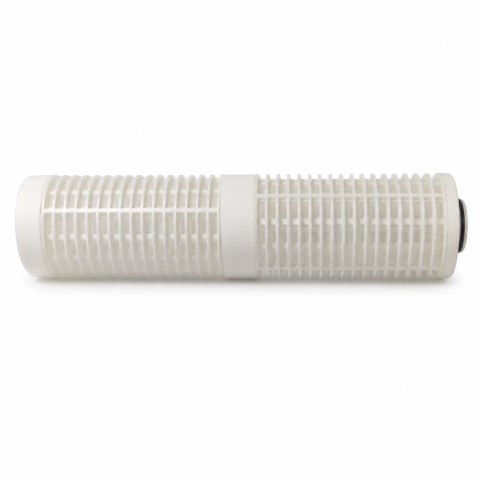
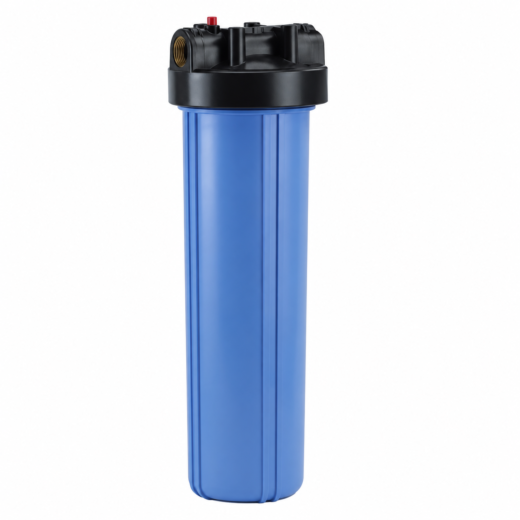
20" Big Blue Collared Washable Cartridge
20" Big Blue
Washable Sediment Filter
₺3,431.29
VAT included
Free Shipping
Free Shipping
Free Shipping
Free Shipping
Free Shipping
Free Shipping
Free Shipping
Free Shipping
Free Shipping
Free Shipping
Free Shipping
About Water Treatment Spare Parts
A water treatment system does not deliver its performance on the day it is installed; it keeps performing only as long as its spare parts are replaced on time. When a filter cartridge blocks, the flow rate drops; when a membrane tires, the conductivity of the outlet water rises; when the resin fills its capacity, hardness comes back. At Water Point we supply the spare parts for every stage under one roof, from domestic units to industrial systems: filter cartridges, membranes, valves, resin and activated carbon, tanks, pumps, taps and measuring equipment. Three things decide a spare part: what the part does, how it is chosen and how often it is replaced.
Why a Water Treatment Spare Part Is Critical
A treatment system is made up of stages connected in series. Each stage protects the next one. If the pre-filter does not hold sand and sediment, the carbon filter blocks early; if the carbon filter does not hold chlorine, the reverse osmosis membrane is damaged; and once the membrane has tired, the final mineral stage can do nothing on its own. Replacing a spare part is therefore not a maintenance line item but part of the way the system works.
A replacement left undone has three typical consequences:
- Flow rate drop: The water from the tap slows down, and in systems with a tank the filling time gets longer. The most frequent cause is a blocked sediment or carbon cartridge.
- Change in water quality: A noticeable change in taste and odour, a rising TDS value, hardness returning in softening systems.
- The expensive part running out early: Because a pre-filter worth a few hundred lira is not replaced, the life of a membrane worth thousands is cut short. In spare parts the most expensive option is the cheap part that gets neglected.
Filter Cartridge Sizes: 10, 20, 30 and 40 Inch
Cartridge filters are made in standard sizes. The first step in choosing the right part is knowing the length and the diameter of your housing. When the size does not match, the cartridge does not seat in the housing or it leaks past the side.
Standard (slim) cartridges
These are roughly 6 cm in diameter. Almost every domestic under-sink unit uses a 10 inch standard cartridge. The 20 inch version is preferred where a higher flow rate and a longer replacement interval are needed.
Big Blue (jumbo) cartridges
These are roughly 11–12 cm in diameter. They are found at flat inlets, building inlets and in commercial use. Because they offer far more filter surface at the same length, the flow loss is lower and the replacement interval is longer. A Big Blue cartridge does not fit a standard housing, and a standard cartridge does not fit a Big Blue housing.
30 and 40 inch cartridges
These are used in industrial-type and industrial pre-treatment lines, at points where a high flow rate is needed. They are usually connected in parallel inside multi-cartridge housings.
| Size | Approximate length | Type | Typical use |
|---|---|---|---|
| 10 inch standard | 25 cm | Slim | Domestic under-sink unit |
| 20 inch standard | 50 cm | Slim | High flow rate domestic, small commercial |
| 10 inch Big Blue | 25 cm | Jumbo | Flat inlet |
| 20 inch Big Blue | 50 cm | Jumbo | Building inlet, commercial kitchen |
| 30 inch | 75 cm | Slim/jumbo | Industrial-type pre-treatment |
| 40 inch | 100 cm | Slim/jumbo | Industrial line |
Filter Types and What Each One Does
The housing sets the size, the type sets the job. You can fit a sediment, carbon or mineral cartridge into the same 10 inch housing; which one you fit depends on the problem in your water and on the job the stage has to do next.
Spun (polypropylene) sediment filter
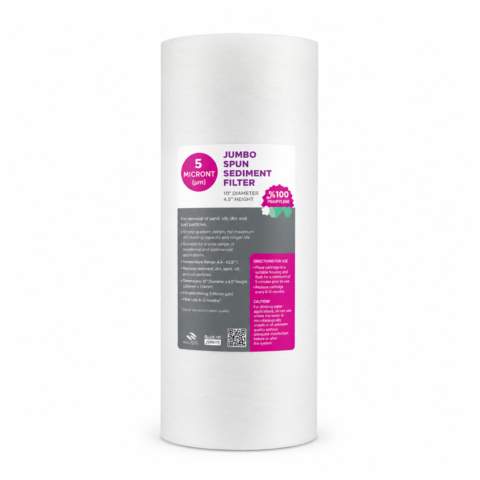
It is made by compressing melted polypropylene fibres. It holds suspended solids such as sand, sediment, rust and silt. It is the first stage of every system. 5 micron is the most common pore rating; in water with high turbidity it is used together with a coarser pre-stage.
String wound sediment filter
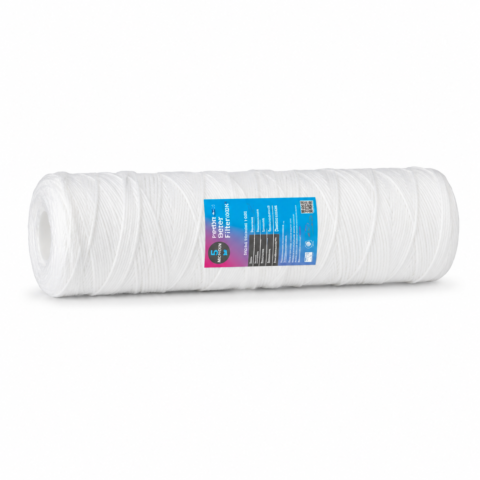
It is made by winding yarn onto a porous core. Thanks to a pore structure that graduates from the outside inwards, it holds particles throughout its volume; that is why it offers more dirt-holding capacity than a spun filter of the same micron rating. It is preferred on well water and on mains water with a high sediment load.
| Size | Price |
|---|---|
| 10 inch | 490.18 TL |
| 20 inch | 980.37 TL |
| 30 inch | 1,470.55 TL |
| 40 inch | 1,960.74 TL |
| Jumbo 10 inch | 1,470.55 TL |
| Jumbo 20 inch | 2,941.10 TL |
CTO carbon block filter
It is made by pressing activated carbon powder into a block. It holds chlorine and the taste and odour compounds that come from chlorine. Thanks to the block structure it also behaves like a fine sediment stage. In reverse osmosis systems it is important that it sits ahead of the membrane; chlorine wears the membrane surface.
| Size | Price |
|---|---|
| 10 inch CTO | 490.18 TL |
| 20 inch CTO | 980.37 TL |
| 10 inch Big Blue CTO | 1,470.55 TL |
| 20 inch Big Blue CTO | 2,941.10 TL |
GAC granular activated carbon filter
It contains activated carbon in granular form. It works by letting the water flow through the carbon bed; the pressure loss is lower than with CTO. It is used for taste and odour removal and for holding organic matter. In reverse osmosis systems it is also often placed after the membrane as the final stage.
| Size | Price |
|---|---|
| 10 inch GAC | 490.18 TL |
| 20 inch GAC | 1,225.46 TL |
| 10 inch Big Blue GAC | 1,470.55 TL |
| 20 inch Big Blue GAC | 2,941.10 TL |
Washable steel and collared filters
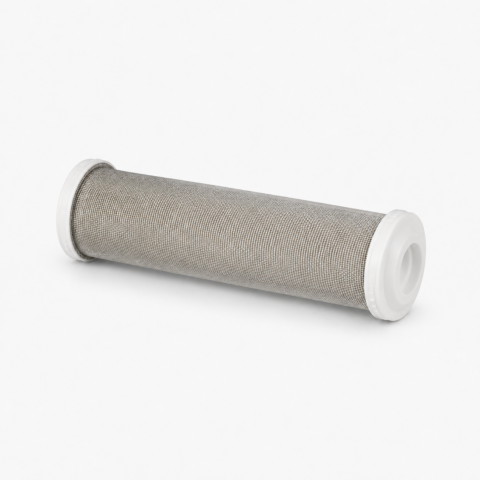
These have a stainless steel screen structure. They are not thrown away like a cartridge; they are taken out, cleaned and used again. On well and mains lines where coarse sediment is heavy, they are positioned as a pre-stage to extend the life of the consumable cartridges.
| Product | Price |
|---|---|
| 10 inch Washable Filter | 686.26 TL |
| 20 inch Washable Filter | 1,470.55 TL |
| 10 inch Washable Steel Filter | 1,470.55 TL |
| 20 inch Big Blue Collared | 3,431.29 TL |
Mineral, alkaline and taste filters
These are used at the final stage to put minerals back into the water leaving reverse osmosis and to raise its pH value.
| Product | Price |
|---|---|
| 5-Stage Mineral Filter | 441.17 TL |
| pH Alkaline Filter | 1,715.64 TL |
| pH Alkaline Mineral Filter Set | 2,205.83 TL |
| Pentek GS10-CAL/RO Alkaline Filter | 2,205.83 TL |
| Taste Filter | 490.18 TL |
Ready-made filter sets
For those who would rather not pick the stages one by one, ready-made sets are available:
| Set | Price |
|---|---|
| 3-Piece Filter Pack | 1,960.74 TL |
| 3-Piece Filter Set | 2,696.01 TL |
| 5-Piece Filter Set | 2,941.10 TL |
| 5-Piece Water Filter Set (alternative) | 3,186.20 TL |
| Open-Housing 10 inch 5-Piece Filter Set | 2,696.01 TL |
| Industrial 20 inch Pre-Filter Set | 2,941.10 TL |
| Filter type | What it holds | Position | Typical replacement |
|---|---|---|---|
| Spun (polypropylene) | Sand, sediment, rust, silt | Stage 1 | 6 months |
| String wound | Sediment — high dirt capacity | Stage 1 | 6–8 months |
| CTO carbon block | Chlorine, taste and odour compounds | Stage 2 | 6–12 months |
| GAC granular carbon | Taste, odour, organic matter | Stage 2 or final stage | 6–12 months |
| Washable steel | Coarse sediment | Pre-stage | Reused after washing |
| Mineral / alkaline | Adds minerals, raises pH | Final stage | 12 months |
Reverse Osmosis Membranes
The membrane is the working heart of a reverse osmosis system. Its semi-permeable surface lets water through under pressure while leaving most of the dissolved salts on the feed side. Three things decide the membrane choice: diameter and length, the salinity of the feed water and the operating pressure.
Domestic 1812 membranes
This is the standard size for under-sink units (1.8 inch diameter, 12 inch length). The daily production capacity is expressed in gallons. The membranes and the housing the membrane sits in:
| Product | Price |
|---|---|
| 1812 RO Membrane Filter | 1,225.46 TL |
| 300 GPD Membrane | 2,941.10 TL |
| RO Membrane Housing | 980.37 TL |
4 inch (4040) membranes
These are used in small and medium-sized commercial systems.
| Product | Price |
|---|---|
| FilmTec 4″ BW30-4040 — mains water type | 49,018.40 TL |
| ULP21 4040 Membrane | 11,764.42 TL |
Low pressure (ULP/LP) membranes run on less pump energy; they are preferred on low-salinity sources such as mains water.
8 inch (8040) industrial membranes
These are the standard for industrial lines. They are arranged in series and in parallel inside pressure vessels to reach the required capacity. The membranes and the pressure vessel they go into:
| Product | Price |
|---|---|
| FilmTec 8″ BW30 PRO-400 | 88,233.12 TL |
| LG 8 inch RO Membrane BW 400 ES | 73,527.60 TL |
| Toray TM720D-400 | 78,429.44 TL |
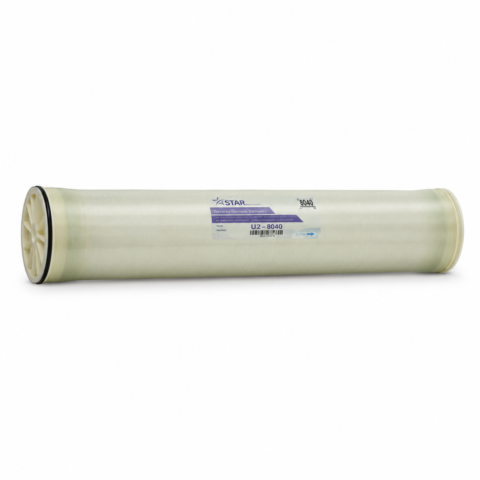
| STAR LP8040 | 44,116.56 TL |
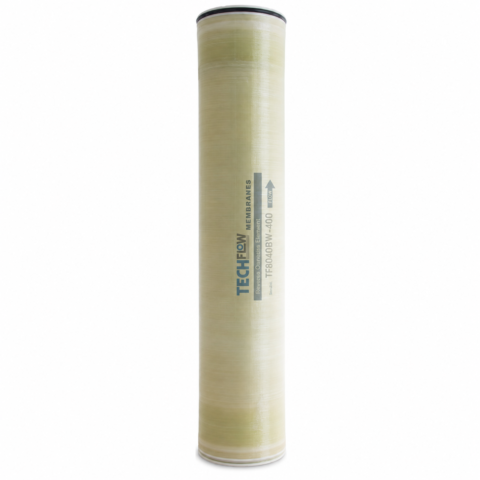
| TechFlow 8040 LP-400 | 44,116.56 TL |
| Vontron ULP22-8040 | 44,116.56 TL |
| RO 8″ Membrane Vessel — 5 elements | 80,880.36 TL |
Seawater membranes
These are membranes designed for high salinity, with a thick construction and resistance to high pressure. They cannot be swapped with a mains water membrane.
| Product | Price |
|---|---|
| FilmTec SW30-2521 | 36,763.80 TL |
| FilmTec SW30-2540 | 41,665.64 TL |
| Seawater Membrane Housing | 49,018.40 TL |
| Membrane class | Size | Typical application | Notable models |
|---|---|---|---|
| Domestic | 1812 | Under-sink unit | 1812, 300 GPD |
| Commercial | 4040 (4″) | Small business, laboratory | BW30-4040, ULP21 |
| Industrial | 8040 (8″) | Production line, industry | BW30 PRO-400, LG BW 400 ES, Toray TM720D-400 |
| Seawater | 2521 / 2540 | High salinity | SW30-2521, SW30-2540 |
Valves: Replacing the Brain of the System
The valve on top of the softening and filtration tanks runs the backwash, brine draw, slow rinse and fast rinse steps in sequence. When the valve fails, the system does not work even though the tank and the resin are sound. The valve choice also decides directly how efficiently the system will use salt and water.
Time-controlled (timer) valves
These start the backwash by calendar or by clock. Because they run independently of water consumption, they are the simplest option to install and use; in return they can regenerate unnecessarily during periods when little water is used.
| Product | Price | Job |
|---|---|---|
| 5600 Timer Filter Valve | 10,293.86 TL | Filtration |
| Time-Controlled Water Softener Valve 5600 | 9,803.68 TL | Softening |
Flow-controlled (volumetric) valves
These count the volume of water that passes and start regeneration only once the capacity is used up. They lower salt and water consumption; the difference is clear where consumption varies.
| Product | Price | Where it is used |
|---|---|---|
| Runxin Digital Flow-Controlled Valve | 14,705.52 TL | Entry-level digital option |
| BNT1650T Digital Flow-Controlled Valve | 19,607.36 TL | Higher-capacity systems |
| Clack Volumetric Softener Valve | 58,822.08 TL | Commercial and industrial use |
Clack, Fleck and Runxin
All three brands address different budget and capacity ranges.
| Brand | Product | Price | Where it is used |
|---|---|---|---|
| Clack | Clack WS1 EI Twin Valve | 98,036.80 TL | Twin systems that need uninterrupted soft water |
| Fleck | 9100 Fleck Valve | 176,466.24 TL | High-capacity industrial line |
| Fleck | 9500 Fleck Valve | 441,165.60 TL | High-capacity industrial line |
| Runxin | F111A3 Water Softener Valve | 98,036.80 TL | Softening |
| Runxin | F111B1 Filter Valve | 88,233.12 TL | Filtration |
| Runxin | F67Q1 Filter Valve | 9,803.68 TL | Filtration |
Valve spares and ancillary parts
Replacing the whole valve is not always necessary; most leaks and position faults come from an O-ring or a piston.
| Part | Price |
|---|---|
| Clack WS1 Valve O-Ring Kit | 6,372.39 TL |
| Clack WS1 Valve Piston | 3,186.20 TL |
| WS1 Clack Valve Wrench | 3,186.20 TL |
| Runxin Bypass Valve 3/4″ | 3,921.47 TL |
| Manual Valve | 1,470.55 TL |
| Valve type | What triggers regeneration | Salt/water efficiency | Suitable for |
|---|---|---|---|
| Time-controlled | Clock / day | Medium | Homes with steady consumption |
| Flow-controlled | Volume of water passed | High | Homes and businesses with variable consumption |
| Twin | Two tanks working in turn | High | Production that needs uninterrupted soft water |
| Manual | By hand | Depends on the user | Simple, infrequent use |
Resin, Activated Carbon and Consumable Chemicals
Unlike cartridge filters, the media inside a tank is used for years — but it is not endless. When its capacity drops it is renewed.
Cationic resin — water softening
It removes hardness by exchanging the calcium and magnesium ions in the water for sodium. When it reaches saturation it is regenerated with brine; this cycle can be repeated thousands of times. Breakage, fouling and contact with chlorine shorten the life of the resin.
| Product | Price | Job |
|---|---|---|
| Cationic Water Softening Resin | 5,882.21 TL | The media that carries out ion exchange |
| Water Softener Salt | 588.22 TL | Regeneration of the resin |
Mixed bed resin — pure water
It is a mixture of cationic and anionic resin; by holding both positive and negative ions it produces deionised water. It is used as the final stage after reverse osmosis in laboratories, steam boilers and sensitive production lines. Mixed Bed Pure Water Resin 24,509.20 TL.
Activated carbon
This is the media for tank-type carbon filters.
| Product | Price | Note |
|---|---|---|
| Coconut Shell Activated Carbon | 14,705.52 TL | Higher surface area and longer life |
| Coal-Based Activated Carbon | 4,901.84 TL | Cost-effective |
Membrane protection and line chemicals
The line chemicals used on industrial reverse osmosis lines:
| Product | Price | Job |
|---|---|---|
| Antiscalant | 9,803.68 TL | Delays limescale and salt precipitation on the membrane surface |
| Liquid Caustic Soda | 6,372.39 TL | pH adjustment and line maintenance |
| Liquid Chlorine | 4,901.84 TL | pH adjustment and line maintenance |
These chemicals are applied with a dosing pump and on the basis of measurement.
| Material | Job | Where | Typical renewal |
|---|---|---|---|
| Cationic resin | Hardness removal | Softener tank | 4–6 years |
| Mixed bed resin | Deionisation | Pure water unit | According to capacity |
| Activated carbon | Chlorine, taste, odour, organic matter | Carbon tank | 2–3 years |
| Salt | Resin regeneration | Brine tank | Topped up continuously |
| Antiscalant | Delaying precipitation on the membrane | Industrial RO | Continuous dosing |
Tanks and Pressure Tanks
There are two different tanks and they must not be confused. The pressurised storage tank collects the water the reverse osmosis unit produces; it contains an air cushion, and when the tap is opened it is that pressure which pushes the water out. The media tank carries resin or activated carbon and works together with the valve.
Storage tank volume is chosen according to how heavily the system is used:
| Volume | Price |
|---|---|
| 8 Litre Tank | 2,696.01 TL |
| 12 Litre Tank | 2,941.10 TL |
| 40 Litre Tank | 8,333.13 TL |
| 80 Litre Tank | 14,705.52 TL |
On the media side, Sand, Carbon and Softener Vessels at 6,372.39 TL are used.
Pumps
Mains pressure is often not enough for reverse osmosis. For the membrane to work, the feed pressure needs to be above a certain threshold; the booster pump takes on that job. The capacity must be chosen to match the daily output of the unit.
| Product | Price | Where it is used |
|---|---|---|
| Under-Sink Purifier Pump | 2,941.10 TL | Domestic systems |
| 300 GPD Booster Pump | 6,862.58 TL | High-capacity under-sink and small commercial units |
| 500 GPD Booster Pump | 8,333.13 TL | High-capacity under-sink and small commercial units |
| RO Pump, 600 L/h | 19,607.36 TL | Commercial lines |
Taps and Dispenser Adapters
Treated water is delivered from a separate tap. Unlike a standard kitchen mixer, a filter tap has the surfaces that touch the treated water made from material suited to that duty.
| Product | Price | Group |
|---|---|---|
| Luxe Filter Faucet | 980.37 TL | Tap |
| Bubbler Tap | 1,960.74 TL | Tap |
| Digital Stainless Faucet | 7,352.76 TL | Tap |
| Three-Way Tap | 6,862.58 TL | Tap |
| Dispenser Adapter with Reservoir | 1,470.55 TL | Dispenser conversion |
| Capped Dispenser Adapter | 735.28 TL | Dispenser conversion |
| Mineral Filter Shower Head | 1,225.46 TL | Shower outlet |
Measurement and Test Equipment
Planning spare part replacement by measurement rather than by guesswork prevents both unnecessary cost and being too late. Three simple instruments are enough.
- TDS meter: Shows the total dissolved solids in the water. A value at the reverse osmosis outlet that rises over time indicates that the membrane has tired. TDS Meter 1,225.46 TL.
- pH test kit: The most practical way of telling whether the alkaline and mineral filters are still doing their job. pH Test Kit 588.22 TL.
- Limescale (hardness) test kit: Shows whether hardness has come back at the outlet of the softening system; it is the basis of the resin and valve decision. Water Hardness Test Kit 1,176.44 TL.
- Water filter jug: Used as a temporary solution where a system connected to the mains cannot be installed. Water Filter Jug 3,186.20 TL.
Spare Part Replacement Intervals
The intervals below are for typical mains water and average use. If your water is hard, high in sediment or drawn from a well, the intervals get shorter. The right approach is to take the calendar as a starting point and to settle the decision by measurement.
| Part | Typical interval | Sign that replacement is due early |
|---|---|---|
| Sediment (spun / string wound) filter | 6 months | Flow rate drop, dark colour inside the housing |
| CTO / GAC carbon filter | 6–12 months | Taste and odour coming back |
| Reverse osmosis membrane | 2–3 years | A rising TDS value at the outlet |
| Mineral / alkaline filter | 12 months | A falling pH value |
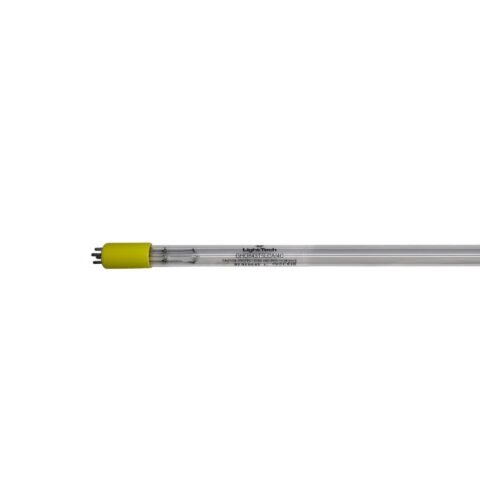
| UV lamp | 12 months | The interval expiring — even if the lamp is still lit |
| Softening resin | 4–6 years | Hardness returning despite regeneration |
| Activated carbon media | 2–3 years | The chlorine taste not clearing |
| Valve O-ring kit | 2–3 years | Leaking around the valve |
| Pressurised storage tank | 5–8 years | Tank full but flow weak |
5 Steps to Choosing the Right Spare Part
The three most frequent reasons for buying the wrong part are size confusion, a mismatched connection diameter and a capacity error. If you follow this order, the margin for error drops:
- 1 — Identify the housing and the size. Standard or Big Blue, 10 or 20. If there is no printing on the cartridge, measure its length.
- 2 — Be clear about what the stage does. Is this stage holding sediment, is it holding chlorine, or is it adding minerals? Changing its job upsets the balance of the system.
- 3 — Measure the problem in your water. Hardness, TDS and pH are the three basic figures. Test kits give all three in a few minutes.
- 4 — Check the connection diameter. On valves and taps 3/4″ and 1″ are easily confused; bypass and fitting compatibility must be confirmed before you buy.
- 5 — Match the capacity to the unit. The daily output figure of the pump and of the membrane must suit each other and the volume of the tank.
Wherever you are not sure, it is enough to send us the brand and model of your unit; we will work out the right part together.
Common Faults and the Part Responsible
| Symptom | Likely cause | Part to check |
|---|---|---|
| Water comes slowly from the tap | Blocked pre-filter or low tank pressure | Sediment filter, storage tank |
| Chlorine taste and odour in the water | The carbon stage is saturated | CTO or GAC filter |
| The outlet TDS value has risen | The membrane has tired or there is a leak | Reverse osmosis membrane, O-ring |
| Limescale despite softening | The resin is saturated or the valve is not regenerating | Cationic resin, valve |
| The unit drains water continuously | The valve is stuck in position, the piston is worn | Valve piston, O-ring kit |
| Leaking around the valve | The O-ring has perished | O-ring kit |
| Salt consumption has gone up | The regeneration frequency is not set correctly | Flow-controlled valve |
| The unit produces no water at all | The pump is not running or the pressure is insufficient | Booster pump |
The Difference Between an Original Part and an Equivalent
On standard-size parts such as filter cartridges, using an equivalent is common and usually causes no trouble; what matters is that the size and the micron rating match. On the membrane, valve and electronic board side the situation is different: the salt rejection rate and pressure resistance of a membrane, and the flow capacity and programming logic of a valve, vary from brand to brand. On these parts, going outside the class the system was designed for may look cheap in the short term, but it comes back as lower output and early failure.
At Water Point the membranes we sell are Toray, LG, STAR, TechFlow and FilmTec; on the valve side we use Clack, Fleck and Runxin products.
What Is Different About Buying Spare Parts from Water Point
- Valves, pumps and tanks carry a 2-year warranty and taps a 1-year warranty; consumables such as filters, membranes and resin are outside cover. Misuse is outside cover in every case.
- CE certified products — we work with products that fall within certification scope.
- ETBİS-registered e-commerce — we are registered in the Ministry of Trade’s Electronic Commerce Information System.
- Invoiced sales — a legal invoice is issued with every order, so accounting for corporate purchases is straightforward.
- Free site survey available — if you are not sure which part needs replacing, we identify the fault first. see the details
- Türkiye-wide service network for industrial systems — for domestic units we serve İstanbul and the surrounding provinces (such as Kocaeli and Tekirdağ).
- Standard-size cartridges — we hold stock in 10, 20, 30 and 40 inch standard and Big Blue sizes.
- 20+ years of field experience — application experience from domestic to industrial systems under our founder Ali Genç.
Address: Mehterçeşme Mah. 1919 Sk. No: 54/B Esenyurt / İstanbul.
Spare Part Plan for Well Water and Hard Water Areas
The replacement intervals given for mains water do not hold for well water. Well water usually carries a higher load of suspended solids, iron, manganese and micro-organisms; that tires the early stages far faster. On sources where sediment is heavy, positioning a washable steel filter ahead of the consumable cartridge, instead of putting that cartridge straight at the head of the line, clearly lowers the cartridge cost.
In hard water areas the real load is on the softening side. As hardness rises the resin regenerates more often, salt consumption goes up and the valve runs more cycles. In that case choosing a flow-controlled valve saves both salt and water compared with a time-controlled valve. Because the life of the resin depends directly on the number of cycles, the right valve choice also lengthens the resin replacement interval.
- Well water: A washable steel filter at the pre-stage, then a string wound sediment cartridge. The carbon stage must sit behind these.
- High hardness: A flow-controlled valve, regular salt top-ups and an outlet hardness measurement at least once a year.
- High sediment: Going up a cartridge size (20 inch or Big Blue instead of 10 inch) reduces how often it has to be replaced.
- Microbiological risk: If a UV (ultraviolet) treatment stage is in use, the lamp interval must be tied to a calendar.
Spare Part Stock in Industrial Systems
In a treatment system tied to a production line, the real cost is not the part itself but the downtime. That is why the right approach for industrial users is not to hunt for a part once a fault appears, but to keep the critical items in stock beforehand.
In practice three items count as priorities: pre-filter cartridges (the item that is replaced most often and the cheapest), a valve O-ring and piston kit (which resolves the large majority of leaks and position faults) and at least one spare membrane (the part with the longest lead time). Alongside these, keeping consumables such as antiscalant and salt continuously in stock is decisive in keeping the system running at its planned efficiency.
As capacity grows, so does the amount tied up in membranes and valves. Given the price range of 8 inch membranes and high-capacity valves, replacing the early stages regularly turns directly into a saving. A simple maintenance calendar protects a membrane worth tens of thousands of lira with a cartridge worth a few hundred.
In our Water Treatment Spare Parts category you can find the parts for every stage, from domestic to industrial scale, and by sending us the brand and model of your unit you can work out the right match together with us.
Water Treatment Spare Part Prices 2026
The prices below are the current values on the product pages and include VAT. When there is a campaign on a product page, the valid price appears there.
| Group | Product | Price |
|---|---|---|
| Sediment filter | 10 inch 5 Micron Spun | 196.07 TL |
| Sediment filter | 20 inch 5 Micron String Wound | 980.37 TL |
| Carbon filter | 10 inch CTO Carbon Cartridge | 490.18 TL |
| Carbon filter | 20 inch Big Blue GAC | 2,941.10 TL |
| Filter set | 5-Piece Water Filter Set | 3,186.20 TL |
| Mineral | 5-Stage Mineral Filter | 441.17 TL |
| Membrane | 1812 Membrane Filter (domestic) | 1,225.46 TL |
| Membrane | ULP21 4040 | 11,764.42 TL |
| Membrane | STAR LP8040 / TechFlow 8040 LP-400 | 44,116.56 TL |
| Membrane | LG 8 inch BW 400 ES | 73,527.60 TL |
| Membrane | Toray TM720D-400 | 78,429.44 TL |
| Membrane | FilmTec 8″ (BW30 PRO-400) | 88,233.12 TL |
| Valve | Runxin F67Q1 Filter Valve | 9,803.68 TL |
| Valve | Runxin Digital Flow-Controlled | 14,705.52 TL |
| Valve | Clack Volumetric Softener | 58,822.08 TL |
| Valve | Clack WS1 EI Twin | 98,036.80 TL |
| Resin | Cationic Softening Resin | 5,882.21 TL |
| Resin | Mixed Bed Pure Water Resin | 24,509.20 TL |
| Carbon media | Coal-Based Activated Carbon | 4,901.84 TL |
| Carbon media | Coconut Shell Activated Carbon | 14,705.52 TL |
| Tank | 8 / 12 / 40 / 80 Litres | 2,608.68 – 11,764.42 TL |
| Pump | Under-Sink Pump | 2,941.10 TL |
| Pump | RO Pump, 600 L/h | 19,607.36 TL |
| Tap | Luxe Filter Faucet | 980.37 TL |
| Measurement | pH Test Kit | 294.11 TL |
| Measurement | TDS Meter | 1,225.46 TL |
| Consumable | Water Softener Salt | 588.22 TL |
| UV | Ultraviolet Lamp | 3,921.47 TL |
Spare parts for every stage are listed in this category. If you cannot see the part you are looking for in the list, contact us with the brand and model of your unit.
Could not find the spare part you are looking for?
Send us the brand and model of your unit and we will determine the right filter, membrane, valve or resin together. If the unit is purchased from us the site survey is free; if only a survey and measurement are requested, a 2,000 TL site survey fee applies.
0850 304 95 25WhatsApp[email protected]Water Treatment Spare Parts: frequently asked questions
How often should filters be replaced?
On typical mains water the sediment filter is replaced every 6 months, the carbon filter every 6-12 months and the mineral filter every 12 months. A reverse osmosis membrane is used for 2-3 years. If the water is hard or high in sediment, these intervals get shorter. The soundest approach is to take the calendar as a starting point and to settle the decision with a TDS and hardness measurement.
How do I tell whether my cartridge is 10 inch or 20 inch?
Measure the length of the existing cartridge: roughly 25 cm is 10 inch, 50 cm is 20 inch, 75 cm is 30 inch and 100 cm is 40 inch. If the diameter is about 6 cm it is standard; if it is around 11 cm it is a Big Blue (jumbo) cartridge. A Big Blue cartridge does not fit a standard housing.
What is the difference between a CTO and a GAC carbon filter?
CTO is activated carbon powder pressed into a block; while it holds chlorine and taste-odour compounds it also behaves like a fine sediment stage. GAC is granular activated carbon, its pressure loss is lower and it is usually used at the final stage. In reverse osmosis systems it is important that a carbon stage sits ahead of the membrane.
How do I tell that the membrane needs replacing?
The most reliable indicator is the TDS value of the outlet water. Note the value you measure when the unit is new; if that value rises markedly over time, the membrane has tired. A drop in flow rate on its own does not point to the membrane, so check the pre-filters and the pump first.
Should I buy a time-controlled valve or a flow-controlled valve?
If your water consumption is steady, a time-controlled valve is enough and is more economical. If your consumption varies, or if you want to cut salt and water consumption, a flow-controlled valve should be preferred; because it starts regeneration only once the capacity is used up, it prevents unnecessary cycles.
Can I use an equivalent filter?
On standard-size sediment and carbon cartridges, using an equivalent is common; what is decisive is that the size and the micron rating match. On membranes, valves and electronic parts the salt rejection rate, the pressure resistance and the programming logic vary from brand to brand, so going outside the class the system was designed for is not recommended.
Is there a warranty on spare parts?
Valves, pumps and tanks carry a 2-year warranty and taps a 1-year warranty; consumables such as filters, membranes and resin are outside cover. Misuse is outside cover in every case. Our sales are invoiced and we hold an ETBİS registration. If you are not sure which part needs replacing, you can use our site survey and fault diagnosis service; the site survey is free if the unit is purchased from us.
My UV lamp is still lit, should I replace it anyway?
Yes. When a UV lamp reaches the end of its life it goes on giving light, but its output at the effective wavelength falls. So the fact that the lamp is lit does not mean it is doing its job. The general rule is to replace it every 12 months.