
Building Inlet Water Treatment Systems: A Guide for Flats and Estates
You have a filter fitted to the kitchen tap and you think the drinking water problem is solved. Yet at the same moment the water going to the shower, the washing machine, the boiler and the whole plumbing system passes through no treatment at all. That is exactly why limescale tires the boiler, sediment blocks the fittings and white goods wear out early. The building inlet water treatment approach takes the problem up not at a single tap but at the point where water enters the building.
In this guide we take up what inlet treatment is, how it differs from point-of-use units, which stages it consists of, and how it changes at flat, villa, apartment block and housing estate scale. From installation conditions to maintenance discipline, and from choosing the right capacity to managing expectations honestly, we open each heading in turn.
What Is Building Inlet Water Treatment?
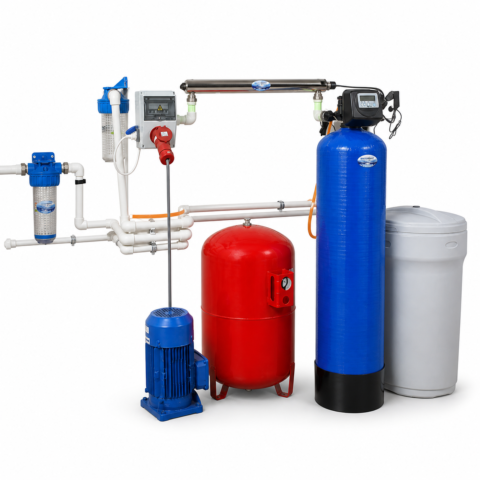
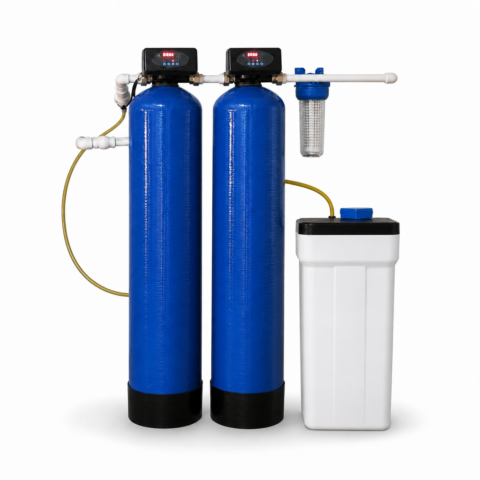
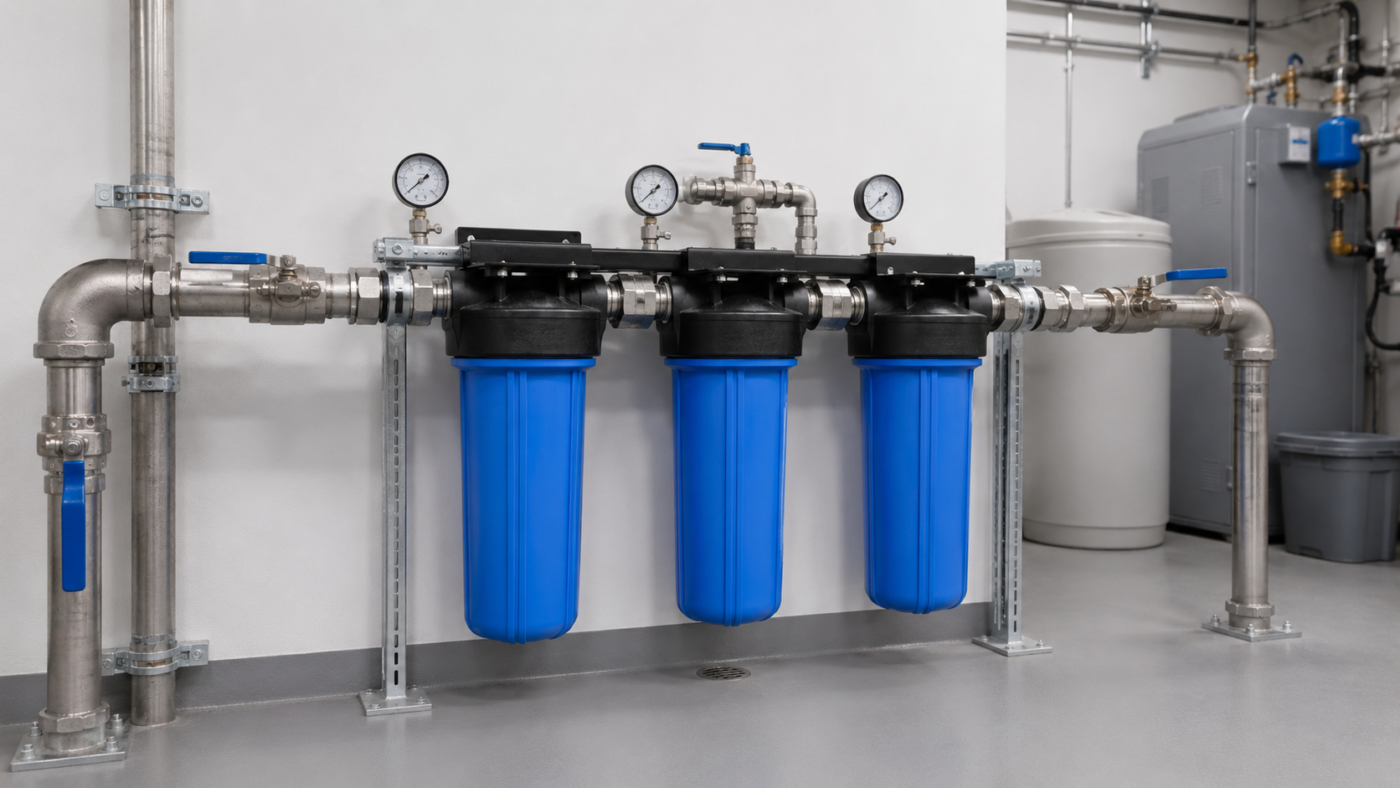
Building inlet water treatment means treating mains water on the main line before it is distributed through the plumbing. The system is installed on the inlet line after the meter, and every tap, appliance and pipe beyond that point is fed with treated water. The damage caused by sediment, rust and limescale is thereby stopped at source.
In the international literature this approach is defined as “point of entry” treatment. The US Environmental Protection Agency’s point-of-use and point-of-entry treatment units resource also treats these two approaches as separate categories and notes that each serves a different purpose.
In practice a building inlet water treatment system works like a gatekeeper. As soon as water enters the building it passes through the filter stages; only then is it distributed to the riser lines and the flats. Protection is not confined to a single point but spread across the whole building.
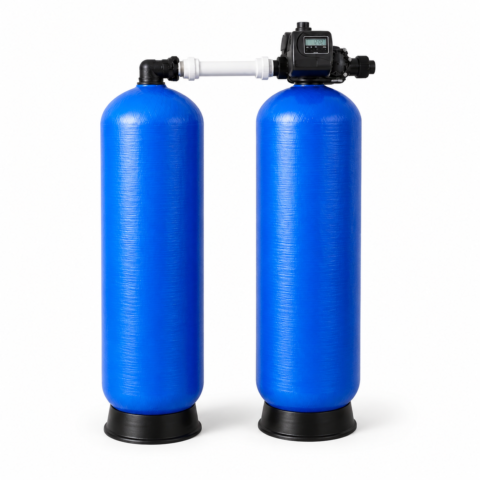
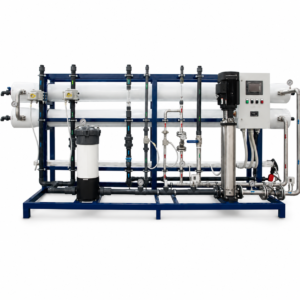
The name of the system changes with where it is installed. Fitted at the inlet of a single flat it is flat inlet treatment; on the main line of a villa, villa inlet treatment; on the main line of an apartment block or housing estate, central treatment. The working principle is the same at every scale; only the capacity and the size of the vessels change.
The Difference Between Point-of-Use and Inlet Treatment
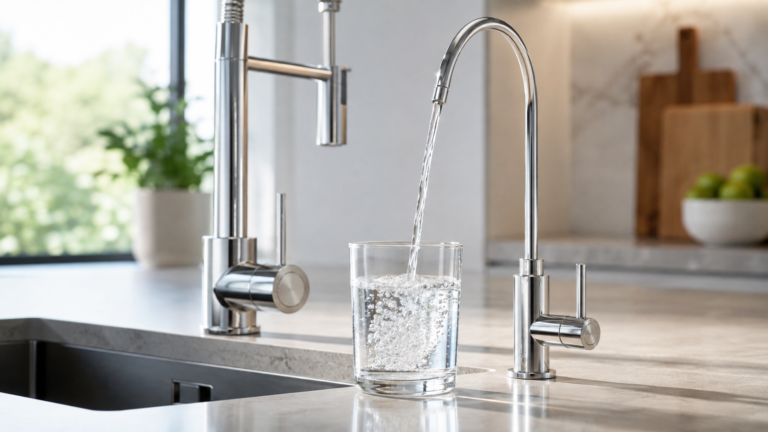
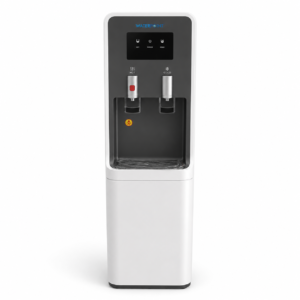
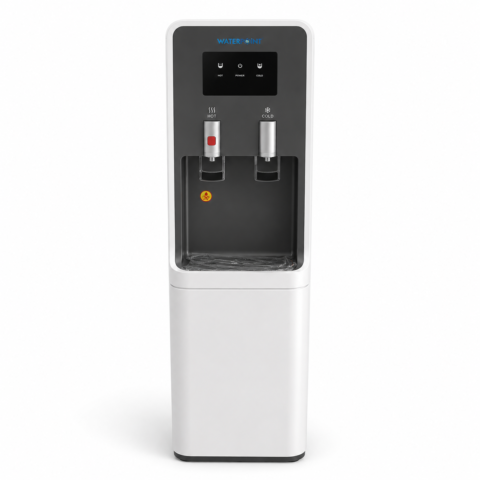
Point-of-use units treat only the tap they are fitted to and aim at drinking water quality. Building inlet water treatment feeds the whole plumbing system, improving the water used around the building and protecting the equipment. The two are not rivals; because they solve different problems, they are used together in most buildings.
That distinction is also the source of the most common investment mistake. However advanced the unit in the kitchen, it has no effect at all on the water going to the bathroom and the boiler. Equally, an inlet system does not on its own provide drinking water quality in the kitchen. Their scopes separate as follows:
| Criterion | Point of Use (Tap) | Inlet Treatment (Main Line) |
|---|---|---|
| Scope | A single tap | The whole plumbing system and its appliances |
| Purpose | Drinking and cooking water quality | Household water and equipment protection |
| Where It Is Installed | Under or on the counter | The main inlet line after the meter |
| What It Protects | That point only | Boiler, water heater, white goods, fittings |
| Typical Stages | Reverse osmosis focused | Sediment, carbon and further stages where needed |
The right build is to think of the two together: the building inlet water treatment system cleans the water entering the building and protects the equipment, while the unit in the kitchen treats the drinking water separately. That pairing secures both your plumbing and the water you drink at the same time.
Why Is Treatment Needed on the Main Line?
Mains water passes through old pipes and tanks before it reaches the building, and it can carry sediment, rust and sand. Those particles block fittings, collect inside boilers and water heaters, and shorten the life of white goods. Treatment on the main line stops that damage before it even enters the plumbing.
The problem often comes not from the mains but from the distribution line and the building’s own plumbing. Rust particles inside the pipe, sediment settled in a tank and sand that gets into the water after a repair all reach the appliances directly. The points affected are these:
Boiler and Water Heater
Sediment and limescale collect on the heat transfer surfaces; efficiency falls and the risk of breakdown rises.
Fittings
Shower heads and tap aerators block; the flow weakens and frequent cleaning is needed.
White Goods
Deposits form on the heating element in washing machines and dishwashers.
The Plumbing Line
Sediment collecting on the inside wall of the pipe narrows the bore and causes the flow to fall.
Surfaces
Stubborn marks and traces are left on ceramics, glass and taps.
Water Quality
Turbidity, the smell of chlorine and an off taste make daily use unpleasant.
What the damage in this table has in common is that all of it advances by degrees. It does not appear suddenly one day; it builds up over months, and by the time it is noticed a repair bill has usually appeared. That is the real value of a building inlet water treatment system: rather than solving the problem after it emerges, it stops it forming in the first place.
Which Stages Does a Building Inlet Water Treatment System Contain?
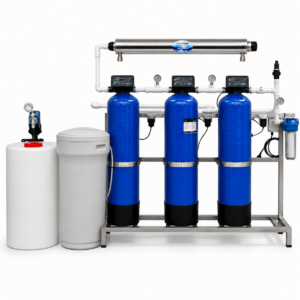
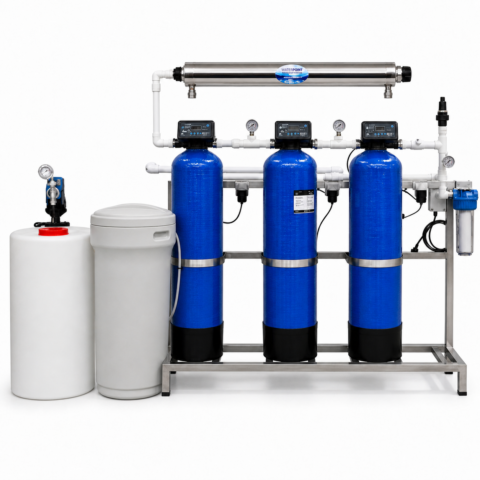
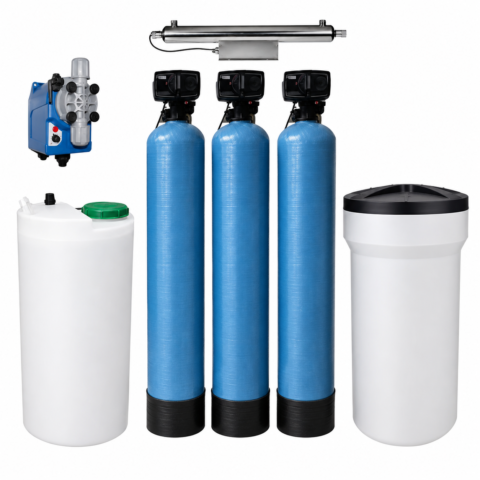
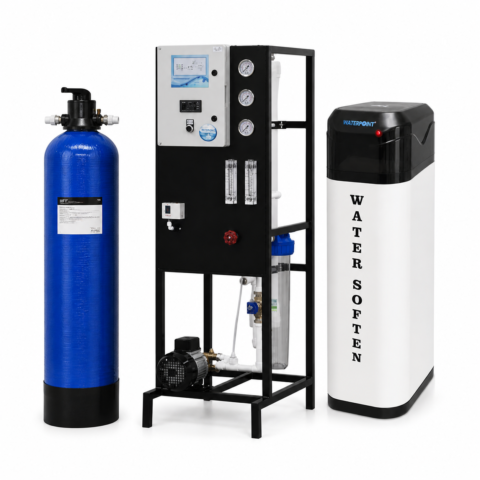
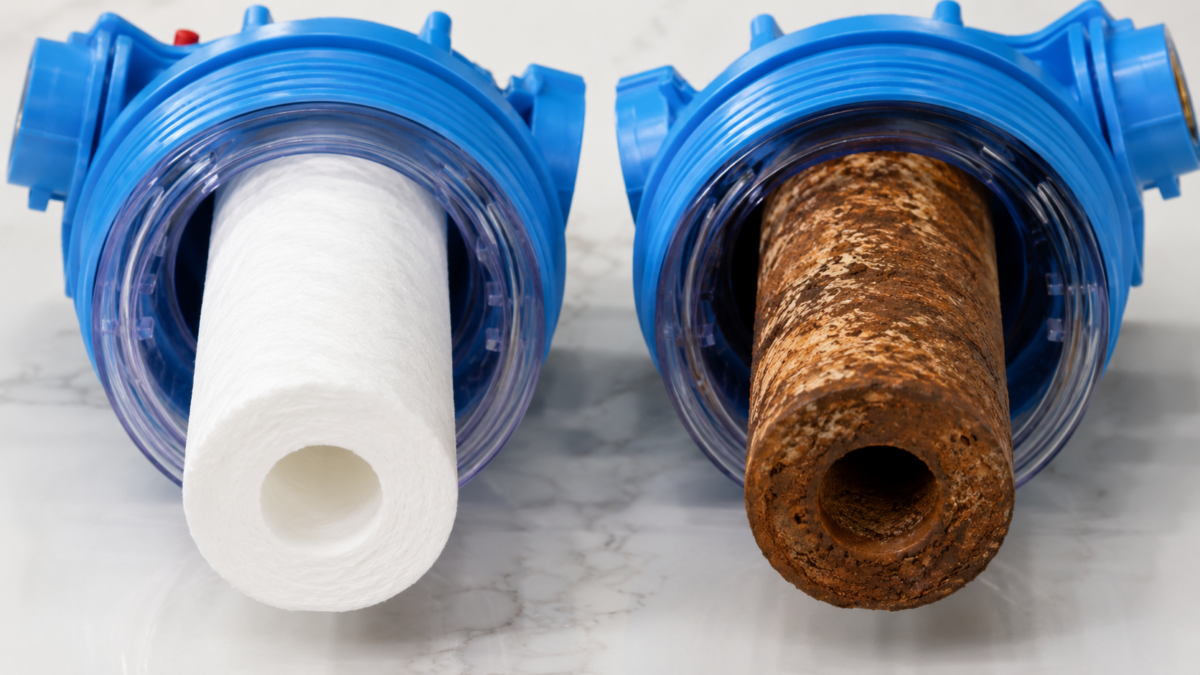
In a typical inlet system the sediment filter holds back particles and the activated carbon removes chlorine along with odour and taste. Where there is a hardness problem a softening stage is added; where a microbiological risk has been identified, UV (ultraviolet) treatment comes into play. Which stages are needed is established by a water analysis.
Each stage targets a particular problem and protects the next one. The table below sums up which problem is solved by which stage:
| Problem | The Stage That Handles It | The Result It Gives |
|---|---|---|
| Sediment, sand, rust | Sediment filter | Holds back particles, protects fittings and appliances |
| Chlorine odour and taste | Activated carbon | Removes the odour, taste and colour problem |
| Turbidity | Staged filtration | Raises the clarity of the water |
| Limescale and hardness | Softening | Stops limescale building up |
| Microbiological risk | UV (ultraviolet) treatment | Reduces microbiological risks |
The sediment filter is the first and most critical link in the chain; by holding back coarse particles it extends the life of every stage behind it. The activated carbon stage corrects the sensory quality of the water and removes the nuisance caused by chlorine. These two stages form the basis of most building inlet water treatment builds.
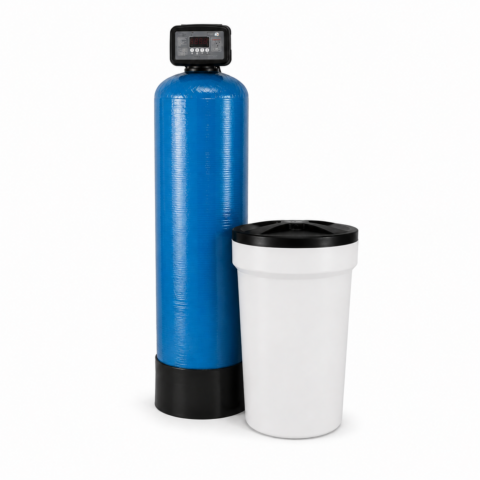
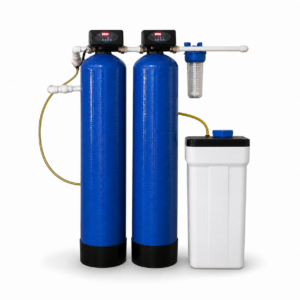
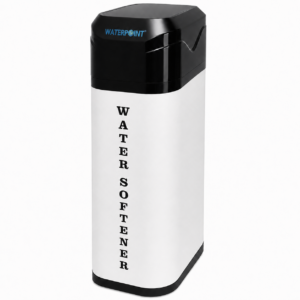
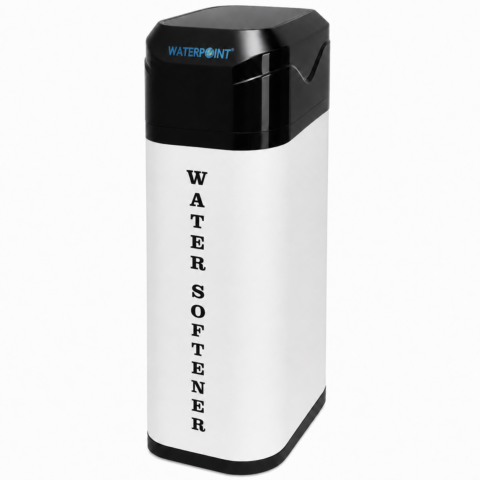
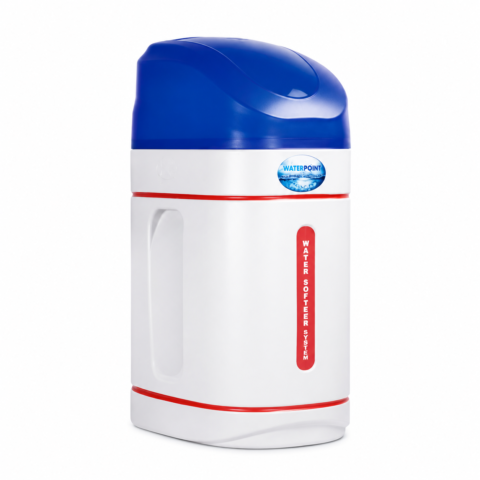
Where hardness is high, softening is a separate heading and calls for its own capacity calculation. We took that subject up in a separate article; you can read which type and capacity suits in our softening system selection guide.
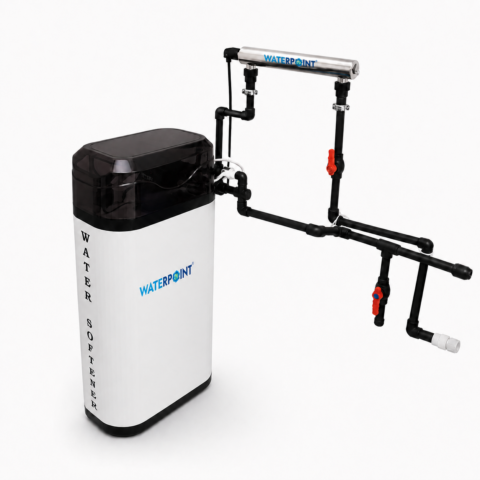
On systems with storage tanks, or where the source carries a microbiological risk, a further stage is needed on the line. Built for that purpose, ultraviolet units installed on the inlet line are positioned after filtration, because their effectiveness depends on the clarity of the water.
The Difference Between Single, Double and Triple Systems
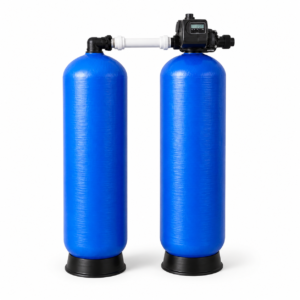
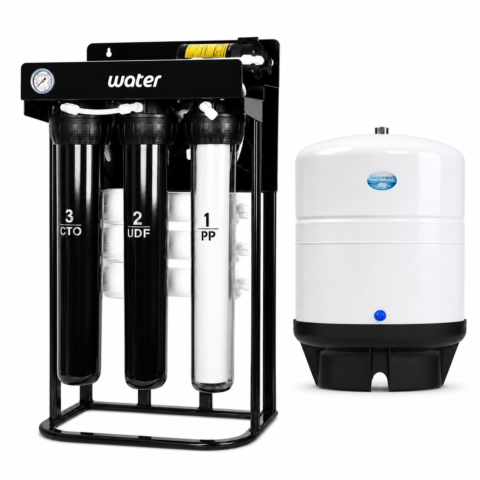
The number of stages is directly proportional to the number of problems to be dealt with. Single systems provide sediment control only; double systems add a carbon stage to the sediment; triple systems build a fuller filtration chain. The choice is made from the result of the water analysis.
The scope of the three options separates as follows:
Basic protection
A single-stage build; the priority is particle control.
- Sediment, sand and rust are held back
- It protects fittings and appliances
- A compact and economical start
- It has no effect on odour and taste
A balanced solution
Carbon is added to the sediment stage; this is the most widely chosen build.
- Particles and chlorine are removed together
- Odour and taste improve markedly
- It makes showering more comfortable
- It is enough for most flats
Comprehensive filtration
A staged build takes on a wider range of problems.
- Coarse and fine filtration are separated
- The carbon stage is supported
- An advantage where the particle load is high
- Suited to villas and heavy use
The number of stages should not be the only criterion in the decision. If your water has only a sediment problem, single-stage inlet filters may be enough. If a chlorine odour and taste problem come with it, two-stage inlet systems strike a better balance.
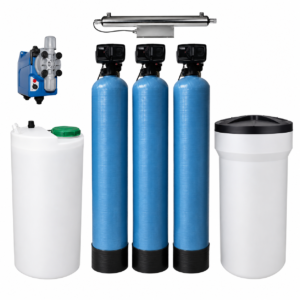
Where the particle load is high, the source water varies or use is heavy, a staged build is needed; in that case three-stage inlet systems offer fuller protection. The right building inlet water treatment build should match the need, not exceed it.
Flat, Villa, Apartment Block and Estate: How Does the Scale Change?
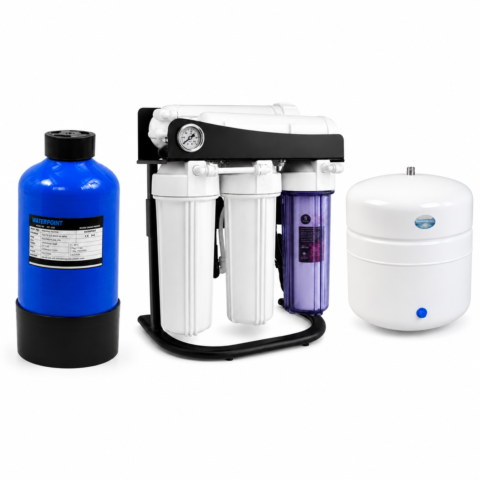
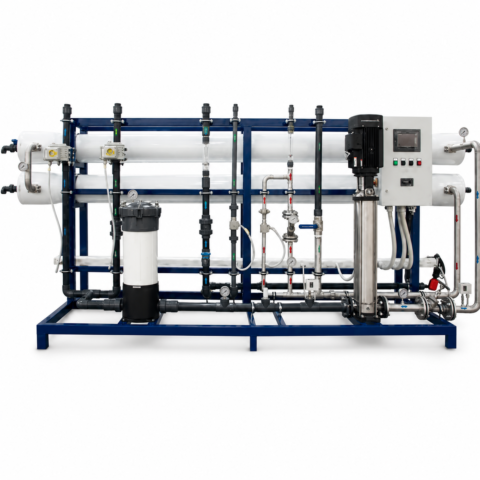
The working principle is the same at every scale; what changes is the capacity and the size of the vessels. A compact system is enough at the inlet of a single flat, while the flow rises in villas and apartment blocks. Across a housing estate the riser lines and communal areas are planned together. Capacity is set by the number of users and the instantaneous flow.
Four typical scenarios separate as follows:
Flat Inlet
Installed at the inlet of a single flat. A compact vessel and easy access to the filters come to the fore.
Villa / Detached
Feeds the whole building; garden use and high flow are taken into account.
Apartment Block
Installed on the main riser line; common protection is provided to every flat.
Estate-Wide
Block inlets and communal areas are planned together; high capacity is needed.
At flat scale the decision is an individual one and easy to carry out; a system installed on the flat’s own inlet line protects that flat independently. This is a route often chosen by owners who do not want to wait for a management decision.
In villas and detached houses the picture changes: a single building, garden irrigation included, has a higher total consumption. Built for that scale, villa inlet treatment solutions are sized differently in terms of both flow and vessel strength.
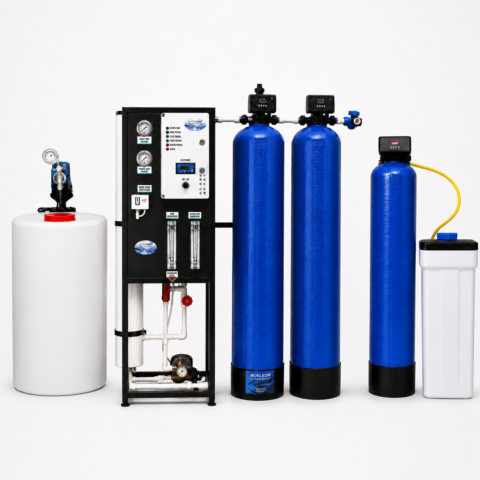
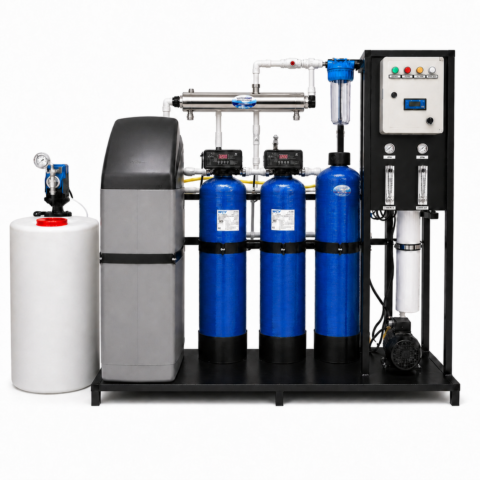
Across an apartment block or estate the job becomes a management decision. A building inlet water treatment system installed on the main riser line protects every flat at once; but the capacity calculation has to be made on the total number of users and peak-hour demand. For needs at that scale, estate-wide treatment systems are sized project by project.
On multi-block estates, whether a separate installation for each block or a single central point is more suitable is answered from the layout of the riser lines. That decision should be made at the survey stage, together with the plumbing drawings.
Installation: Where and How Is It Fitted?
The system is positioned on the main line where water enters the building, after the meter. A bypass valve is essential in the installation; it lets the system be taken out of service without cutting the water during maintenance. Service space should also be left for filter changes, and precautions taken against the risk of freezing.
Planning the installation directly affects how usable the system is over the long term. These five points should be settled in advance:
-
Position on the main line
The system is installed after the meter, at the point before water is distributed through the plumbing, so that the whole line is fed.
-
Bypass valve
It allows the system to be bypassed without cutting the water to the building during maintenance, a fault or a filter change.
-
Service space
Enough room should be left around it for the vessel caps to be opened and the cartridges removed.
-
Frost protection
On outdoor installations or in cold basements, insulation and protective measures should be taken.
-
Drainage and access
Easy access should be planned for the water released during a filter change and for regular checks.
In an installation made without a bypass valve, the water to the whole building is cut at every filter change. In apartment blocks and estates that is a serious operational problem; the valve is not an accessory but a compulsory part of the installation.
In new buildings, when the building inlet water treatment system is planned at the design stage, both the siting and the plumbing become far more practical. Installation in existing buildings is of course possible; but the position of the inlet line, the space available and the possibility of drainage should be assessed beforehand.
Let’s determine the inlet system that suits your building together
You can look at the solutions to plan a build suited to your number of users, your flow and your installation conditions.
See the Inlet Treatment Solutions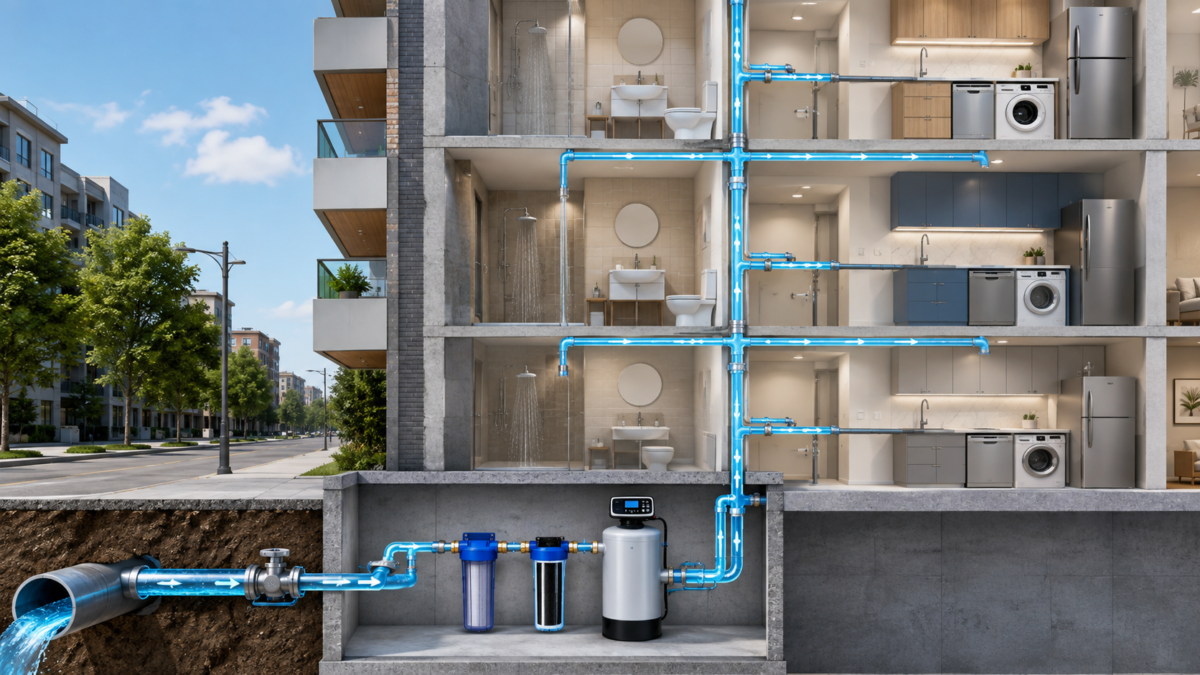
Maintenance and Filter Changes
On inlet systems the one regular task is renewing the filter stages. A cartridge that reaches saturation stops holding particles and makes the flow harder. When a change is left too long, a fall in flow and a loss of pressure are felt throughout the building. The change interval varies with the inlet water quality and how heavily the system is used.
Maintenance matters more on inlet systems than on point-of-use units, because a blocked stage affects not one tap but the whole building. These are the signs to watch for:
- A general fall in flow: Weakening flow at every tap in the building points to a stage having filled.
- Uneven pressure: A loss of pressure felt on the upper floors in particular is an early warning.
- A change of colour in the filter housing: Darkening in a clear housing is visible proof of saturation.
- The return of odour and taste: This shows that the carbon stage has exhausted its capacity.
In a building inlet water treatment system, because the work is on the main line, a filter change is planned together with the bypass valve. We took up step by step how to set up a maintenance routine and what is renewed when, stage by stage, filter change guide in our guide.
In apartment blocks and estates, tying maintenance to a planned service agreement is recommended. That removes any uncertainty over responsibility, and the change is made before a flow problem appears. With that discipline in place the system works trouble-free for years.
Does Building Inlet Water Treatment Provide Drinking Water?
Inlet systems improve the water used around the building: they remove sediment, chlorine and odour. But drinking water quality calls for a separate reverse osmosis stage in the kitchen. Dissolved solids, nitrate and similar components are not removed by inlet filtration.
This section is critical for managing expectations. After a building inlet water treatment system is installed, the taste of the water improves markedly, the odour disappears and clarity rises. That improvement gives most users the feeling that “everything is solved now”; technically, though, the picture is different.
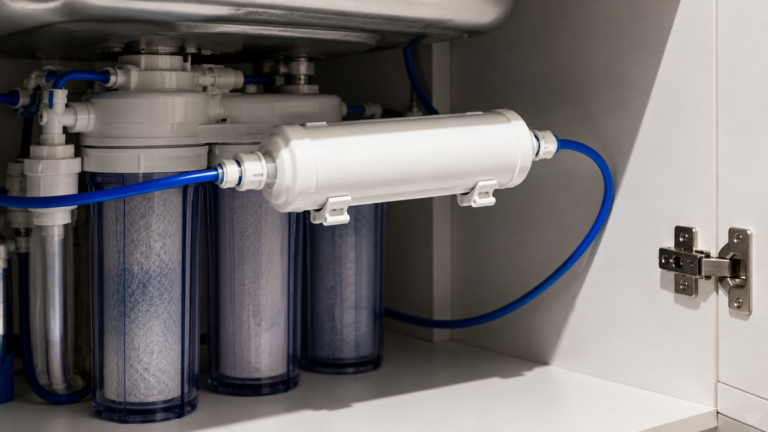
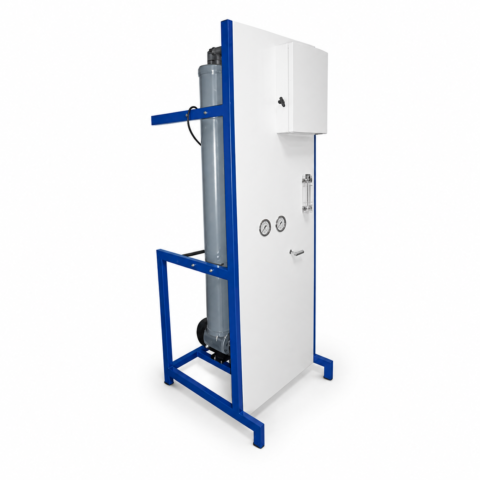
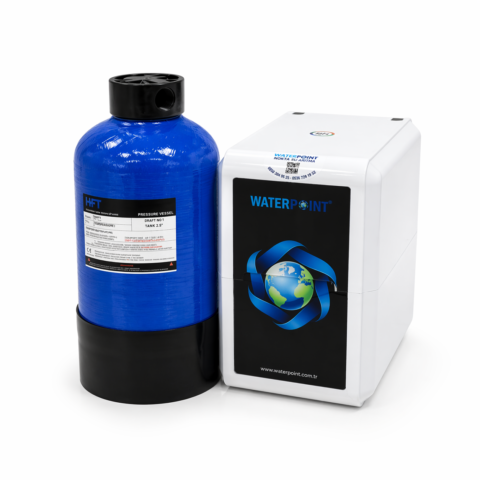
Inlet stages work on particles and chlorine. Salts, minerals and components such as nitrate that are dissolved in the water are not affected by those stages. The quality wanted in drinking water calls for a separate advanced stage in the kitchen; that is usually a reverse osmosis system installed under the sink.
The right build is for those two layers to work together: the inlet system protects the plumbing and the equipment, while the unit in the kitchen treats the drinking water. Which type suits on the kitchen side is covered in our unit selection guide.
An inlet system is not a drinking water unit; it is a plumbing and equipment protection solution. The two systems solve different problems and do not replace one another.
How Is the Right System Determined?
The right build is determined by four pieces of data: the water analysis result, the instantaneous flow required, the number of users and the conditions of the installation space. The analysis defines which stages are needed, the flow and the number of users define the capacity, and the space conditions define the vessel type. Without these, the choice rests on guesswork.
Keeping to that order matters. First the profile of the water is established, then the capacity is calculated, and only at the end is the product discussed. We explained in detail how an analysis is carried out and which parameters are looked at in our water analysis guide.
On the capacity side, the most common mistake is to look only at the number of users. What is decisive is the instantaneous flow: showers and taps opened at the same time in the morning make up the real load the system has to meet. A building inlet water treatment system chosen with inadequate capacity shows itself as a loss of pressure at peak hours.
The installation space, meanwhile, is usually thought about at the last minute and delays the project. The vessel size, the service space, the bypass line and the possibility of drainage should be confirmed in advance. When these four pieces of data come together, a building inlet water treatment investment stops being a choice from a catalogue and becomes a solution built for the building.
Frequently Asked Questions
What exactly does a building inlet water treatment system do?
It treats mains water on the main line before it is distributed through the plumbing. It holds back particles such as sediment, rust and sand, and the carbon stage removes the chlorine odour and taste. The boiler, water heater, white goods and fittings are thereby protected from damage caused by contamination.
If I have a unit in the kitchen, do I still need an inlet system?
The two solve different problems. The unit in the kitchen treats only that tap; it has no effect on the water going to the shower, the washing machine and the boiler. Protecting the plumbing and the equipment calls for a separate system on the main line.
Can it be installed for a single flat?
Yes. Installed on the flat’s own inlet line, the system can protect that flat independently. This is a common route for owners who want an individual solution without waiting for a management decision.
How many stages should I buy?
The number of stages depends on the number of problems to be dealt with. If there is only sediment, a single stage may be enough; if there is a chlorine odour and taste problem as well, a carbon stage should be added. The decision is made from the water analysis result.
Does the system lower the water pressure?
A system chosen at the right capacity causes no noticeable loss of pressure in normal use. Pressure problems usually come from inadequate flow capacity or from a blocked filter that was not changed in time.
When should the filters be changed?
There is no fixed period; the inlet water quality and how heavily the system is used are decisive. The clearest indicators are a general fall in flow throughout the building, a loss of pressure, and the return of odour and taste at the carbon stage.
Does an inlet system solve the limescale problem too?
Standard filtration stages do not remove limescale. Where hardness is high, a softening stage has to be added to the line as well. Because that stage calls for its own capacity calculation, it should be planned separately.
Conclusion
Most water-related damage in a building happens where nobody has fitted a filter: in the boiler, the water heater, the washing machine and the pipework. The building inlet water treatment approach takes protection away from a single tap and moves it to the point where water enters the building, stopping that damage at source. The right build starts with a water analysis, the stages are chosen for the problem identified, and the capacity is set by the number of users and the instantaneous flow. Installation details such as the bypass valve and the service space secure the long life of the system, while regular filter changes secure its continuity. Finally, the expectation has to be set correctly: an inlet system improves the water used around the building and protects the plumbing; for drinking water quality, a separate stage should be planned in the kitchen. With both layers in place, your building and your water are protected in full.
Let’s determine the right capacity for your flat, villa or estate
To plan a suitable system around your water analysis, your number of users and your installation conditions, you can get in touch with the Water Point expert team.
Discover the System That Suits You