
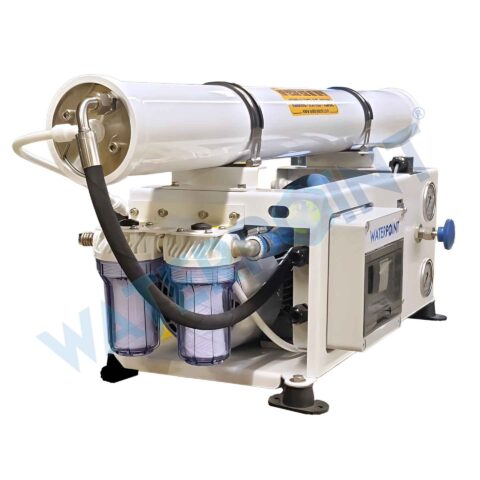
Irrigation Water Treatment: Water Quality in Greenhouses and Farming
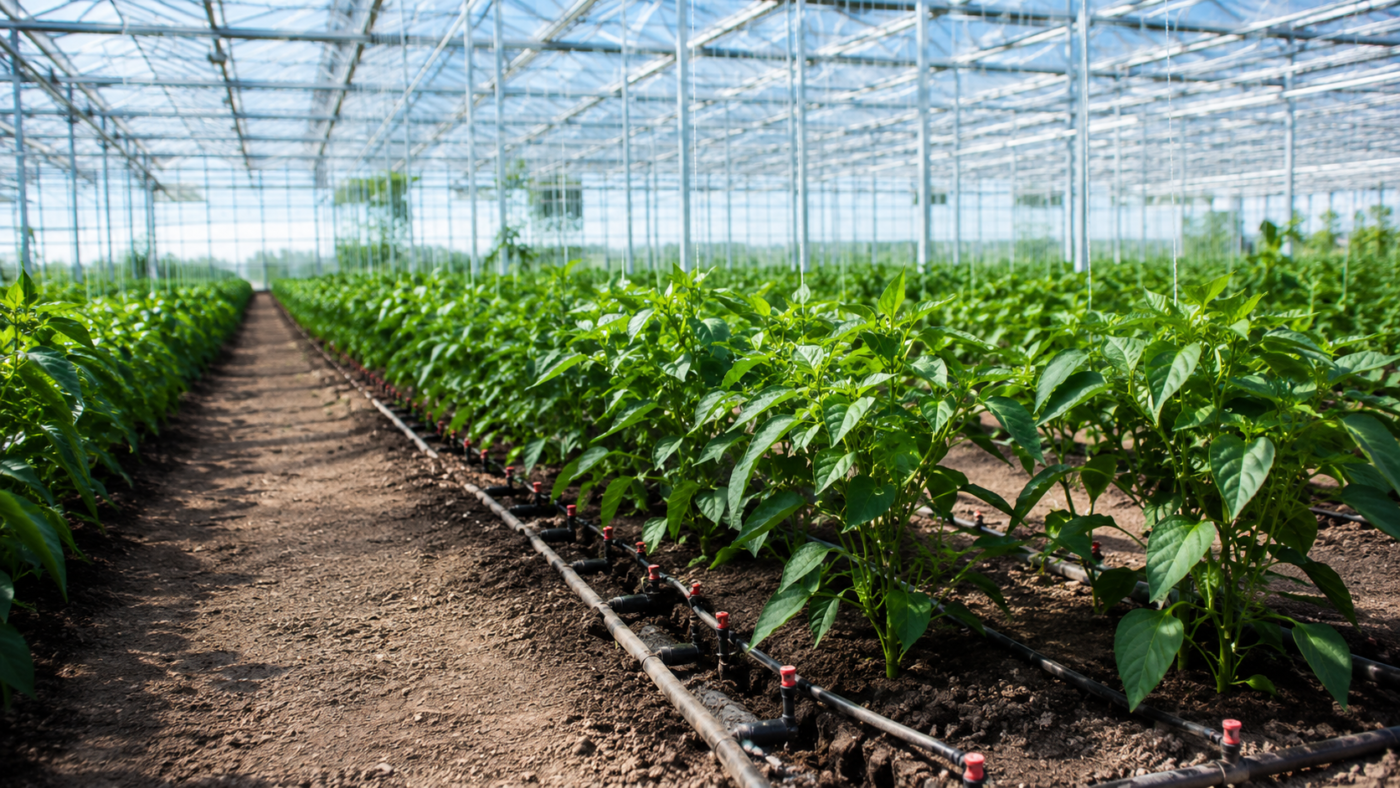
The drippers block every few weeks, the plants at the end of the rows stay markedly weaker than those at the start, and the yield runs below expectations. Most growers look first at the fertiliser, then at the seed or the soil. Yet behind that picture there is often a far more basic variable: the quality of the water used. That is exactly where irrigation water treatment stops being an optional improvement and becomes a direct part of production.
In this guide we take up which parameters irrigation water is assessed on, how salinity and sediment show in the system and in the plant, which problem is solved by which treatment stage, and how the system is sized. The aim is to make the source of recurring problems on your irrigation line visible.
Why Is Irrigation Water Treatment Needed?
Irrigation water treatment is needed to prevent the damage the salt, sediment and mineral load in water does to both the plant and the irrigation system. High salinity makes it harder for a plant to take up water; sediment and limescale block the drippers and stop the irrigation being spread evenly. The result is lost yield and lost equipment.
Irrigation water is the most heavily used input in agricultural production; yet its quality is often never measured. The fertiliser is analysed, the soil is analysed, the seed is chosen carefully — while the content of the water is treated as something that is simply there. Water, though, is both a carrier and a limiting factor.
The effect advances on two fronts. On the first is the system: sediment, limescale and iron build-up block the drippers, strain the filters and tire the pumps. On the second is the plant: salinity collects in the root zone and makes taking up water harder. Both fronts reach the same result — uneven irrigation and falling yield.
The role of water quality in greenhouse and nursery production is taken up comprehensively in academic sources too; Penn State University’s water quality resource for greenhouse and nursery production explains in detail the decisive role of irrigation water in the success of a crop.
Which Parameters Are Looked At in Irrigation Water?
The main parameters measured in an irrigation water analysis are these: salinity and electrical conductivity, sodium, chloride, hardness, iron, turbidity, pH and microbiological load. Each points to a different risk. Read together, these values make clear whether the water is suitable for irrigation and which treatment stages are needed.
Knowing the parameters also makes the analysis report easier to read. The headings below are the measures most often assessed in irrigation water:
Conductivity (EC)
Shows the total dissolved salt load of the water; one of the most critical indicators in irrigation.
Sodium
Affects soil structure and water permeability; assessed separately.
Chloride
A component of the salinity load, and some plants are sensitive to it.
Hardness
Shows the calcium and magnesium content; the main source of limescale build-up.
Iron
The chief cause of blocked drippers and of marks forming on leaf surfaces.
Turbidity
Reflects the amount of suspended solids; determines how much filtration is needed.
pH
Shows whether the water tends to be acidic or alkaline; affects precipitation behaviour.
Microbiological Load
Points to the risk of biological blockage; it matters particularly on surface water.
The numerical limits for these parameters vary with the plant species, the soil structure and the irrigation method. Rather than fixing figures, therefore, we explain what they mean; an assessment of suitability should be made together with a water analysis and an agricultural engineer.
Conductivity and dissolved solids are the measure met most often on the production side; we took up in detail what it tells you and how it is interpreted in our article on TDS and conductivity. When an irrigation water treatment build is planned, that value is almost always the starting point.
Salinity: The Problem That Quietly Cuts Yield
High salinity makes it harder for a plant to take up water from the root zone. Even when the water is physically there, the plant cannot take up enough of it; that shows as slowed growth and lost yield. Salt collecting in the root zone also affects the soil structure over the long term.
The most deceptive thing about salinity is that its signs resemble other causes. Stalled plants, scorching at the leaf edges and poor development are read at first glance as a nutrition deficiency or a disease. The grower changes the fertiliser programme, gets no result, and the cycle continues.
The mechanism rests on a physical balance. As the salt concentration of the water in the root zone rises, it becomes harder for the plant to take that water up. Even where irrigation has been carried out, the plant can show signs of thirst; in the field this appears as something like “physiological drought”.
The problem is cumulative over time. Every irrigation leaves a little salt in the root zone; where drainage is inadequate, that build-up grows. As the season goes on the effect becomes clearer. For that reason, irrigation water treatment should be treated not as a one-off intervention but as continuous quality management.
Which plant can tolerate which level of salinity varies with the soil structure and the growing system. That assessment and the fertilisation programme should be made together with your agricultural engineer; this article focuses only on treating the water.
Blockage in Drip Irrigation
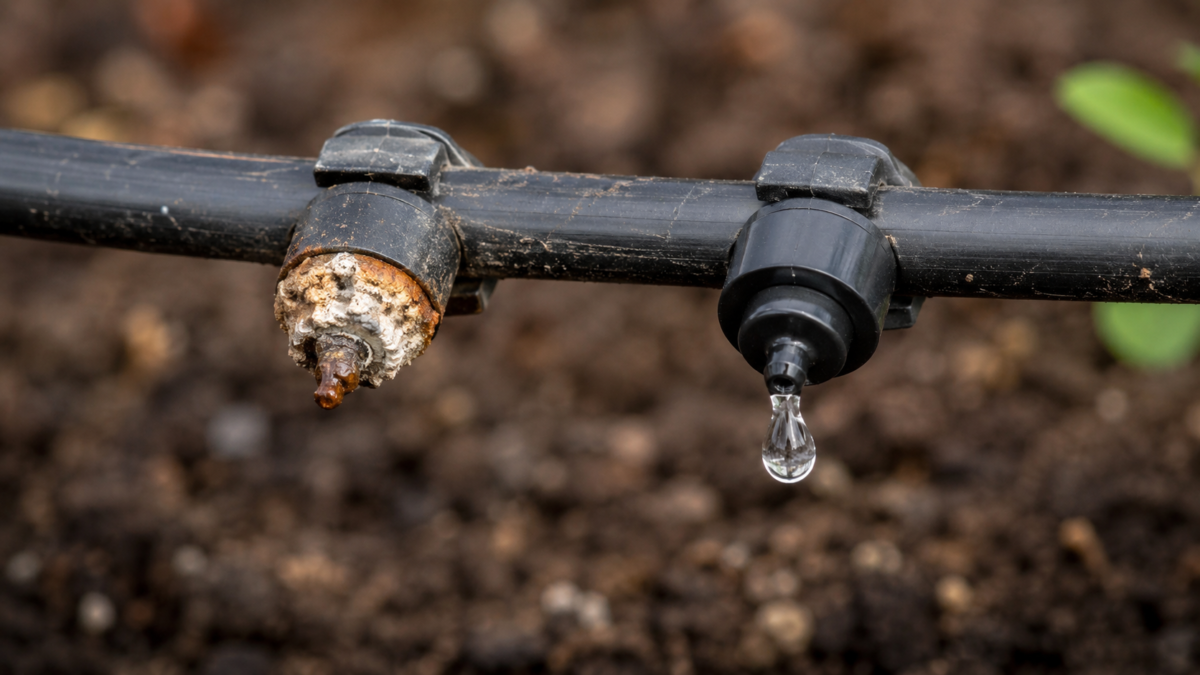
Drippers have a very small passage, which makes them extremely sensitive to build-ups of sediment, sand, iron and limescale. Blocked drippers stop the irrigation being spread evenly along the line. The result is plants developing differently within the same greenhouse and an uneven crop.
The greatest advantage of drip irrigation — precise water distribution — is also its greatest weakness. When a dripper blocks it is not easy to notice; the system looks as if it is working, but the plant at that point does not get enough water.
Blockage arises from three main sources:
Physical Blockage
Sand, sediment and suspended solids collect in the dripper passage and cut the flow.
Chemical Blockage
Limescale and iron compounds precipitate and form a hard crust on the inside of the dripper.
Biological Blockage
Organic load and biological growth form a film inside the line and narrow the flow.
Those three sources often work together. In water containing iron, for example, oxidised metal particles create a physical blockage while the same environment also sets the stage for biological growth. An irrigation water treatment build is therefore planned not against a single problem but against every source of blockage.
The cost of a blocked line is not only the labour of cleaning it. Water distribution differing along the line spoils the uniformity of the crop; the harvest cannot be taken at once and grading becomes harder. That is a loss that shows directly in the income.
Cleaning blocked drippers one by one is a temporary answer. If the source of the problem is the particle and mineral load in the water, the same cycle starts again within a short time after cleaning. For a lasting result the water has to be treated at the head of the line.
The Effect of Limescale and Hardness on the System
Hard water forms a crust of limescale in pipework, drippers and pumps. That build-up narrows the passage, causes pressure loss and shortens the life of the equipment. It can also cause precipitation in the fertigation system and stop the nutrient solution moving properly along the line.
Limescale build-up is one of the slowest-advancing but most widespread problems in irrigation systems. Its effect does not appear suddenly one day; it collects gradually along the line, and by the time it is noticed the answer is usually not cleaning but replacing parts.
The points affected are these:
- Drippers: Because of their small passages, the component affected first and most by limescale.
- Pipework: The crust collecting on the inside wall narrows the bore and upsets the pressure balance.
- Pumps and valves: Deposits on moving parts accelerate wear and failure.
- Filter units: Limescale makes cleaning the filter elements harder.
- The fertigation line: Precipitation can stop the nutrient solution moving along the line.
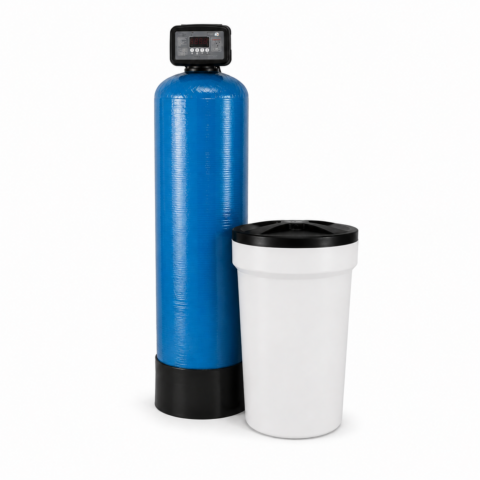
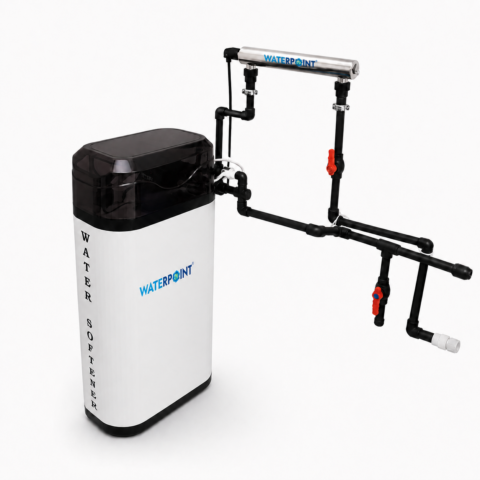
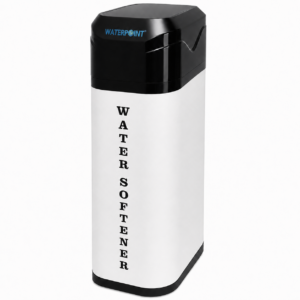
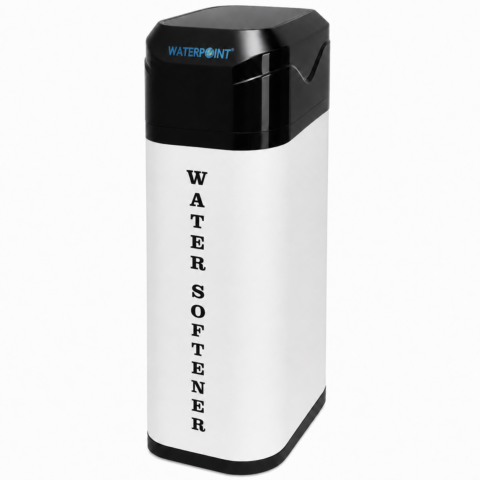
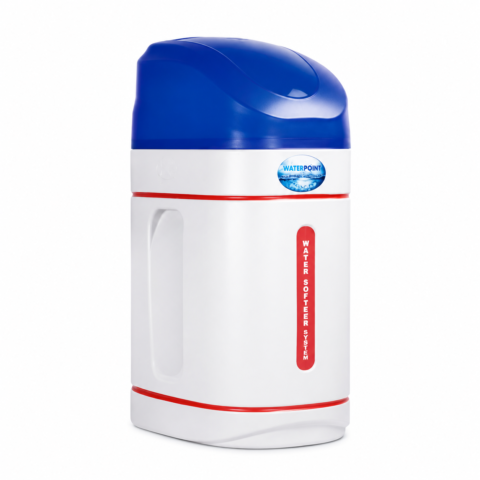
The answer is to reduce hardness at source. We took up in detail which type and capacity of softening is needed in our softening system selection guide. At agricultural scale, because the flow is high, industrial softening systems are preferred; the capacity is established from the irrigation flow.
Problems Caused by Iron and Turbidity
Iron, common in well water, oxidises to a solid form on contact with air and collects in the drippers. Turbidity shows the suspended solids load; it blocks filters quickly. Both problems lead to unevenness on the irrigation line and a frequent need for maintenance.
The typical sign of an iron problem is red-brown marking on the line and on surfaces. The water can come clear from the well; but as it moves along the line and meets air, the colour changes and particles form. Those particles settle in the dripper passage and cause blockage.
Iron-bearing water reaching leaf surfaces leaves marks. In ornamental and nursery production that is a direct problem of quality and saleability; even a healthy plant loses value because of its appearance.
On the turbidity side the source is usually surface water. In water from ponds, canals and rivers, the suspended solids load varies with the season and the weather; it rises markedly after rain. That variability makes filtration a constant requirement.
We took up step by step which problem in well water is removed by which stage in our treatment stages for well water article; the same logic applies in agricultural use.
The Stages Used in Irrigation Water Treatment
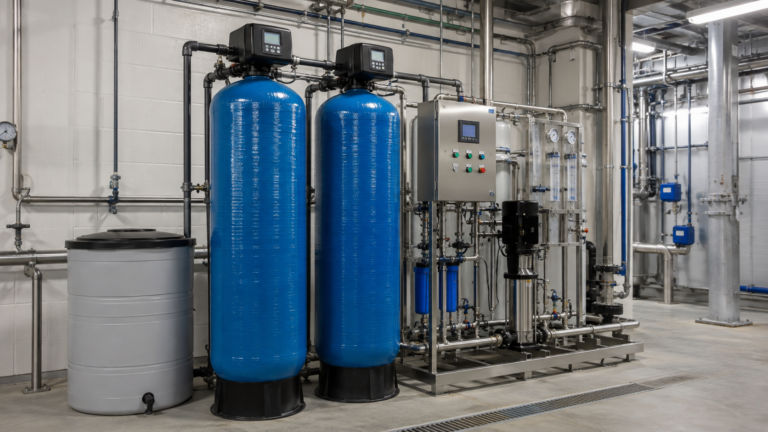
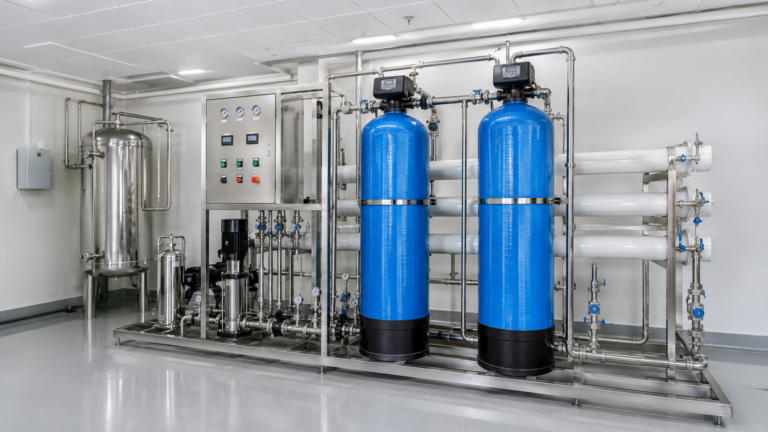
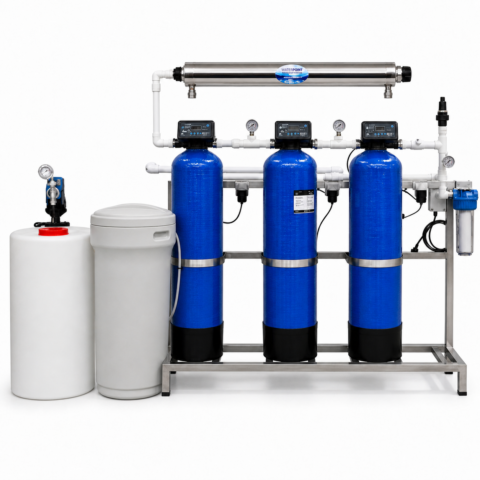
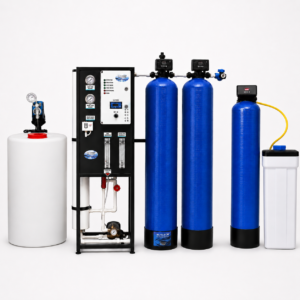
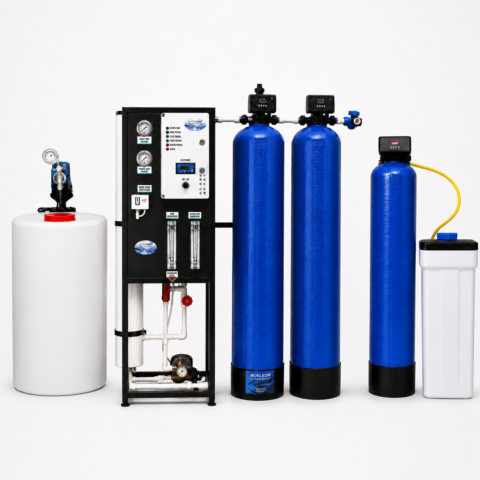
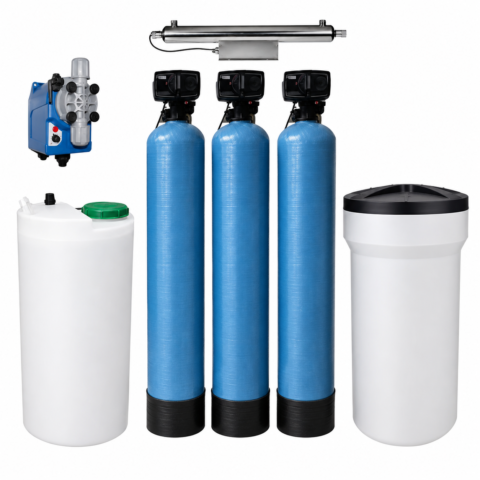
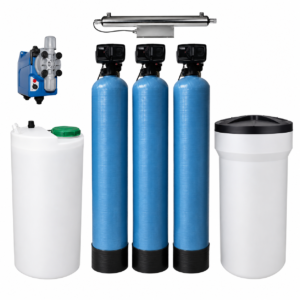
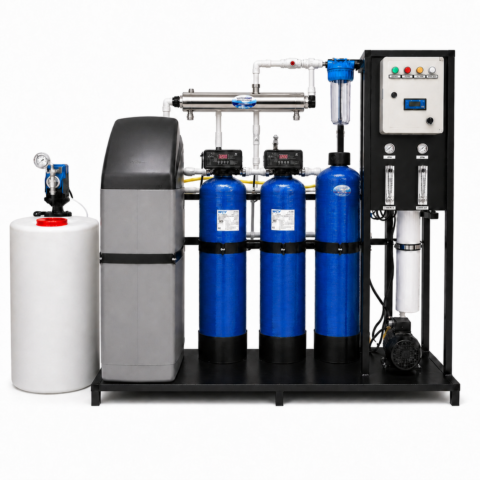
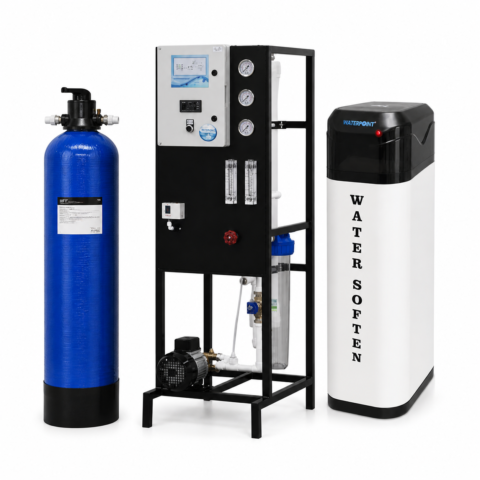
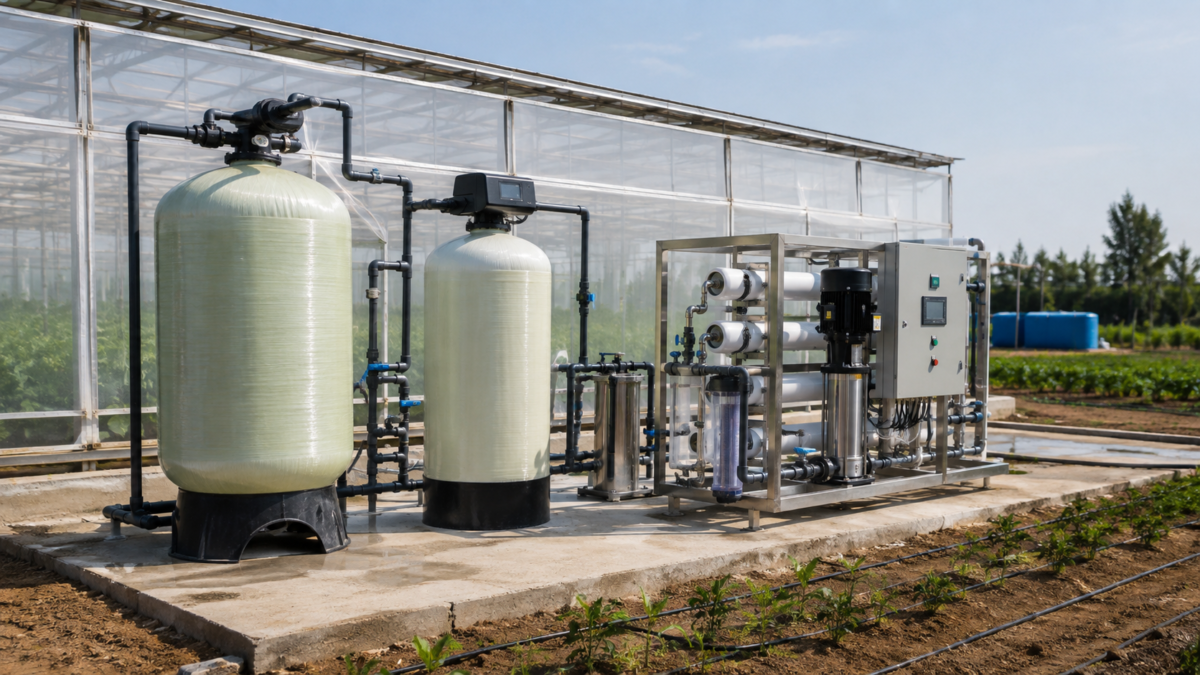
A typical build works in stages: coarse separation, sand or multimedia filtration, softening for hardness, and reverse osmosis where needed. Each stage targets a particular problem and protects the next. Which stages are needed is established from the water analysis result.
The table below matches the problem seen on site with the right stage:
| The Problem Identified | The Stage That Handles It | The Result It Gives |
|---|---|---|
| Sand, large particles | Separator / coarse separation | Separates heavy particles at the head of the line |
| Turbidity, suspended solids | Sand / multimedia filtration | Prevents drippers blocking |
| Iron and manganese | Filtration with oxidation | Holds the metals that turn to solid form |
| Hardness and limescale | Water softening | Prevents scaling and protects the line |
| High salinity / EC | Reverse osmosis | Lowers the dissolved salt load |
| Microbiological load | UV (ultraviolet) treatment | Reduces microbiological risks |
The first link in the chain is coarse separation. Used for the sand and large particles coming from a well, separator filter systems remove heavy particles by centrifugal action and markedly reduce the load on the stages behind them.
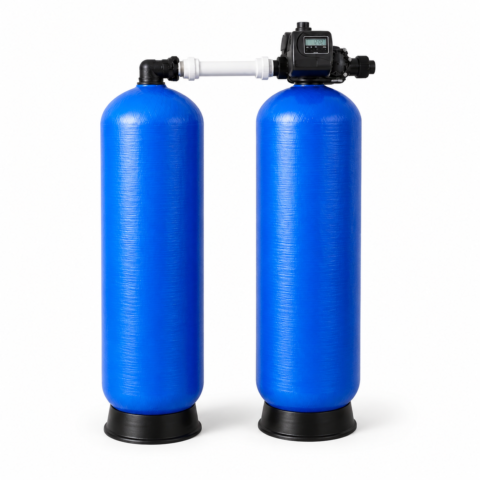
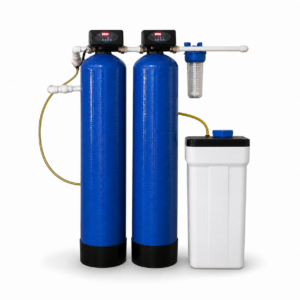
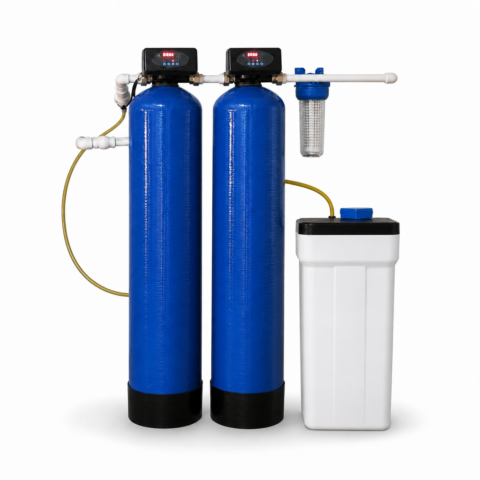
The second link is the sand bed. We explained in detail how that stage works and why backwashing is essential in our sand filter article. At agricultural flows, sand units with automatic backwashing are preferred; automation removes the need for manual intervention through the season.
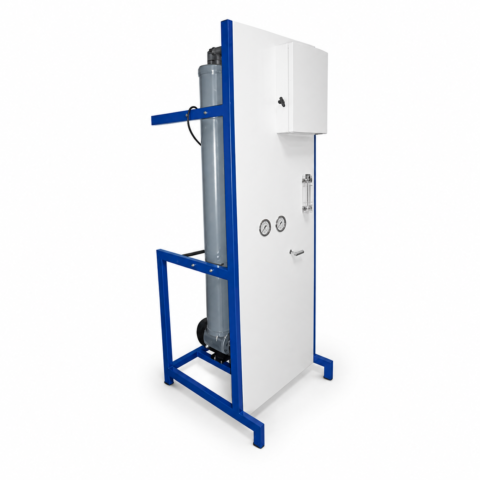
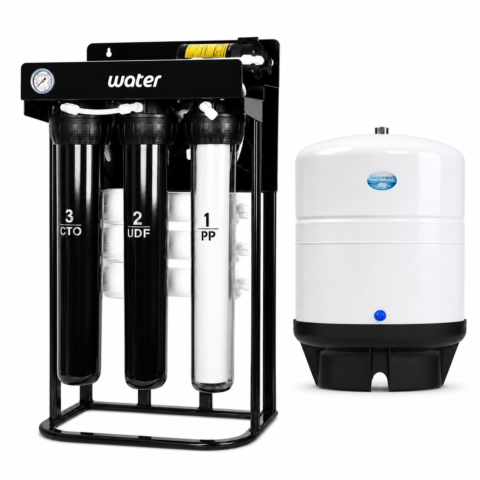
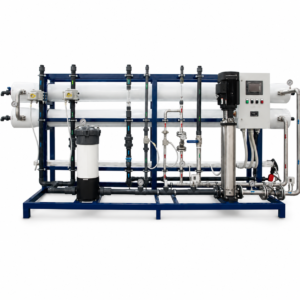
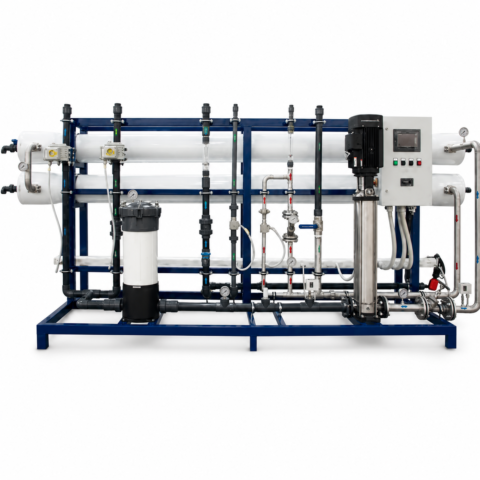
Where a salinity problem is found, reverse osmosis comes in. On high-flow agricultural installations, high-capacity reverse osmosis systems lowers the dissolved salt load to the level aimed for. For builds suited to the need at greenhouse scale, greenhouse water treatment solutions can be considered.
Let’s establish the stages that suit your irrigation line
You can look at the solutions to clarify which stages you need from your water analysis and your irrigation flow.
See the Greenhouse and Agriculture SolutionsWater Quality in Soilless Growing and Greenhouses
In soilless growing, water is the carrier of the nutrient solution. If the water’s own mineral load is high, the real content of the solution prepared becomes unpredictable. A low and stable starting value is therefore aimed for in a greenhouse; reverse osmosis is the stage that provides that repeatability.
In soilless systems there is no soil buffer; the plant takes up the solution it is given directly. That means every variable in the content of the water shows one to one in the result. If the water already carries a high mineral load, the nutrient solution added sits on top of it.
The practical consequence is a loss of control. A solution prepared to the same recipe produces different results with different water qualities, and seasonal changes complicate the picture further. In a greenhouse, therefore, irrigation water treatment is not an improvement but a control mechanism.
The reverse osmosis stage brings two benefits here. The first is that by lowering the dissolved load it creates a clean starting point for the nutrient solution. The second is stability: even when the inlet water changes, the outlet quality stays predictable, so production becomes repeatable.
The composition of the nutrient solution, its target values and plant-specific programmes are outside the scope of this article. The feeding programme built on the treated water should always be planned with your agricultural engineer.
How Is an Irrigation Water Analysis Done?
The analysis starts with a sample taken in a clean container and delivered to an accredited laboratory. For irrigation, conductivity, sodium, chloride, hardness, iron, pH and turbidity are requested. The result shows which stages are needed and forms the only solid basis for choosing a system.
Taking the sample directly determines how reliable the result is. A dirty container, the first water in the line or a sample left standing too long can show a problem that does not exist or hide one that does. The correct method runs in these steps:
-
Use a clean container
Choose a suitable container with no residue. Containers contaminated with fertiliser or chemicals must never be used.
-
Run the line for a while
The water standing in the well or the line should be cleared; the sample must represent the real source.
-
Take it from the right point
The sample should be taken from the raw water point before treatment; the system outlet is a separate measurement.
-
Record the details
The type of source, the sampling point and the date should be noted; the report is interpreted with that information.
-
Deliver it without delay
The sooner the sample reaches the laboratory, the more reliable the result.
We took up all the details of sampling and reading a report in our water analysis guide. In agricultural use, parameters such as sodium and chloride have to be requested as well; they are not always included in standard drinking water packages.
The variability of the source should be borne in mind too. In wells and surface water the content can change with the season, so an analysis made at the start of a season may not fully reflect the situation mid-season. On critical crops, periodic monitoring is recommended.
How Is the System Sized?
Sizing is done by assessing the irrigation flow, the area irrigated, the daily water requirement, the seasonal pattern of use and the water and drainage available for backwashing, together. The system should be chosen with the capacity to meet the instantaneous flow during the irrigation hour.
The most common mistake in agricultural installations is to look at total daily consumption and ignore the instantaneous flow. Irrigation is usually concentrated in particular hours of the day; if the system cannot meet that peak flow, the pressure falls and the distribution along the line is upset.
The headings assessed in sizing are these:
- The instantaneous irrigation flow: How many lines run at the same time? The system has to meet that flow.
- The area irrigated: The total area is the basic determinant of the daily water requirement.
- The seasonal pattern: Is use spread through the year or concentrated in particular months?
- The backwash requirement: Enough washing water and drainage have to be available for the filtration stages.
- The level of automation: A control build that reduces manual intervention through the season is preferred.
- The installation space: Enough room has to be planned for the tank bodies and for working on them.
Once those headings are clear, the capacity and the stage build emerge. It would not be right to give a general formula for exact figures; an irrigation water treatment system is always engineered from the water analysis, the real flow and the pattern of production.
The backwash condition matters particularly on agricultural installations. Filtration stages need a certain flow of water and a suitable discharge point to renew themselves. Where those two conditions are not met, the bed cannot be cleaned properly and permanent blockage develops over time.
The system should be commissioned before the irrigation season begins. Installations made mid-season both disrupt production and mean clearing the build-up already in the lines.
Frequently Asked Questions
Is irrigation water treatment necessary for every grower?
The need depends on the water quality. On a source low in salinity, free of sediment and of reasonable hardness, the need may be limited. But most well and surface water contains sediment, hardness or iron; treatment then protects both the system and the yield.
My drippers keep blocking — what is the answer?
The source of the blockage has to be established: physical particles, limescale or biological growth. A water analysis makes that distinction. Once the source is known, filtration, softening or the relevant stage is installed at the head of the line and the problem is solved for good.
Does a filter solve a salinity problem?
No. Sediment and sand filters hold only particles; dissolved salts pass straight through those stages. Salinity and high conductivity call for advanced stages such as reverse osmosis.
What water quality should be aimed for in a greenhouse?
In soilless and controlled growing, a low and stable mineral load is preferred, so that the nutrient solution can be prepared predictably. Because the target values vary with the plant and the system, they should be established with an agricultural engineer.
Does the system need maintenance through the season?
Yes, but at a manageable level. Backwashing at the filtration stages, watching the salt in the softener and monitoring performance at the advanced stages are needed. Automated builds markedly reduce manual intervention during the season.
Which parameters should I request for the analysis?
For irrigation, conductivity, sodium, chloride, hardness, iron, pH and turbidity should be requested. Where surface water is used, microbiological load should be added. Standard drinking water packages may not include all of these.
How is the capacity chosen?
The system is chosen to meet the instantaneous flow during the irrigation hour. Total daily consumption is not a sufficient measure on its own. The water and drainage needed for backwashing are also planned together with the capacity.
Conclusion
In agricultural production, water is both the most heavily used input and the least measured variable. Salinity quietly makes it harder for the plant to take up water; sediment, limescale and iron block the drippers and stop the irrigation being spread evenly. Both effects reach the same result: uneven development and falling yield. The right approach is clear — have a water analysis done first, then handle each problem identified with its own stage, and size the system for the instantaneous flow during the irrigation hour. That chain, from coarse separation to filtration, from softening to reverse osmosis where needed, is the basis of an irrigation water treatment build. Your irrigation system and your crop quality both become predictable as a result.
Let’s analyse your irrigation water and plan your system together
To engineer a treatment build suited to your irrigation flow, your area and your water analysis, you can get in touch with the Water Point expert team.
Discover the System That Suits You