
Freight delivery
Water Point Filtered Water Dispenser
Stainless Dispenser with Treatment
A Five-Stage Filter System
₺63,723.92
VAT included
Your cart is empty.
Browse productsCategories
Solutions
Process water, line feed and sizing by flow rate.
Systems and units Industrial Water Treatment Read the guideTreatment that stops limescale and corrosion before they reach the boiler.
Systems and units Water Softeners Read the guidePure water of low conductivity and repeatable quality.
Systems and units Pure Water Systems Read the guideRemoving the salts and sediment that clog drip lines.
Systems and units Well Water Treatment Read the guideThe right hardness for equipment life and drink flavour.
Systems and units Filtered Water Dispensers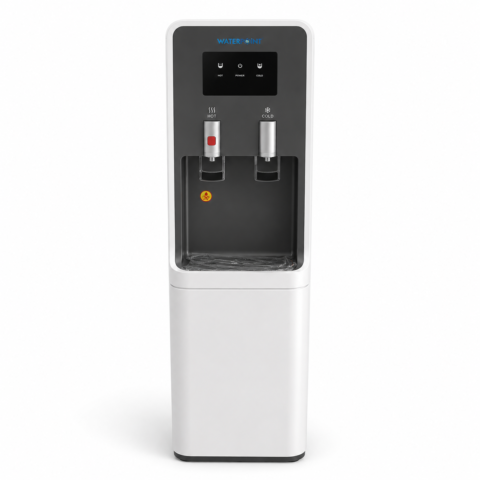 Water Point Filtered Water Dispenser
₺63,723.92
Water Point Filtered Water Dispenser
₺63,723.92
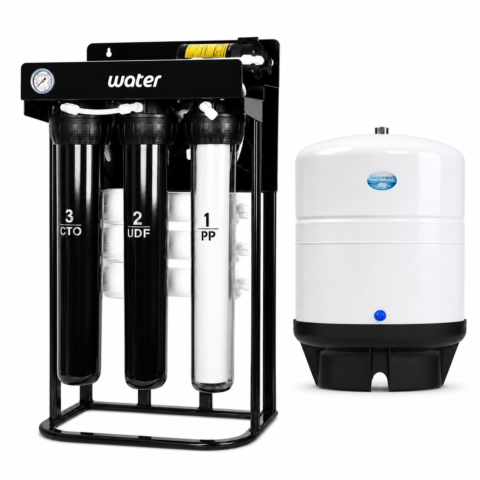 Restaurant Water Purifier, 500 GPD with 40 Litre Tank
₺49,018.40
Restaurant Water Purifier, 500 GPD with 40 Litre Tank
₺49,018.40
A main line that filters the water entering your plumbing at a single point.
Systems and units Whole House & Building Inlet Systems Read the guideA staged system for iron, manganese and turbidity.
Systems and units Well Water Treatment Read the guideLow-conductivity rinse water for spot-free drying.
Systems and units Reverse Osmosis Systems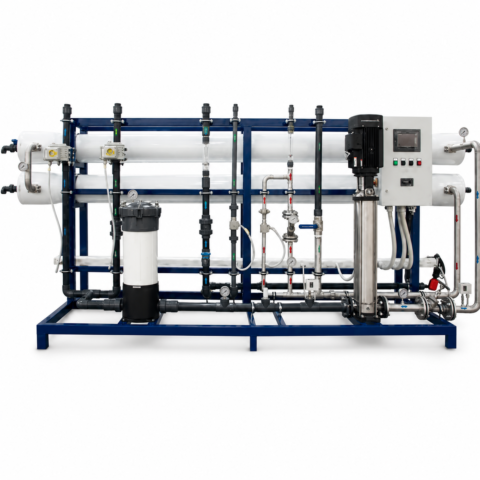 95 Tonne Reverse Osmosis System
₺980,368.00
95 Tonne Reverse Osmosis System
₺980,368.00
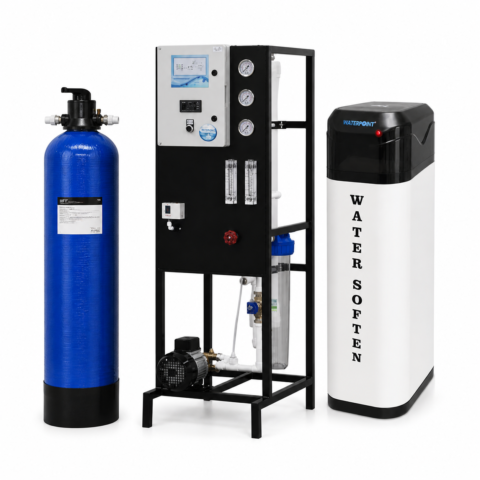 Industrial Deionised Pure Water Unit, 250 L/h
₺220,582.80
Industrial Deionised Pure Water Unit, 250 L/h
₺220,582.80
The problems hard water causes in hair and skin care.
Systems and units Water Softeners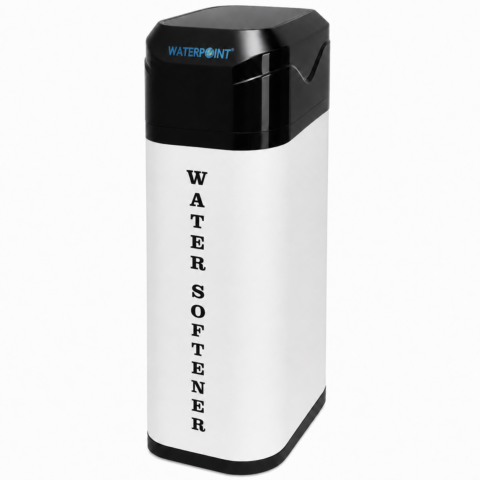 Maxi Cabinet Water Softener, 5 Tonnes/Day
Original price was: ₺49,018.40.₺34,312.88Current price is: ₺34,312.88.
Maxi Cabinet Water Softener, 5 Tonnes/Day
Original price was: ₺49,018.40.₺34,312.88Current price is: ₺34,312.88.
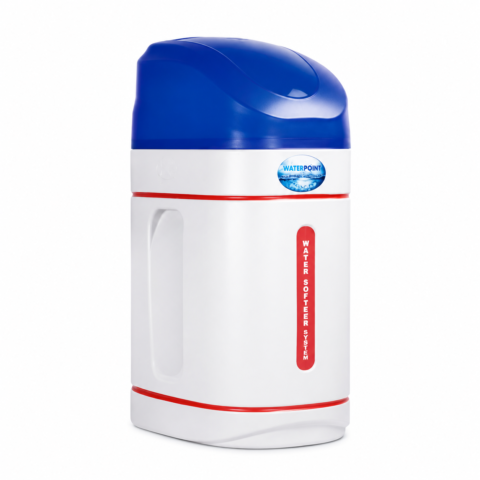 Mini Cabinet Water Softener, 2 Tonnes/Day
₺44,116.56
Mini Cabinet Water Softener, 2 Tonnes/Day
₺44,116.56
Drinking water from seawater with high-pressure reverse osmosis.
Systems and units Reverse Osmosis Systems Read the guideCompany
Product Category
A filtered water dispenser is a unit that combines a water treatment section and a hot-and-cold dispenser in a single body. Often called a mains-fed or bottleless water cooler, it supplies treated water continuously from the mains, with no carboys to carry, no stock to track and no empty containers…
Filter
Not sure which one is right for you?
A filtered water dispenser is a unit that combines a water treatment section and a hot-and-cold dispenser in a single body. Often called a mains-fed or bottleless water cooler, it supplies treated water continuously from the mains, with no carboys to carry, no stock to track and no empty containers to manage. It is chosen for shared areas such as offices, shops, waiting rooms, factories and schools.
With a filtered dispenser the choice starts with capacity and continues with hygiene and a maintenance routine. How it differs from a carboy dispenser, the installation requirements and the model types are the other headings that shape the decision.
The unit has two sections. The first section is the treatment unit: mains water is treated by passing it through a sediment filter, activated carbon and, on most models, a reverse osmosis membrane. The second section is the dispenser unit: the treated water is taken into the cooling and heating tanks and served at the temperature you want.
The basic difference from carboy dispensers is that the water does not come from outside. The unit is connected directly to the mains line and feeds itself as water is drawn. For that reason "running dry" does not happen, other than during a mains interruption.
Heating and cooling capacities vary from model to model. Under heavy use what decides the outcome is not so much the tank volume as how quickly the tank reheats and chills again; that figure sets how many glasses can be served one after another.
| Criterion | Carboy Dispenser | Filtered Dispenser |
|---|---|---|
| Water supply | Depends on ordering and delivery | Fed continuously from the mains |
| Carrying | 19-litre carboys have to be carried | No carrying |
| Storage | Space is needed for full and empty carboys | No spare containers needed |
| Risk of interruption | Service stops when the stock runs out | No interruption while the mains supply is on |
| Packaging waste | Traffic of returnable containers | No packaging waste |
| Maintenance | Dispenser cleaning | Filter replacement and dispenser cleaning |
| Installation | A socket is enough | A water connection and a drain are needed |
| Changing the container | Risk of contact while opening the cap | Closed system, no contact |
The clear advantage of a filtered dispenser is continuity and the disappearance of the operational load. In return it requires a water and a drain connection, so the installation point must be planned from the start. The running costs of both options are compared in our article bottleless dispenser or bottled water?
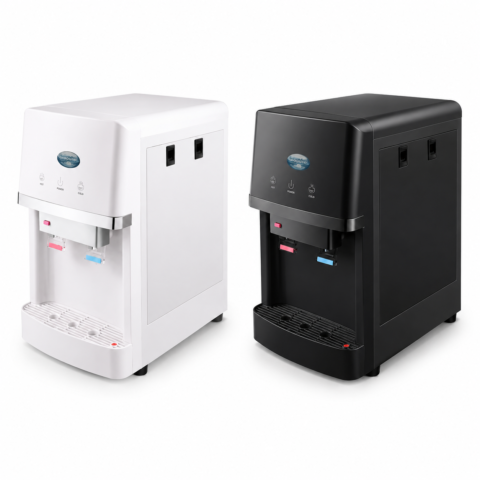
Used where space is limited, such as small offices and shops. It is placed on a counter or a cabinet. To see the model: Countertop Water Dispenser.
This is the most common type in shared areas. The working height is comfortable and it offers a larger tank volume. To see the model: Filtered Water Dispenser.
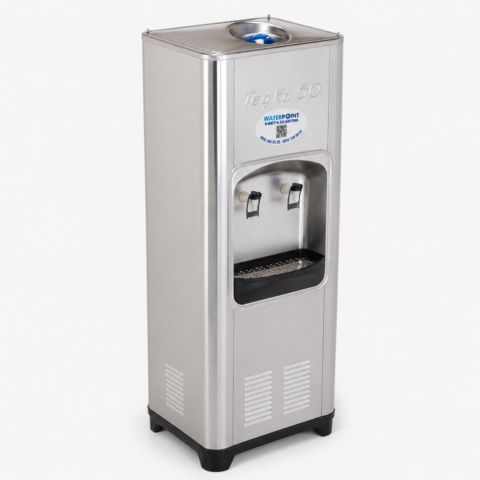
Chosen for heavily used areas thanks to a body that is easy to clean and hard-wearing. A stainless steel body is available on both chilled and industrial models.
Its high cooling capacity stands out in warm environments and under heavy consumption. To see the model: Stainless Chilled Water Dispenser.
Allows use without a glass; common in schools, sports facilities and factory corridors. To see the model: Bubbler Water Dispenser with Treatment.
Designed for high flow rate and durability at facilities with many users. To see the model: industrial stainless water dispenser.
Where the dispenser will stand, door width, worktop space and ventilation clearance matter as much as its size. The values below are the dimensions and weights given on the product pages; leave extra space for the mains connection and rear ventilation.
| Model | Type | Size (L × W × H) | Weight |
|---|---|---|---|
| Countertop Water Dispenser | Countertop | 51 × 35 × 50 cm | 15 kg |
| Filtered Water Dispenser | Floor-standing | 39 × 35 × 110 cm | 16 kg |
| Bubbler Water Dispenser with Treatment | Fountain (bubbler) type | 45 × 45 × 110 cm | 10 kg |
| Stainless Chilled Water Dispenser | Stainless, with cooler | 42 × 60 × 145 cm | 50 kg |
| Industrial Stainless Water Dispenser | Industrial, 250-litre tank | 60 × 81 × 177 cm | 125 kg |
The most common mistake when choosing a dispenser is to look at the daily total and ignore peak demand. In offices water consumption is not spread evenly through the day; it concentrates at break times.
The headings that must be assessed:
A unit chosen with too little capacity delivers lukewarm water and users start to complain; one chosen larger than needed creates an unnecessary initial outlay and unnecessary energy consumption.
Unlike a carboy dispenser, a filtered dispenser is connected to the plumbing. The following conditions must be settled before installation:
Where there is no drain, models without reverse osmosis that use filter stages can be considered. That choice depends on the raw water quality and must be made on the basis of an analysis.
On dispensers the point most often missed is not the treatment but the hygiene of the service point. However well the water is treated, the expected benefit falls if the tap outlet and the drip tray are not kept clean.
In shared areas with water dispensers, naming someone responsible for cleaning is the most effective solution in practice. When no one is named, the job is usually left undone.
Which part of the dispenser is cleaned by whom and how often is explained step by step in our guide Water Dispenser Maintenance: A Routine That Works.
| Component | Function | Approximate Replacement |
|---|---|---|
| Sediment filter | Holds back sediment and particles | Every 6 months |
| Activated carbon | Removes chlorine, odour and taste | Every 6 months |
| Carbon block | Protects the membrane | Every 6 months |
| Reverse osmosis membrane | Separates dissolved substances | Every few years, depending on performance |
| Post-carbon filter | Final taste polish | Once a year |
| Tap and drip tray | Service point hygiene | Regular cleaning |
| Internal tank cleaning | Hot and cold tank maintenance | Scheduled service |
Replacement intervals can shorten with heavier use and with poorer raw water quality. On a busy office unit the filters tire faster than on a lightly used one. At Water Point, filters, membranes, valves, pumps and tanks are covered as spare parts and consumables.
In a business, filtered dispensers deliver not only a water supply but also a simplification of operations. Tasks such as ordering carboys, tracking deliveries, managing stock and returning empty containers disappear.
In return a new responsibility appears: keeping track of filter replacement. In practice the most common problem is not a unit fault but a forgotten filter change. To prevent this:
At facilities with many users, placing units at several points instead of one large unit both spreads the load and keeps the whole site from being left without water when one unit fails.
The first thing users judge a dispenser by is the taste of the water. Three factors decide the taste, and all three can be managed.
When a taste complaint comes in, the first place to check is the post-carbon stage; this filter gives the water its final taste polish, and when it reaches the end of its life the effect is felt at once.
At businesses spread over several floors or a large area, placing units at more than one point usually gives a better result than a single large unit.
Once these seven headings are clear, the right capacity is chosen and nothing is paid for features that are not needed. The peak moment and the drain situation in particular must be settled before a quote is issued.
Both treat mains water, but they are used differently, and the right choice depends on what the setting needs.
An under-sink unit hides inside the kitchen cabinet, is used with a separate filter tap and delivers water at room temperature. It takes up no visible space and costs less. In return it does not serve hot or cold water; heating or chilling the water is left to the user.
A filtered dispenser, on the other hand, brings treatment together with hot and cold water service at a single point. It gives a clear advantage in shared areas, in settings with many users and where tea and coffee consumption is heavy. It takes up floor space and costs more.
The practical distinction is this: for a home or a small office that has a kitchen and heats its own water, an under-sink unit is enough. Where a shared area needs quick service and there are many users, a filtered dispenser is the right choice. Some businesses use both: an under-sink unit in the kitchen and a dispenser in the shared area.
On a newly installed dispenser, or one whose filters have just been changed, the first water produced is not used. Carbon dust from the cartridges and manufacturing residues are carried away with it.
Noting the filter replacement date on the unit during commissioning is the simplest and most effective way to keep the next service from being forgotten.
Consumption concentrates at break times and fluctuates through the day. Demand for hot water is high because of tea and coffee. Positioning floor by floor prevents a build-up at a single point. Appearance and quiet running are the criteria that stand out in these settings.
The number of users is high and demand rises sharply at shift changes. Cold water consumption dominates, especially in hot production areas. Stainless steel body or bubbler models are preferred for their durability and ease of cleaning.
High demand builds in a very short time at break periods. Bubbler models are common because they allow use without a glass. Hot water safety must be assessed with particular care in these settings; a child lock, or switching the hot water function off, can be considered.
Use is relatively light, but the unit stands where the customer can see it. Appearance, quiet running and cleanliness come to the fore. Countertop or compact freestanding models are usually enough.
Hygiene monitoring and a regular maintenance record become important. Planned cleaning of the service point and keeping filter replacement records must be made standard practice in these settings.
What decides the life of a filtered dispenser is not so much the quality of the body as the discipline of maintenance. A unit whose filters are changed on time, which runs in a suitable position and is cleaned regularly serves for many years without trouble.
The main factors that shorten its life are these:
When these headings are taken into account at the installation stage, the unit runs steadily for far longer than expected. After installation the only deciding factor is the maintenance schedule.
Because filtered dispensers run continuously, their energy consumption is uninterrupted. Small adjustments can cut this consumption noticeably.
These measures lower the running cost without giving up any performance. At businesses with several units in particular, the total effect is noticeable.
A business can meet its dispenser requirement through two different commercial models, and the right choice depends on how long the unit will be used and on the preferred maintenance arrangement. With a purchase, ownership of the unit passes to the business; the initial outlay is high, but over the long run the total cost usually stays lower. Maintenance and filter tracking are the responsibility of the business, which can work with whichever service provider it wishes.
With the rental model the initial outlay is low or nil; maintenance and filter replacement are mostly carried out under the contract. It offers a practical solution on short-term projects, on construction sites and in organisations where the number of units changes often. When deciding, the length of use, who will carry the maintenance load and whether the number of units will change over time must be assessed together.
The cost of a filtered dispenser is made up of three items: the price of the unit, consumables and energy.
When making the comparison, the carboy side must be counted not only as the price of the carboy; the items that do not show up, such as handling, storage space, order tracking and empty-container management, must be taken into account as well. With a filtered dispenser these items disappear and filter discipline takes their place.
On dispensers used in shared areas, hot water calls for care, especially where children are present. The following must be assessed when the unit is chosen and positioned:
Bubbler (drinking fountain) dispensers let people drink directly without using a glass. They are common in places such as schools, sports facilities, factory corridors and parks.
Their advantages are that glass use and the waste that goes with it disappear, and that use is quick. The point to watch is the hygiene of the bubbler nozzle; the nozzle must be cleaned regularly and the water jet must be set so that it does not touch the nozzle directly.
In office settings where people prefer to use a glass, models with a standard tap suit better. Some models carry both options together.
In heavily used shared areas the body material matters for hygiene and durability as much as for the look of the unit.
While standard-body models are enough in lightly used small offices, in busy places such as factories and schools a stainless steel body can be more economical over the long run. For a model with cooling as standard, see the stainless steel water cooler with treatment.
Water Point provides technical support covering installation, commissioning, scheduled filter replacement, tank cleaning and fault response. For industrial systems there is a service network across Türkiye; for domestic units service is provided in İstanbul and the surrounding provinces (such as Kocaeli and Tekirdağ). The service charge is set according to the work and the materials; nothing is charged without the customer's approval.

Filtered water dispenser prices vary with the body material, the cooling and heating capacity, the treatment stages and the type of use. The prices below are the current list prices on the relevant product pages. Depending on how heavily they are used, the bodies range from countertop models to chilled water dispensers and industrial water dispensers; on heavily used lines, industrial-type water dispenser bodies are preferred.
| Product | Price | Description |
|---|---|---|
| Countertop Water Dispenser | 36,763.80 TL | A countertop filtered dispenser for small offices and shops with limited space. |
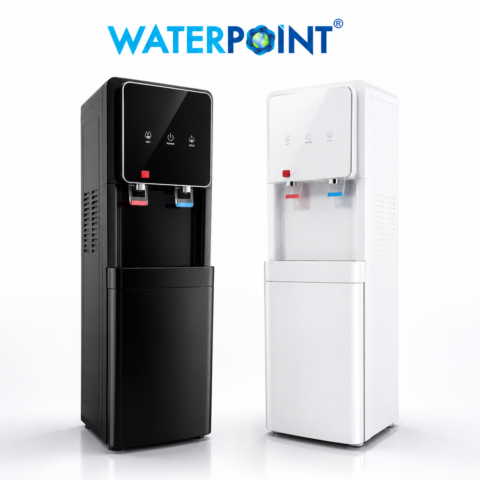
| Filtered Water Dispenser | 44,116.56 TL | The standard freestanding model that supplies hot and cold water in shared areas. |
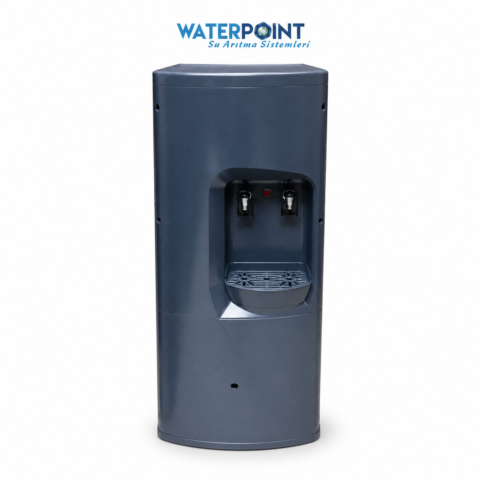
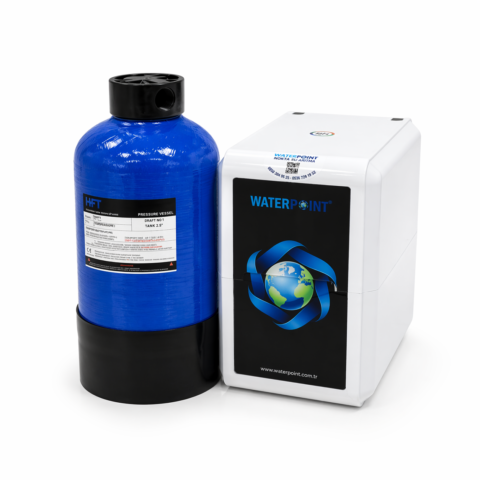
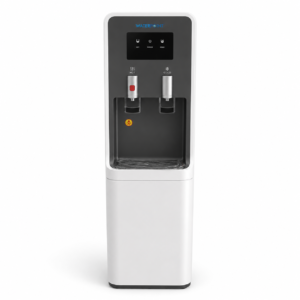
| WaterPoint Treating Dispenser | 63,723.92 TL | A model designed for office use that brings the treatment unit and the dispenser together. |
| Water Point Tegra Water Dispenser | 63,723.92 TL | A Tegra series filtered water dispenser. |
| Bubbler Water Dispenser with Treatment | 78,429.44 TL | A drinking fountain type model for use without a glass; suitable for schools and sports facilities. |
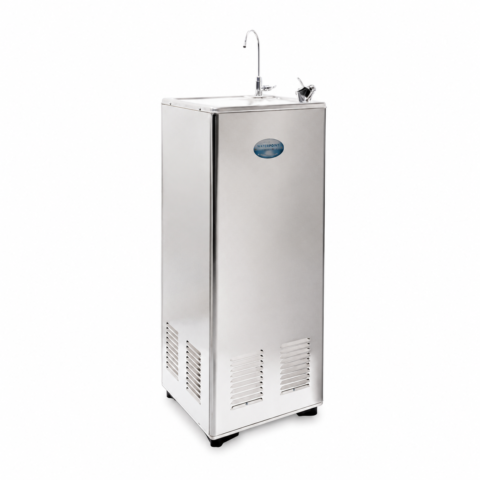
| Stainless Chilled Water Dispenser | 78,429.44 TL | A heavy-use model with high cooling capacity and a stainless steel body. |
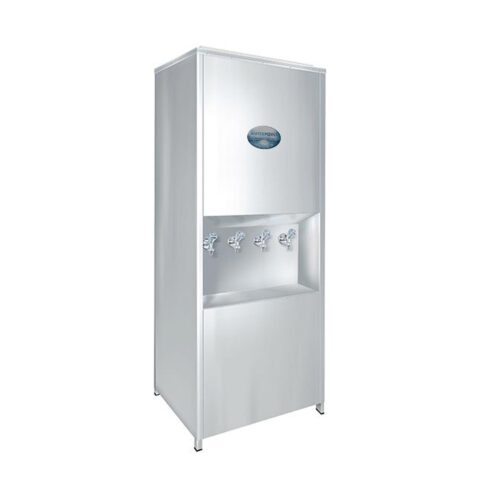
| Industrial Stainless Water Dispenser | 220,582.80 TL | A high-capacity industrial-type dispenser for facilities with many users. |
Prices are for the standard configuration; they vary with capacity and body type. The right model is chosen by assessing the number of users and the peak moment together.
For the model that suits your business and a firm price, you can reach us on 0850 304 95 25 or at [email protected].
Let's work out the right system together
The site survey is free if the unit is purchased from us; if only a survey and measurement are wanted, a survey fee of 2,000 TL applies. Capacity and treatment stages are set according to the measurement results.
0850 304 95 25Ask on WhatsAppSend an e-mailOrder tracking, carrying, storage and empty-container management all disappear; while the mains supply is on there is no interruption, and no packaging waste is produced. In return it requires a water connection and a drain, and filter replacement must be tracked regularly.
Sediment and carbon filters are usually replaced every six months and the post-carbon filter once a year. The reverse osmosis membrane is renewed every few years depending on performance. Heavy use and raw water quality can shorten these intervals.
Yes. There are separate heating and cooling tanks inside the unit. Because the tank takes time to reheat and chill again between servings drawn one after another, the choice of capacity is decisive under heavy use.
A cold water line nearby, an earthed socket and, on models with reverse osmosis, a suitable drain for the wastewater. A gap must be left behind the unit for heat dissipation, and access clearance must be planned for filter replacement.
The peak moment matters as much as the number of users. How many servings will be drawn one after another at break times sets the heating and cooling capacity. Ambient temperature and hot water habits must be taken into account as well.
The tap outlet and the drip tray must be cleaned regularly, and the internal tanks must be serviced during scheduled maintenance. On units that have not been used for a long time, some of the first water should be run off. In shared areas, naming someone responsible for cleaning is the most effective solution.
A stainless steel surface does not hold marks, cleans easily and stands up better to knocks. In factories, schools and busy thoroughfares it can be more economical over the long run. In lightly used small offices a standard body is enough.
Units carry a 2-year warranty; misuse is outside the cover. Consumables such as filters, membranes and resin are outside the cover.
Largely, yes. In British English the office unit is often simply called a water cooler. A mains-fed (bottleless) model is connected to the water supply, treats the water through its filter stages and serves it cold, and on many models hot as well; a bottled unit takes a carboy instead and has no treatment stage of its own.
Questions? Talk to our specialist directly.
WaterAI