
Free Shipping
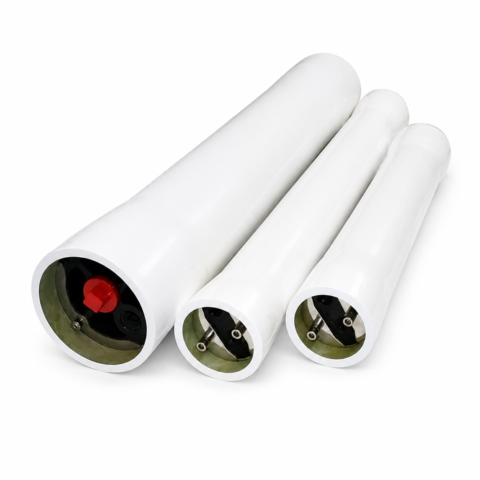
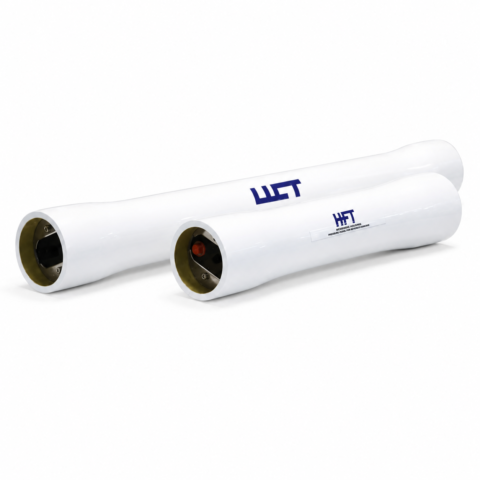
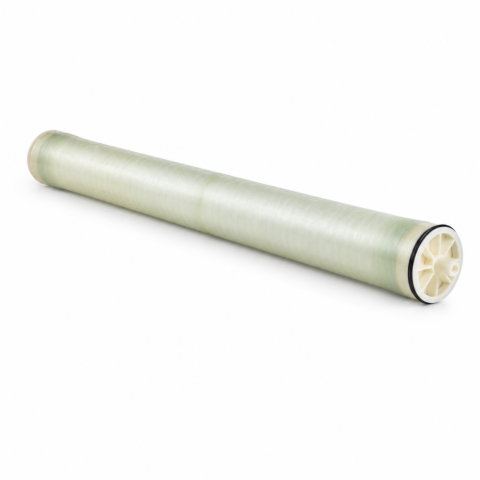
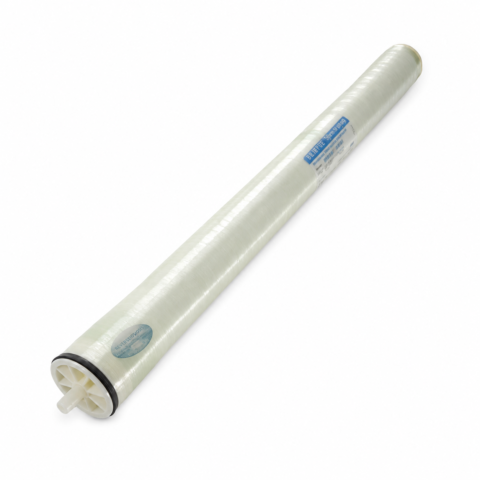
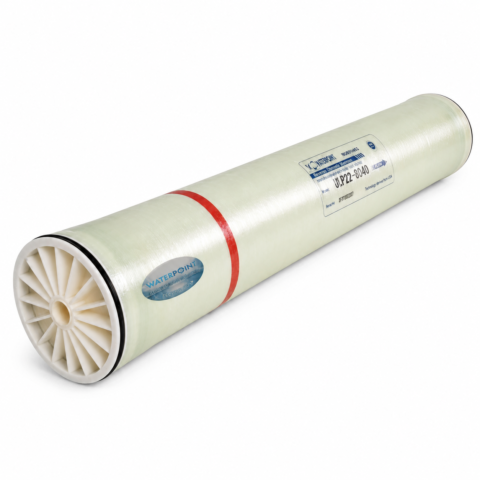
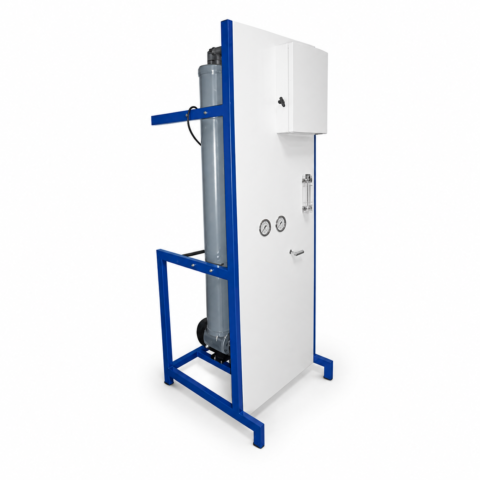
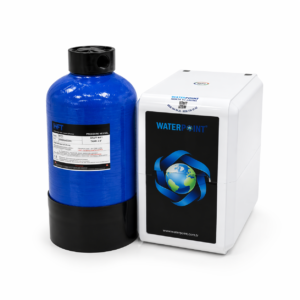
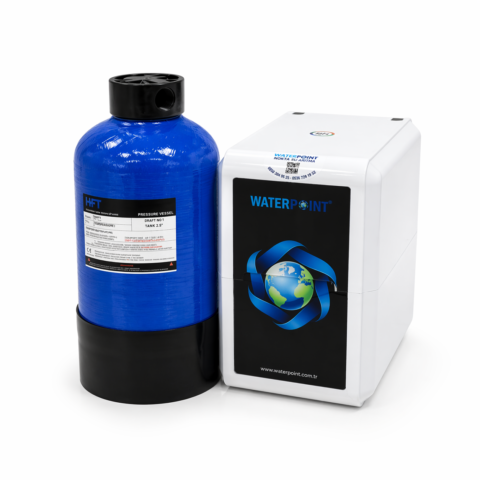
Seawater Treatment Membrane Housing
Durable Composite
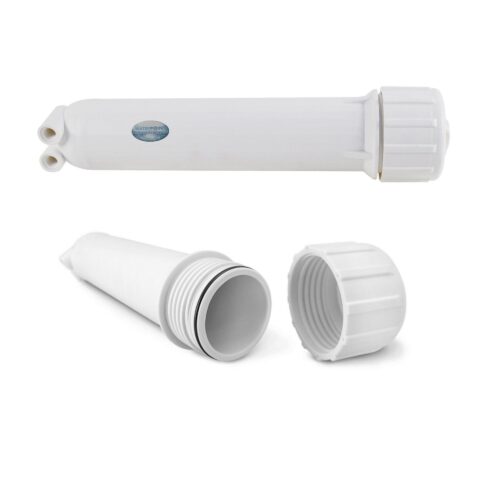
Membrane Vessel (Housing)
₺49,018.40
VAT included
Your cart is empty.
Browse productsCategories
Solutions
Process water, line feed and sizing by flow rate.
Systems and units Industrial Water Treatment Read the guideTreatment that stops limescale and corrosion before they reach the boiler.
Systems and units Water Softeners Read the guidePure water of low conductivity and repeatable quality.
Systems and units Pure Water Systems Read the guideRemoving the salts and sediment that clog drip lines.
Systems and units Well Water Treatment Read the guideThe right hardness for equipment life and drink flavour.
Systems and units Filtered Water Dispensers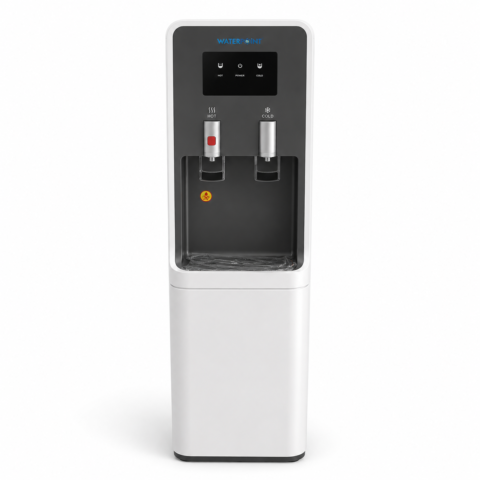 Water Point Filtered Water Dispenser
₺63,723.92
Water Point Filtered Water Dispenser
₺63,723.92
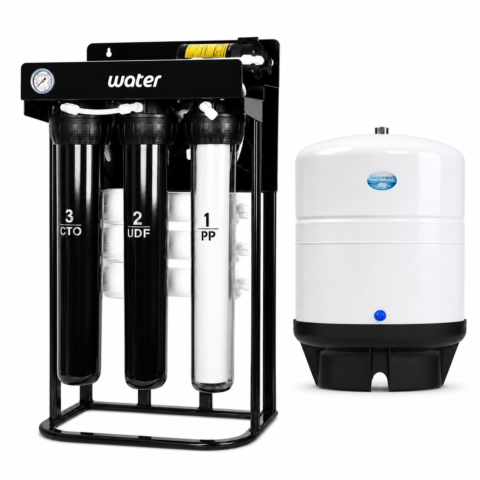 Restaurant Water Purifier, 500 GPD with 40 Litre Tank
₺49,018.40
Restaurant Water Purifier, 500 GPD with 40 Litre Tank
₺49,018.40
A main line that filters the water entering your plumbing at a single point.
Systems and units Whole House & Building Inlet Systems Read the guideA staged system for iron, manganese and turbidity.
Systems and units Well Water Treatment Read the guideLow-conductivity rinse water for spot-free drying.
Systems and units Reverse Osmosis Systems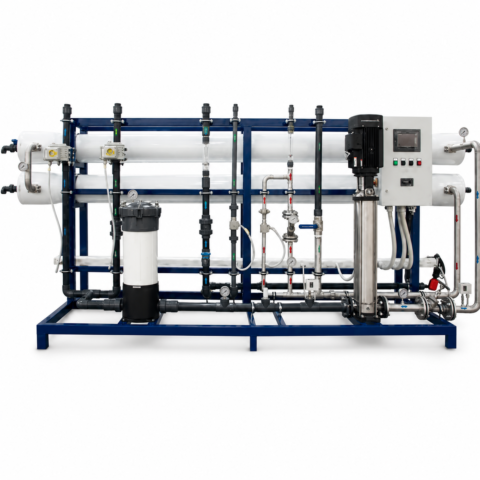 95 Tonne Reverse Osmosis System
₺980,368.00
95 Tonne Reverse Osmosis System
₺980,368.00
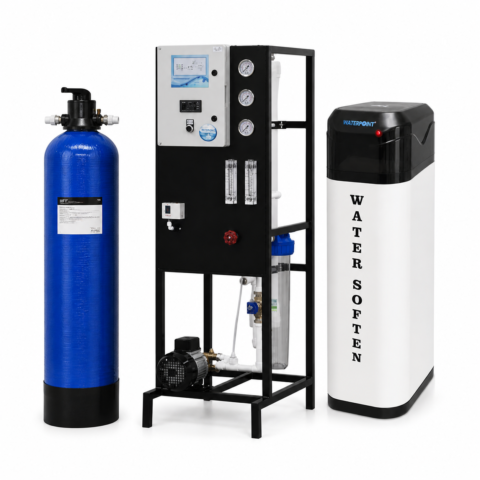 Industrial Deionised Pure Water Unit, 250 L/h
₺220,582.80
Industrial Deionised Pure Water Unit, 250 L/h
₺220,582.80
The problems hard water causes in hair and skin care.
Systems and units Water Softeners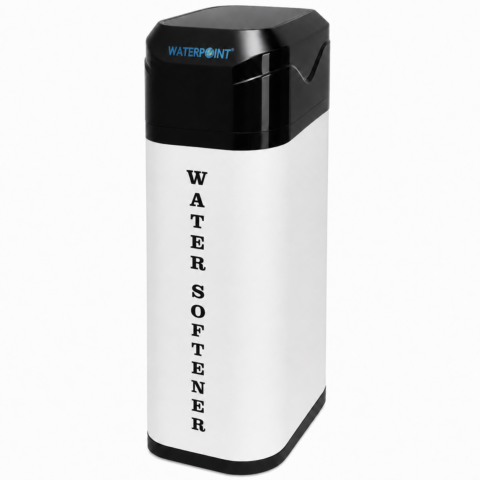 Maxi Cabinet Water Softener, 5 Tonnes/Day
Original price was: ₺49,018.40.₺34,312.88Current price is: ₺34,312.88.
Maxi Cabinet Water Softener, 5 Tonnes/Day
Original price was: ₺49,018.40.₺34,312.88Current price is: ₺34,312.88.
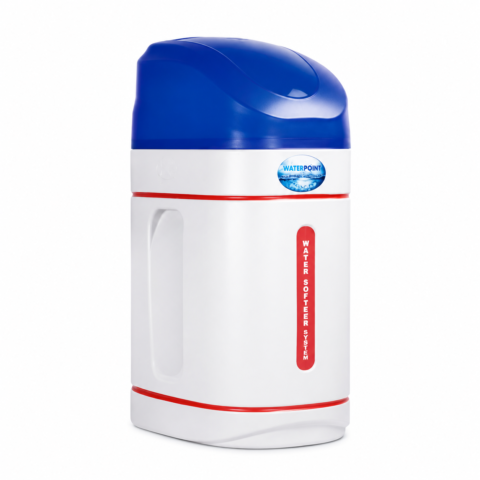 Mini Cabinet Water Softener, 2 Tonnes/Day
₺44,116.56
Mini Cabinet Water Softener, 2 Tonnes/Day
₺44,116.56
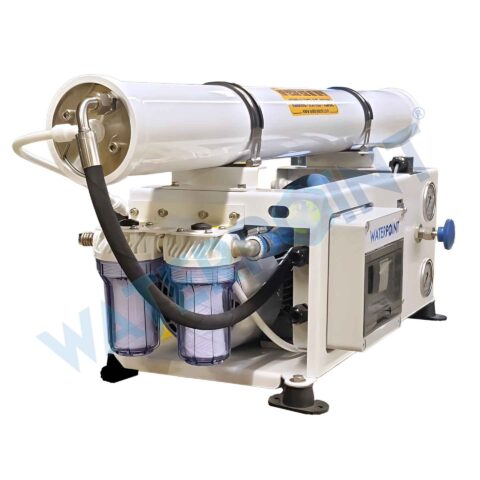
Drinking water from seawater with high-pressure reverse osmosis.
Systems and units Reverse Osmosis Systems Read the guideCompany
Product Category
The membrane is the working heart of a reverse osmosis system. Under pressure its semi-permeable surface lets water molecules through while leaving most of the dissolved salts on the feed side. Filters hold back what is suspended in the water; the membrane separates what is dissolved. Four figures d…
Filter
The daily treatment capacity stated by the manufacturer.
The membrane is the working heart of a reverse osmosis system. Under pressure its semi-permeable surface lets water molecules through while leaving most of the dissolved salts on the feed side. Filters hold back what is suspended in the water; the membrane separates what is dissolved. Four figures decide the choice of membrane: salt rejection rate, operating pressure, recovery rate and size. For the protective stages ahead of the membrane see our Water Filters category, and for the valves that run the system our Control Valves category. Membrane and housing prices vary with membrane size, manufacturer and pressure class; the current list is in the price table below.
In natural osmosis water moves from the side with the lower salt concentration to the side with the higher one. In reverse osmosis that flow is reversed by pressure applied from outside: water is driven from the high-salt side through the semi-permeable film and taken off on the clean side. The salts that cannot pass through the film are carried away on the concentrate (drain) line.
This operating principle brings two consequences with it. First, sufficient feed pressure is essential for the system to work; if pressure is too low the membrane produces no water. Second, for every litre of clean water produced a certain amount of wastewater is formed; this is not a fault but a requirement of the principle. The wastewater protects the membrane by preventing salt from building up on its surface.
This states how much of the dissolved salt the membrane holds back. A higher rejection rate means a lower TDS at the outlet. It is the deciding figure in applications such as laboratories, steam boilers and precision manufacturing.
Membranes are made in low-pressure (LP/ULP) and standard-pressure classes. Low-pressure membranes run on less pump energy and are preferred on low-salinity sources such as mains water. Seawater membranes are designed for far higher pressure; they cannot be swapped with a mains-water membrane.
This shows how much of the water entering the feed is taken off as clean water. Raising recovery reduces wastewater but increases the risk of salt and limescale building up on the membrane surface. On industrial lines this risk is managed with antiscalant dosing.
Membranes are made in standard sizes: 1812 for domestic use, 4040 (4 inch) for commercial use and 8040 (8 inch) for industry. Capacity is scaled through the number of membranes and the pressure vessel arrangement.
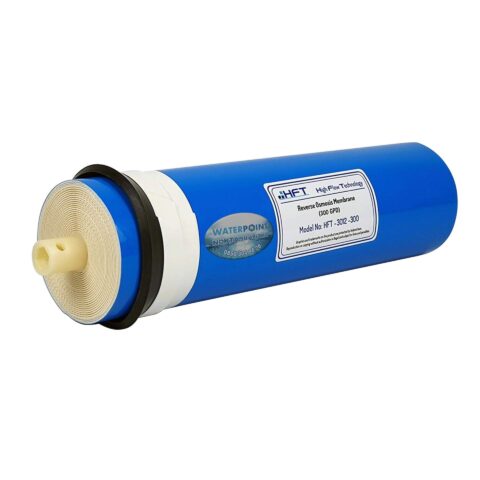
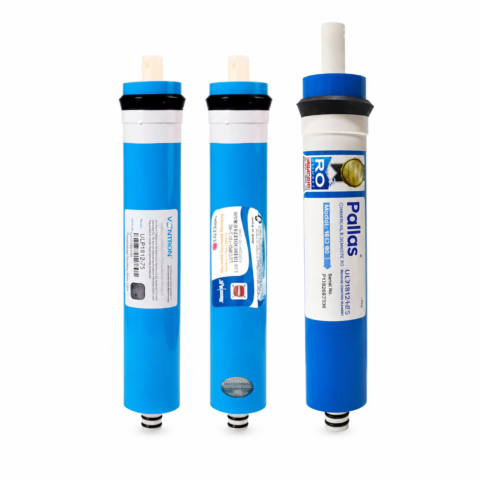
This is the standard for under-sink units: 1.8 inch diameter, 12 inch length. Daily production capacity is stated in gallons (GPD). The higher the capacity, the shorter the tank fill time of the unit.
The membranes used in under-sink systems and the pressure vessel the membrane sits in:
| Product | Price |
|---|---|
| 1812 RO Membrane Filter | 1,225.46 TL |
| 300 GPD Membrane | 2,941.10 TL |
| Membrane Housing | 980.37 TL |
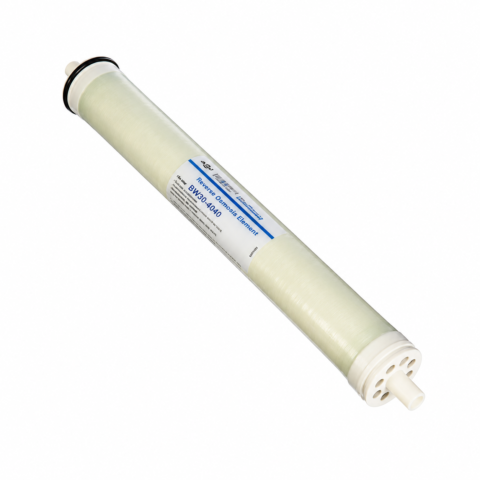
Used for small and medium-sized businesses, laboratories and commercial kitchens. They are fitted into a pressure vessel singly or in series.
| Product | Price | Note |
|---|---|---|
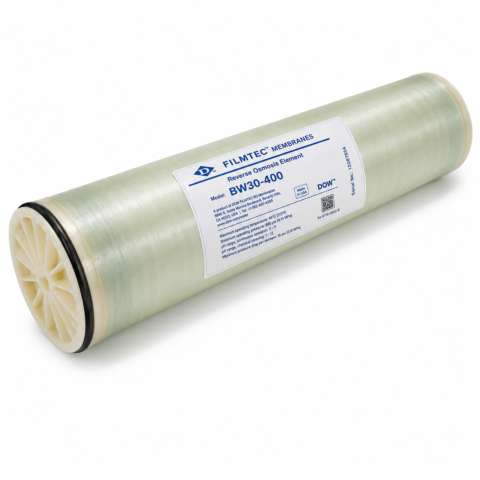
| FilmTec 4″ Membrane (BW30-4040) — mains water type | 49,018.40 TL | For applications that need a high salt rejection rate |
| ULP21 4040 Membrane | 11,764.42 TL | Low-pressure class; gives an energy advantage on low-salinity sources |
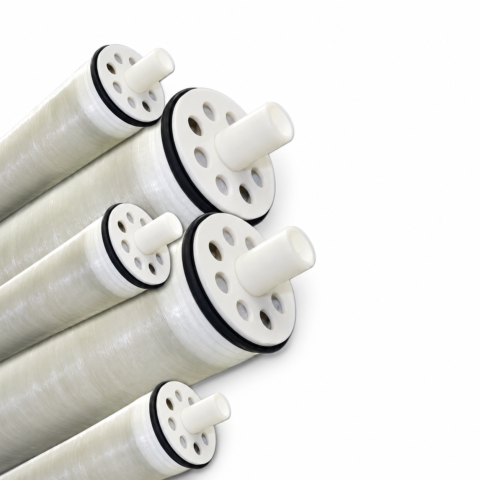
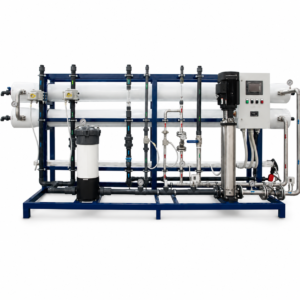
This is the standard for industrial reverse osmosis lines. The required capacity is reached by arranging membranes in series and in parallel inside pressure vessels; capacity is increased through the number of membranes.
The pressure vessel the membranes go into is chosen separately: RO 8″ Membrane Vessel — 5-element 80,880.36 TL. A five-element vessel carries five membranes connected in series and delivers high capacity on a single line.
Seawater is many times more saline than mains water. Seawater membranes are therefore designed both for a higher salt rejection rate and for far greater pressure resistance. A mains-water membrane cannot be used on seawater; it is damaged in a short time.
| Product | Price |
|---|---|
| FilmTec SW30-2521 | 36,763.80 TL |
| FilmTec SW30-2540 | 41,665.64 TL |
| Seawater Treatment Membrane Housing | 49,018.40 TL |
| Class | Size | Typical application | Price range |
|---|---|---|---|
| Domestic | 1812 | Under-sink unit | 1,185.76 – 2,941.10 TL |
| Commercial | 4040 (4″) | Business, laboratory | 11,383.32 – 49,018.40 TL |
| Industrial | 8040 (8″) | Production line | 42,687.45 – 88,233.12 TL |
| Seawater | 2521 / 2540 | High salinity | 35,572.88 – 41,665.64 TL |
Membranes do not work on their own; they are fitted inside a vessel built to take pressure. In a domestic unit this vessel carries a single membrane. On industrial lines several membranes are arranged in series inside one vessel; the concentrate of the first membrane becomes the feed of the second, and so on.
There are two ways to increase capacity. Series arrangement raises the recovery rate because the water passes through more than one membrane along the same line; the last membranes, however, work with a higher salt concentration and are stressed more. Parallel arrangement increases total output and keeps the load per membrane balanced.
In practice industrial systems use the two together: several vessels are connected in parallel, and inside each vessel the membranes are arranged in series. RO 8″ Membrane Vessel — 5-element is a typical example of this logic; five membranes work in series in a single vessel.
The membrane sits in the middle of the system and every stage ahead of it is there to protect it. When that order is broken, the most expensive part — the membrane — is damaged.
| Sequence | Stage | Function |
|---|---|---|
| 1 | Sediment filter | Holds back sand, sediment and rust; protects the membrane surface |
| 2 | CTO carbon filter | Holds back chlorine; prevents wear on the membrane surface |
| 3 | Booster pump | Supplies the pressure the membrane needs in order to work |
| 4 | Reverse osmosis membrane | Separates the dissolved salts |
| 5 | Pressure tank | Stores the water produced |
| 6 | Post-carbon / mineral | Final taste correction and mineral addition |
In this chain the filter stages, booster pump and pressure tank must be considered together with the membrane. On industrial lines a stage of pre-softening is also added to reduce the limescale load on the membrane.
On an industrial reverse osmosis line the number of membranes is set by calculation, not by guesswork. Three inputs decide it: the target daily output, the feed water analysis and the target recovery rate.
As the salinity of the feed water rises, the pressure and the number of membranes needed for the same output rise with it. In the same way, as the recovery target rises the concentration on the concentrate side increases and the risk of precipitation grows; at that point antiscalant dosing and pre-softening come into play.
When more capacity is needed, the first reflex should not be to look for a bigger membrane. 8040 is already the industrial standard; growth is achieved by increasing the number of membranes and vessels of the same class. This approach makes spare part supply easier and also prevents the whole system from stopping when one membrane fails.
When an industrial membrane loses performance it is not replaced straight away; cleaning is tried first. In this operation, known as chemical cleaning, the deposit on the membrane surface is dissolved with suitable solutions and flushed out of the system.
The decision to clean is made by measurement. A drop in output under the same feed conditions, a rise in the pressure differential or a decline in outlet quality all point to the need for cleaning. The type of deposit also decides the cleaning chemical: acidic solutions are used for limescale and mineral precipitation, alkaline solutions for organic and biological fouling.
| Line chemical | Price |
|---|---|
| Liquid Caustic Soda | 6,372.39 TL |
| Liquid Chlorine | 4,901.84 TL |
These chemicals are applied at the correct dose and in a controlled manner.
Cleaning is not applied to domestic 1812 membranes; membranes of this size are treated as consumables and replaced when their life is over. Cleaning makes sense in the 4040 and 8040 classes, where the membrane cost is high.
The choice of membrane depends far more on the characteristics of the feed water than on the brand of the unit. The same membrane can run for years without trouble in one building, while the same model tires quickly a few kilometres away. What makes the difference is the water itself.
These are the basic values to look at before choosing:
A membrane choice made without knowing these values rests on guesswork. Industrial applications call for a laboratory analysis, while for domestic and small commercial use the trio of TDS, hardness and pH is usually enough to point in the right direction.
| Symptom | Likely cause | First check |
|---|---|---|
| The unit produces no water at all | Feed pressure insufficient or the pump is not running | Pump and inlet valve |
| Production is very slow | Pre-filters blocked or pressure low | Sediment and carbon cartridges |
| Outlet TDS has risen | Membrane worn out or the end O-ring is leaking | O-ring, then the membrane |
| Wastewater runs continuously | Auto shut-off valve or control component | Valve and flow control |
| A new membrane failed quickly | No chlorine protection or the pre-stage was not replaced | Condition of the carbon filter |
| Tank is full but the flow is weak | Tank pre-charge pressure has dropped | Pressure tank air charge |
This category lists membranes and membrane vessels. When you send us the values of your feed water and your target output, we can decide the right class together.
All three methods improve the water but they solve different problems; they are not substitutes for one another.
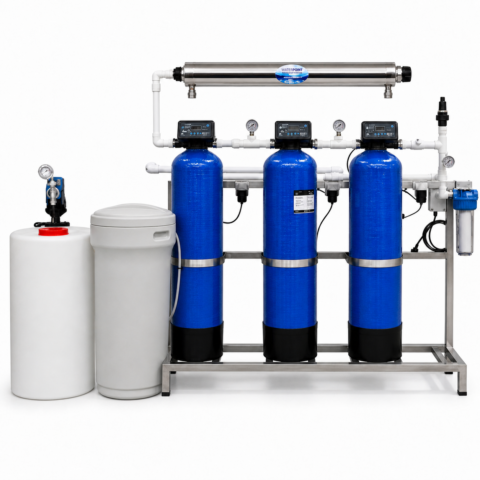
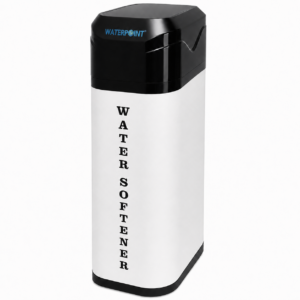
The reverse osmosis membrane separates the dissolved salts and lowers the TDS value. It is used for drinking water quality, pure water production and process water preparation. Water softening, by contrast, removes only calcium and magnesium — that is, hardness — through ion exchange; it does not lower the TDS value. This is the answer to a limescale problem, and it protects the membrane at the same time. UV (ultraviolet) treatment is a stage aimed at reducing microbiological risk; it does not change the chemical content of the water and removes neither salt nor hardness.
In practice these three are most often designed to work together: softening ahead of the membrane reduces the limescale load, the membrane separates the dissolved salts, and the UV stage is placed at the final step when it is needed. What decides which combination is required is the water analysis and the intended use.
Protected properly, a membrane runs for years; under the wrong conditions it is finished in a few months. Four factors set its life, and all four have to do with the rest of the system.
| Damaging factor | Result | Part that prevents it |
|---|---|---|
| Chlorine | Permanent damage to the surface | CTO / GAC carbon filter |
| Suspended sediment | Drop in permeability | Sediment filter |
| Limescale precipitation | Loss of capacity and rejection | Antiscalant, pre-softening |
| Drying out | Permanent loss of capacity | Wet storage |
| Insufficient pressure | No production, or production very low | Booster pump |
Membrane replacement is a decision to be made by measurement, not by the calendar. Typical life on mains water is 2–3 years, but feed quality changes that period noticeably.
The most reliable indicator is the TDS value of the outlet water. Note the value you measure while the unit is new; that is your reference point. If the outlet TDS rises noticeably over time, the membrane is worn out. With a TDS Meter at 1,225.46 TL you can keep track of this yourself.
A drop in flow does not on its own point to the membrane. The pre-filters, the pressure tank charge and the pump must be checked first. When a membrane is worn out it is usually not the flow but the water quality that deteriorates.
Reverse osmosis systems produce wastewater as a requirement of how they work. This water protects the membrane by sweeping away the salts that collect on its surface. Reducing the wastewater ratio to zero is not possible; the aim is to keep the ratio at a reasonable level without harming the health of the system.
Three things decide recovery: the salinity of the feed water, the operating pressure and the class of the membrane. As salinity rises, the reasonable recovery rate falls. On industrial lines, pre-softening and antiscalant dosing are used together to raise recovery; part of the wastewater can be put back to use in suitable processes.
On domestic units, rather than trying to change the wastewater ratio directly, it is better to focus on keeping the membrane and the pre-stages healthy. A blocked pre-filter has a negative effect on the wastewater ratio as well.
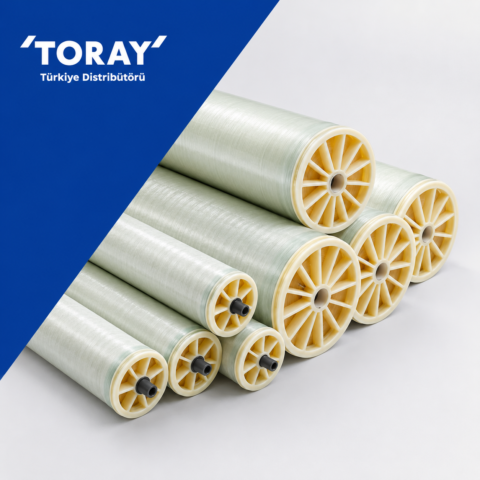
At Water Point we work with FilmTec, Toray, LG, STAR, TechFlow and Vontron products on the membrane side. What decides the brand is not prestige but the fit with the class the system was designed for.
With standard-sized consumables such as filter cartridges, the use of equivalents is common and usually causes no trouble. With membranes the situation is different: salt rejection rate, pressure resistance and permeability values change from model to model. Going outside the class the system was calculated for may look cheap in the short term, but it comes back as lower output, higher energy consumption and early failure.
The prices below are the current values on the product pages and include VAT.
| Model | Size | Class | Price |
|---|---|---|---|
| 1812 RO Membrane Filter | 1812 | Domestic | 1,225.46 TL |
| 300 GPD Membrane | 1812 | Domestic, high capacity | 2,941.10 TL |
| RO Membrane Housing | 1812 | Pressure vessel | 980.37 TL |
| ULP21 4040 | 4040 | Commercial, low pressure | 11,764.42 TL |
| FilmTec BW30-4040 | 4040 | Commercial | 49,018.40 TL |
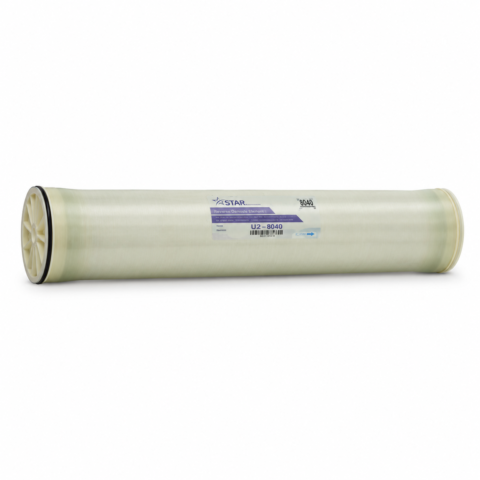
| STAR LP8040 | 8040 | Industrial, low pressure | 44,116.56 TL |
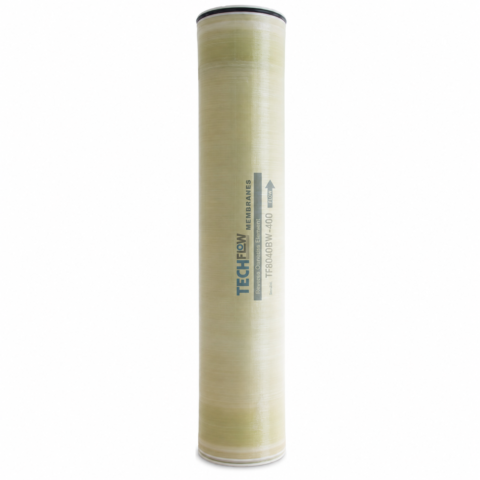
| TechFlow 8040 LP-400 | 8040 | Industrial, low pressure | 44,116.56 TL |
| Vontron ULP22-8040 | 8040 | Industrial, low pressure | 44,116.56 TL |
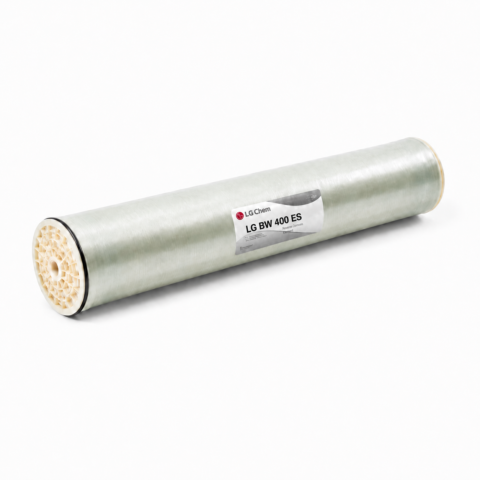
| LG BW 400 ES | 8040 | Industrial | 73,527.60 TL |
| Toray TM720D-400 | 8040 | Industrial | 78,429.44 TL |
| FilmTec BW30 PRO-400 | 8040 | Industrial | 88,233.12 TL |
| RO 8″ Membrane Vessel | 8040 | 5-element pressure vessel | 80,880.36 TL |
| FilmTec SW30-2521 | 2521 | Seawater | 36,763.80 TL |
| FilmTec SW30-2540 | 2540 | Seawater | 41,665.64 TL |
| Seawater Membrane Housing | — | Seawater vessel | 49,018.40 TL |
Address: Mehterçeşme Mah. 1919 Sk. No: 54/B Esenyurt / İstanbul.
Cannot find the spare part you are looking for?
Send us the brand and model of your unit and we will decide the right filter, membrane, valve or resin together. If the unit is purchased from us the site survey is free; if only a survey and measurement is requested, a site survey fee of 2,000 TL applies.
0850 304 95 25WhatsApp[email protected]Typical life on mains water is 2-3 years, but the decision must be made by measurement, not by the calendar. Note the TDS value of the outlet water while the unit is new; if that value rises noticeably over time, the membrane is worn out. A drop in flow does not on its own point to the membrane, so check the pre-filters and the tank pressure first.
These numbers are the diameter and the length of the membrane. 1812 means roughly 1.8 inch diameter and 12 inch length, and it is the standard for under-sink domestic units. 4040 stands for four inch diameter and forty inch length, 8040 for eight inch diameter and forty inch length. 4040 is used in commercial systems, 8040 in industrial ones.
GPD is the daily production capacity in gallons. A higher GPD means faster production, but it is not enough on its own. For the membrane to deliver its expected capacity, the feed pressure must be sufficient. If mains pressure is low, adding a booster pump is the right answer rather than buying a bigger membrane.
No. Reverse osmosis systems produce wastewater as a requirement of how they work. This water protects the membrane by sweeping away the salts that collect on its surface. Removing the wastewater completely is not possible. A blocked pre-filter or insufficient pressure can, however, have a negative effect on the wastewater ratio.
Technically they are different classes and cannot be swapped. Seawater membranes are designed for much higher pressure and salinity. Using a mains-water membrane on seawater causes the membrane to be damaged in a short time. An analysis of the feed water is essential for choosing the right class.
Chlorine does permanent damage to the membrane surface and that damage cannot be reversed. Because the carbon stage holds back chlorine, it must sit ahead of the membrane. When a carbon filter is saturated it starts to release what it has held; this is why replacing the carbon filter on time directly determines membrane life.
A membrane is not a standard consumable like a filter cartridge. Salt rejection rate, pressure resistance and permeability values change from model to model. Going outside the class the system was calculated for comes back as lower output, higher energy consumption and early failure. At Water Point we work with FilmTec, Toray, LG, STAR, TechFlow and Vontron products.
Fitting a new membrane behind old, blocked filters wears the new membrane out fast; the pre-stages must be replaced at the same time. The end O-rings of the membrane must be checked, because a worn O-ring lets clean water mix with the concentrate and raises the outlet TDS. A reference TDS measurement should be taken after the replacement.
Questions? Talk to our specialist directly.
WaterAI