
Factory Water Treatment Systems: Which Solution, and When?
On a production line, the fact that water is not “just water” usually becomes clear when a problem appears: limescale building up fast in the boiler, sediment blocking the membrane, marked products coming off the line, or unexpected equipment failures. That is exactly the point at which the factory water treatment decision comes up; yet in most plants the real difficulty is not “do we need to treat the water?” but “which solution suits my factory?”
Because every factory’s water, type of production and expectation of water quality is different. A textile dye house and a pharmaceutical plant do not have the same water needs; hardness comes first in one, conductivity may be critical in the other. In this guide we take up, step by step, which treatment solution is needed when, according to the water’s problem and the production process, and offer a framework to make the right decision easier.
Why Is Factory Water Treatment So Critical?
Factory water treatment is critical because it directly affects product quality, equipment life and running costs. Untreated raw water, with its limescale, sediment and mineral content, wears out boilers, membranes and production equipment. Correct treatment both standardises quality and reduces unplanned stoppages and lost energy.
In production, water is used at many points, from cooling to cleaning and from process input to steam generation. When the quality of the water is out of specification, the effect is not confined to a single machine; it spreads through the whole line. Limescale coats heat transfer surfaces and raises energy consumption; sediment and suspended solids block valves and nozzles; high conductivity can lead to defective output in sensitive production.
That is why water treatment in a factory is not a cost item but an investment that secures continuity of production and quality. What matters is building not more than you need but the solution the process genuinely requires.
How Is a Factory’s Water Problem Established?
The right solution always starts with a raw water analysis. Without measuring the water’s hardness, conductivity, TDS value, turbidity and parameters such as iron and manganese, there is no knowing which system is needed. That analysis forms the basis of the factory water treatment plan and prevents both unnecessary and inadequate investment.
There are a few basic questions to answer before choosing a system: what is the source of the water (mains, well, surface water)? Which parameters are out of range? What water quality does the production require? What is the daily and hourly flow? The parameters below are the first indicators that show which way the problem lies:
- Hardness (°Fr): The main indicator of limescale and of risk to boilers and equipment.
- Conductivity / TDS: The dissolved mineral load; decisive in sensitive processes.
- Turbidity and suspended solids: The risk of sediment, filter blockage and shortened membrane life.
- Iron and manganese: The source of colour, staining and deposit problems.
- Flow requirement: Determines the capacity and the size of the system.
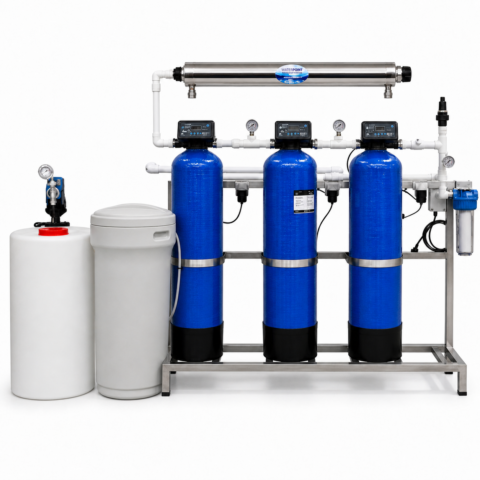
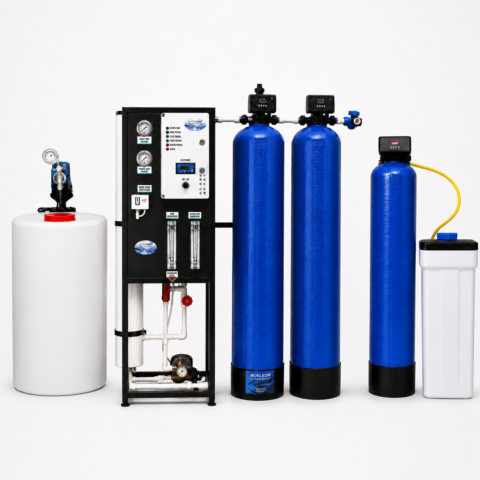
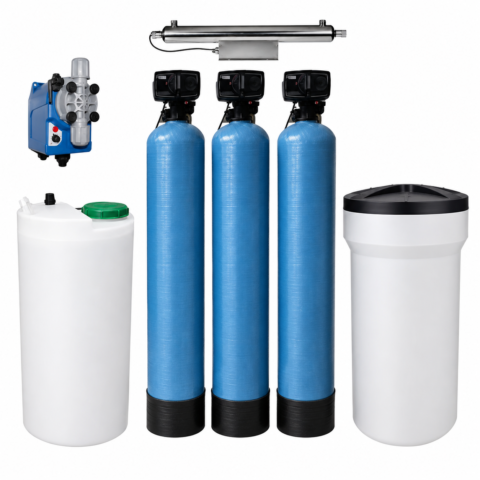
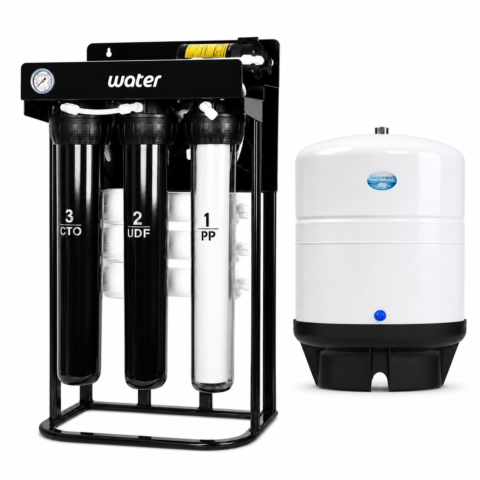
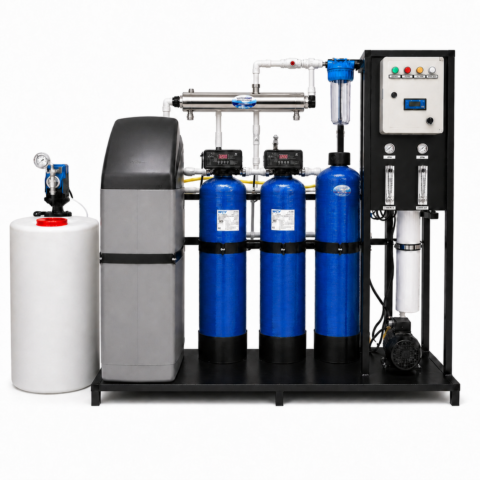
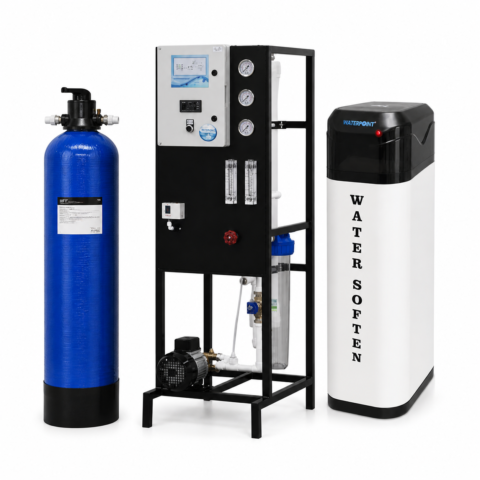
When these data come together, the factory water treatment solution turns out to be not a single unit but, more often than not, a staged build. For comprehensive needs, industrial-scale water treatment solutions can combine different stages in a single system.
When Is Softening Needed for Limescale and Hardness?
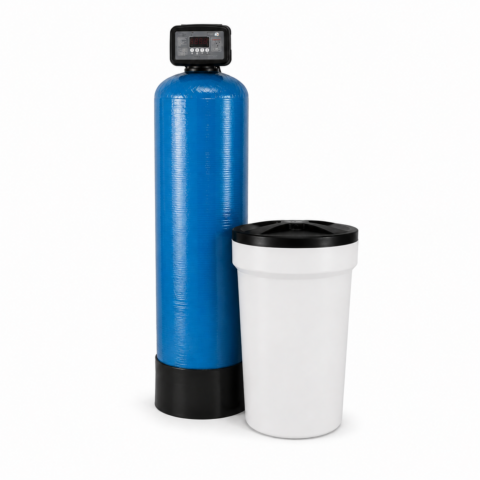
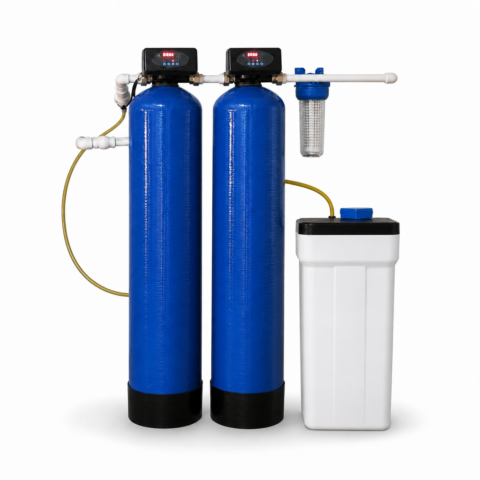
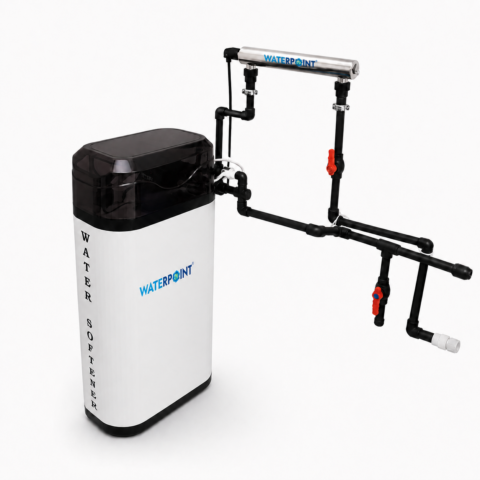
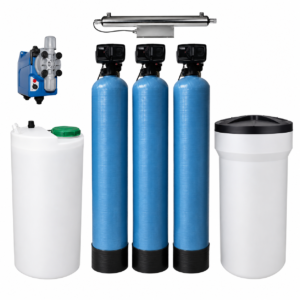
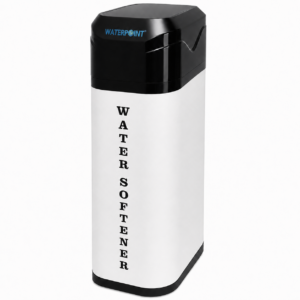
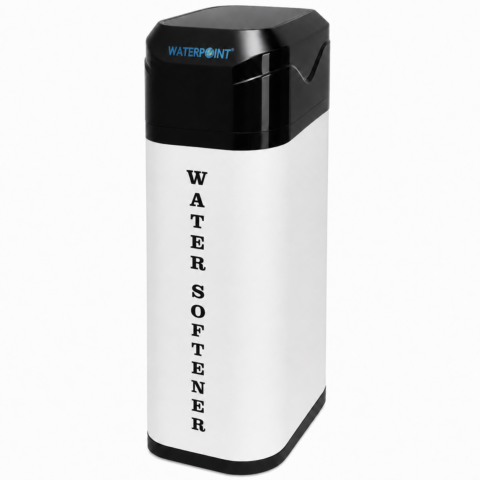
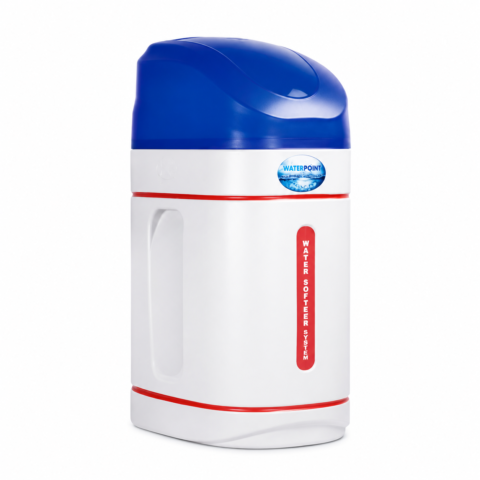
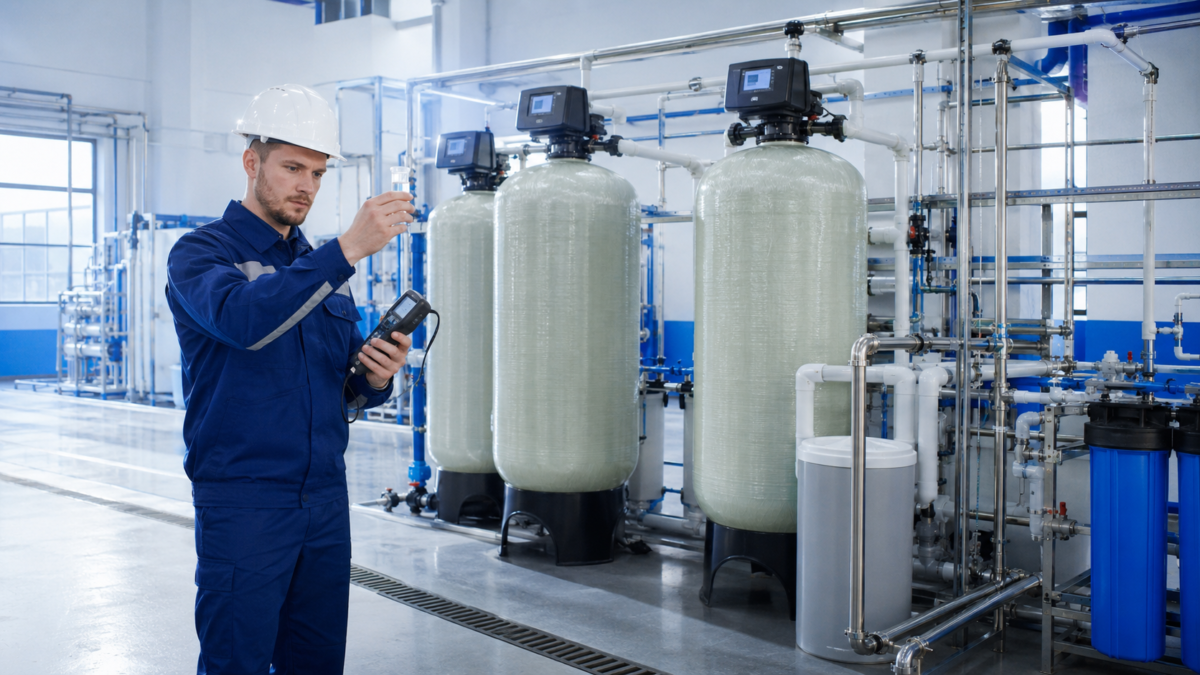
Water softening is needed in factories where hardness is high and where there is a steam boiler, a cooling tower or a heating line. Calcium and magnesium are removed by ion exchange, so limescale does not form. Equipment life is extended, heat efficiency is preserved and maintenance costs fall markedly.
Hardness is among the most common industrial problems and the one with the most expensive consequences. Limescale building up on boiler and heat exchanger surfaces lowers heat transfer, raises energy consumption and leads to unplanned stoppages. For plants generating steam, using a lot of hot water or running a cooling tower, water softening systems are usually the first and most basic stage of the treatment build.
But softening does not solve everything; it targets hardness alone. Where there are problems such as sediment, organic matter or high conductivity, softening on its own is not enough and further stages are needed. An effective factory water treatment build orders those stages so that they complement one another.
Sediment, Turbidity, Iron and Manganese: Where Does Pre-Treatment Come In?
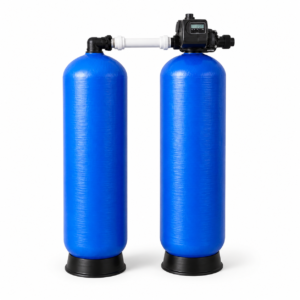
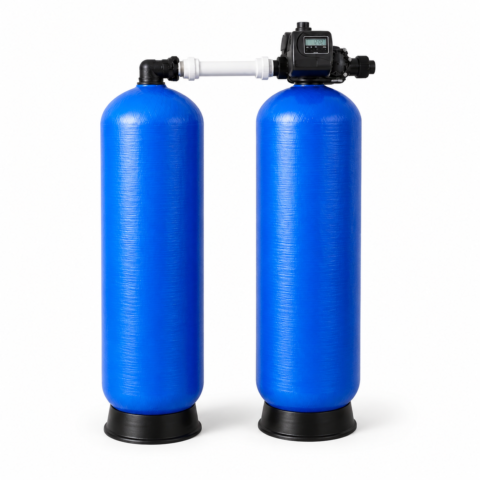
Pre-treatment comes in where the water has problems such as sediment, turbidity, sand, rust or iron and manganese. Sand and gravel filters, activated carbon and special filter beds are used at this stage. Pre-treatment protects the softening and membrane systems behind it and directly raises their life and efficiency.
Iron and manganese are a common problem in factories using well water in particular; they create colour, staining and deposits. On surface water sources, turbidity and suspended solids come to the fore. Pre-treatment holds these contaminants back at the start and protects the sensitive stages. In a factory water treatment line, pre-treatment is the most neglected stage and the one that most determines the result. Reverse osmosis or softening systems installed without a properly built pre-treatment block quickly and lose performance.
Pre-treatment is often an “invisible” stage; but when it is skipped, the most expensive failures come from it. The life of costly components such as membranes and resin depends largely on the quality of the pre-treatment.
Does your factory’s water need a build of its own?
From the raw water analysis to a staged system design, you can plan the solution that suits your production together with Water Point’s industrial water treatment expertise.
See the Industrial SolutionsWhich Production Processes Call for Pure and Deionised Water?
Processes such as pharmaceutical, cosmetics, electronics, chemical and laboratory production call for pure or deionised water. In these fields even the ions in the water can spoil product quality. Deionisation and pure water systems produce water of very low conductivity and secure standard, repeatable quality in sensitive production.
In these processes the priority of the factory water treatment build is not limescale or sediment but the level of dissolved ions. In applications requiring very low conductivity, reverse osmosis technology is generally used as a first stage; deionisation then brings the water to the purity the production requires. For plants needing high purity, pure water systems form the last link in that staged build.
The critical point here is not to fall into the trap of “more purity than necessary”. Not every process calls for ultra-pure water; establishing the right purity level matters for both cost and operating efficiency.
Reverse Osmosis and Water Recovery in High-Flow Plants
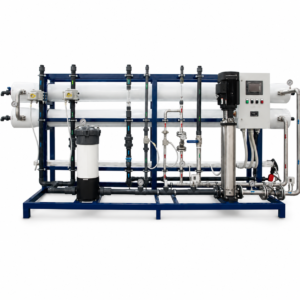
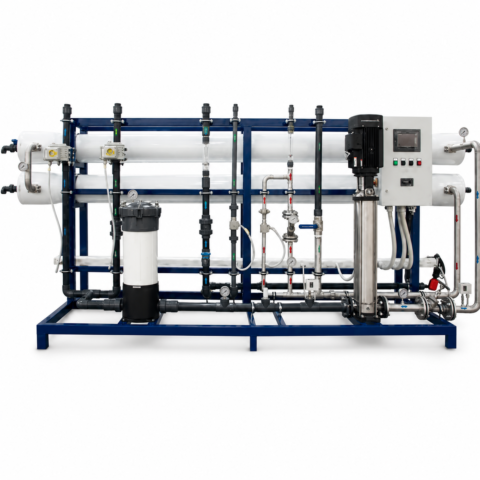
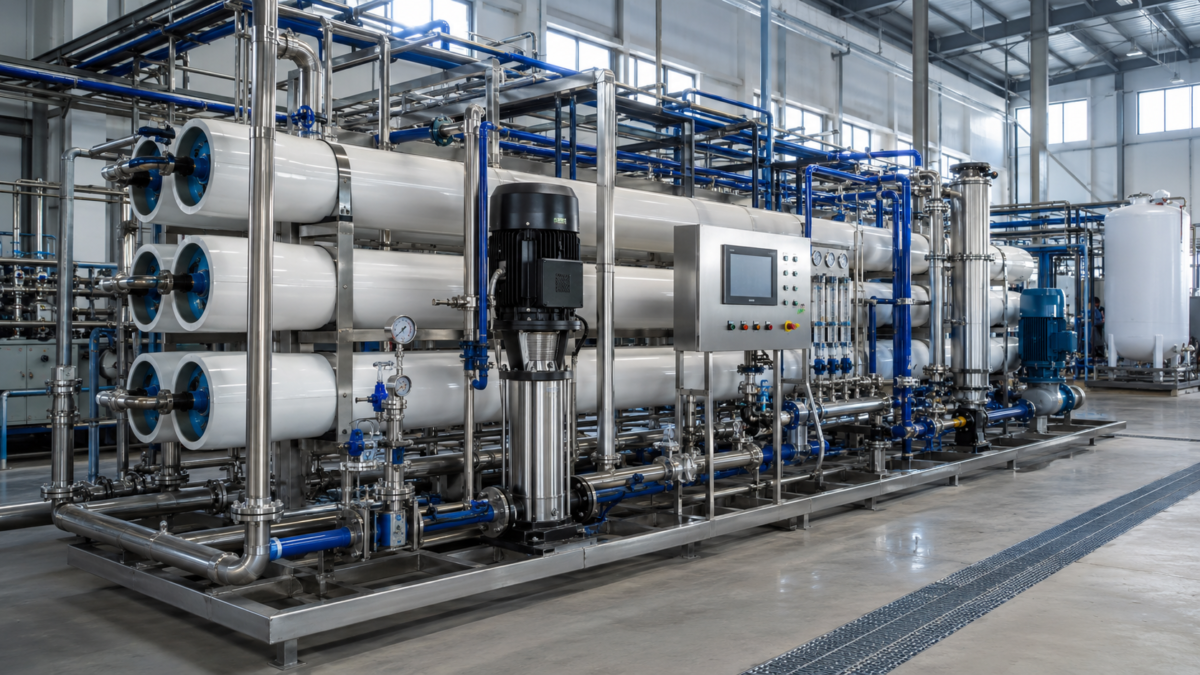
In high-flow factories, reverse osmosis is preferred for lowering the mineral and ion load of the water in bulk. In large plants, reusing the treated water — water recovery — comes to the fore. That approach reduces both the cost of water and the environmental load, and supports sustainable production.
In plants with high water consumption, buying mains or well water continuously is both costly and risky. Reverse osmosis systems produce water of consistent quality at large flows, while recovery builds allow part of the process and waste water to be put back to use. The US Environmental Protection Agency’s water reuse resources stress that reusing treated water in industry is becoming ever more critical for water security and sustainability.
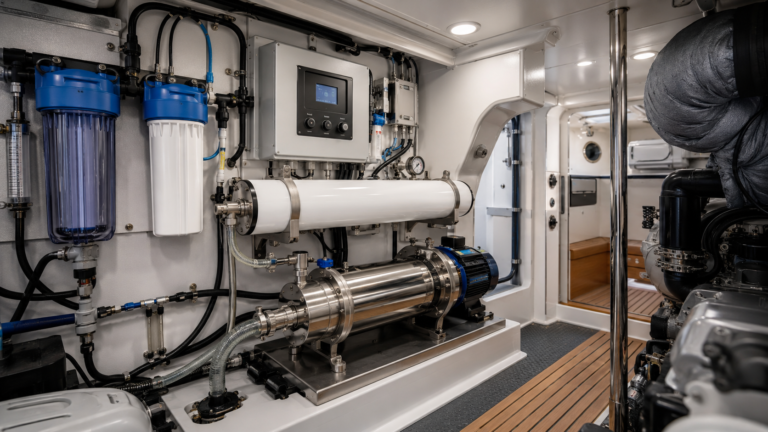
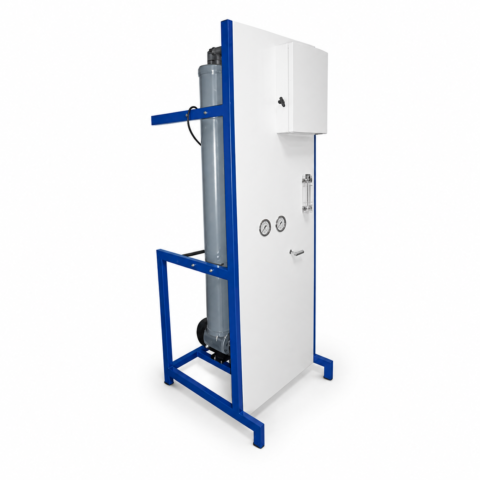
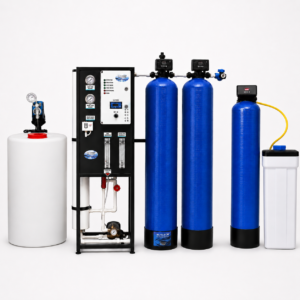
Factory water treatment systems at this scale are generally designed project by project. The plant’s flow, water source and target quality are brought together and a suitable configuration is chosen from among the industrial-type systems.
When Do Wastewater Treatment and Recovery Make Sense?
Wastewater treatment and recovery make sense in factories with high water consumption, a discharge cost or a sustainability target. Water leaving production can be treated through suitable stages and reused in the process. That is a strategic step which reduces both the water bill and the environmental footprint.
Recovering wastewater is not only an environmental choice; in most plants it is a concrete economic decision. Rising water costs and discharge obligations make recovery attractive over the medium to long term. But these systems have to be designed carefully around the content of the wastewater, the quality of reuse aimed for and the legal requirements. A recovery line built wrongly may not deliver the saving expected.
The decision to recover should therefore always be assessed together with the existing water balance and the needs of production. Designed correctly, it offers a serious advantage in both cost and continuity.
How Do You Choose the Right System for Your Factory?
Choosing the right system is possible by assessing the water’s problem, the type of production and the flow requirement together. A hardness problem points to softening, sediment to pre-treatment, sensitive production to pure or deionised water, and high flow to reverse osmosis and recovery. In most factories the right solution is a combination of these stages.
The table below offers a simple decision framework matching the most common factory water treatment needs with a suitable solution. It is worth remembering that more than one row may apply in a single factory:
| The Water / Production Situation | The Leading Solution | The Basic Benefit |
|---|---|---|
| High hardness, steam or boiler use | Water softening | Preventing limescale, protecting equipment |
| Sediment, turbidity, iron and manganese | Pre-treatment (filtration) | Protecting the sensitive stages |
| Pharmaceutical, cosmetics, electronics, lab | Pure water / deionisation | Low conductivity, standard quality |
| High flow, high mineral load | Reverse osmosis | Bulk removal of minerals and ions |
| High water bill, discharge load | Recovery | Reducing cost and environmental load |
As you can see, there is no single “best system”; the best system is the one that best suits your water and your production. A factory water treatment investment is therefore not a standard product choice but an engineering decision covering analysis, design and a long-term operating plan.
Frequently Asked Questions
Where should I start when choosing a factory water treatment system?
Always with a raw water analysis. Without measuring values such as hardness, conductivity, turbidity and iron and manganese, the right system cannot be established. When the analysis results are combined with the production requirement and the flow, which stages are needed becomes clear.
Are production water treatment and process water treatment the same thing?
Broadly they serve the same purpose: bringing the water used in production to the quality wanted. But “process water” describes water that enters the production process directly and usually calls for more sensitive quality. The purity needed varies with the process.
Does every factory need reverse osmosis?
No. Reverse osmosis makes sense where there is a high mineral or ion load, or a need for low conductivity. Water softening may be enough in a plant with only a hardness problem, while a plant doing sensitive production may need reverse osmosis and deionisation together.
Does a water recovery investment pay for itself?
In plants with high water consumption and discharge costs it generally brings an advantage over the medium to long term. The payback period depends on the water bill, the wastewater load and whether the system is designed correctly. The decision should therefore be made together with an analysis of the existing water balance.
Is maintaining water treatment systems in a factory difficult?
When the system is designed correctly, maintenance becomes planned and predictable. Periodic checks of components such as filters, resin and membranes are essential. Regular maintenance secures both the quality of the water and the long working life of the system.
Conclusion
The right water solution in a factory is not “installing the most advanced system” but matching the real problem of the water with the real need of the production. Hardness points to softening, sediment to pre-treatment, sensitive production to pure and deionised water, and high flow to reverse osmosis and recovery. In most plants the solution comes from combining those stages intelligently. Taking the factory water treatment decision with an approach that considers the raw water analysis, the production target and the long-term running cost together secures both quality and sustainable efficiency.
Get expert support for a water treatment build made for your factory
From the analysis of your water to a staged system design, you can plan the whole process with Water Point and its experience in industrial water treatment.
Discover the Industrial-Type Systems