



Free Shipping
Product Category
Ion Exchange Resin
Resin is the tiny bead-shaped media that works inside water softening and pure water systems. Filters hold back what is suspended in the water; resin exchanges dissolved ions for the ions it carries. This process is called ion exchange, and it is the only real answer to the limescale problem in wate…
- Free Shipping · across Türkiye
Products
Free Shipping
Free Shipping

About Ion Exchange Resin
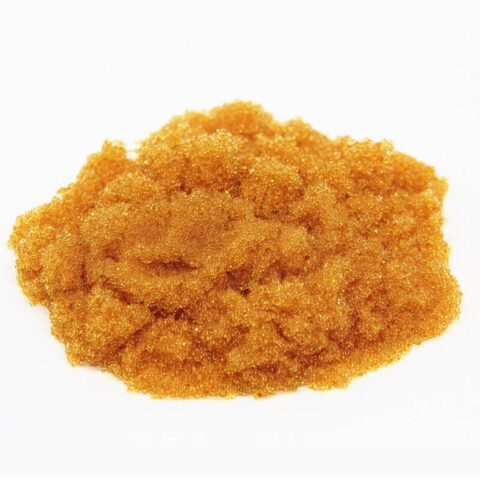
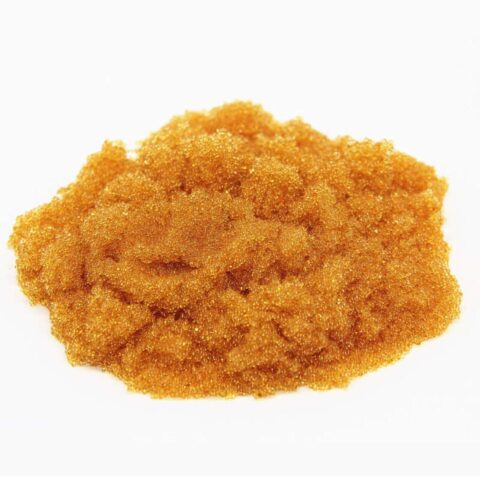
Resin is the tiny bead-shaped media that works inside water softening and pure water systems. Filters hold back what is suspended in the water; resin exchanges dissolved ions for the ions it carries. This process is called ion exchange, and it is the only real answer to the limescale problem in water. With resin, the logic of type and capacity decides the selection; the regeneration pattern and the replacement timing decide the efficiency. For the valves that manage the resin see our Control Valves category, and for the vessels that hold the media see our Pressure Tanks category.
How Ion Exchange Works
The surface of the resin beads carries exchangeable ions. As water passes through the bed, the calcium and magnesium ions in the water attach to the resin surface; in return, the sodium ions on the resin pass into the water. The water that leaves the bed no longer carries the ions that cause hardness.
This exchange does not go on for ever. Once the sodium on the resin is used up, the bed reaches saturation and stops removing hardness. At that point regeneration takes over: concentrated brine drawn from the brine tank is passed through the bed, the calcium and magnesium are stripped off and sent to the drain line, and the resin is reloaded with sodium. The cycle starts again.
Under the right conditions a resin bed can repeat this cycle thousands of times. What decides its life is the number of cycles and the demanding conditions it is exposed to.
Resin Types
Cationic resin — water softening
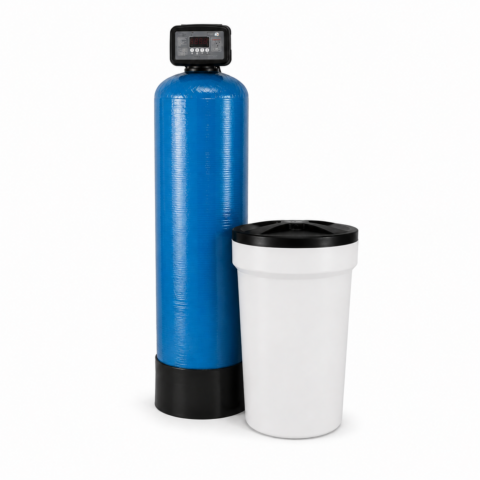
This is the most widely used type. It holds positively charged ions, that is calcium and magnesium. It is the resin used in residential, commercial and industrial softening systems alike. Cationic Water Softening Resin 5,882.21 TL.
Mixed bed resin — pure water
This is a mixture of cationic and anionic resin in a set ratio. Because it holds both positive and negative ions, it removes almost the whole ion load in the water and produces deionised water. In laboratories, steam boilers, electronics manufacturing and sensitive processes it is used as the final stage after reverse osmosis. Mixed Bed Pure Water Resin 24,509.20 TL.
Regeneration salt
This is the consumable needed to renew the resin. It must be in tablet form and of a purity suitable for water treatment systems; table salt or road salt must not be used. Water Softener Salt 588.22 TL.
| Resin | What it does | Where it is used | Price |
|---|---|---|---|
| Cationic | Removes hardness (Ca, Mg) | Softening systems | 5,882.21 TL |
| Mixed bed | Removes all ions | Pure water, deionised water | 24,509.20 TL |
| Salt (consumable) | Renews the resin | Brine tank | 588.22 TL |
Resin Capacity and Volume Selection
How many litres of water a softening system can soften depends on the resin volume in the vessel and on the hardness of the water. The relationship between the two is simple: as hardness rises, the amount of water the same resin volume can soften falls.
Three figures are therefore needed when the resin volume is selected:
- Water hardness: Water Hardness Test Kit 1,176.44 TL will give you the figure. A hardness value entered by guesswork makes the system run incorrectly for its whole service life.
- Daily water consumption: This varies with the number of people and with usage habits. At business premises the consumption of equipment is added as well.
- Target regeneration frequency: A larger volume means less frequent regeneration and lower salt consumption.
What Shortens Resin Life
Cationic resin is typically used for 4–6 years. Most of the factors that shorten this period have to do not with the resin itself but with the rest of the system.
- Chlorine: Over time it breaks down the resin structure and causes the beads to fracture. Having an activated carbon stage ahead of the softening system extends resin life noticeably.
- Sediment and suspended solids: These settle between the beads, cover the active surface and make the bed channel. A sediment pre-filter is therefore mandatory.
- Iron and manganese: In well water in particular these coat the resin surface and block ion exchange. Well water applications need pre-treatment.
- Excessive cycling: Regenerating more often than necessary speeds up the mechanical wear of the beads.
- Inadequate backwash: The bed cannot lift, sediment builds up and the bed compacts over time.
How to Tell When Resin Needs Replacing
Resin replacement is decided by symptoms, not by the calendar. The clearest indicator is this: hardness continuing at the outlet even though regeneration is running properly.
Before that conclusion is reached the following must be ruled out in order: is there salt in the brine tank, has a salt bridge formed, is the valve completing its cycle, is the suction line blocked. If all of these are normal and the outlet hardness is still high, the problem is in the resin.
| Symptom | Likely cause | Check first |
|---|---|---|
| Hard water despite regeneration | Resin saturated or fractured | Salt, valve cycle, then resin |
| Pressure loss has increased | Bed compacted or fouled | Backwash duration and flow rate |
| Fine beads coming from the tap | Distributor tube broken | Distributor and upper basket |
| Salt consumption has increased | Cycling more often than necessary | Valve program, hardness setting |
| Softening runs out quickly | Resin capacity has dropped | Bed age and condition |
Resin Replacement Step by Step
- 1 — Put the system into bypass. Bypass valve 3,921.47 TL keeps the home or the facility from being left without water.
- 2 — Release the pressure and remove the valve with the correct wrench. Forcing it damages the valve thread.
- 3 — Empty out the old resin. Empty the vessel completely and rinse its inner surface.
- 4 — Check the distributor tube. A cracked or broken distributor lets the new resin escape into the line.
- 5 — Lay the lower support bed. The graded sand or gravel layer must be placed before the resin.
- 6 — Cover the tube opening while you load the resin. Otherwise the beads fill the inside of the distributor tube and block the valve.
- 7 — Leave freeboard at the top. About one third of the vessel must stay empty so the bed can lift during backwash.
- 8 — Program the valve. Enter the new resin volume and the measured hardness value into the valve.
- 9 — Run one manual regeneration. This flushes the manufacturing residues out of the bed.
- 10 — Measure the outlet hardness. Note the reference value; later decisions will be made against it.
Mixed Bed Resin and Pure Water Production
Mixed bed resin produces deionised water by removing the small amount of ions left in the water at the reverse osmosis outlet. It is not used on its own; the economical route is to take the bulk of the ion load out with the reverse osmosis membrane and to place the mixed bed stage as the final polish.
Applying mixed bed resin directly to mains water is technically possible, but the resin saturates very quickly and the cost multiplies. For this reason the standard arrangement in pure water systems is pre-treatment, reverse osmosis and then mixed bed.
If you are looking for a ready-made solution, integrated systems such as the 30 L/h Deionised Pure Water System come with this arrangement built at the factory. Unlike cationic resin, mixed bed resin is not regenerated with salt on site; once it has used up its capacity it is replaced, or renewed at specialist facilities. Its service life depends on the conductivity of the feed water and on the volume consumed.
Salt Selection and Brine Tank Maintenance
Regeneration quality depends directly on the quality of the salt. Water treatment systems use salt in tablet form and of high purity; the amount of insoluble residue it contains is low. Salt of low purity leaves sludge at the bottom of the brine tank and blocks the suction line over time.
The most common problem in the brine tank is the salt bridge: the salt hardens at the top into a solid layer with a void beneath it. The tank looks full, but no brine is produced and the system carries on running without softening. Checking by hand and breaking the layer is enough.
The second common condition is water standing at the bottom of the tank. It shows that suction is not taking place or that the fill setting is wrong; the valve program and the suction line must be checked.
What Hardness Is and How It Is Measured
Water hardness is a measure of the amount of calcium and magnesium the water contains. In Türkiye the French hardness unit (°fH) is in common use. As hardness rises, white scale builds up faster in the kettle, the combi boiler, the washing machine and the dishwasher.
Hardness has two components. Temporary hardness comes from bicarbonates; it precipitates when the water is heated and forms the visible limescale layer. Permanent hardness comes from sulphate and chloride salts; it does not precipitate with heat and is removed only by ion exchange. Because resin removes both components, boiling alone or using a sediment filter does not solve the hardness problem.
Measurement is simple. The Water Hardness Test Kit 1,176.44 TL gives a result in a few minutes. Because this value sets both the resin volume and the hardness setting entered into the valve, it is the basis for the whole system working correctly. Hardness entered by guesswork runs the system either short of capacity or wastefully for its whole life.
What the Target Hardness Should Be
Bringing the hardness at the unit outlet down to zero is not always wanted. In homes a certain amount of hardness is usually left in; fully soft water can give unwanted results for some plumbing materials and for the taste of drinking water. In industrial applications such as steam boilers the target is close to zero.
The right target is set by where the water will be used. The point of use must therefore be settled before the unit is selected. Separating off lines that do not need soft water, such as garden irrigation, through a bypass both preserves resin capacity and lowers salt consumption.
Channelling in the Resin Bed
Channelling is water short-circuiting by opening a path inside the bed instead of contacting the whole of the resin bed. In this case the vessel looks full, the resin looks sound and the valve looks to be working; even so, hardness continues at the outlet.
There are three main causes. The first is inadequate backwash: the bed cannot lift, the grains compact and harden over time. The second is sediment build-up: when the sediment pre-stage is not doing its job, the space between the beads fills up. The third is incorrect loading: if no freeboard has been left at the top of the vessel for backwash, the bed can never lift.
When channelling is suspected, the first thing to do is to start a manual backwash cycle and watch the water coming from the drain line. If the water runs clear and the pressure differential is normal, the bed is probably not compacted; if it runs cloudy and full of sediment, the backwash duration has been too short.
Parts to Assess Together With the Resin
Resin is not a material that is bought and replaced on its own; its performance depends on the three parts around it.
| Part | Effect on the resin | If neglected |
|---|---|---|
| Sediment pre-filter | Holds back sediment | The bed fouls and channelling begins |
| Activated carbon stage | Holds back chlorine | The beads fracture and life shortens |
| Control valve | Manages regeneration | The bed is not renewed and hardness returns |
| Pressure tank | Holds the bed and the freeboard | No bed lift, compaction develops |
| Brine tank | Supplies the regeneration solution | No suction, softening stops |
For this reason, in a large share of the "I changed the resin but nothing improved" cases the problem is not in the resin but in one of these four parts. Putting new resin behind a blocked pre-filter or a faulty valve does nothing but tire the new material quickly.
Resin in Industrial Applications
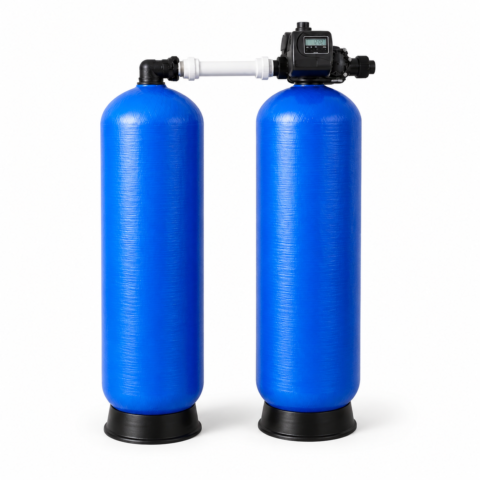
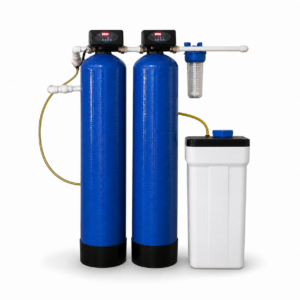
On industrial softening lines the resin volume is many times that of residential systems, and the selection is made against peak flow rate. On production lines that need uninterrupted soft water a single vessel is not enough; because production would stop during regeneration, a twin-tank (duplex) arrangement is built and the two vessels run in turn.
At this scale the running cost matters as much as the cost of the resin. Salt consumption, regeneration water and downtime reach serious figures on an annual basis. Using a flow-controlled valve, entering the hardness value correctly and replacing the pre-stages on schedule bring all of these items down.
For processes that need pure water the arrangement is different: pre-treatment, then reverse osmosis and mixed bed resin as the final stage. Taking the bulk of the ion load out with the membrane extends the life of the mixed bed resin and lowers the total cost. You can find details of these arrangements in our Pure Water Systems and Industrial Water Treatment categories.
What Soft Water Means in Daily Life
The work resin does may look abstract, but its results are felt in concrete terms in daily life. In plumbing running on water whose hardness has been removed, no scale crust forms; because the combi boiler heat exchanger, the electric heater element and the water heater coil pick up no limescale, heat transfer is not impaired.
The difference is clear in white goods as well. In washing machines and dishwashers limescale build-up both shortens the life of the heating element and raises energy consumption. Detergent lathers more easily in softened water, so less detergent is enough for the same cleaning result. The white marks left after drying on tap fittings, shower heads and glass surfaces are noticeably reduced.
All of these effects depend directly on the resin working properly. A bed that has reached saturation or started to channel will not deliver these results even though the system looks to be running. Detailed information on What Hard Water Does to Boilers and White Goods is in our blog content.
Questions to Ask Before Buying Resin
- How hard is my water? A resin volume bought without measurement rests on guesswork. A test kit removes that uncertainty.
- How many litres of water do I use per day? The number of people and, where present, the consumption of equipment are added together.
- How often do I want regeneration? A larger volume means less frequent cycling and less salt.
- Will my existing vessel take this volume? If the resin volume grows, the vessel diameter grows with it, and the match with the valve and the distributor tube changes.
- Are my pre-stages ready? Without a sediment and carbon stage, new resin tires quickly.
- Will my valve be programmed correctly? The new volume and the measured hardness value must be entered into the valve.
Once the answers to these six questions are clear, choosing resin stops being guesswork. Send us your figures and we can determine the right type and quantity together.
Resin and Running Cost
The total cost of a softening system is not just the purchase price. While the resin is in use for years, salt and regeneration water are consumed continuously; over time this item can exceed the first investment.
Three things decide the running cost. The first is regeneration frequency; every cycle spends salt and water. The second is resin volume; enough volume means less frequent cycling. The third is valve type; a flow-controlled valve removes unnecessary cycling and lowers both items.
The conclusion that follows is this: cutting back on resin volume and on valve type shrinks the first invoice but pushes the running cost up for years. A correctly sized system pays the difference back within a few years through savings on salt and water.
Replacing the pre-stages on schedule is part of this calculation as well. Sediment and chlorine load tire the resin early; the sediment and carbon stages extend the resin replacement interval and so deliver an indirect saving.
Support Bed and Distributor in Resin Installation
The graded support layer beneath the resin bed is a component that is often overlooked but that directly affects how the system works.
This layer is laid from coarse grain to fine grain and does two jobs. First, it stops the resin beads from reaching the strainer of the distributor tube and escaping into the line. Second, it makes the water spread evenly across the bed cross-section during backwash; uneven distribution opens a channel in the bed.
The length of the distributor tube is critical too. A tube that is not at the right distance from the vessel base cannot lift the bed properly during backwash and cannot provide enough draw during suction. The vessel height must be taken into account when the tube is cut, and the strainer must be positioned close to the base but not touching it.
When these two details are set up correctly, the bed runs evenly for years. When they are neglected, the system does not give the expected result even if the resin is sound, and the problem is usually looked for in the wrong place.
Resin Storage and Transport
Resin loses volume when it dries out and its structure can be damaged. Resin whose packaging has been opened must therefore not be left for long in an environment exposed to air. It should be kept in its original packaging and sealed until installation.
Freezing is a similar risk. Freezing wet resin puts mechanical strain on the bead structure and can cause fractures. In the winter months a resin package that has been standing outdoors must be brought up to room temperature before it is installed.
After installation, if the system will not be used for a long period, it is important that the bed does not stay dry. On systems that will be taken out of service, keeping the resin wet prevents capacity loss when it is recommissioned.
These three points — not drying out, not freezing and correct storage — keep the resin in good condition until it reaches site. Performance after installation depends largely on these preconditions.
Short Maintenance Schedule
The simple schedule below keeps the system running at the expected performance for years. The intervals are for typical mains water; they shorten with well water and in high-sediment conditions.
| Frequency | Check to carry out | Why |
|---|---|---|
| Monthly | Salt level and salt bridge | So that regeneration stays effective |
| 3-6 months | Sediment and carbon cartridge replacement | Protecting flow rate and the later stages |
| 6-12 months | Outlet hardness and TDS measurement | Numerical tracking of performance |
| Once a year | Storage tank pre-charge pressure | Preserving flow strength |
| Once a year | Connection and seal check | Early leak detection |
| 2-3 years | Valve O-ring kit | Preventing leaks and position faults |
| 2-3 years | Membrane and activated carbon assessment | Replacement decision based on measurement |
| 4-6 years | Resin bed assessment | Detecting capacity loss |
The most important aspect of this schedule is that decisions rest on measurement rather than on guesswork. Measuring hardness, TDS and pH prevents both early and late replacement; early replacement means unnecessary expense, late replacement means damage to equipment. When you cannot be sure of the condition of your system, you can use our site survey and fault diagnosis service; the site survey is free of charge if the unit is purchased from us.
Resin Prices 2026
The prices below are the current values on the product pages and include VAT.
| Product | Type | Application | Price |
|---|---|---|---|
| Water Softener Salt | Consumable | Resin regeneration | 588.22 TL |
| Cationic Water Softening Resin | Cationic | Hardness removal | 5,882.21 TL |
| Mixed Bed Pure Water Resin | Mixed bed | Deionised pure water | 24,509.20 TL |
What Is Different About Buying Resin From Water Point
- This group is consumable material; because its life depends on water quality and on use, it falls outside warranty cover.
- CE certified products — we work with products that fall within the scope of certification.
- ETBIS registered e-commerce — we are registered in the Ministry of Trade system.
- Invoiced sales — a legal invoice is issued with every order.
- Volume calculation — we work out the right resin quantity with you, from your water hardness and your consumption.
- Free site survey available — we establish on site whether the problem is in the resin or in the valve. see the details
- Nationwide service network across Türkiye for industrial work — for domestic units we serve İstanbul and the surrounding provinces (such as Kocaeli and Tekirdağ).
Address: Mehterçeşme Mah. 1919 Sk. No: 54/B Esenyurt / İstanbul.
Cannot find the spare part you are looking for?
Send us the brand and model of your unit and we will work out the right filter, membrane, valve or resin together. The site survey is free of charge if the unit is purchased from us; if only a site survey and measurement are requested, a site survey fee of 2,000 TL applies.
0850 304 95 25WhatsApp[email protected]Ion Exchange Resin: frequently asked questions
How often does resin need to be replaced?
Cationic resin is typically used for 4-6 years. The decision is made by symptoms rather than by the calendar: if hardness continues at the outlet even though regeneration is running properly, the resin has reached the end of its life. Before that conclusion is reached, the salt level, the salt bridge, the valve cycle and the suction line must be ruled out in order.
What is the difference between resin and a filter?
A filter holds back the solids suspended in the water; sand, sediment and rust fall into that group. Resin exchanges dissolved ions for the ions it carries. Because limescale, that is hardness, is in dissolved form, it cannot be removed with a filter; it is solved only by ion exchange, that is by resin.
What is the difference between cationic resin and mixed bed resin?
Cationic resin holds only positively charged ions, that is calcium and magnesium, and is used in water softening systems. Mixed bed resin is a mixture of cationic and anionic resin; because it holds both positive and negative ions it produces deionised water, and it is used after reverse osmosis in applications that need pure water, such as laboratories and steam boilers.
How much resin is needed?
The resin volume is set by three figures: water hardness, daily water consumption and the target regeneration frequency. As hardness rises, the amount of water the same volume can soften falls. An inadequate volume forces the system into regeneration far more often; that raises salt and water consumption and tires the resin faster.
Which salt should be used for regeneration?
Salt in tablet form, of high purity and suitable for water treatment systems must be used. Table salt and road salt are not suitable. Salt of low purity leaves sludge at the bottom of the brine tank and blocks the suction line over time. Whether a salt bridge has formed should also be checked regularly.
What shortens the life of resin?
There are four main factors: chlorine breaks down the resin structure and causes the beads to fracture, sediment settles between the beads and covers the active surface, iron and manganese in well water coat the surface, and regenerating more often than necessary speeds up mechanical wear. Sediment and carbon pre-stages remove most of these factors.
Can I replace the resin myself?
It is technically possible but it needs care. The system must be put into bypass, the pressure must be released, the distributor tube must be checked and the opening of the tube must be covered while the resin is loaded. Freeboard must be left at the top during loading, and afterwards the valve must be programmed for the new volume. If you are not sure, you can get support from our service team.
Is mixed bed resin renewed with salt?
No. Mixed bed resin is not regenerated with salt on site; once it has used up its capacity it is replaced, or renewed at specialist facilities. Its service life depends on the conductivity of the feed water and on the volume consumed. The economical arrangement is to take the bulk of the ion load out with reverse osmosis and to place the mixed bed stage as the final polish.