
Delivery
Across Türkiye · 1–3 business daysProducts in stock ship free anywhere in Türkiye and arrive within 1–3 business days. Items not in stock are supplied to order — the lead time is confirmed to you when the order is approved.

Your cart is empty.
Browse productsCategories
Solutions
Process water, line feed and sizing by flow rate.
Systems and units Industrial Water Treatment Read the guideTreatment that stops limescale and corrosion before they reach the boiler.
Systems and units Water Softeners Read the guidePure water of low conductivity and repeatable quality.
Systems and units Pure Water Systems Read the guideRemoving the salts and sediment that clog drip lines.
Systems and units Well Water Treatment Read the guideThe right hardness for equipment life and drink flavour.
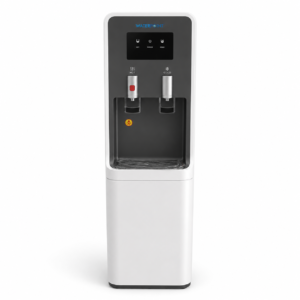
Systems and units Filtered Water Dispensers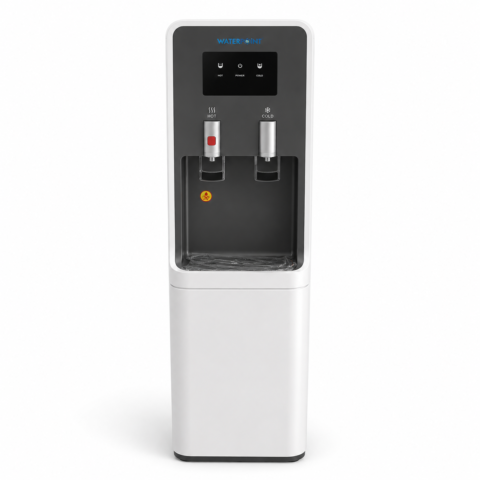 Water Point Filtered Water Dispenser
₺63,723.92
Water Point Filtered Water Dispenser
₺63,723.92
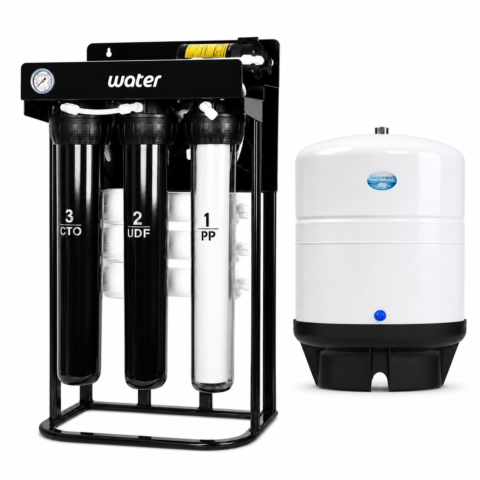 Restaurant Water Purifier, 500 GPD with 40 Litre Tank
₺49,018.40
Restaurant Water Purifier, 500 GPD with 40 Litre Tank
₺49,018.40
A main line that filters the water entering your plumbing at a single point.
Systems and units Whole House & Building Inlet Systems Read the guideA staged system for iron, manganese and turbidity.
Systems and units Well Water Treatment Read the guideLow-conductivity rinse water for spot-free drying.
Systems and units Reverse Osmosis Systems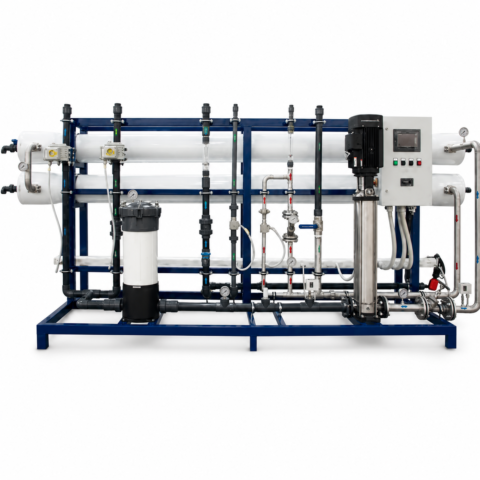 95 Tonne Reverse Osmosis System
₺980,368.00
95 Tonne Reverse Osmosis System
₺980,368.00
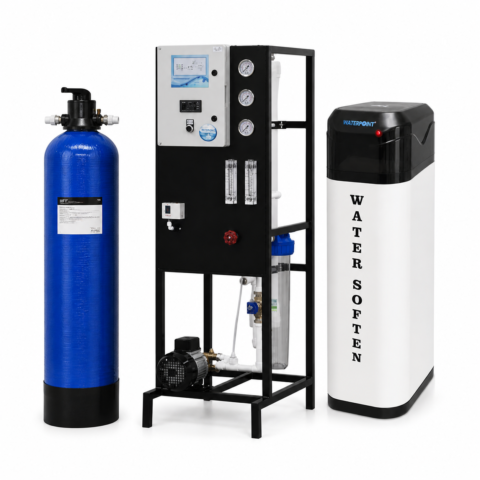 Industrial Deionised Pure Water Unit, 250 L/h
₺220,582.80
Industrial Deionised Pure Water Unit, 250 L/h
₺220,582.80
The problems hard water causes in hair and skin care.
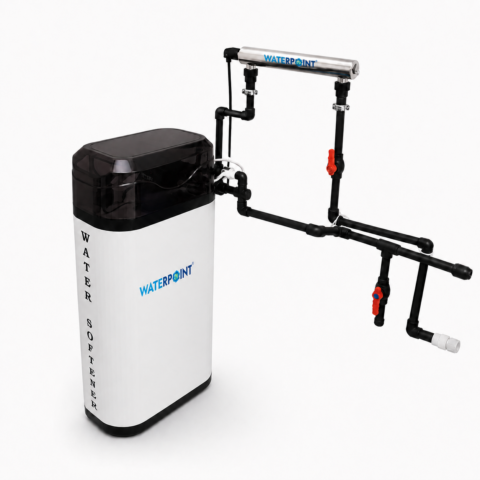
Systems and units Water Softeners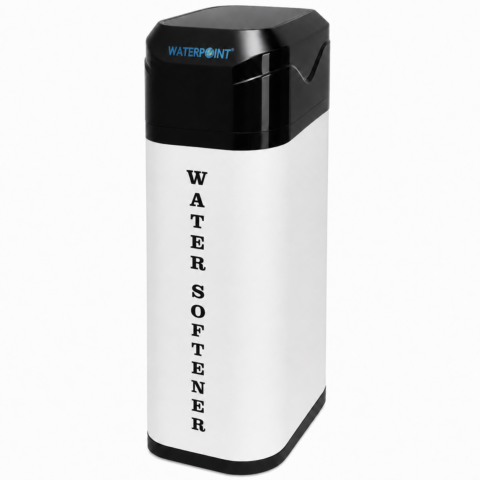 Maxi Cabinet Water Softener, 5 Tonnes/Day
Original price was: ₺49,018.40.₺34,312.88Current price is: ₺34,312.88.
Maxi Cabinet Water Softener, 5 Tonnes/Day
Original price was: ₺49,018.40.₺34,312.88Current price is: ₺34,312.88.
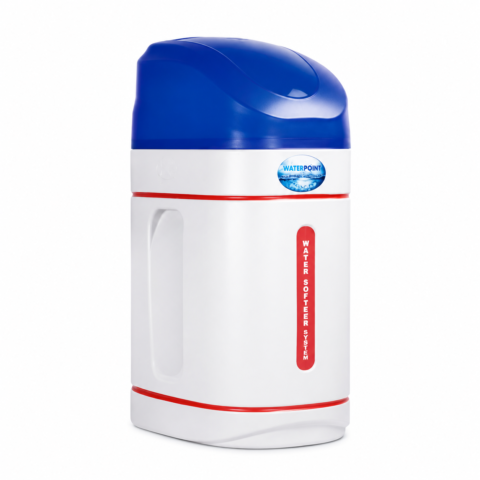 Mini Cabinet Water Softener, 2 Tonnes/Day
₺44,116.56
Mini Cabinet Water Softener, 2 Tonnes/Day
₺44,116.56
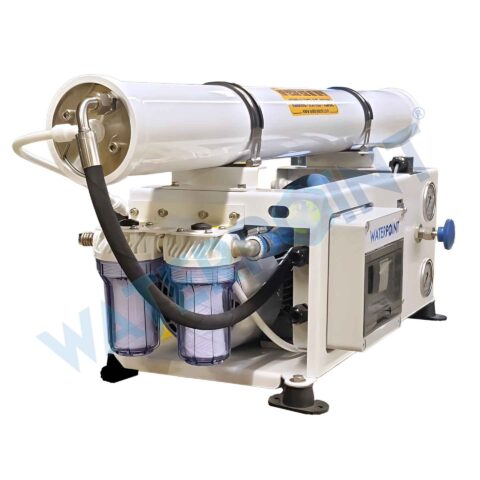
Drinking water from seawater with high-pressure reverse osmosis.
Systems and units Reverse Osmosis Systems Read the guideCompany


VAT included · Free shipping in Türkiye
Ordering from outside Türkiye
Online payment is only available for delivery addresses in Türkiye. For orders from abroad, we prepare a price quote.
Your location:
Filter Media · Industrial · Economical
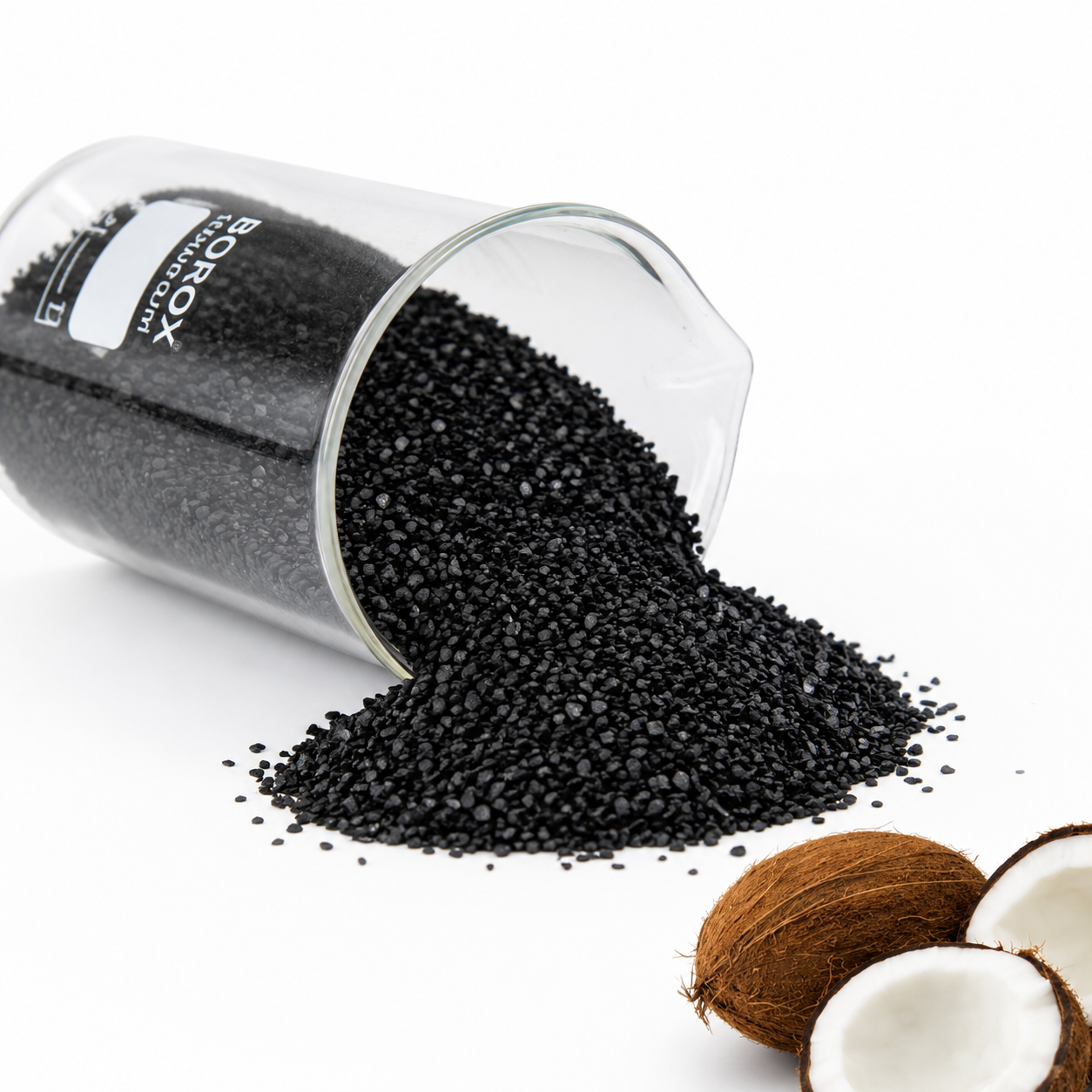
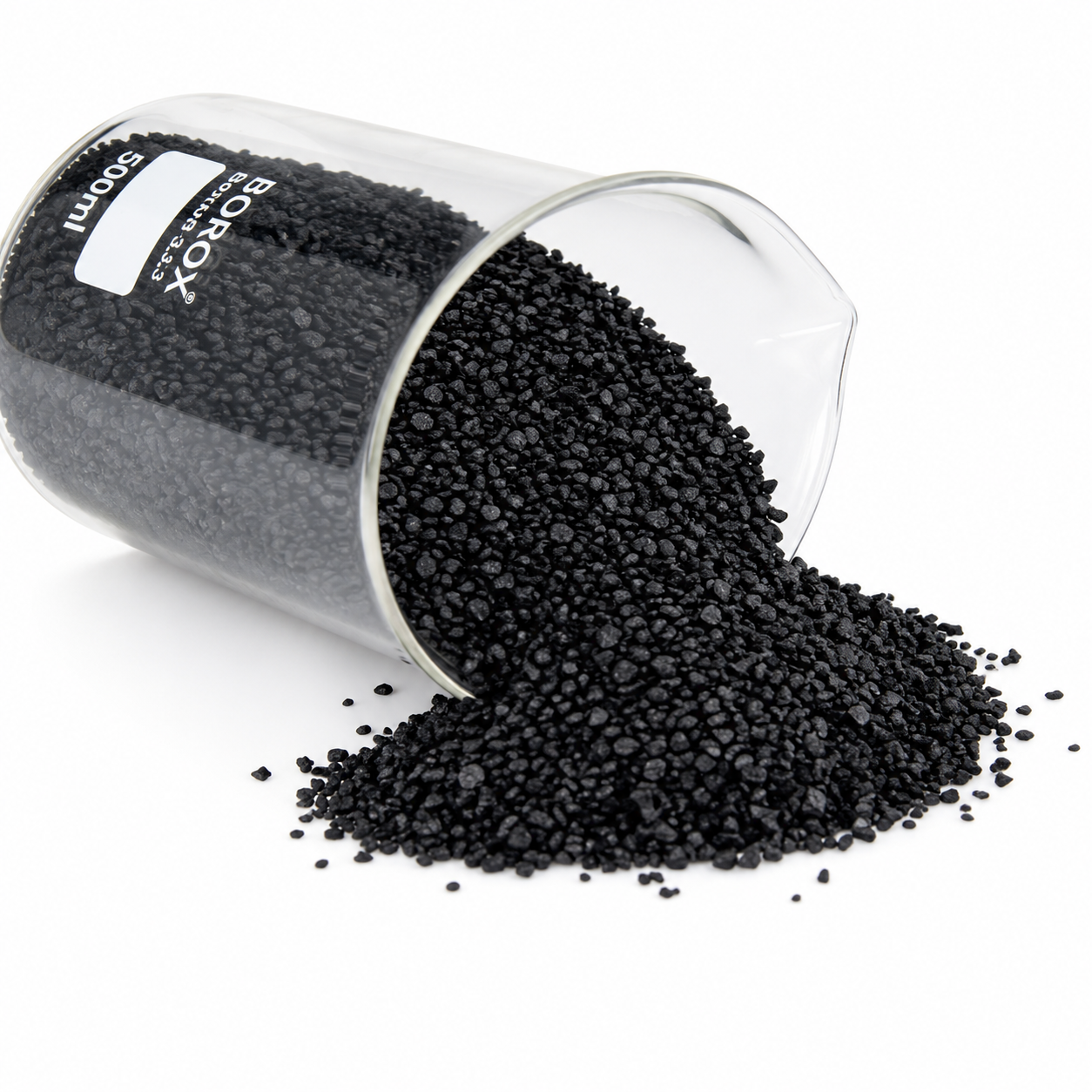
Coal-Based Activated Carbon is an industrial filter medium whose bituminous coal raw material and wide pore structure adsorb and remove chlorine, off-taste and odour, colour and large organic molecules from water; in high-volume carbon vessels it gives economical, high-capacity treatment.
01Problem & Solution
Problem
Activated carbon becomes saturated with the chlorine and organic matter it has captured and loses its adsorption capacity. A vessel running on saturated carbon no longer treats the water — and no longer protects the membrane downstream against chlorine either.
Solution
The wide pore structure of Coal-Based Activated Carbon captures chlorine, colour and large organic molecules powerfully. Loaded in place of saturated carbon, it brings the vessel back to full efficiency.
02Key Features
Coal-Based Activated Carbon is made for efficient, economical treatment in high-volume industrial carbon vessels.
Adsorbing the chlorine and chlorine compounds in the water protects the membrane and resin downstream from damage.
Its wide pore structure is particularly effective at capturing the large organic molecules that colour water.
Adsorbing the compounds that cause off-taste and odour leaves the water clear and pleasant to drink.
Where an industrial vessel needs a large charge of media, it is the cost-effective answer.
Its granular form allows backwashing in automatic carbon units, refreshing the bed.
As a pre-treatment stage it extends the life of membranes, resin and softeners and improves plant efficiency.
03Technical Specifications
| Feature | Value | What it does |
|---|---|---|
| Product Type | Filter Media | The product family it belongs to. When buying a spare, the family alone is not enough; the size and model must match too. |
| Raw Material | Bituminous Coal Based | |
| Construction | Granular (GAC) | How the unit is put together. A compact cabinet takes little room; an open system makes servicing easier. |
| Working Principle | Adsorption | How the unit treats the water. |
| Where It Is Used | Carbon Vessels | |
| Renewal | Periodic (Annual) | |
| Weight | 25 kg | Product weight. For wall mounting, the supporting surface is chosen accordingly. |
| Dimensions | 10 × 25 × 35 cm | The outer dimensions of the unit. The cabinet or plant room has to be wider than this. |
04Applications
Coal-Based Activated Carbon is used as the media charge in high-volume carbon vessels.
05How It Works
The granular carbon is loaded into the filter vessel in the specified quantity, forming the treatment bed.
Raw water travels through the carbon bed, in prolonged contact with the porous surface.
Chlorine, colouring matter, odour compounds and organic molecules are captured in the carbon’s pores.
In automatic carbon units the bed is backwashed periodically and the accumulated coarse contamination flushed to drain.
Once the carbon has used up its adsorption capacity, backwashing is not enough; the bed is replaced with fresh carbon.
06Making the Right Choice
When choosing Coal-Based Activated Carbon, the type of contamination, the vessel volume and the application must be assessed correctly.
Where colour and large organic molecules dominate the load, wide-pored coal-based carbon has the advantage.
Vessel size and plant flow rate directly determine the quantity of carbon required.
In drinking-water applications where taste and odour matter most, coconut shell carbon is the one that stands out.
For high-volume industrial charges, coal-based carbon strikes an economical balance.
07Maintenance and Use
08Frequently Asked Questions
To write a review, please log in to your account. If you don't have an account, you can create one on the same page.
Questions & Answers
Questions on compatibility, capacity and installation are answered by our technical team. The answers stay public — so the next person with the same question can see them too.
No questions have been published for this product yet. You can be the first to ask.
Products in stock ship free anywhere in Türkiye and arrive within 1–3 business days. Items not in stock are supplied to order — the lead time is confirmed to you when the order is approved.
This product is classed as a consumable or spare part; because its life depends on use, it is not covered by warranty. Faulty or incorrectly shipped items are replaced — just get in touch with us.
The right of withdrawal and the return terms are set out in detail in the distance sales agreement. Systems that have been installed and commissioned, and made-to-order products, are outside its scope.
Checkout
Instalment TableInstalment rates vary by each bank’s card programme and may include interest. The amounts below are calculated with the banks’ current rates; the final amount is shown again at checkout.
Questions? Talk to our specialist directly.
WaterAI
Reviews
There are no reviews yet.