
Free Shipping
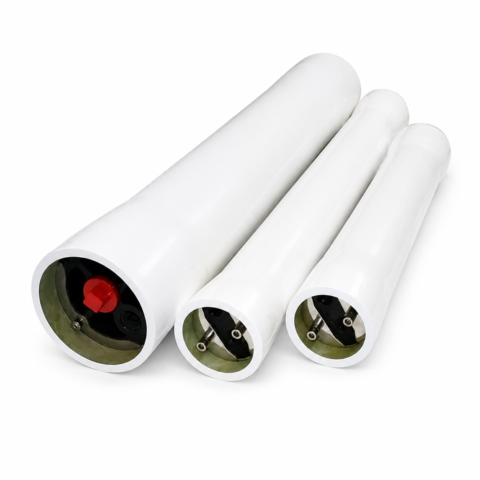
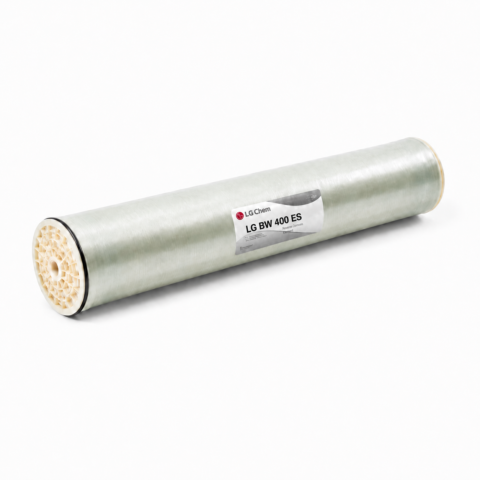
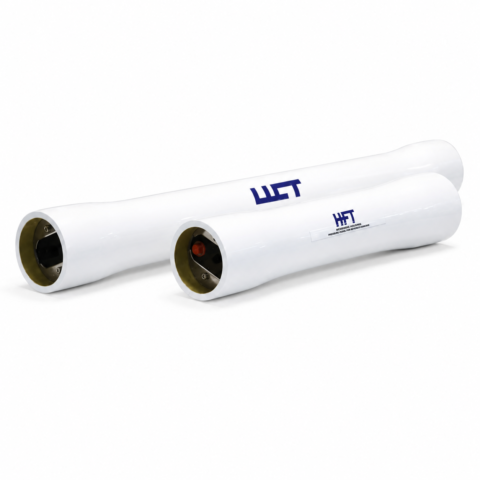
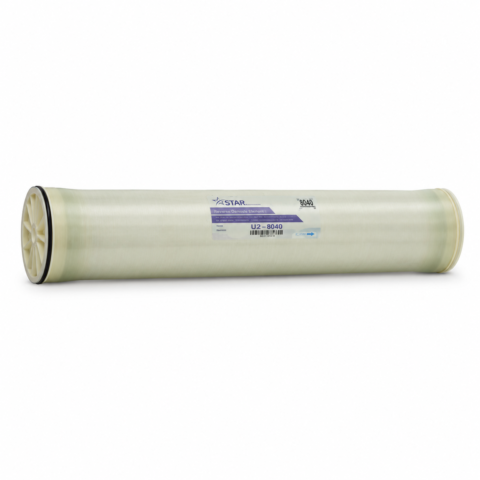
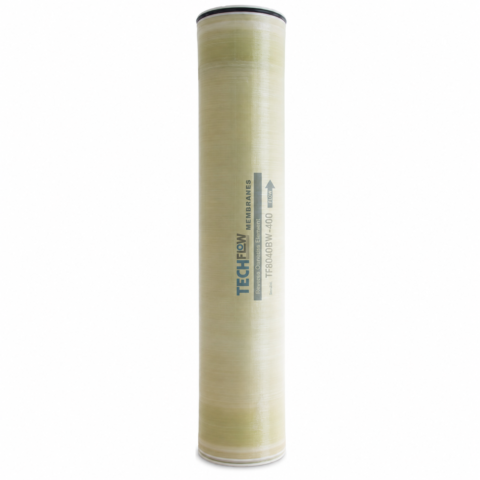
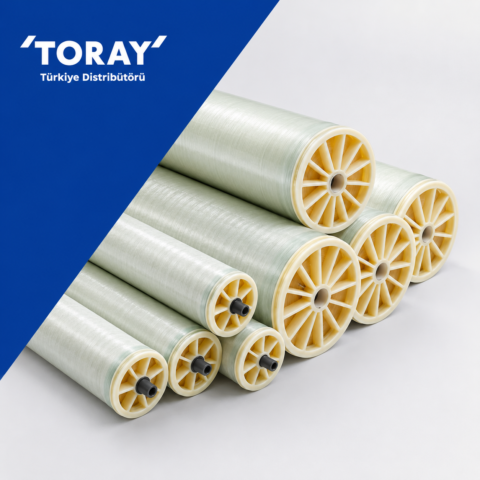
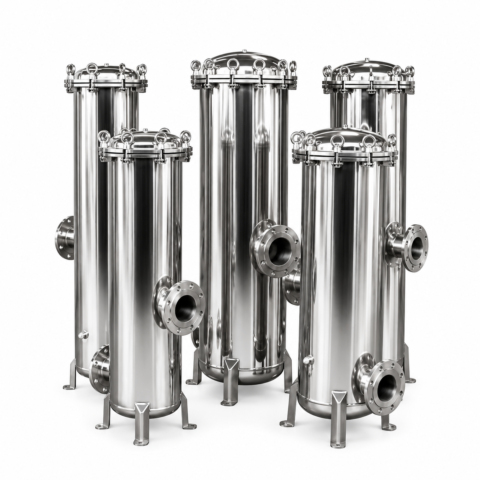
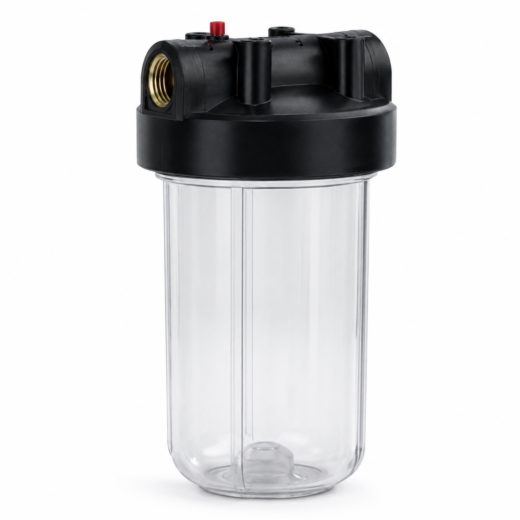
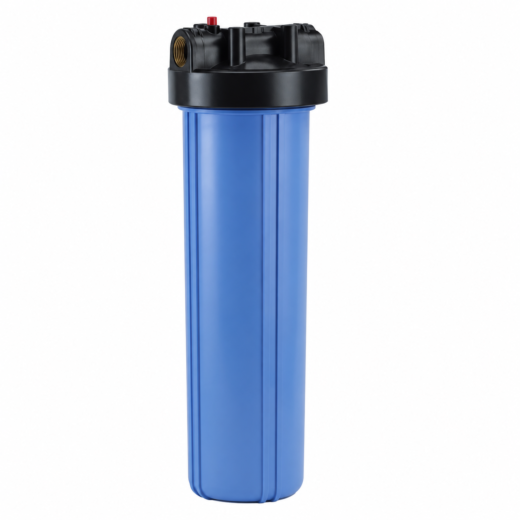
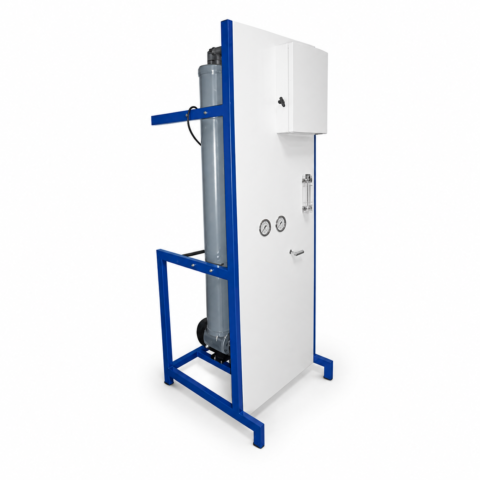
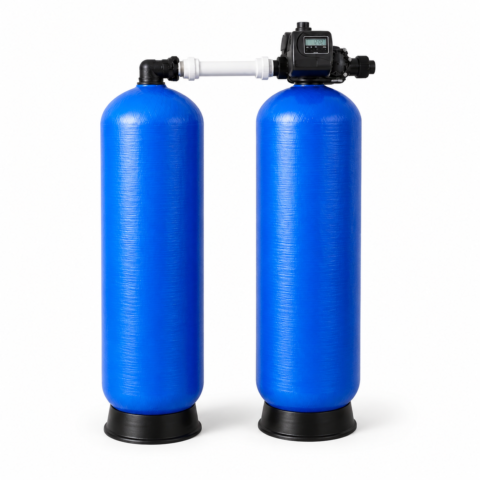
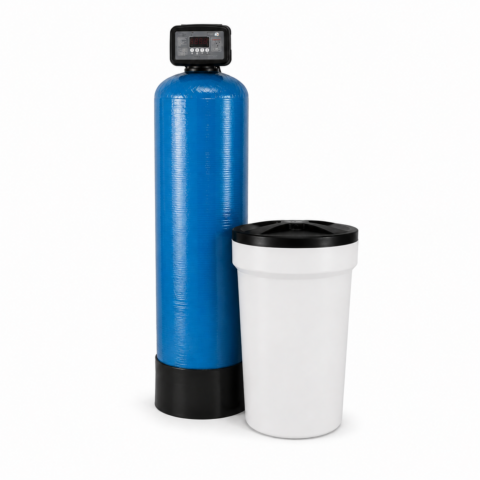
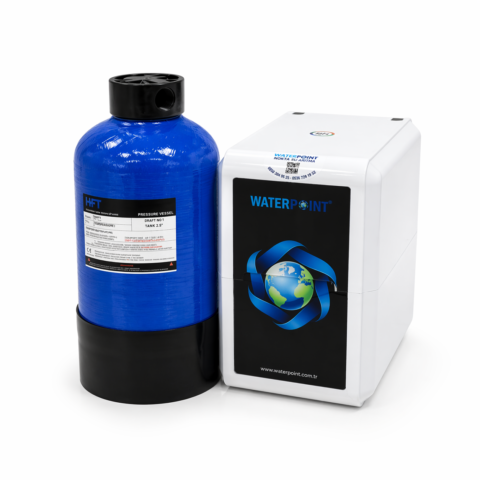
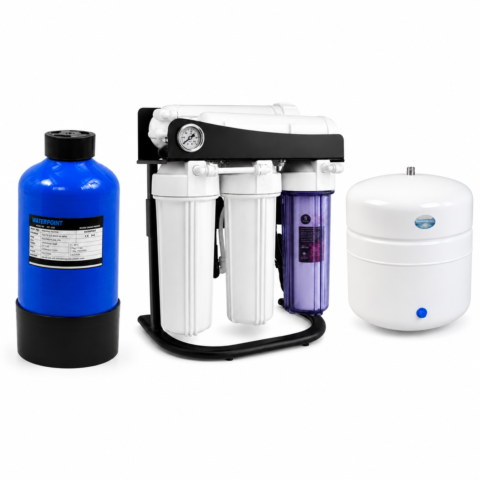
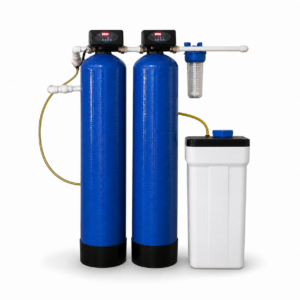
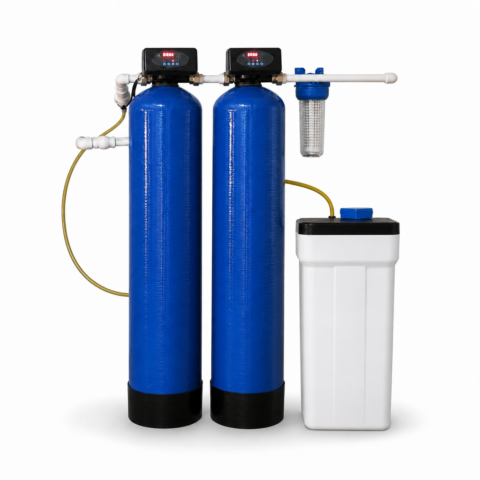
Seawater Treatment Membrane Housing
Durable Composite
Membrane Vessel (Housing)
₺49,018.40
VAT included
Your cart is empty.
Browse productsCategories
Solutions
Process water, line feed and sizing by flow rate.
Systems and units Industrial Water Treatment Read the guideTreatment that stops limescale and corrosion before they reach the boiler.
Systems and units Water Softeners Read the guidePure water of low conductivity and repeatable quality.
Systems and units Pure Water Systems Read the guideRemoving the salts and sediment that clog drip lines.
Systems and units Well Water Treatment Read the guideThe right hardness for equipment life and drink flavour.
Systems and units Filtered Water Dispensers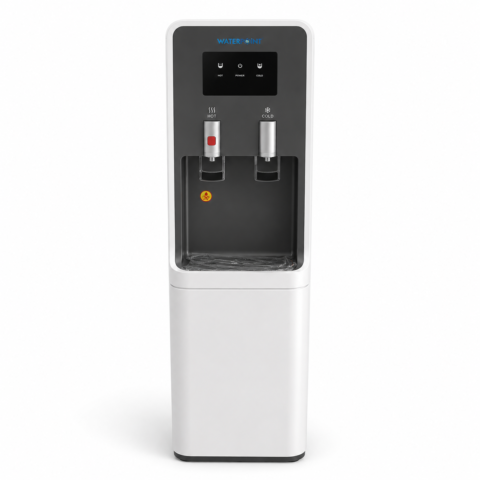 Water Point Filtered Water Dispenser
₺63,723.92
Water Point Filtered Water Dispenser
₺63,723.92
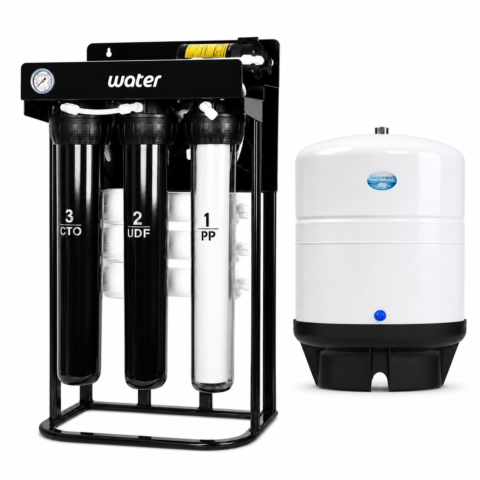 Restaurant Water Purifier, 500 GPD with 40 Litre Tank
₺49,018.40
Restaurant Water Purifier, 500 GPD with 40 Litre Tank
₺49,018.40
A main line that filters the water entering your plumbing at a single point.
Systems and units Whole House & Building Inlet Systems Read the guideA staged system for iron, manganese and turbidity.
Systems and units Well Water Treatment Read the guideLow-conductivity rinse water for spot-free drying.
Systems and units Reverse Osmosis Systems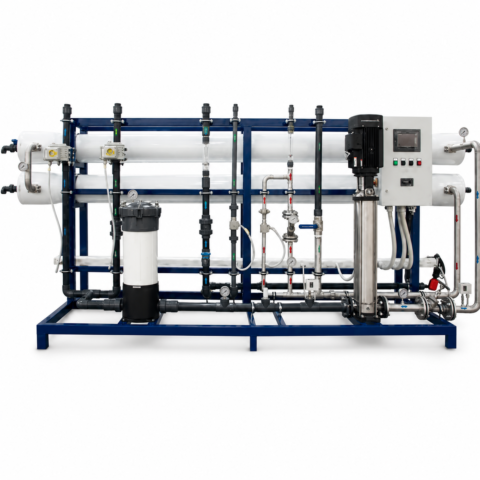 95 Tonne Reverse Osmosis System
₺980,368.00
95 Tonne Reverse Osmosis System
₺980,368.00
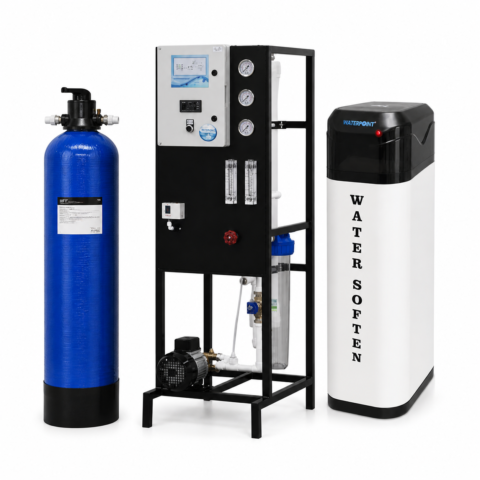 Industrial Deionised Pure Water Unit, 250 L/h
₺220,582.80
Industrial Deionised Pure Water Unit, 250 L/h
₺220,582.80
The problems hard water causes in hair and skin care.
Systems and units Water Softeners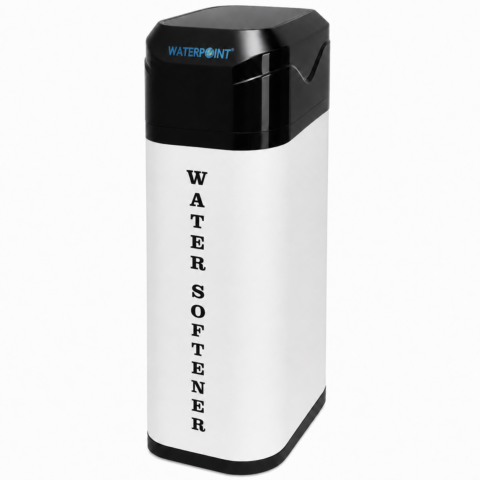 Maxi Cabinet Water Softener, 5 Tonnes/Day
Original price was: ₺49,018.40.₺34,312.88Current price is: ₺34,312.88.
Maxi Cabinet Water Softener, 5 Tonnes/Day
Original price was: ₺49,018.40.₺34,312.88Current price is: ₺34,312.88.
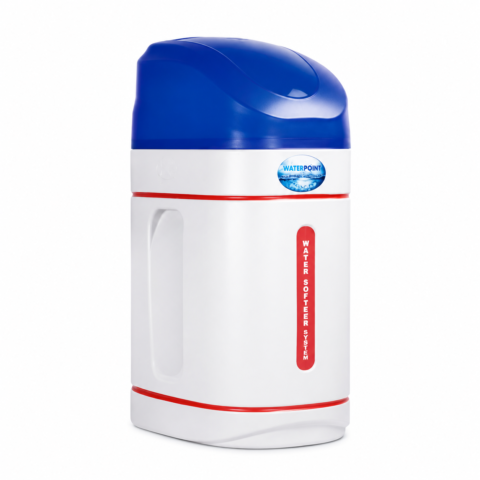 Mini Cabinet Water Softener, 2 Tonnes/Day
₺44,116.56
Mini Cabinet Water Softener, 2 Tonnes/Day
₺44,116.56
Drinking water from seawater with high-pressure reverse osmosis.
Systems and units Reverse Osmosis Systems Read the guideCompany
Product Category
A water filter is the part of the system that is changed most often and raises the most questions. Choosing the right one rests on three pieces of information: the size of the housing, the micron rating of the filter and the job of the stage it sits in. When these three do not line up, the filter ei…
Filter
The length of the cartridge you have. If you are unsure, take the old one with you.
A smaller number holds back finer particles; a very fine filter clogs sooner.
The daily treatment capacity stated by the manufacturer.
A water filter is the part of the system that is changed most often and raises the most questions. Choosing the right one rests on three pieces of information: the size of the housing, the micron rating of the filter and the job of the stage it sits in. When these three do not line up, the filter either will not seat in the housing, or fails to hold back the contamination expected of it, or upsets the balance of the system. With a cartridge filter the choice rests on three things: the type of filter, its micron rating and its position in the stage order. The replacement interval depends on the same three. For membrane selection see our RO Membranes category, and for valves our Control Valves category. Looking for a complete system rather than a replacement cartridge? See our under-sink water purifiers for drinking water, whole house water filtration for a flat, villa or building, and industrial water treatment for production lines.
The micron rating states the lower limit of the particles a filter holds back. A 5 micron filter holds back solid particles larger than roughly 5 micrometres. A smaller micron figure is not always better: as the pores narrow, the filter clogs faster, pressure loss grows and the flow rate drops.
In practice the right approach is staged filtration. A stage that holds back coarse particles comes first, then a finer stage. The fine filter is then left to concentrate on its own job and lasts longer. On water heavy with sediment, using 5 micron on its own can clog the filter within a few weeks.
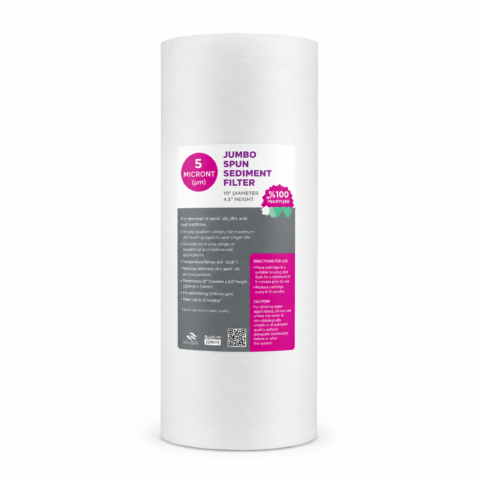
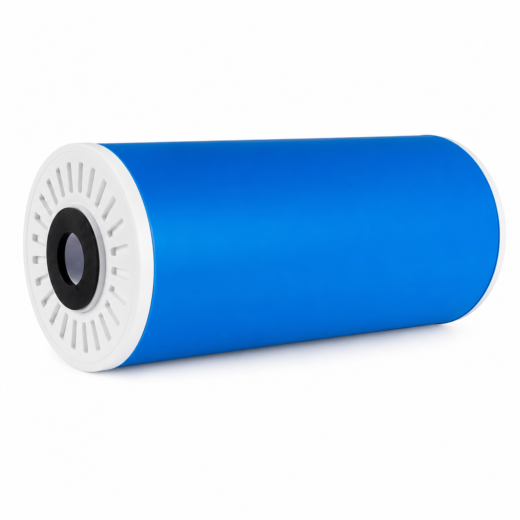
Filter cartridges are made in standard sizes. The filter must be the size your housing accepts. The most common mistake is confusing a standard cartridge with a Big Blue (jumbo) cartridge.
| Size | Approx. length | Approx. diameter | Where it is used |
|---|---|---|---|
| 10 inch standard | 25 cm | 6 cm | Under-sink domestic unit |
| 20 inch standard | 50 cm | 6 cm | High flow domestic, small commercial |
| 10 inch Big Blue | 25 cm | 11 cm | Flat inlet |
| 20 inch Big Blue | 50 cm | 11 cm | Building inlet, commercial kitchen |
| 30 inch | 75 cm | 6 / 11 cm | Industrial-type pre-treatment |
| 40 inch | 100 cm | 6 / 11 cm | Industrial line |
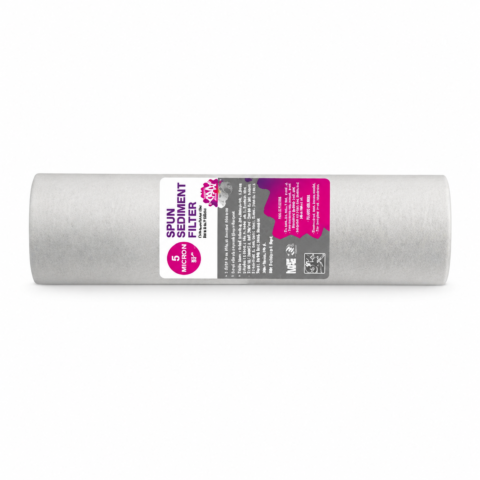
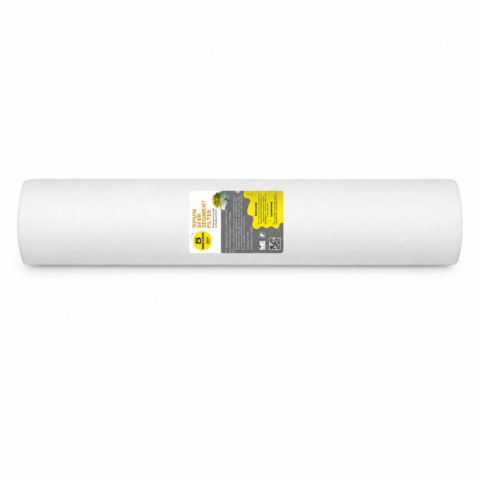
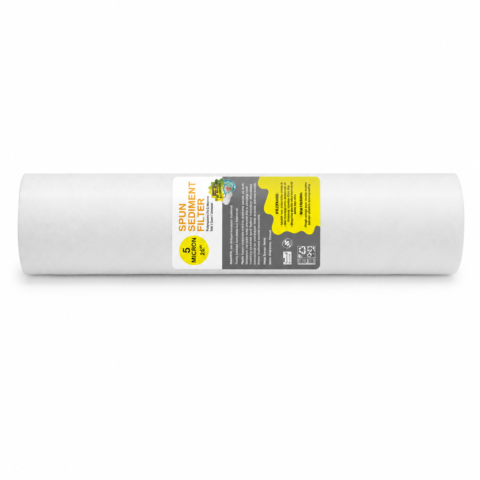
Made by compressing melt-blown polypropylene fibres. The structure is denser at the surface and looser inside. It holds back sand, sediment, rust and silt. Economical and widely used.
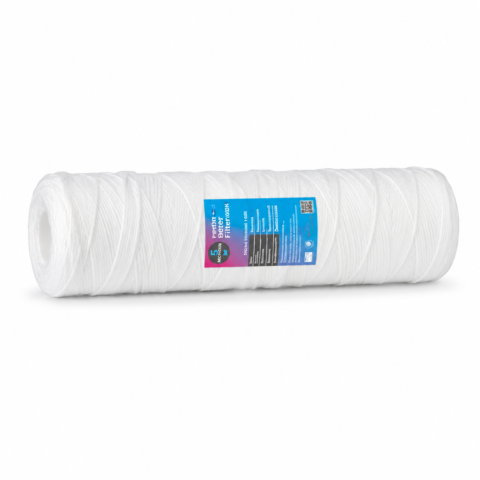
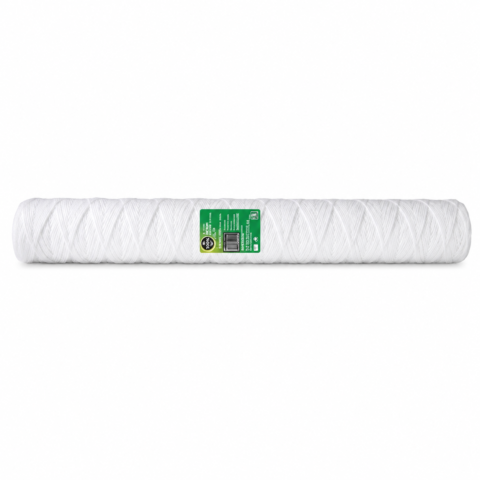
Made by winding yarn onto a porous core. The pore structure, graded from the outside in, lets it hold particles throughout its volume rather than only at the surface. At the same micron rating it offers more dirt-holding capacity than a spun cartridge, and extends the replacement interval on water heavy with sediment.
| Product | Price |
|---|---|
| 10 inch 5 Micron Big Blue Cartridge | 735.28 TL |
| 20 inch 5 Micron Big Blue Cartridge | 1,470.55 TL |
| Jumbo 10 inch String | 1,470.55 TL |
| Jumbo 20 inch String | 2,941.10 TL |
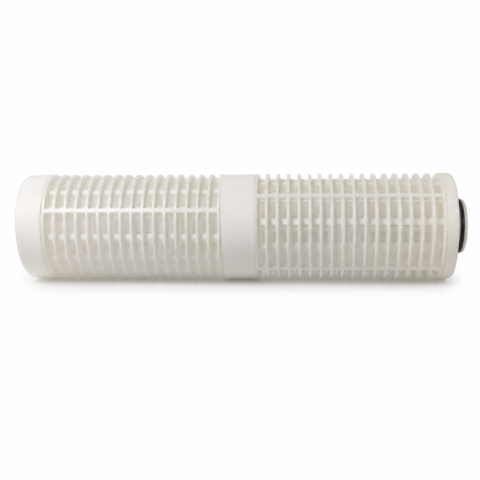
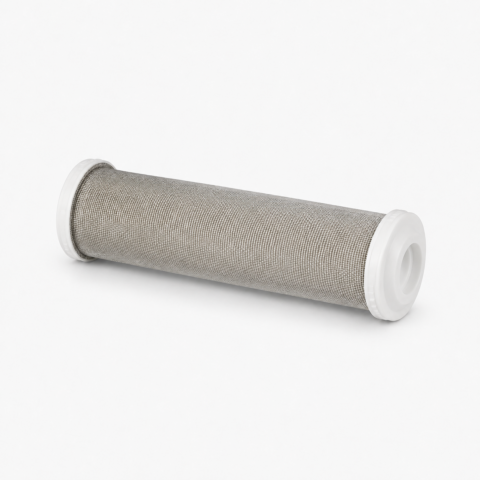
It is a stainless steel mesh screen and is not thrown away; it is taken out, cleaned and used again. Placed ahead of consumable cartridges it extends their life — on well water lines it is the investment that pays back most.
| Product | Price |
|---|---|
| 10 inch Washable Filter | 686.26 TL |
| 20 inch Washable Filter | 1,470.55 TL |
| 10 inch Washable Steel Filter | 1,470.55 TL |
| 20 inch Big Blue Collared | 3,431.29 TL |
The carbon stage holds back chlorine and the taste and odour compounds that come with it. In reverse osmosis systems it also has a critical protective job: chlorine wears the membrane surface, so the carbon stage must always sit ahead of the membrane.
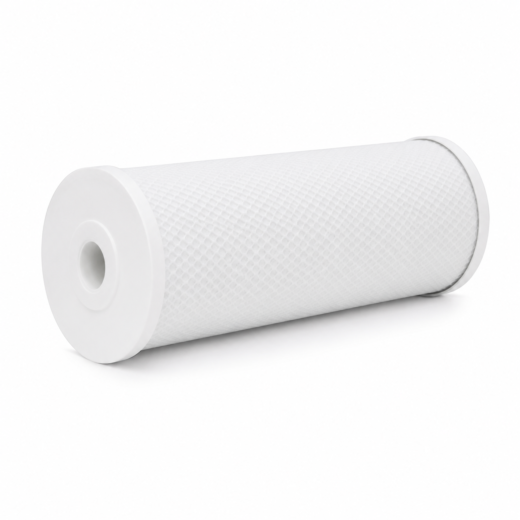
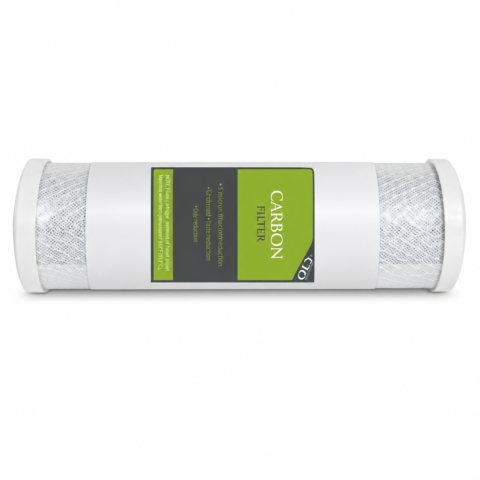
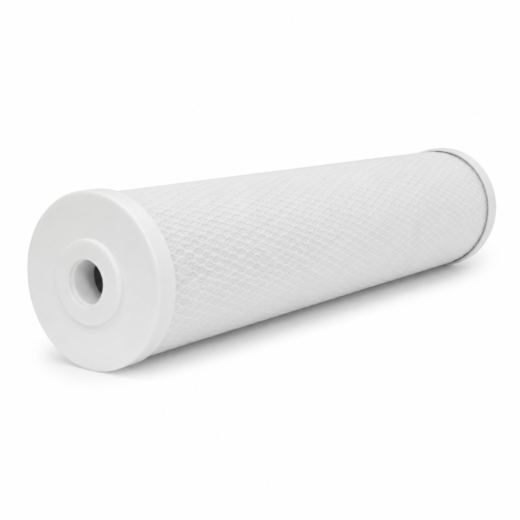
Made by pressing activated carbon powder into a block. Its tight structure lets it work both as a chemical adsorber and as a fine sediment filter. Pressure loss is slightly higher than with GAC.
| Size | Price |
|---|---|
| 10 inch CTO | 490.18 TL |
| 20 inch CTO | 980.37 TL |
| 10 inch Big Blue CTO | 1,470.55 TL |
| 20 inch Big Blue CTO | 2,941.10 TL |
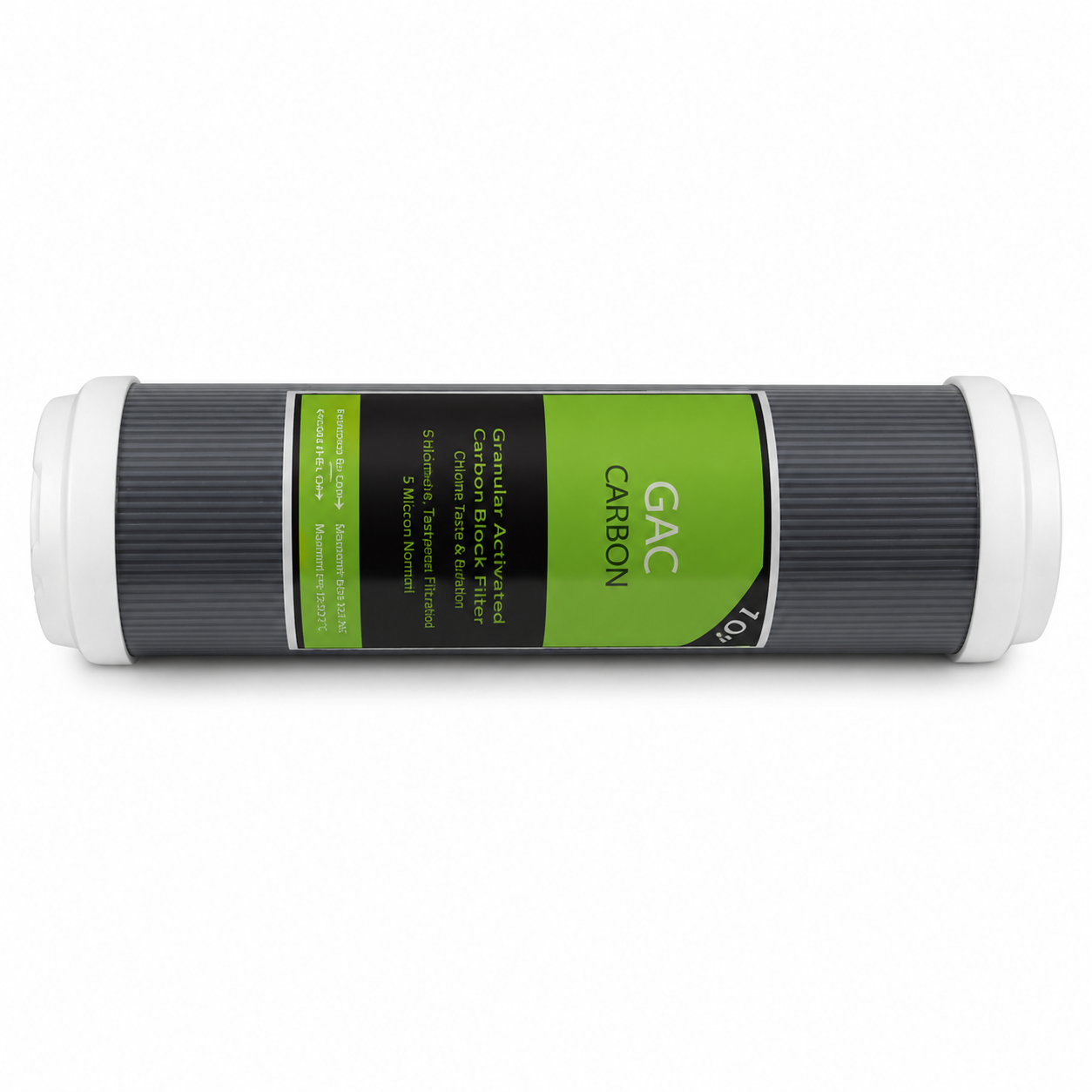
It holds a bed of granular carbon; the water makes contact as it passes through that bed. Pressure loss is low, so it affects the flow rate less. In reverse osmosis systems it is also mostly used as the final stage after the membrane.
| Size | Price |
|---|---|
| 10 inch GAC | 490.18 TL |
| 20 inch GAC | 1,225.46 TL |
| 10 inch Big Blue GAC | 1,470.55 TL |
| 20 inch Big Blue GAC | 2,941.10 TL |
In tank-type systems a bulk carbon bed is used instead of cartridges; for detail see our Activated Carbon Filters category.
Because reverse osmosis holds back the greater part of the dissolved salts, the water leaving it can be low in minerals and low in pH. The mineral and alkaline cartridges used in the final stage are fitted to raise those values.
| Product | Price |
|---|---|
| 5-Stage Mineral Filter | 441.17 TL |
| pH Alkaline Filter | 1,715.64 TL |
| pH Alkaline Mineral Filter Set | 2,205.83 TL |
| Pentek GS10-CAL/RO Alkaline Filter | 2,205.83 TL |
| Taste Filter | 490.18 TL |
The stage order is not arbitrary. Each stage protects the next; when the order is broken, the expensive part is used up early.
| Stage | Filter | Its job | Part it protects |
|---|---|---|---|
| 1 | Washable steel (optional) | Coarse sediment | Sediment cartridge |
| 2 | Spun or string-wound sediment | Sand, sediment, rust | Carbon cartridge |
| 3 | CTO carbon block | Chlorine, taste, odour | Membrane |
| 4 | Reverse osmosis membrane | Dissolved salts | — |
| 5 | GAC post-carbon | Final taste correction | — |
| 6 | Mineral / alkaline | Minerals and pH | — |
Buying a ready-made set matched to your unit, instead of picking the stages one by one, removes the risk of a size or ordering mistake.
The calendar is a good starting point but is not enough on its own. How heavily the system is used and the quality of the water shift the intervals noticeably. The three signs below show that you need to act before the calendar says so. Intervals by filter type and the replacement steps are set out in our water filter replacement guide.
| Filter | Mains water | Well / hard water |
|---|---|---|
| Spun sediment | 6 months | 3–4 months |
| String-wound sediment | 6–8 months | 4–6 months |
| CTO carbon | 6–12 months | 6 months |
| GAC carbon | 6–12 months | 6 months |
| Mineral / alkaline | 12 months | 12 months |
| Washable steel | Scheduled washing | More frequent washing |
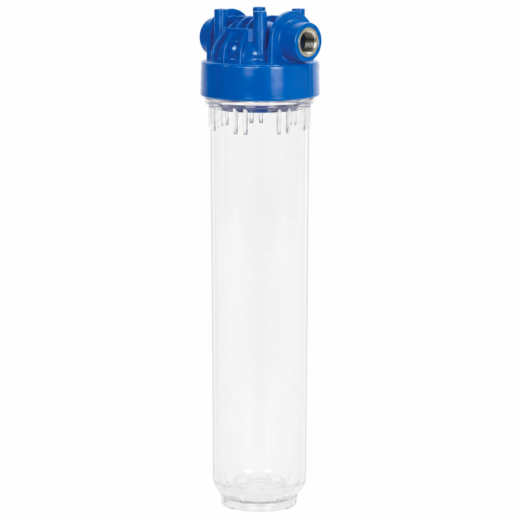
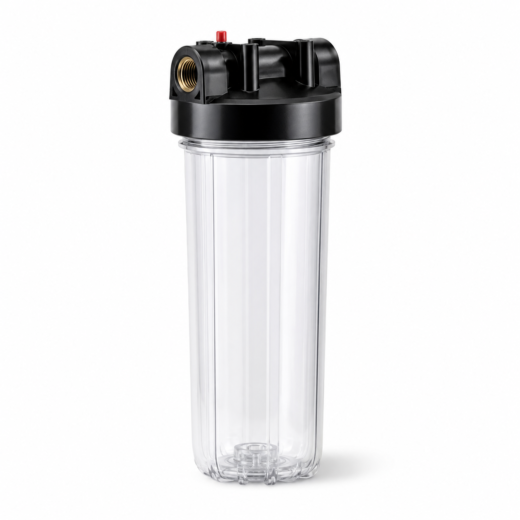
The clear or opaque body that carries the cartridge is called the filter housing. The housing needs to be right just as much as the cartridge; the housing size sets the cartridge size, and the connection size sets the flow rate of the line.
The most common inlet–outlet sizes on housings are 1/4″, 1/2″, 3/4″ and 1″. Under-sink units generally use 1/4″ push-fit fittings. On flat and building inlets you see 3/4″ or 1″ threaded connections; for set-ups at that scale see our building inlet water filters category. Reducing the connection size limits the flow rate of the line however good the cartridge is; when a housing is chosen, the connection size must therefore be taken into account alongside the cartridge size.
Housings that carry membranes are different and are built to withstand pressure.
| Product | Price | Where it is used |
|---|---|---|
| RO Membrane Housing | 980.37 TL | Domestic |
| RO 8″ Membrane Vessel — 5-element | 80,880.36 TL | Industrial 8 inch membranes |
The same unit behaves differently on different waters. Choosing the filter according to the particular problem in your water reduces both the cost and how often faults occur.
Sediment is generally low and chlorine is present. A standard set-up is enough: 5 micron sediment, then CTO carbon. Chlorine control is the main job of the carbon stage and directly affects the life of the reverse osmosis membrane.
The load of suspended solids, iron and manganese is high. Rather than starting straight away with a consumable cartridge, putting a washable steel filter ahead of it brings the cartridge cost down noticeably. Strengthening the coarse stage is more effective than increasing the number of stages. For detail see our Well Water Treatment category.
Cartridge filters do not remove hardness. A limescale problem is solved by ion exchange, that is by a softening system. The filter stage is used here to protect the softening system: sediment fouls the resin bed and upsets the working of the valve. Water softener installations must not leave the pre-filter out.
The carbon stage comes to the fore. Increasing the cartridge size for enough contact time — using 20 inch or Big Blue instead of 10 inch — makes a marked difference on its own. Because carbon starts to release what it had held once it is saturated, a late replacement makes the problem worse.
The way to bring filter costs down is not to buy cheaper cartridges but to make the cartridge work less hard. The four practices below noticeably extend the replacement interval on the same system.
This category lists filter products. If you contact us with the brand and model of your unit, we can work out the right cartridge set together.
On most systems a cartridge change is a 15–20 minute job. When the order is kept and the pressure is released, little is likely to go wrong.
When a change is due, the 6-step procedure and the cost items are covered separately in our guide Changing Water Treatment Filters: When, How and Why.
A cartridge is a consumable part, whereas a housing is used for years — but not for ever. Clear housings go cloudy and brittle over time through sunlight and pressure cycling. If you see a crack, whitening or deformation around the thread on the body, the housing must be replaced; a body working under pressure that cracks will cause a flood.
Looking at the thread area and the O-ring groove of the housing at every change is a good habit. A build-up of sediment stops the O-ring seating fully and leads to leaks over time. For most housings the manufacturer recommendation is renewal at around 5 years; on clear housings that period is shorter where the installation is in direct sunlight.
These two terms are often confused. A filter separates out the solids suspended in water and the compounds carbon can hold back; sediment, chlorine, taste and odour fall within that scope. A water purifier, on the other hand, generally means a system containing a reverse osmosis membrane, and it also separates out the salts dissolved in the water.
If your problem is cloudiness, sediment, a chlorine taste or an odour, a filter stage is usually enough. If the problem is limescale, the answer is ion exchange, that is a softening system; a cartridge filter does not remove hardness. If you want to bring down the amount of dissolved salts, that is to lower the TDS reading, you need a system with a membrane. The most practical way to tell which of these three problems you have is to measure TDS and hardness; both give a result in a few minutes and let you choose the right investment.
Many of the products people search for as a “water filter” are not unit cartridges but small filters used in the kitchen, the bathroom or the fridge. They do not do the same job as cartridge stages; knowing which need each one meets makes the right choice easier.
If the dissolved solids (TDS) and limescale level of drinking water need to come down, these filters are not enough; a reverse osmosis water purifier is needed.
The same filter types are used at different scales and sizes. What decides the choice is the flow rate: how many litres of water will pass the point directly determines which size is needed.
| Use | Typical size | Number of stages | Main requirement |
|---|---|---|---|
| Under-sink domestic | 10 inch standard | 5–6 | Drinking water quality |
| Flat inlet | 10 inch Big Blue | 2–3 | Sediment and chlorine control for the whole flat |
| Building inlet | 20 inch Big Blue | 2–3 | High flow rate, low pressure loss |
| Commercial kitchen | 20 inch Big Blue | 3 | Equipment protection |
| Industrial-type | 20–30 inch multiple housings | 2–4 | Pre-treatment ahead of the process |
| Industrial line | 30–40 inch multiple housings | 2–4 | Membrane protection, continuity |
As the scale grows, so do the number and the diameter of the filter housings; cartridges are connected in parallel to meet the flow rate. Industrial water treatment and industrial packaged systems call for a filter selection calculated from the total flow rate of the line and its operating hours.
The prices below are the current values on the product pages and include VAT.
Ready-made sets are the most common purchase for yearly maintenance. The stage contents are taken from the technical details on the product pages; choose by comparing them with your unit's number of stages and housing size.
| Set | Stages | Price |
|---|---|---|
| 5-Piece Filter Set | 5-micron sediment, GAC, CTO, reverse osmosis membrane, post-carbon taste filter; connection elbows included | 2,941.10 TL |
| 5-Piece Water Filter Set | 5-micron sediment, GAC, CTO, membrane (optional), post-carbon / taste filter; standard 10-inch housing | 3,186.20 TL |
| 3-Piece Filter Set | Sediment, GAC and CTO; 10-inch pre-filter set fitted before the membrane | 2,696.01 TL |
| 3-Piece Filter Pack | 5-micron sediment, GAC and CTO; connection elbows included, standard 10-inch | 1,960.74 TL |
| Filter | 10 inch | 20 inch | 30 inch | 40 inch |
|---|---|---|---|---|
| Spun sediment | 196.07 TL | 490.18 TL | 588.22 TL | 882.33 TL |
| String-wound sediment | 490.18 TL | 980.37 TL | 1,176.44 TL | 980.37 TL |
| CTO carbon | 490.18 TL | 980.37 TL | — | — |
| GAC carbon | 490.18 TL | 1,225.46 TL | — | — |
| Big Blue sediment | 735.28 TL | 1,470.55 TL | — | — |
| Big Blue CTO | 1,470.55 TL | 2,941.10 TL | — | — |
| Big Blue GAC | 1,470.55 TL | 2,941.10 TL | — | — |
| Jumbo string-wound | 1,470.55 TL | 2,941.10 TL | — | — |
| Washable | 686.26 TL | 980.37 TL | — | — |
Mineral and alkaline stage: 5-Stage Mineral Filter 441.17 TL, pH Alkaline Filter 1,715.64 TL, pH Alkaline Mineral Set 2,205.83 TL, Pentek GS10-CAL/RO 2,205.83 TL, Taste Filter 490.18 TL. Ready-made sets range from 1,470.55 TL to 3,186.20 TL.
Address: Mehterçeşme Mah. 1919 Sk. No: 54/B Esenyurt / İstanbul.
Cannot find the spare part you are looking for?
Send us the brand and model of your unit and we will work out the right filter, membrane, valve or resin together. The site survey is free if the unit is purchased from us; if only a site survey and measurement are requested, a site survey fee of 2,000 TL applies.
0850 304 95 25WhatsApp[email protected]The most common value in the first stage of domestic and commercial systems is 5 micron. A smaller micron figure is not always better; as the pores narrow the filter clogs quickly and the flow rate drops. On water heavy with sediment the right approach is to use a coarse stage first (washable steel or 10 micron) and then 5 micron.
Both are sediment filters. The spun filter is economical and widely used. The string-wound filter, thanks to its graded pore structure, holds particles throughout its volume and so offers more dirt-holding capacity at the same micron rating; it extends the replacement interval on well water and on water high in sediment.
No. A Big Blue cartridge is roughly 11 cm in diameter and a standard cartridge roughly 6 cm. They do not fit each other's housings. To tell which type your housing is, it is enough to measure the diameter of the cartridge currently in it.
CTO is activated carbon powder pressed into a block; alongside holding back chemicals it also behaves like a fine sediment stage, and its pressure loss is slightly higher. GAC is granular carbon, its pressure loss is low, and it is generally used in the final stage after the membrane. In reverse osmosis systems it is important that the carbon stage sits ahead of the membrane.
The sediment filter is not the only cause. The pre-charge pressure of the storage tank may have dropped, the membrane may be blocked, or the feed pressure may be insufficient. You need to check the pre-filters, the tank pressure and the pump in that order.
A cartridge change is usually a simple job. First close the main valve and release the pressure in the line, undo the housing with a spanner, change the cartridge, check the O-ring and seat it properly, then tighten the housing. With carbon cartridges, run the water for a few minutes at first use. If you are not sure, you can get support from our service team.
A typical 5-stage domestic set contains, in order, a sediment filter, CTO carbon, GAC carbon, a reverse osmosis membrane and a final mineral or post-carbon filter. Sets with 3 stages have no membrane; with sediment and carbon stages they aim at control of sediment, chlorine, taste and odour.
Size, type and filter surface are what decide it. A 10 inch spun filter starts at 196.07 TL, while the 40 inch version of the same type is 882.33 TL. Because Big Blue cartridges offer far more filter surface at the same length, their prices are above those of standard cartridges. All our prices include VAT and our sales are invoiced.
Questions? Talk to our specialist directly.
WaterAI