
Boiling Tap Water: What It Solves and What It Does Not

When there is any doubt, the first answer that comes to mind is always the same: boil it, then drink it. But is boiling tap water really enough? The answer splits in two. Boiling is an effective and proven method against microorganisms; against that it has no beneficial effect at all on dissolved components such as limescale, nitrate, heavy metals and salinity. In some cases it even raises their concentration.
This article takes the subject up under six headings: what boiling removes, what it does not, how long it takes, the concentrating effect, how it differs from treatment, and in which case it counts as enough. The aim is neither to dismiss the habit of boiling tap water as unnecessary nor to think it stronger than it is.
What Does Boiling Tap Water Remove?
Boiling renders inactive the bacteria, viruses and parasites that may be in water. High temperature breaks down the structure of those organisms and removes their ability to multiply. In that respect boiling is the most accessible method recommended worldwide in emergencies and with suspect water sources.
And that is exactly where the effect stops: boiling tap water is a method that reduces microbiological risks, not a method of treatment. It acts on living organisms; it does not act on dissolved chemical components.
There is a secondary benefit too. During boiling, part of the volatile components leaves with the steam. So boiling tap water can reduce chlorine-related smell and taste to some degree. But that is a side effect, not the aim.
On safe water methods to apply in emergencies, the US Environmental Protection Agency’s guide to drinking water safety in emergencies offers a workable framework.
What Does Boiling Tap Water Not Remove?
Boiling does not remove the calcium and magnesium that cause hardness, nitrate, heavy metals, salinity or pesticide residues. Those components are in solution in the water and do not evaporate at boiling temperature. As the water evaporates, their proportion in the liquid left behind rises.
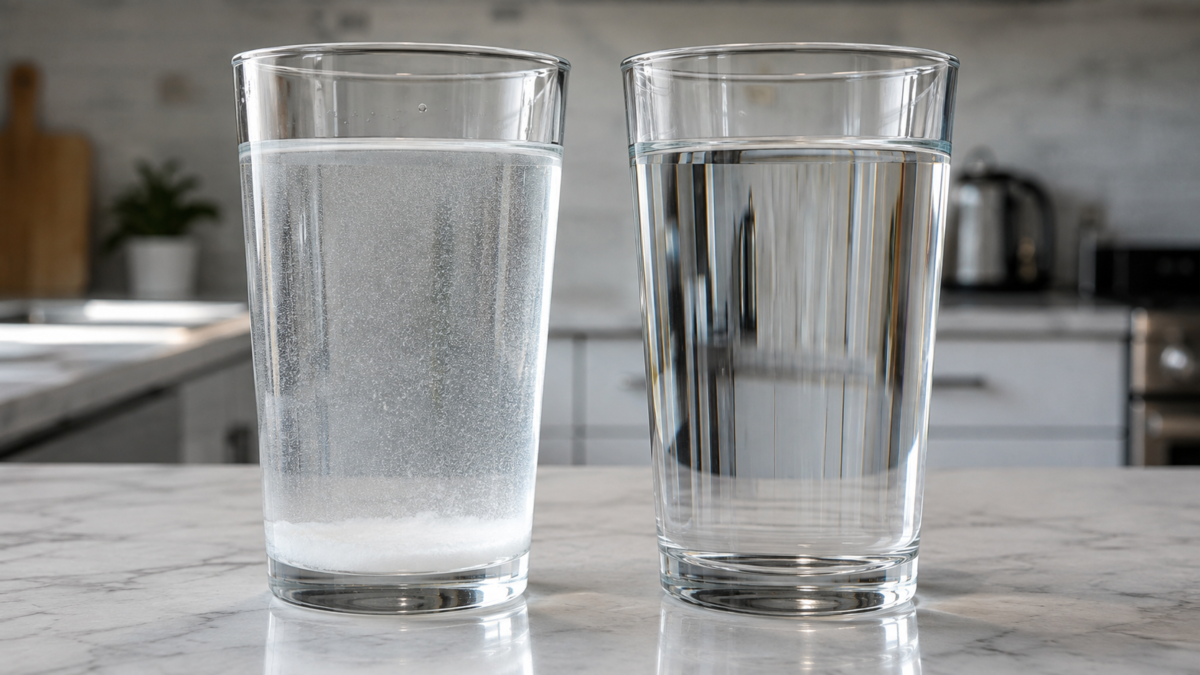
That is the most common misconception about the habit of boiling tap water. Seeing white deposit at the bottom of boiled water does not mean the limescale has gone; it only shows that it has changed places.
| The Component | What Boiling Does | The Right Method |
|---|---|---|
| Bacteria, viruses, parasites | It removes them effectively | Boiling or ultraviolet |
| Limescale (calcium, magnesium) | It does not remove it; it partly precipitates it | Softening by ion exchange |
| Nitrate | It does not remove it; it raises the concentration | Reverse osmosis |
| Heavy metals | It does not remove it; it raises the concentration | Reverse osmosis and special stages |
| Salinity | It does not remove it; it raises the concentration | Reverse osmosis |
| The smell of chlorine | It reduces it partly | An activated carbon stage |
| Sediment and turbidity | It does not remove | Mechanical filtration |
As the table shows, the boiling tap water is fully effective only in the first row. In the other rows it is either ineffective or makes matters worse. That distinction is decisive for using the method in the right place.
We took up in detail why limescale does not go with boiling and what the lasting answer is in our why does limescale form in water article.
The Concentrating Effect: The Other Side of Boiling
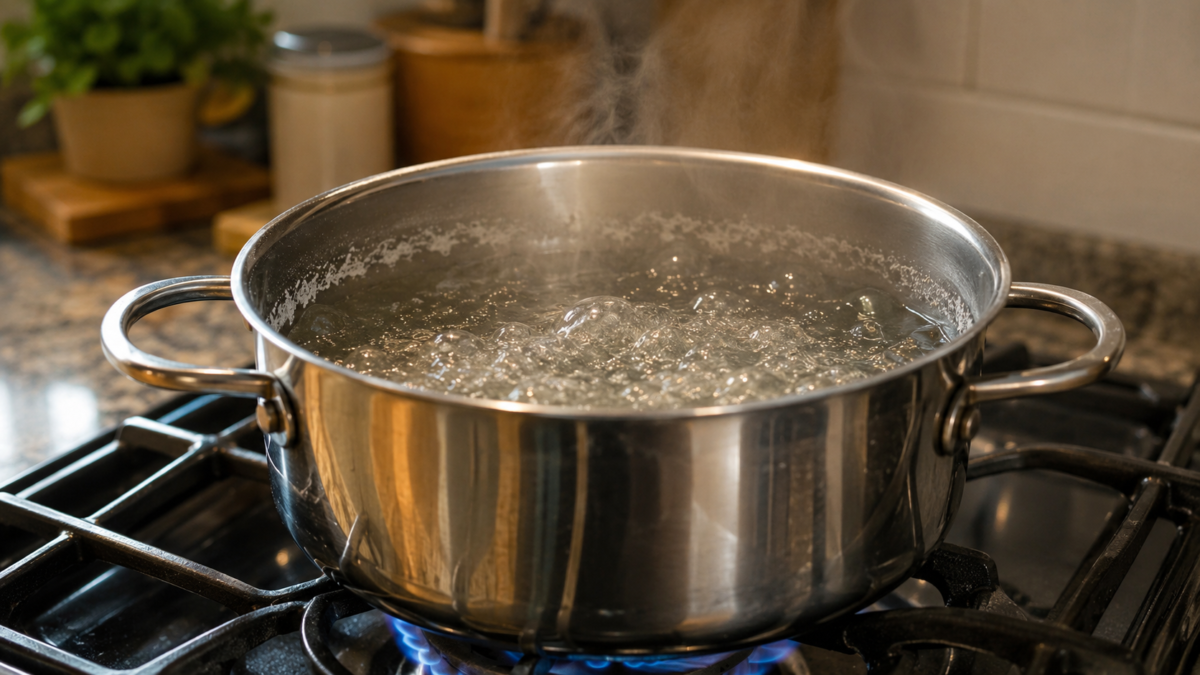
During boiling the water evaporates while the dissolved substances stay in the pan. As the volume of water falls, the proportion of those substances per litre rises. So in water boiled for a long time the nitrate, heavy metal and salinity values can end up higher than they were at the start.
The rise in concentration during boiling tap water is directly proportional to the amount of water lost. In a minute of boiling the loss of volume is negligible; but in water simmered for half an hour the difference becomes measurable.
So the practical rule is this: boiling tap water should be short and controlled where it is needed. Boiling for a long time does not raise safety, it only raises the concentration.
We explained how the dissolved solids load is followed in our what is TDS article. If you want to see the change for yourself, you can take a measurement before and after boiling with a simple TDS meter.
On water where nitrate is suspected to be high, boiling does not improve matters but makes them worse. In areas using well water in particular, that risk is real. Where there is such a suspicion, an analysis should be done first and then a suitable treatment method chosen.
How Long Does It Need to Be Boiled?
International guidelines consider one minute of boiling, from the point where the water reaches a rolling boil, to be enough. At high altitude, where the boiling temperature is lower, that time goes up to three minutes. Boiling for longer adds nothing to safety.
The order to follow in practice is this:
-
Clear It
If the water is cloudy, strain it first through a clean cloth or let it settle and take the upper part. Cloudiness makes it harder for the heat to work.
Why: particles in suspension give microorganisms shelter. -
Wait for a Full Boil
Wait until dense bubbles form at the surface. Warm water or the first steam is not enough.
Why: the effect depends on temperature. -
Keep It for One Minute
Once the boil starts, keep it going for one minute; at high altitude extend the time to three minutes.
Why: extending the time brings not benefit but a rise in concentration. -
Cool It in a Covered Vessel
Bring the water to room temperature with the lid on; do not leave it standing open.
Why: in an open vessel there is a risk of re-contamination. -
Store It in a Clean Vessel
Store it in a clean, odourless vessel that closes; ideally use it the same day.
Why: no protective residue is left in boiled water.
The detail in that last item is often missed. Boiling tap water makes the water safe at that moment, but does not give it any lasting protection. Because the residual chlorine in mains water is driven off during boiling, boiled water is more open to re-contamination.
The Difference Between Boiling Tap Water and Treatment
Boiling targets living organisms, while treatment separates dissolved and suspended components. The two are not rivals but methods with different jobs. Where there is both microbiological and chemical suspicion about a water, boiling on its own is not enough.
When the scope of boiling tap water and of treatment are set side by side, the difference becomes clear:
It targets living organisms
It is a heat-based method; it reduces microbiological risks; it needs no equipment.
- It is effective against bacteria, viruses and parasites
- It has no effect on chemical components
- It can raise the concentration somewhat
- It gives no lasting protection
It separates components
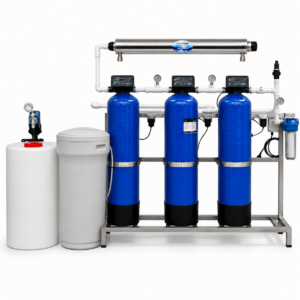
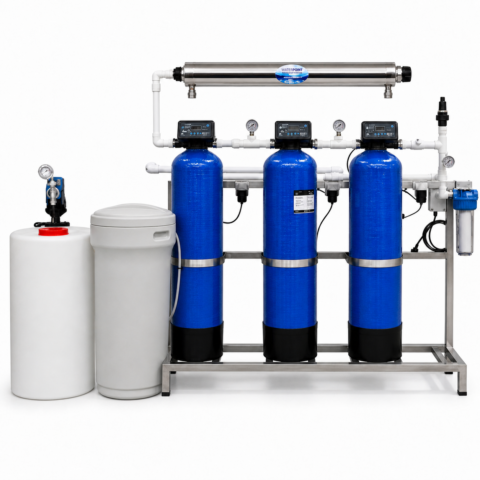
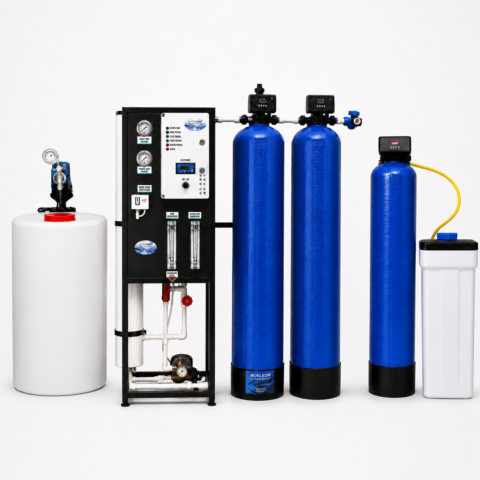
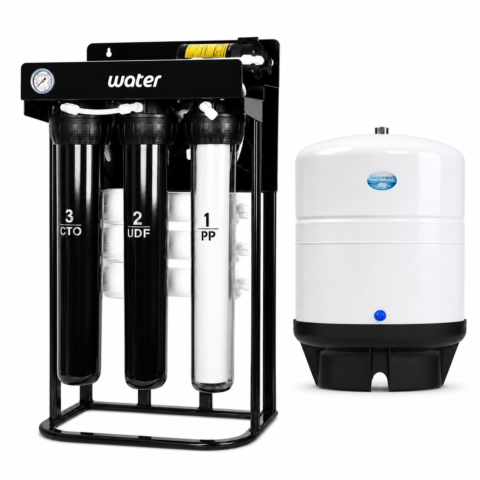
It is a staged system; every stage takes on a different load.
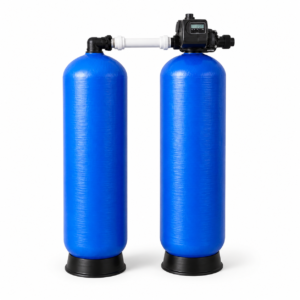
- It holds sediment and cloudiness mechanically
- It removes chlorine and odour components with carbon
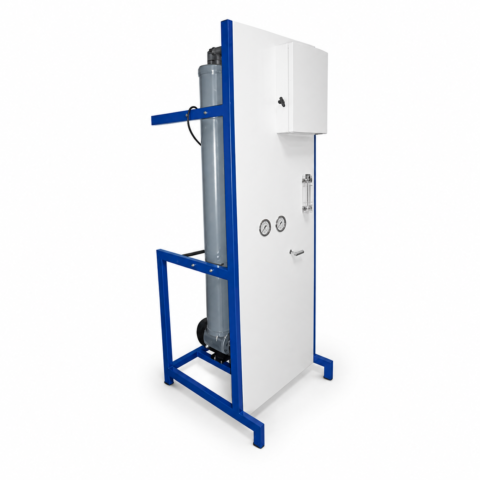
- It separates the dissolved load with a membrane
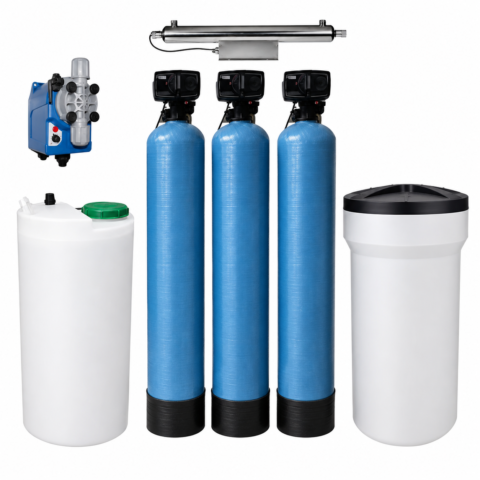
- It adds microbiological assurance with ultraviolet
We explained how reverse osmosis separates dissolved components in our how reverse osmosis works article, and how ultraviolet works on the microbiological side in our how UV water treatment works piece.
For chlorine-related smell there is no need to boil; an activated carbon stage does that job more effectively. We took up the details in our how chlorine is removed from water article.
| The Need | Is Boiling Enough? | A Suitable Solution |
|---|---|---|
| Microbiological suspicion after an interruption | Yes, as a temporary answer | One minute of boiling |
| Continuity in a building with a tank | No | An ultraviolet unit |
| Chlorine smell and taste | Partly | A staged filter set |
| Nitrate or heavy metal suspicion | No, it has adverse effects | A reverse osmosis unit |
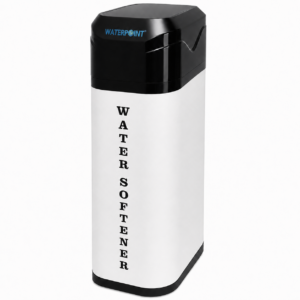
| Limescale and hardness | No | A water softening system |
| A quick improvement in a small volume | Partly | A water filter jug |
How Should Boiled Water Be Stored?
Boiled water should be cooled to room temperature in a clean, odourless vessel with the lid on, and ideally used the same day. Dust and microorganisms can build up again in water left standing open; and because no protective residue is left after boiling, it is defenceless against re-contamination.
When the storage conditions are ignored, the safety gained by boiling tap water can be lost within a few hours. So boiling tap water is not an answer on its own but a practice completed by storing the water correctly.
We took up why water standing in a tank changes character and what measures should be taken in our why tank water goes bad article.
Pouring water that has not yet cooled into a plastic vessel is unsuitable both for smell and for the material. It is better to cool the water in the pan you boiled it in or in a glass vessel. The smell of the vessel can easily undo the improvement in taste that boiling tap water gives.
5 Common Misconceptions About Boiling
The five heard most often are these: that boiling destroys limescale, that boiling for longer is safer, that boiled water can be stored for a long time, that boiling removes every kind of contamination, and that boiling is still necessary when you have a treatment system. All five are common and all five are wrong.
It destroys limescale
No. The mineral does not leave the pan, it only settles to the bottom. Most of the hardness stays where it was.
Boiling longer is better
No. After one minute there is no added benefit; only a loss of water and a rise in concentration.
It can be stored for days
No. Because no protective residue is left, it is open to re-contamination and should be used the same day.
It removes every contamination
No. It has no beneficial effect at all on nitrate, heavy metals and salinity.
The fifth misconception is the one repeated most: the idea that water should be boiled as well when there is a well-maintained treatment system. On a system whose stages are renewed on time, that step is unnecessary. Where microbiological assurance is wanted in buildings with a tank, the right answer is not boiling tap water every day but adding an ultraviolet stage to the line.
What those misconceptions have in common is that boiling produces a visible result. The white deposit appearing in the bottom of the pan gives the impression that something has been removed. Yet that deposit is simply the mineral that was dissolved in the water, having changed place.
We took up the reasons for the change in the taste of water in detail in our what determines the taste of water article.
Does Boiling Tap Water Make a Difference in Tea, Coffee and Cooking?
Because the water is boiled anyway for tea and coffee, no extra step is needed on the microbiological side. But the hardness and mineral load of the water affect the aroma directly; in hard water the colour of tea dulls and a fine film forms on the surface. So the issue here is not safety but flavour.
A similar position holds when cooking. Water reaching boiling temperature becomes microbiologically safe; against that, the hardness of the water can lengthen the cooking time of foods such as pulses.
So in the kitchen, boiling tap water is already applied as a hygiene step. The variable that really makes a difference is the composition of the water used. That is usually why the same beans and the same pot give two different results.
In commercial kitchens that effect shows up directly in product quality. Our water treatment in restaurants and hotels article, where we take the subject up in terms of equipment life and flavour together, offers a practical framework.
Even if you are going to boil it, take the water from the cold tap. The hot water line has been in contact with the heater and the plumbing for longer, and that means a higher load of metal and deposits. Boiling tap water does not remove that load.
When Is Boiling Enough, and When Is It Not?
Boiling is enough in temporary microbiological suspicion, such as after an interruption, a flood or a natural disaster. Against that it falls short on lasting chemical headings such as hardness, nitrate, heavy metals and salinity. And where continuity is needed, boiling every day stops being a practical answer.
Deciding about boiling tap water starts with three questions: is the suspicion microbiological or chemical, is it temporary or lasting, and how much do you use each day? Adding energy, storage and taste takes the assessment to six points.
- The type of suspicion: If it is microbiological, boiling is effective; if it is chemical, it is not.
- The nature of the period: It suits a temporary situation; it does not suit a lasting problem.
- The amount used: Where the need runs beyond a few litres a day, boiling is not sustainable.
- The energy cost: The energy equivalent of boiling every day becomes a serious item over time.
- The storage conditions: If it cannot be stored in a suitable vessel, the safety gained is lost.
- The expectation on taste: Boiled water is generally perceived as flatter once it has cooled.
When you weigh those six items together, the picture becomes clear. Boiling tap water is an emergency answer; it is not a lasting water quality strategy.
To see which heading stands out in your water, an analysis is needed first. We listed which parameters to look at in our how a water analysis is done article. And we took up the general safety framework of mains water in our is mains water safe article.
The position is different where well water is used; there is no monitoring mechanism there and the nitrate risk is more marked. We examined that subject in our whether well water is safe to drink article.
How Do You Move From Boiling to a Lasting Answer?
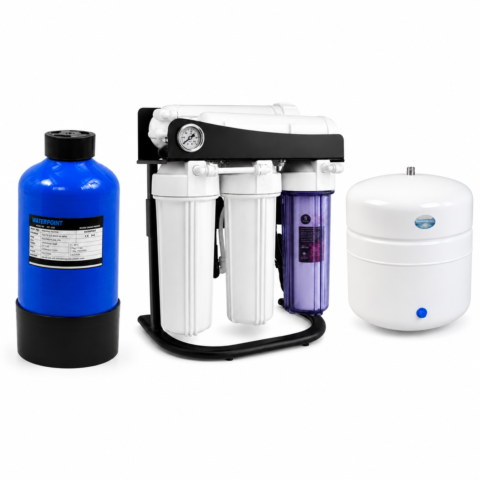
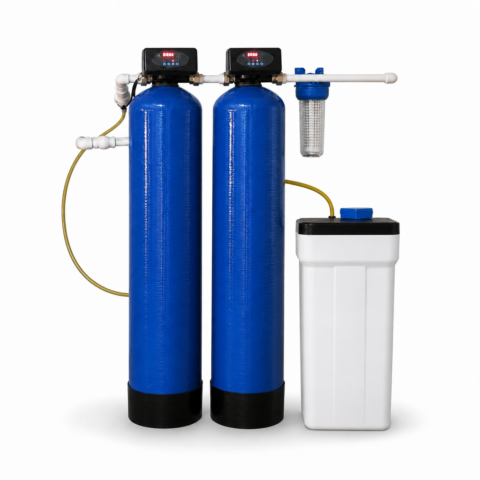
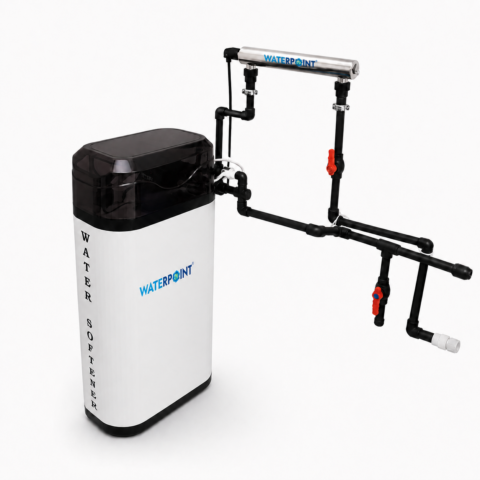
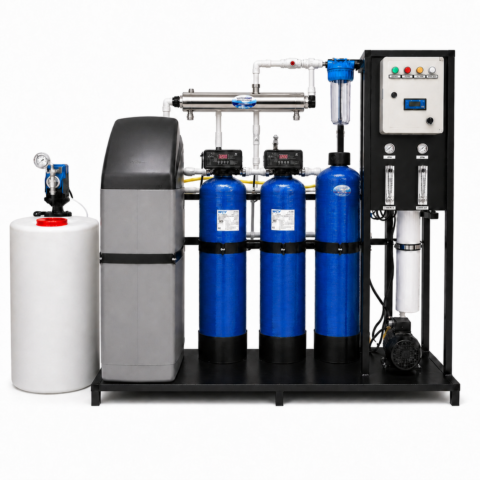
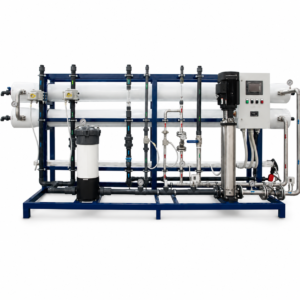
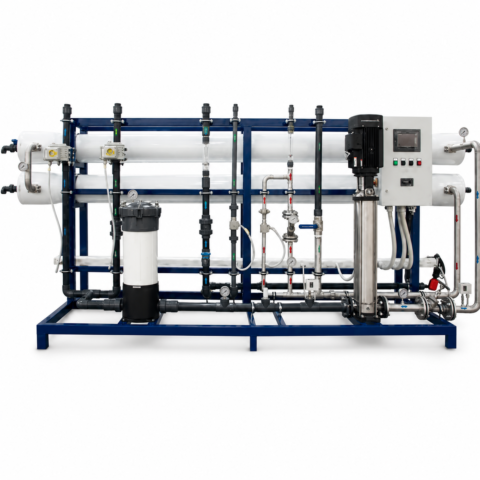
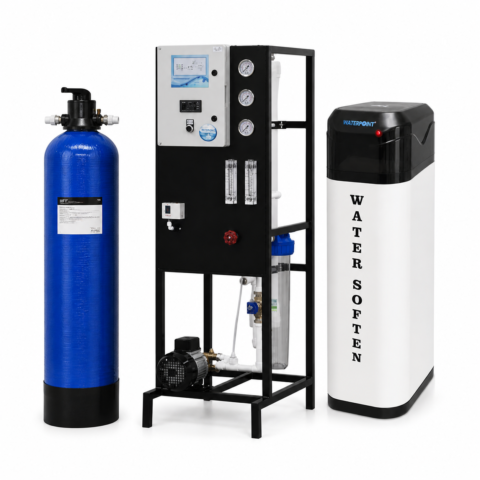
The move is planned in three steps: first the type of suspicion is established by analysis, then the stage that suits the need is chosen, and last the point of installation is decided. Where microbiological assurance is wanted, ultraviolet comes to the front; where the dissolved load is high, reverse osmosis; and where there is only a taste and odour problem, a carbon stage.
Those three steps turn the habit of boiling every day into a one-off investment. The amount used and the point of use are taken into account when deciding.
When Does Boiling Make Sense?
- Where there is temporary suspicion after an interruption or a disaster
- Where the water authority has issued a warning
- When travelling and with water of unknown source
- Where the daily need is limited to a few litres
- Where there is no access to extra equipment
- Where the problem is only microbiological in nature
When Is a Lasting Answer Needed?
- Where the hardness is high and there is limescale build-up
- Where nitrate or heavy metals are suspected
- Where continuity is wanted in a building with a tank
- Where daily consumption is high
- Where complaints of taste and odour are lasting
- Where a commercial kitchen or a business is involved
The items in the left column describe temporary situations; there boiling tap water is a right and sufficient choice. The right column contains the headings calling for continuity, and they are not solved by boiling.
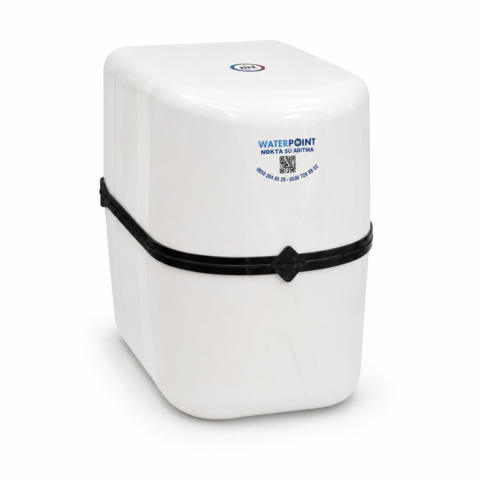
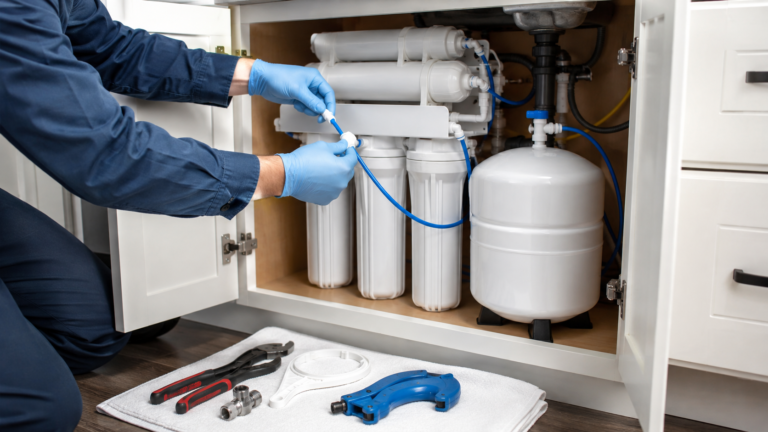
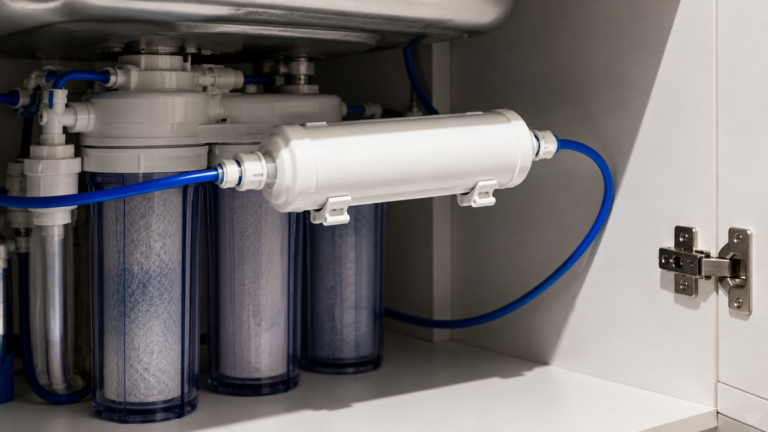
We took up choosing a model on the kitchen side step by step in our how to choose a water purifier guide. For solutions with ultraviolet support fitted under the counter you can look at the under-counter UV water treatment unit option.
Once the system is installed, only one habit is needed: renewing the stages on time. A saturated stage does not do its job and takes the user back to the start. We took up how the renewal period is set in our filter change guide.
In short, boiling tap water is a reliable measure when you have no other option. When you do have an option, it is an inefficient routine.
A one-off answer instead of boiling every day
You can look at the staged systems that provide microbiological assurance and chemical treatment together. The site survey and measurement are free if the unit is purchased from us.
See the Water Treatment SystemsFrequently Asked Questions About Boiling Tap Water
Does boiling tap water remove limescale?
No. Boiling precipitates part of the bicarbonates that make up temporary hardness, but the minerals do not leave the pan; they settle to the bottom. The compounds that make up permanent hardness are not affected at all. Even if you pour the water into another vessel, not all the hardness goes. The right method for limescale is softening based on ion exchange.
How many minutes should tap water be boiled?
One minute is enough from the point where the water reaches a rolling boil. At high altitude, where the boiling temperature is lower, the time goes up to three minutes. Boiling for longer gives no added safety; it only creates a loss of water and a rise in concentration.
Can I keep the water I boil in the fridge?
Yes, but it should be in a clean, odourless vessel with the lid on. Because no protective residue is left in boiled water, it is open to re-contamination. It is best used the same day.
Why does boiled water taste flat?
During boiling, the gases dissolved in the water are driven off. Because those gases give the taste its liveliness, boiled water once cooled is perceived as flatter and duller on the palate. That is not spoilage but an expected result.
Is boiling tap water every day healthy?
There is no objection to it on the microbiological side. But if the chemical content of the water is high, boiling every day brings no advantage, because it raises the concentration of those components. It is also not a method that is sustainable over the long term in terms of energy cost and practicality.
Does boiling in a kettle count as enough?
If the water reaches full boiling point and stays there for one minute, it is enough. Some automatic kettles cut the circuit as soon as the boil starts, so the time can be short. In that case you have to watch how the kettle behaves after the boil.
Does boiling tap water reduce nitrate?
No, the opposite happens. Nitrate does not evaporate at boiling temperature; as the water evaporates its proportion in the liquid left behind rises. On water where nitrate is suspected, treatment based on reverse osmosis should be preferred instead of boiling.
Is it necessary to boil tap water after an interruption?
The first water after an interruption can run cloudy and full of sediment. The first thing to do is run the line until the water clears. If the water authority has issued a boiling warning, or if the cloudiness lasts a long time, boiling is a suitable measure before using the water for drinking.
Do I need to boil when I have a treatment unit?
On a system that is maintained regularly and whose stages are renewed on time, there is no need for extra boiling. In buildings with a tank, or where microbiological suspicion continues, adding an ultraviolet stage to the system is more practical and more reliable than boiling every time.
Conclusion
Boiling tap water is an effective and internationally accepted method against bacteria, viruses and parasites. One minute after a rolling boil, or three minutes at high altitude, is enough; boiling for longer gives no benefit. Against that, boiling is not a method of treatment: it does not remove limescale, nitrate, heavy metals or salinity, and as the water evaporates it raises the concentration of those components. Because no protective residue is left in boiled water either, it should be stored in a covered vessel and used the same day. The right approach is this: use boiling as a measure in temporary situations of microbiological suspicion, and where there is a lasting quality need, have an analysis done and choose the treatment stage that suits.
Let’s establish the right method for your water together
The site survey is free if the unit is purchased from us; where only a survey and measurement are wanted, a survey fee of ₺2,000 applies. For measurement and planning a solution you can reach us on 0850 304 95 25 or at [email protected].
See the Ultraviolet Solutions