
Is Mains Water Safe? The Last Hundred Metres
The water that comes out when you open the tap is the result of a long process: it is taken from a source, passes through the stages of a treatment plant, is chlorinated and reaches your home through kilometres of pipework. But is mains water really safe? The short answer is yes; but that answer has an important continuation: the safety is secured at the plant outlet, and the last stretch before it reaches the user is the responsibility of the building.
This article takes the subject up under six headings: where the water comes from, how it is treated, which regulations it is monitored under, where the risk begins, the complaints met with most often, and in which case extra treatment makes sense. The aim is to offer a view of mains water that is based on measurement — neither anxious nor indifferent.
What Is Mains Water and Where Does It Come From?
Mains water is drinkable water collected, treated and delivered to the user through a distribution line by the municipality or the water authority. Its source is generally reservoirs, lakes, rivers and deep wells. In most large cities those sources are used in a mixture, and the proportions can change with the season.
The type of source directly settles the character of the water. Surface waters are generally softer but call for more treatment for organic load and turbidity. Groundwater comes through clearer; against that, its mineral loads such as hardness and iron can be high.
So in two cities mains water can taste entirely different while meeting the same regulations. Compliance is a floor; character depends on the source.
How Is Mains Water Treated? 5 Stages
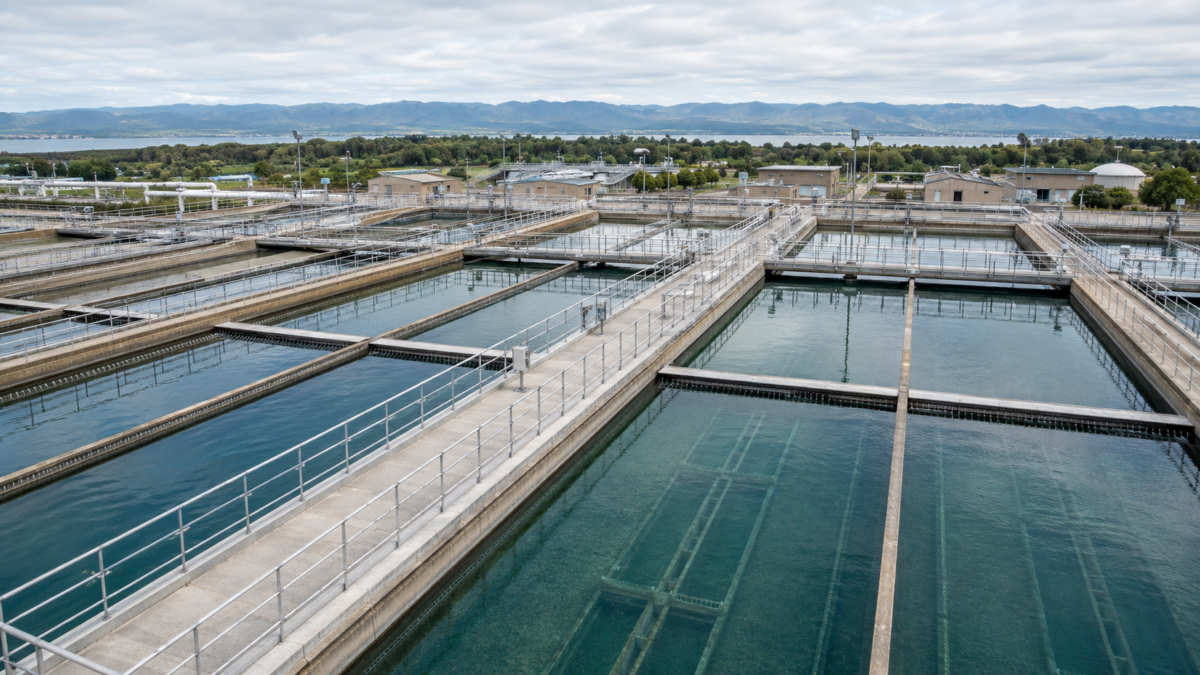
A classic drinking water treatment plant works in five stages: holding back coarse matter, coagulation and flocculation, settling, filtration and chlorination. At the end of that chain a certain amount of residual chlorine is deliberately left to keep protecting the water along the distribution line.
The order of the stages is not accidental; every step reduces the load on the next:
-
Holding Back Coarse Matter
Screens and grilles hold back leaves, branches and coarse particles. The aim is to protect the units that follow.
Result: the physical load is largely reduced. -
Coagulation and Flocculation
Very small particles in suspension are brought together with the help of a chemical into flocs that can settle.
Result: the grains that cause turbidity grow larger. -
Settling
The flocs, now heavier, settle to the bottom of wide basins and are separated from the water.
Result: the suspended solids fall markedly. -
Filtration
Sand and multi-layer filters hold the remaining fine particles; the water becomes clear.
Result: the turbidity falls below the measurable limits. -
Chlorination and Distribution
Microbiological safety is secured and a certain residue is left so that the protection continues along the line.
Result: the water becomes safe, and its odour and taste character can change.
The last stage is the step users notice most. Without residual chlorine there would be a risk of re-contamination along the line; so the residue is not a fault but a deliberate measure.
We took up the technical detail of sand filtration in our what is a sand filter article, and the working principle of UV (ultraviolet) treatment in our how UV water treatment works article.
For the global framework of drinking water safety, the World Health Organization’s drinking water fact sheet is a comprehensive reference.
Which Rules Is Mains Water Monitored Under?
In Türkiye the quality of water for drinking and domestic use is regulated under the Regulation on Water Intended for Human Consumption. Monitoring is carried out in three groups of parameters: microbiological, chemical and indicator parameters. The water authorities take samples regularly, the results are followed by the provincial health directorates and made public.
Those three groups answer different questions. Microbiological parameters relate directly to health risk, chemical parameters to long-term exposure, and indicator parameters to taste, odour, appearance and the effect on the plumbing.
| The Parameter Group | What Does It Measure? | What It Means for the User |
|---|---|---|
| Microbiological | The presence of bacteria and microorganisms | Direct health safety |
| Chemical | Components such as nitrate, heavy metals and arsenic | Long-term exposure |
| Indicator | Hardness, conductivity, iron, turbidity, pH | Taste, odour, staining and limescale |
| Residual chlorine | The level of protection along the line | Chlorine smell and taste |
The distinction there is critical. A mains water can be entirely compliant on the microbiological and chemical side; and yet leave limescale because its hardness is high, or smell because of the residual chlorine. Those two are different headings and call for different answers.
We set out step by step which values to look at for your own water and how to take the sample in our how a water analysis is done article.
Is Mains Water Safe? The Short and the Long Answer
The short answer: mains water treated and monitored in line with the regulations is of drinkable quality. The long answer: that compliance applies to the plant outlet and the distribution network. The last stretch the water travels, from the building inlet to the tap, falls outside the scope of monitoring and the quality can change there.
Debates carried on without making that distinction generally go nowhere. On one side there are the official measurements saying the water is compliant, on the other the users’ observation in the glass. Both can be true, because the point of measurement is different.
And that is what matters in practice: when deciding about mains water, it is the water at your own tap that should be assessed, not the water at the plant outlet.
Where Does the Risk Begin? The Last Hundred Metres
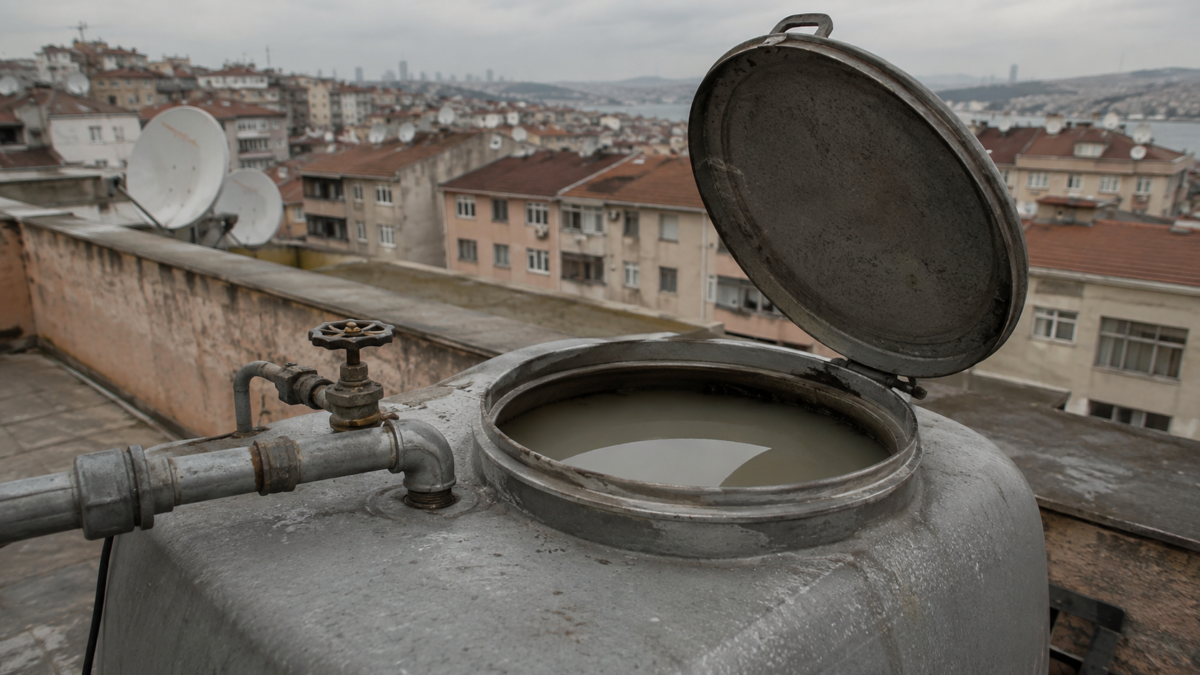
Most of the loss of quality happens inside the building. Water standing a long time in a tank, ageing galvanised pipes, sediment stirred into the line after an interruption and rarely used dead legs are the main causes. Those four headings explain why the water from the tap can be different even though the mains supply is compliant.
The Building Tank
Water standing a long time loses its freshness; where the cleaning interval slips, deposits form.
Ageing Plumbing
On old galvanised lines, corrosion products can get into the water and create a metallic taste and colour.
After an Interruption
The change in pressure stirs up the deposit on the pipe wall and the water becomes temporarily cloudy.
Dead Legs
Water stands in rarely used taps and branches; the first water to run has a changed character.
In buildings with a tank the subject is a heading of its own. We took up how water standing in a tank changes character and what measures should be taken in our why tank water goes bad article.
Cloudiness after an interruption is generally temporary. If the water does not clear after running for a few minutes, or if there is a reddish colour, the subject may shift to iron in water.
The 5 Complaints Met With Most Often in Mains Water
User complaints gather under five headings: chlorine smell and taste, limescale build-up, sediment and cloudiness, a metallic taste, and a flat or heavy taste. None of them means the water is non-compliant; each relates to a different parameter and calls for a different answer.
Placing a complaint under the right heading prevents buying a unit for nothing:
| The Complaint | The Parameter Concerned | Where to Look |
|---|---|---|
| Chlorine smell and taste | Residual chlorine | How chlorine is removed from water |
| Limescale and white marks | Hardness (calcium, magnesium) | Why limescale forms in water |
| Sediment and turbidity | Suspended solids | Building inlet water treatment |
| Metallic taste and colour | Iron, corrosion in the plumbing | How iron is removed from water |
| The taste being flat or heavy | Dissolved solids load | What determines the taste of water |
The practical value of that table is this: five different solutions can be sold for the same complaint, but the right one is only the one that targets the parameter concerned. Mains water, the right step when deciding is first to tie the complaint to a parameter.
Which of those complaints boiling helps with is a separate debate and often misunderstood. We took the subject up in our is boiling tap water enough article.
Why Does Mains Water Change With the Season?
There are three reasons for the change: the mix of sources changing with the season, the chlorine dose being raised in hot weather, and turbidity rising in the raw water after heavy rain. Those three together explain why water of a different character runs at the same address across the year.
In summer, when reservoir levels fall, many authorities raise the proportion of well water. Because well waters are generally harder and higher in mineral load, the user feels the difference in limescale and taste at once.
As the temperature rises it becomes harder to keep the chlorine residue along the line, so the dose may be raised. The result is a more marked chlorine character in the summer months. That is not a fall in quality but a deliberate safety measure.
After heavy rain the suspended solids in the raw water rise. The plant meets that with filtration, but where the load is high a temporary cloudiness can be seen in the outlet water. In short, mains water is not a fixed product but a flow that fluctuates with the season.
| The Period | The Change Expected | What It Means for the User |
|---|---|---|
| Summer (dry period) | The proportion of well water rises | Hardness and limescale become marked |
| Summer (hot period) | The chlorine dose may be raised | The chlorine smell rises |
| After heavy rain | Turbidity rises in the raw water | Temporary cloudiness can be seen |
| Winter (wet period) | The proportion of surface water rises | Hardness falls and the water softens |
| Maintenance and work on the line | The pressure and direction of flow change | Short-lived sediment can be seen |
That table shows that the complaint “it never used to be like this” usually rests on a real observation. The change is real; but the cause is generally not the building but the source side.
Where Does Responsibility End and Begin in Mains Water?
The water authority is responsible for the section from the source to the building meter. Beyond the meter — the internal plumbing, the tank and the fittings — is the responsibility of the building management and the user. The most practical way of working out which side a complaint belongs to is to compare with the neighbours.
If everyone in the same building has the same complaint, the cause is in the shared plumbing or the tank. If it is seen in one flat only, the plumbing inside that flat should be assessed. If it is seen across the whole neighbourhood, the matter should be reported to the water authority.
| The Area | Who Is Responsible | The Typical Problem |
|---|---|---|
| The source and the treatment plant | The water authority | Seasonal change of character |
| The distribution network | The water authority | Sediment after an interruption |
| The building inlet and the tank | The building management | Standing water, cleaning that has slipped |
| The riser and flat plumbing | The building and the user | Corrosion, metallic taste |
| Fittings and appliances | The user | Limescale, blockages, filter life |
That distinction saves time in practice. With a complaint about Mains water, establishing which area the problem belongs to first is what gets you to the right person. For measures to take at the building inlet, our building inlet water treatment systems article offers a practical framework.
How Is Mains Water Checked?
A check at three levels is enough. The first is to look at the analysis results published by the water authority, the second to see the hardness and dissolved solids value at home with simple measuring tools, and the third, if the doubt persists, to give a sample to an accredited laboratory.
The first two steps are free or very low cost and usually give an adequate picture.
What the User Can Do
- Looking at the analysis report published by the water authority
- A limescale test kit to measure the hardness
- TDS meter to follow the dissolved solids
- Comparing the first water in the morning with water that has been run
- Asking about the cleaning interval of the building tank
- Noting the date and the conditions of the complaint
Situations Calling for a Specialist Assessment
- Cloudiness lasting for days
- A reddish or brown colour appearing
- A sudden change of taste with no interruption
- A difference seen at particular taps only
- Frequent blockages and a drop in pressure in the plumbing
- The use of a well or a mixed source
In areas using well water the assessment runs entirely differently; there is no monitoring mechanism there. We took that subject up in our whether well water is safe to drink article.
8 Practical Rules for Mains Water
There are simple rules for keeping the safety and the taste in daily use: run the line after long pauses, take drinking and cooking water from the cold tap, do not use the first water after an interruption, keep track of the tank cleaning and do not let the filter change interval slip. Those rules need no equipment and their effects are felt at once.
- Run the line in the morning: Run off for a few minutes the water that has stood in the pipe overnight.
- Prefer the cold tap: The hot water line has been in contact with the heater and the plumbing for longer.
- Wait after an interruption: Do not use the water for drinking until it has cleared.
- Flush through after a holiday: Water stands in lines that have not been used for a long time.
- Ask about the tank interval: Find out the cleaning date from the building management and keep track of it.
- Keep track of the age of the filters: Saturated stages do not do their job; note the dates.
- Keep a record of measurements: Measure and record the hardness and dissolved solids value now and then.
- Compare the complaint: If the neighbours have it too, the matter concerns the mains and not the building.
What those eight items have in common is this: none of them costs anything. Mains water A good share of complaints about it disappear with these simple rules before any unit is bought. A decision about a unit only makes sense once those steps have been tried and a measurement taken.
When Does Treatment Make Sense With Mains Water?
Extra treatment is chosen not because the water is non-compliant but because it targets a particular complaint. Preventing limescale-related wear where the hardness is high, correcting taste and odour where the chlorine residue is unpleasant, protecting the building inlet in buildings with a tank, and wanting a plainer character in drinking water are the main reasons.
So the question should not be “is it safe” but “which need do I want to solve”. Once that question is clear, so is the answer.
| The Need | A Suitable Solution | The Point of Installation |
|---|---|---|
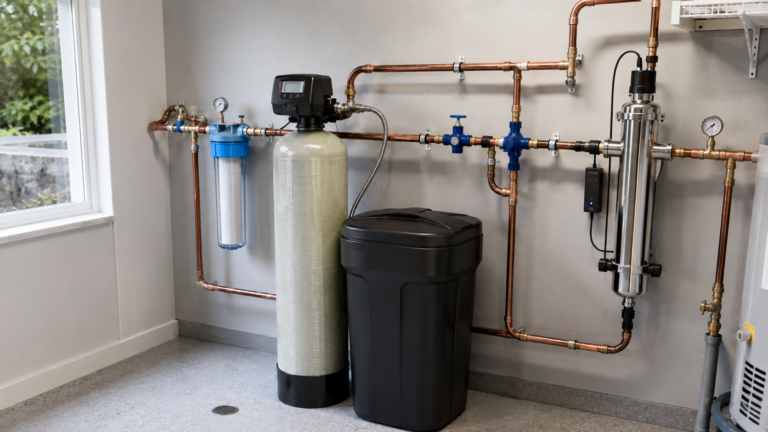
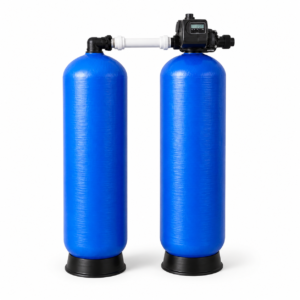
| Sediment and turbidity | A single filter at the building inlet | The main water inlet |
| Sediment and chlorine together | A triple filter at the building inlet | The main water inlet |
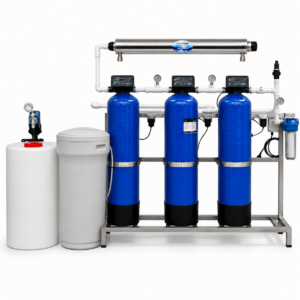
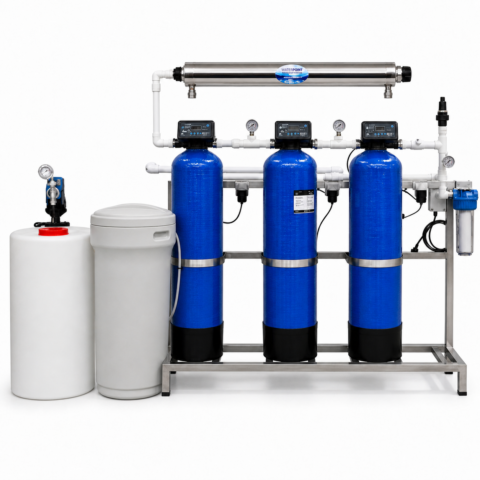
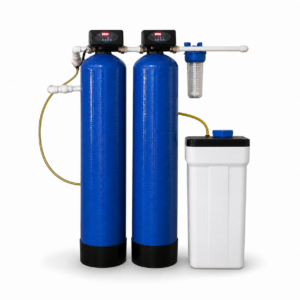
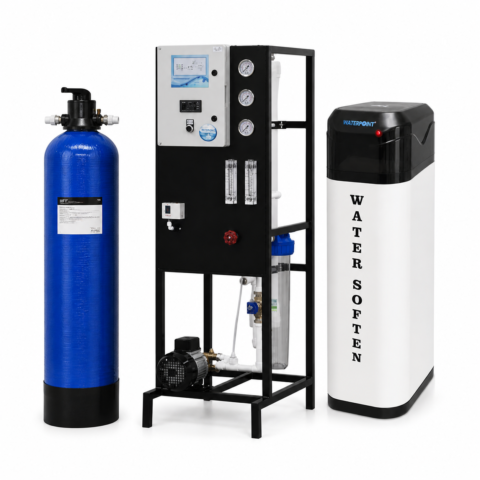
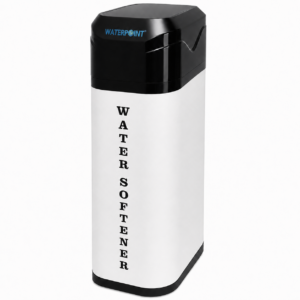
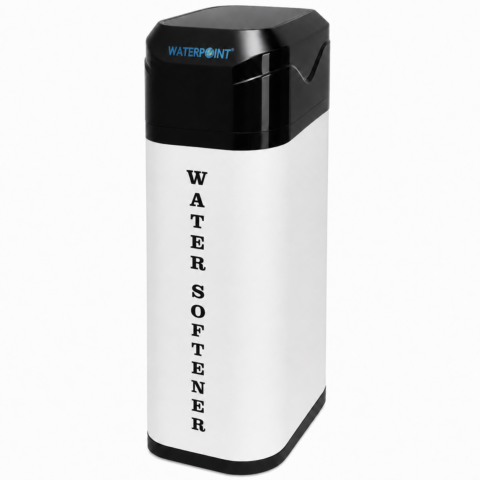
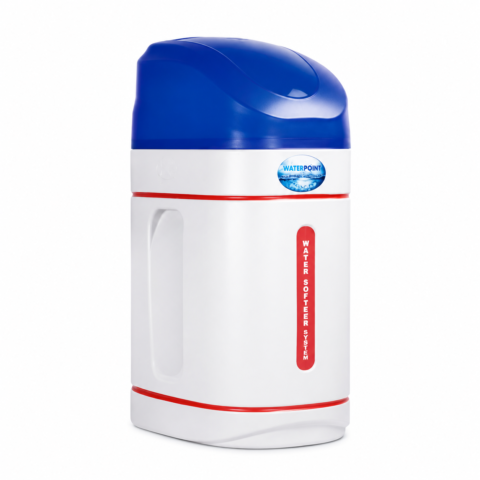
| Hardness and limescale | A water softening system | The main water inlet |
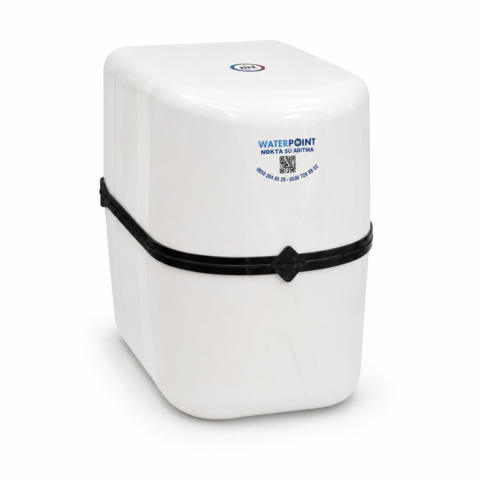
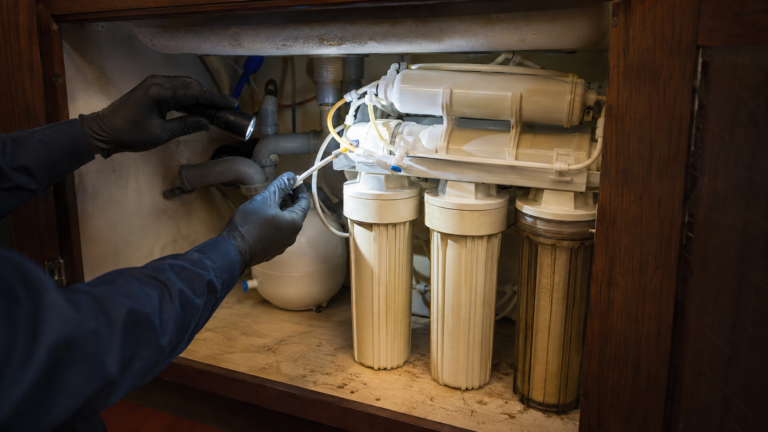
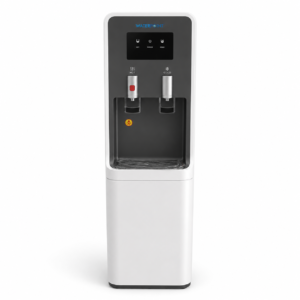
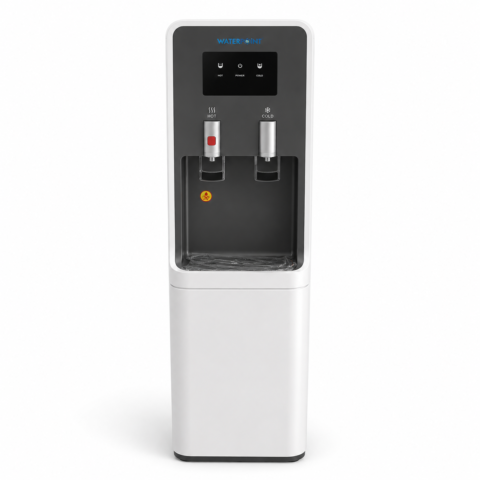
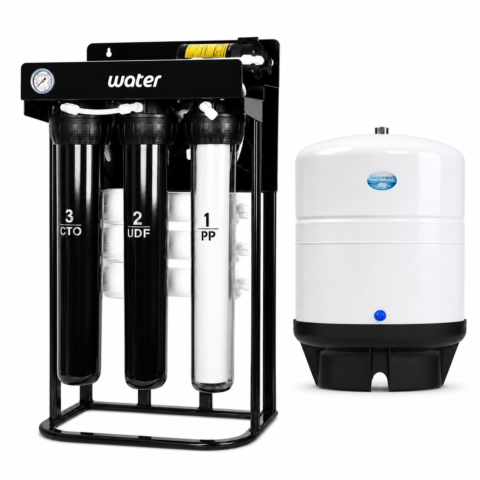
| Plainness in drinking water | An under-counter treatment unit | The Kitchen |
| Microbiological assurance in a building with a tank | An ultraviolet unit | The tank outlet |
We took up how building inlet solutions are planned in our building inlet water treatment systems article, and choosing a model on the kitchen side in our how to choose a water purifier guide. You can look at all the options in the water treatment system category.
Fitting a drinking water unit in a home with a hardness problem does not solve the limescale; installing a softening system in a home with a chlorine complaint does not remove the smell. Mains water, the right step is to measure first and tie the complaint to a parameter.
Let’s assess the water at your own tap
Measuring the hardness and the dissolved solids makes clear which solution is needed. The site survey and measurement are free if the unit is purchased from us.
See the SolutionsFrequently Asked Questions About Mains Water
Can mains water be drunk straight from the tap?
Water treated and monitored in line with the regulations is of drinkable quality. But that assessment applies to the plant outlet and the distribution line. If the conditions of the building tank and the internal plumbing are different, the water at the tap can differ from the water at the plant outlet. The decision should be made from a sample taken at your own tap.
Does a chlorine smell mean the water has gone bad?
No, it shows the opposite. Residual chlorine is the sign that the protection is being kept up along the line. If it is unpleasant it can be removed with an activated carbon stage. No smell at all can, in some cases, point to the protection having weakened.
If mains water leaves limescale, is it non-compliant?
No. Hardness is an indicator parameter and is not directly related to health risk. Limescale creates wear and a loss of energy on the use side. So the answer is aimed not at health but at the equipment and at comfort.
The water runs cloudy after an interruption — what should I do?
Because the change in pressure stirs up the deposit on the pipe wall, the first water can run cloudy. Run the tap for a few minutes and do not use the water until it has cleared. If the cloudiness lasts a long time or there is a change of colour, it should be reported to the water authority.
Where can I see the mains water analysis results?
The water authorities publish regular analysis results on their own websites. Those reports are generally given by district and area. To see the position at your own tap, a separate sample has to be given; the network report does not cover conditions inside the building.
Does fitting a filter spoil mains water?
A system chosen correctly and maintained on time does not spoil the water. The risk appears on units whose maintenance has slipped: a saturated carbon stage loses its function. So the filter change interval matters as much as the unit itself.
What should be done in places with a building tank?
The tanks should be cleaned periodically and their covers should seal. In buildings with low use the water stands for a long time, so adding UV (ultraviolet) treatment at the tank outlet gives an extra assurance.
Is there a difference in quality between mains water and bottled water?
The two are subject to different regulations, and when they are compliant both can be drunk. The difference is not in quality but in character: the mineral profile of bottled water is fixed, while mains water can change with the season and the source. The choice is generally made on practicality and cost.
Does keeping water in the fridge before drinking make a difference?
In water left standing uncovered, part of the volatile components separates out and the chlorine character falls. That makes a difference to the taste. But if the water stands for a long time there is a risk of re-contamination in the vessel; so water kept that way should be used the same day.
Conclusion
Mains water passes through a five-stage treatment chain after it is taken from the source and is monitored regularly under the regulations. In that state it is of drinkable quality. But the monitoring covers the plant outlet and the distribution line; the last stretch the water travels, from the building inlet to the tap, is the responsibility of the building. And most of the loss of quality happens exactly there, in the tank and the internal plumbing. User complaints gather under five headings: chlorine smell, limescale, sediment, metallic taste and a flat or heavy taste. None of them shows that the water is non-compliant; each points to a different parameter and calls for a different answer. The right order is clear: measure first, tie the complaint to a parameter, then choose the solution.
Let’s plan the answer that suits the water in your home
The site survey is free if the unit is purchased from us; where only a survey and measurement are wanted, a survey fee of ₺2,000 applies. For measurement and planning a solution you can reach us on 0850 304 95 25 or at [email protected].
See the Building Inlet Solutions