
Well Water Analysis: Reading the Report and Acting on It
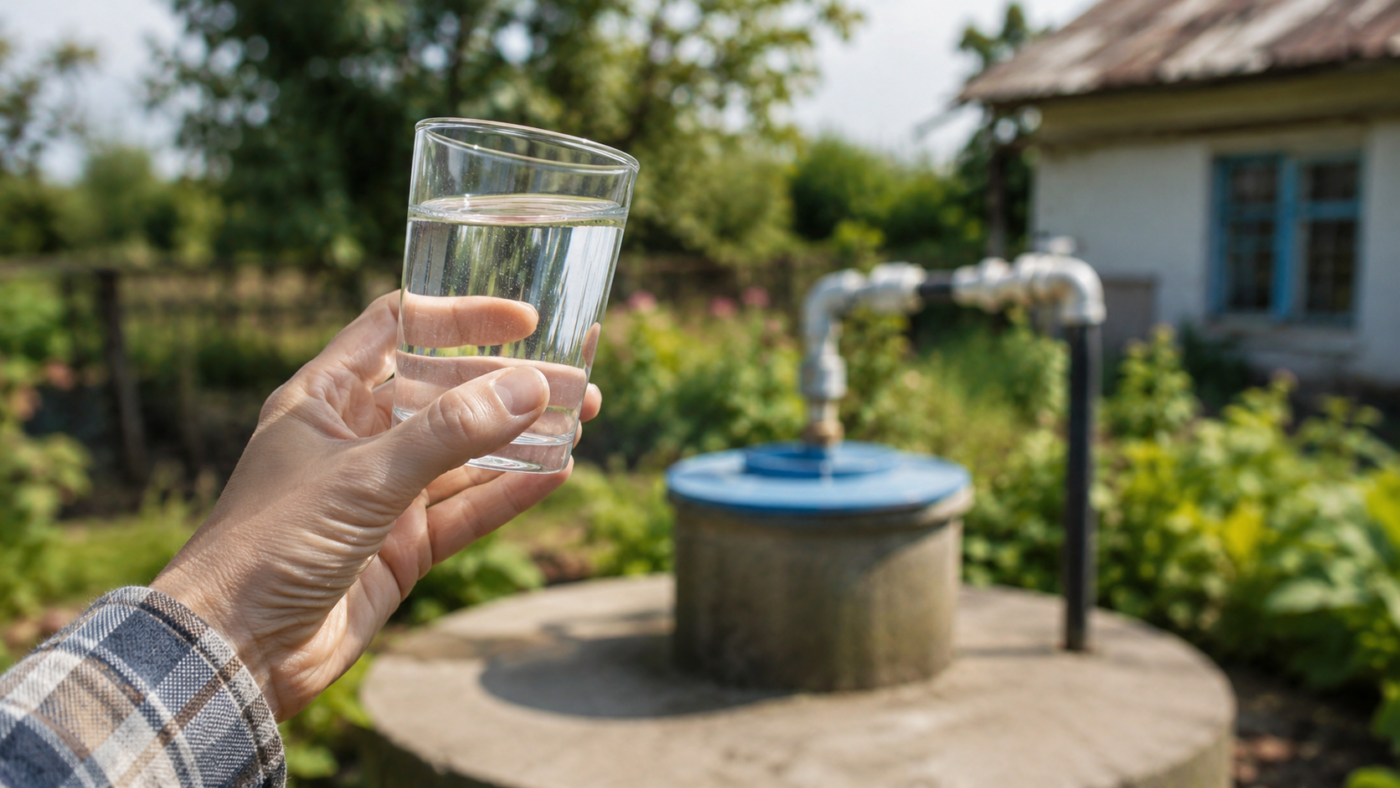
Your well has been running for years. The water flows clear, the smell is not unpleasant and nobody in the house has had a problem. That picture is naturally reassuring; but what is in the water has never been measured. Is well water safe to drink — the answer knots up right here: appearance is not a measure, and the measurement has not yet been made.
This article will not tell you “yes” or “no”. No one can give a verdict like that without an analysis report in hand. What we show instead is how to answer the question correctly: which parameters are looked at, why the quality does not stay constant, what to check at the wellhead, and what to do when the report comes back. The aim is not to alarm but to let you rest your decision on a measurement.
Is Well Water Safe to Drink? The Short Answer
That question cannot be answered without an analysis. Whether well water is suitable as drinking water is established under the relevant regulations and from an analysis carried out at an accredited laboratory. Because every well is fed from a different geology, the assessment is made for the particular well; a general answer is technically impossible.
That answer is not evasive but the correct framing of the subject. Whether a water is suitable as drinking water is established by measuring defined parameters. Any answer given without that measurement is no more than a guess.
The two extreme approaches circulating online are both misleading. Accounts that condemn well water wholesale and approaches that close the subject with “we have been drinking it for years and nothing has happened” share the same weakness: neither rests on data.
The question of whether well water is safe to drink therefore needs to be taken out of debate and turned into a matter of measurement. The rest of this article explains how that is done.
Why Is There No Single Answer?
Every well is fed from a different geology. The depth, the rock and soil layers it passes through, the activities in the surrounding area and the structure of the well all vary from well to well. So a neighbouring well may be found suitable while yours shows a different profile; results cannot be passed from one to another.
What is in groundwater is the result of a journey. Rainwater seeps into the soil, moves between the layers and dissolves part of the minerals it touches along the way. In an area rich in limestone hardness can come to the fore, while in a different geology the picture changes entirely.
Depth is decisive too. Two wells fed from different depths touch different layers even on the same land. So the water of two neighbouring wells does not have to be alike.
The third variable is the surroundings. Agricultural activity in the area where the well sits, nearby sources of waste and the use of the land can all affect what is in the water. Those factors differ from area to area.
When those three variables come together, the conclusion is this: the answer to the question whether well water is safe to drink is specific to that well. Your neighbour’s report is no assurance for your own.
Well water is not being condemned in this article. Many wells can be of suitable quality; what is decisive is not assumption but analysis. The aim is not to create anxiety but to put the decision on the right footing.
Why Is Looking Clear Not Enough?
Clarity gives an idea only about suspended solids. Components in solution and microbiological load cannot be seen. Taste and smell are no measure on their own either; some parameters leave no trace on the senses. So a visual assessment produces no result.
This is the measure well owners rely on most often, and that is exactly why it has to be taken up. If the water runs clear, it is assumed that what is in it is clean too; yet the two are independent of one another.
What can and cannot be assessed by eye separates out like this:
| Heading | Can It Be Assessed by Eye? | How Is It Established? |
|---|---|---|
| Turbidity | Partly; it is noticed when it is marked | It is quantified by a laboratory measurement |
| Sediment and particles | Partly; settling can be seen | The amount is established by analysis |
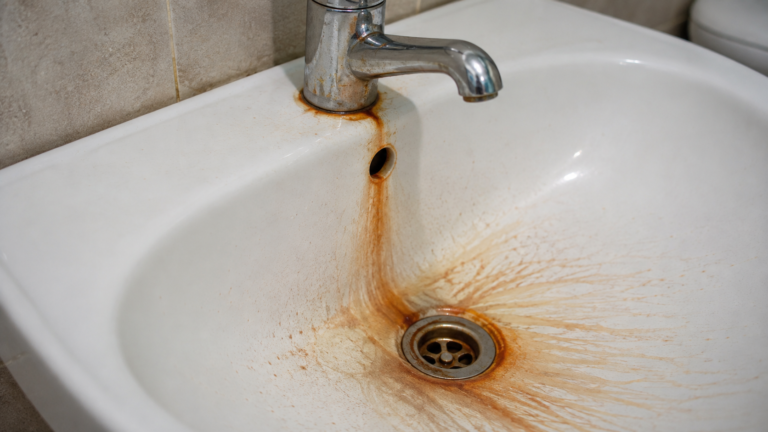
| Iron and manganese | It gives a clue through staining and colour | It is measured by analysis |
| Hardness | No; its signs are indirect | It is established by analysis |
| Nitrate | No; it leaves no trace on the senses | A laboratory analysis is needed |
| Microbiological load | No; it cannot be seen | A separate sample and analysis are needed |
| Dissolved solids load | No; the water can stay clear | It is established by measurement |
The last four rows of the table show the heart of the matter. Those parameters do not change the appearance of the water; so whether they are present or absent cannot be judged by eye.
The same logic holds for taste and smell. Some components leave a marked taste or smell, while others leave no trace on the senses at all. So the observation “it tastes fine” is no answer to whether well water is safe to drink either.
Which Parameters Are Looked At in an Analysis?
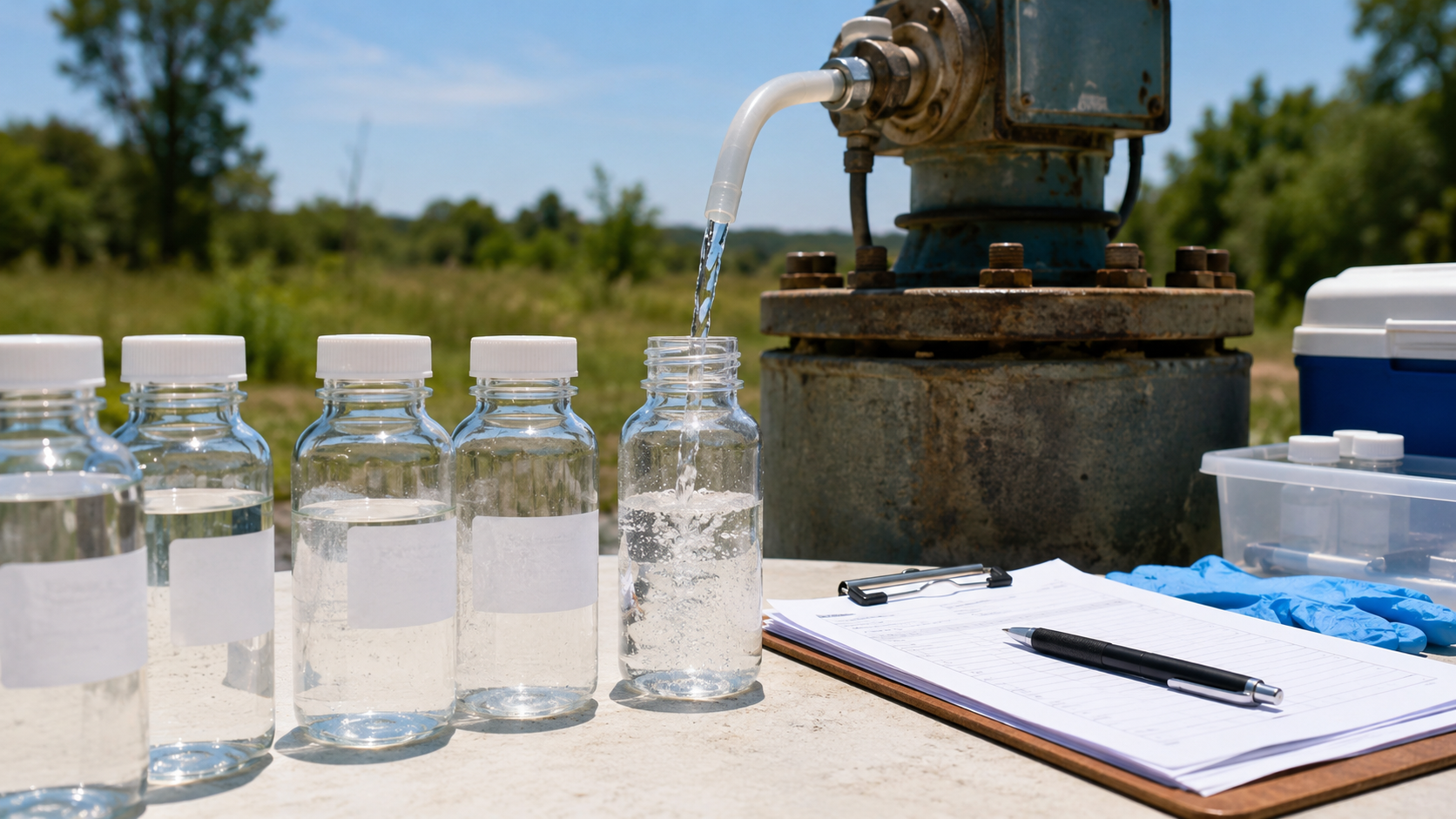
In a well water analysis the main parameters assessed are these: microbiological load, nitrate, iron and manganese, hardness, turbidity, conductivity along with the dissolved solids load, pH, chloride and sulphate. Each points to a different subject; the assessment of suitability is made under the relevant regulations and from an accredited laboratory report.
Knowing the parameters lets you understand what you are looking at when the report reaches you. The cards below explain briefly what each heading is; they contain no limit values and no verdict.
Microbiological Load
It is a heading calling for a separate sample and a laboratory analysis. It cannot be seen and leaves no trace on the senses.
Nitrate
It is one of the parameters looked at in an analysis. It is assessed under the relevant regulations and from the laboratory report.
Iron and Manganese
It is associated with signs such as colour, staining and a metallic taste. The amount is established by analysis.
Hardness
It shows the calcium and magnesium content; it is related to the tendency to form limescale.
Turbidity
It reflects the suspended solids load; it defines how much filtration is needed.
Conductivity / TDS
It shows the total dissolved solids load; it reports an amount, not a list of contents.
pH
It shows whether the water tends to be acidic or alkaline; it affects corrosion and precipitation behaviour.
Chloride and Sulphate
They are components of the dissolved ion profile; they are associated with taste and with behaviour in the plumbing.
The numerical limit values for those parameters are defined in the relevant regulations; it would not be right to give figures here. Every parameter is also assessed not on its own but within the report as a whole.
We took up how to take a sample, which parameters should be requested and how to read the report in our water analysis guide. It is also worth noting that a separate sample is needed for microbiological load in well water; standard packages may not include that heading.
For an international framework on private wells, the US Environmental Protection Agency private wells resource can be consulted; the source stresses the importance of well owners keeping up regular monitoring.
Why Does Quality in a Well Not Stay Constant?
Because well water is fed directly from underground, it can be affected by outside conditions. Cloudiness can rise after heavy rainfall, and the concentration of dissolved solids can change in dry periods. Farming and excavation nearby can also affect what is in it. So a one-off analysis does not make a permanent answer.
This section follows naturally from the last. Having an analysis done is the right step; but having one done once and closing the subject is an incomplete approach.
The main factors that lead to variability are these:
Heavy Rainfall
As surface water seeps into the layers, cloudiness and particle load can rise.
Drought
When the water level falls, the concentration of dissolved solids can change.
Seasonal Change
A change in the groundwater level can affect the feeding layers.
Agricultural Activity
Practices in the surrounding area can show up in the content over time.
Excavation and Building
Ground works nearby can affect the structure of the water.
Well Maintenance
The state of the wellhead and the cover determines how far outside factors get in.
That variability does not make well water problematic; it only shows that it calls for monitoring. Where the mains have a central monitoring mechanism, on a well that job belongs to the user. We also took up the difference in how the two sources are managed in our source comparison article.
So when whether well water is safe to drink So the answer to whether well water is safe to drink can change over time. A well found suitable today can show a different profile when conditions change; so monitoring is continuous.
The Wellhead and the Surrounding Conditions
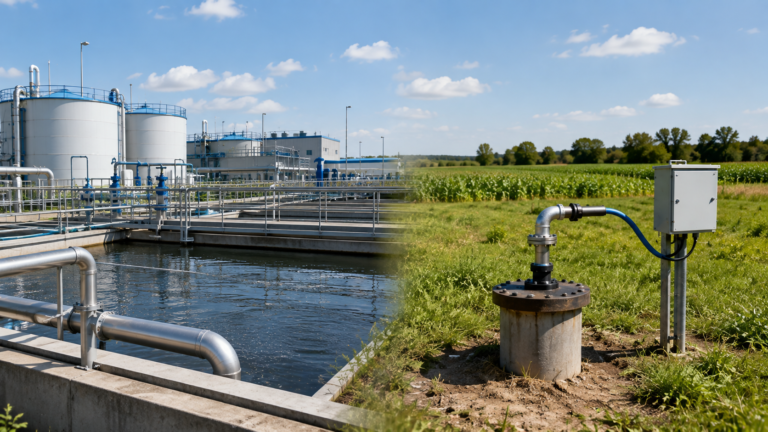
The physical state of the well can bear directly on what is in the water. The seal of the cover, the wellhead being protected from surface water, the distance from waste and fertiliser sources, and the state of the pump and pipework are all headings that should be assessed. Those conditions affect the analysis result too.
This is the only area well owners can act on directly. You cannot change what is in the water; but you can check whether the well is open to outside factors.
The list below covers the checks that can be made by eye at the wellhead:
A Wellhead Checklist
- Does the well cover close fully and keep its seal?
- Does the mouth of the well sit at a point where surface water collects?
- Does water pool around the well after rain?
- Are there cracks, subsidence or voids around the well?
- Is the distance from waste, fertiliser or fuel storage areas suitable?
- Are sources such as animal shelters and septic tanks nearby?
- Do the pump and the pipework show visible damage?
- Is the area around the well checked regularly?
Those checks do not take the place of an analysis; but by showing a risky situation early they make the need for an analysis clear. On a well whose cover does not close fully, for instance, the chance of surface water mixing in rises.
Work on the structure of the well is a technical matter. Rebuilding the wellhead, renewing the cover and pipework should be done by people competent in that field.
Drilling a well, permission to use it and the obligations that go with them vary by area and by regulation. For definitive information the local authority and the relevant regulations should be consulted; the process should be carried out with the competent bodies.
What Does the Analysis Result Mean?
An analysis report is assessed as a whole, not through a single parameter. The parameters are related to one another, and drawing a conclusion from one line is misleading. The assessment of suitability is made under the relevant regulations and from the accredited laboratory report.
When the report reaches you, the first reflex is usually to focus on a single line. Yet the parameters take on meaning together; a relationship can be drawn between turbidity and microbiological load, for instance, and hardness is read together with pH.
The right approach in assessing the report is this:
-
Check the Scope of the Report
Have all the parameters you asked for been measured? Was a separate sample taken for microbiological load? Incomplete scope produces an incomplete result.
-
Read It as a Whole
Rather than focusing on a single parameter, the report should be taken up as a whole. The parameters can explain one another.
-
Leave the Assessment to the Competent Body
The verdict on suitability is given under the relevant regulations and by the accredited laboratory. Making a personal interpretation from the report is not the right approach.
-
Identify the Parameters That Stand Out
It is made clear which headings call for action. That forms the basis of the treatment build.
-
Put the Result on Record
The report should be kept and compared with later analyses. That is the only way to see the change.
When that approach is followed, whether well water is safe to drink is no longer a matter of guesswork. What you have in your hands is not an opinion but a document.
This article makes no assessment of suitability and gives no verdict. The aim is to explain which headings are measured and how the report is to be handled. The definitive assessment is made under the relevant regulations and with an accredited laboratory report.
What Is Done About the Parameters That Stand Out in an Analysis?
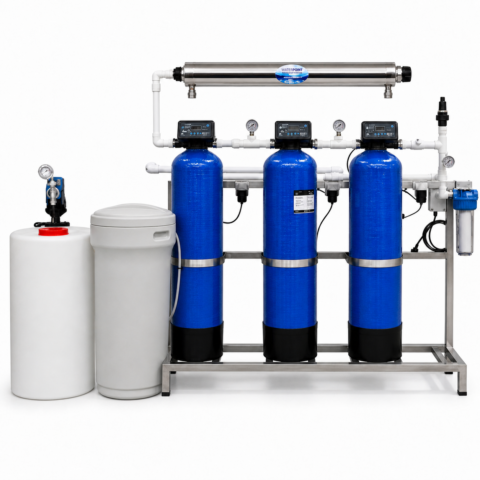
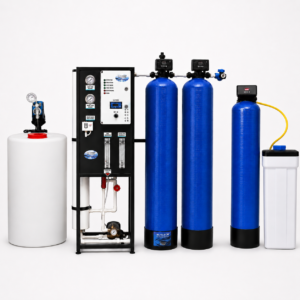
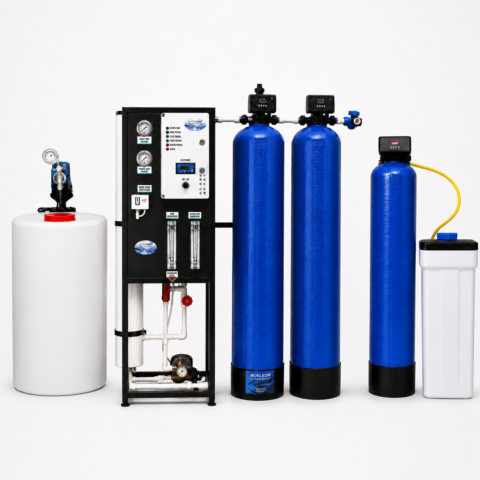
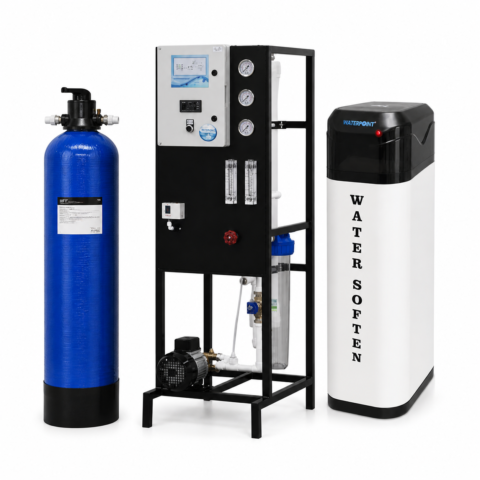
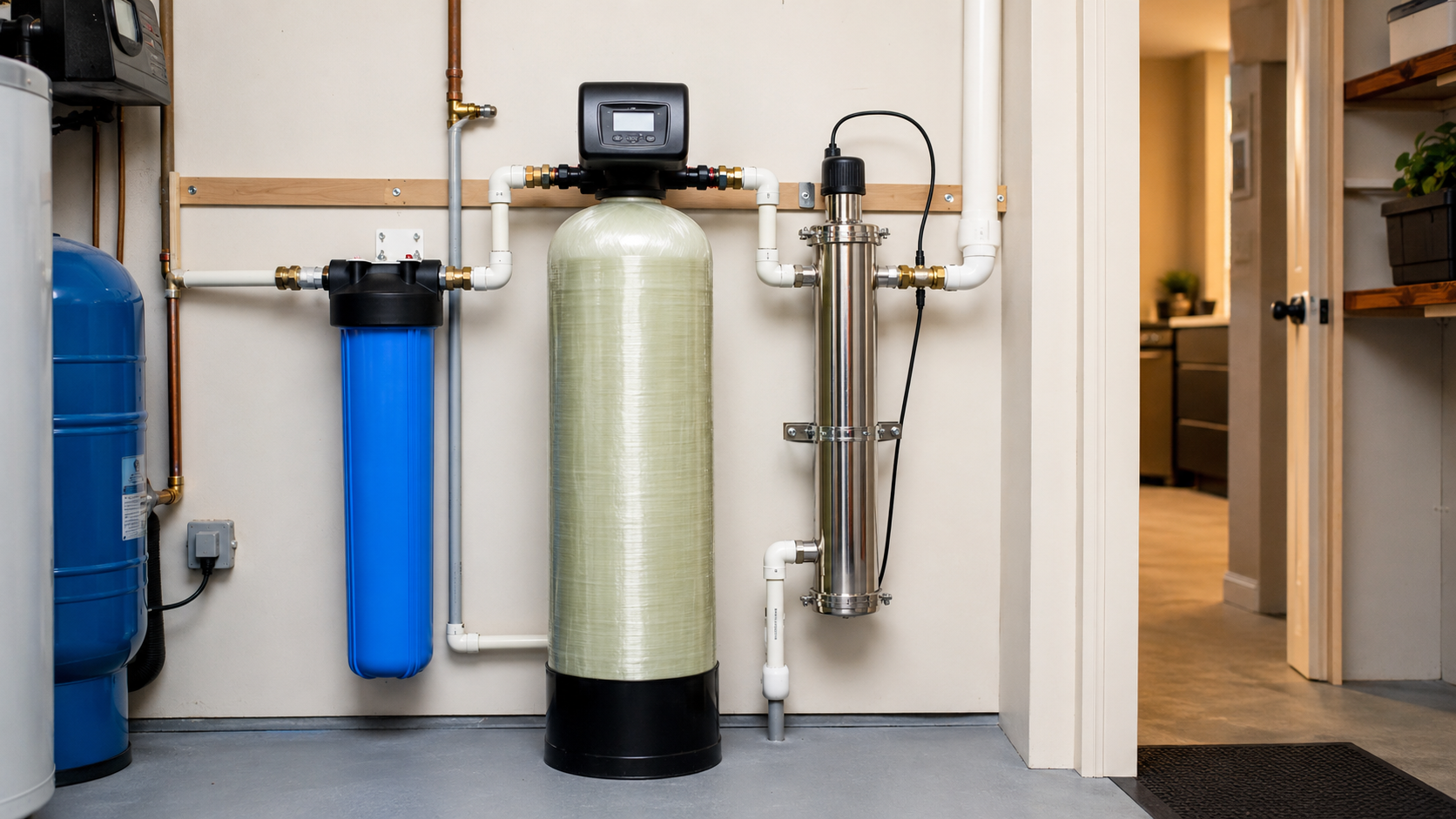
Once the analysis has identified the parameters calling for action, treatment stages to suit them can be engineered. Every parameter is handled with a different stage, and the build is planned for the particular well. The choice of stages rests not on guesswork but on the data in the report.
This section shows the solution side of the process. The aim is not to offer a promise but to show which heading is handled with which technical approach.
| The Parameter That Stands Out | The Treatment Stage Concerned | What the Stage Does |
|---|---|---|
| Sediment and turbidity | Pre-filtration | It holds suspended solids |
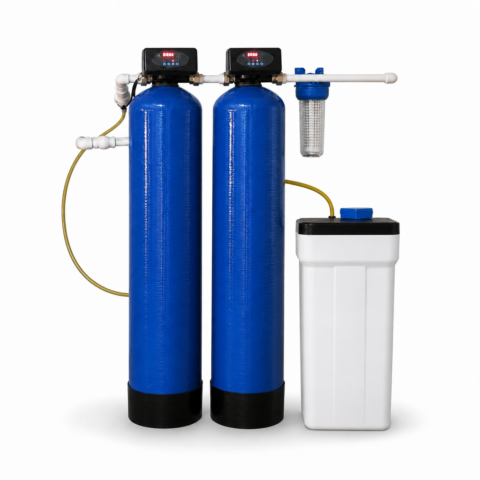
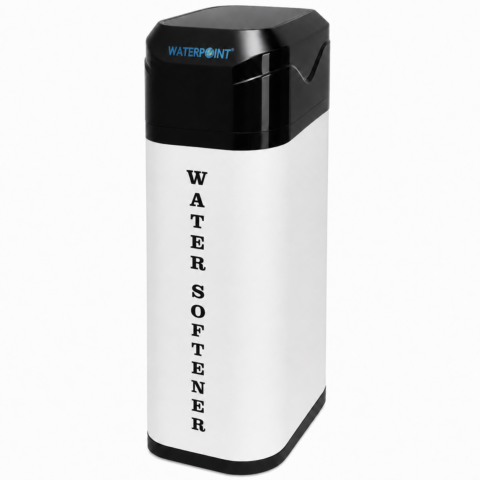
| Hardness | Water softening | It lowers the tendency to form limescale |
| Iron and manganese | Filtration with oxidation | Holds the metals that turn to solid form |
| Microbiological load | UV (ultraviolet) treatment | Reduces microbiological risks |
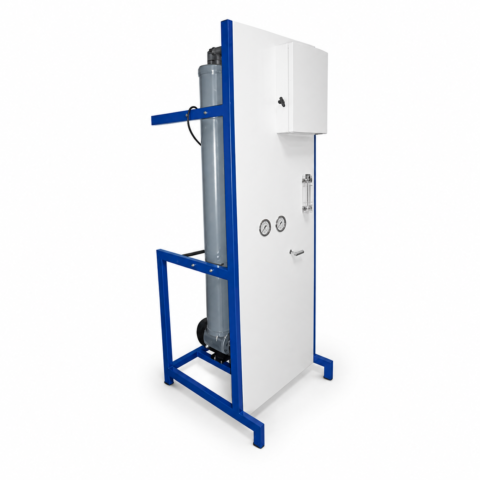
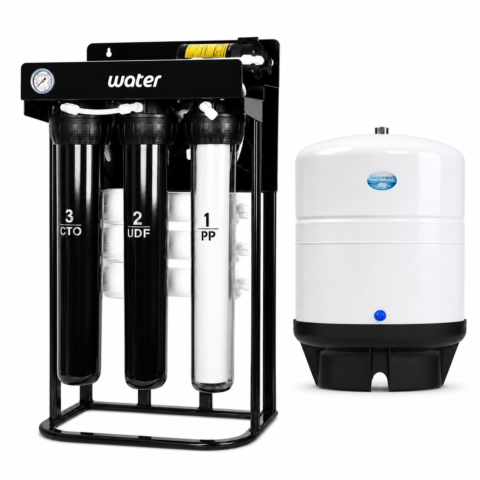
| High dissolved solids | Reverse osmosis | It lowers the dissolved load |
| Chlorine-related taste and odour | Activated carbon | Improves sensory quality |
We took up in detail in a separate article how those stages work and in what order they are arranged; for the build you can look at our treatment stages for well water article. We do not repeat the stages here.
We have separate articles on the sub-headings too: we took up iron in our article on iron in water, the stage used for microbiological risks in our ultraviolet treatment article, and the hardness side in our softening selection guide.
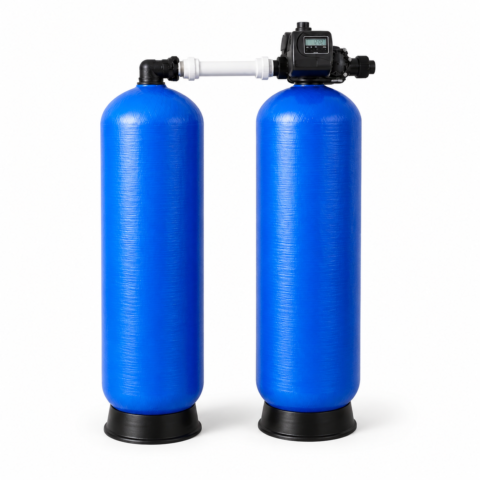
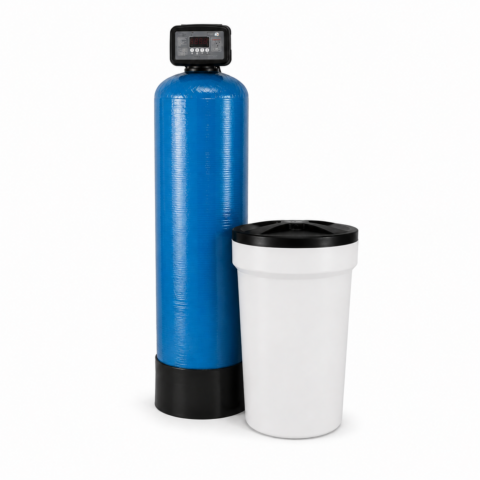
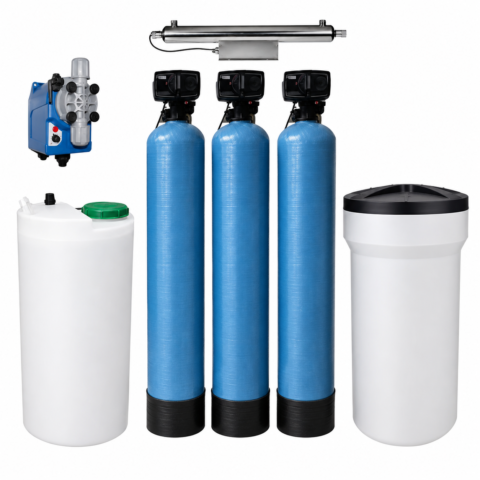
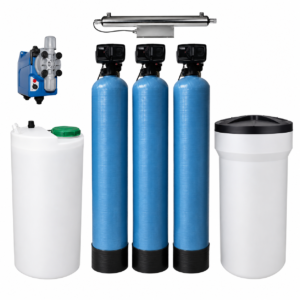
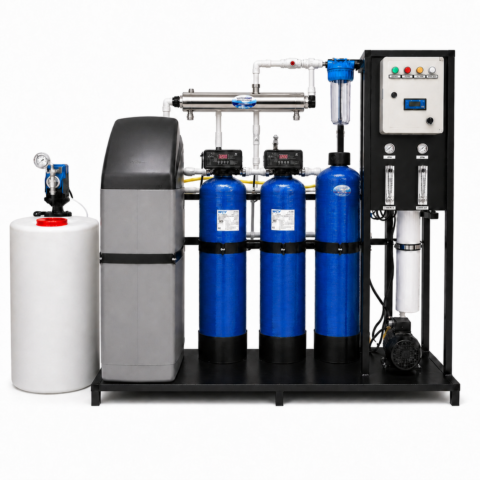
In practice, pre-filtration is the starting point of most well installations; where the particle load is high, sand units with automatic backwashing take on that job. Where a microbiological risk is identified, ultraviolet units are added to the line; that stage is always positioned after the filtration.
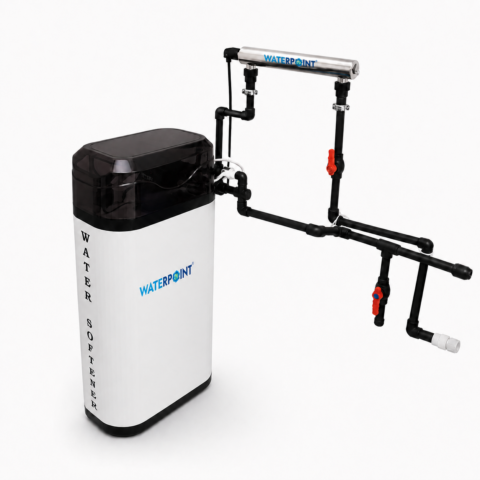
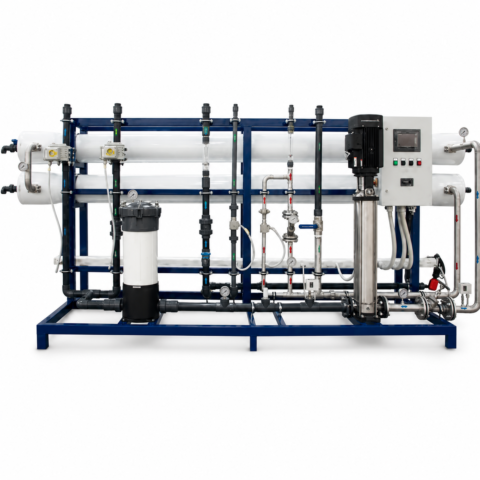
On comprehensive installations the system is sized for the project; at that scale well water treatment systems are planned from the analysis result.
Let’s establish the stages that suit your well analysis result
To clarify which stages are needed from the parameters standing out in your report, you can look at the solutions.
See the Well Water SolutionsUtility Water and Drinking Water: The Distinction
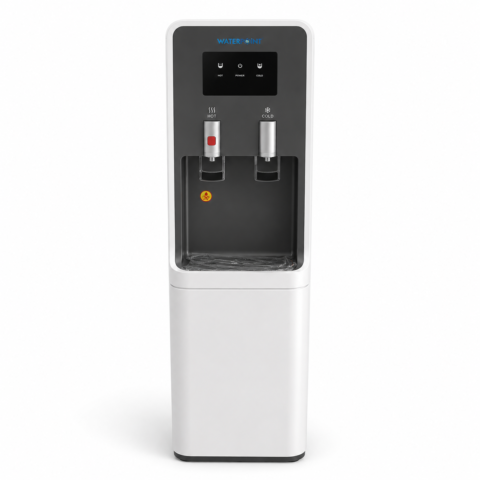
In many homes well water is treated as utility water, while a separate treatment line is built for drinking and kitchen use. That distinction is a practical answer; every point of use is planned to its own need and an unnecessary investment in capacity is avoided.
The logic of the approach is simple: every point of use has a different expectation. The quality needed for garden watering, cleaning and technical use is not the same as the quality aimed for in drinking and kitchen use.
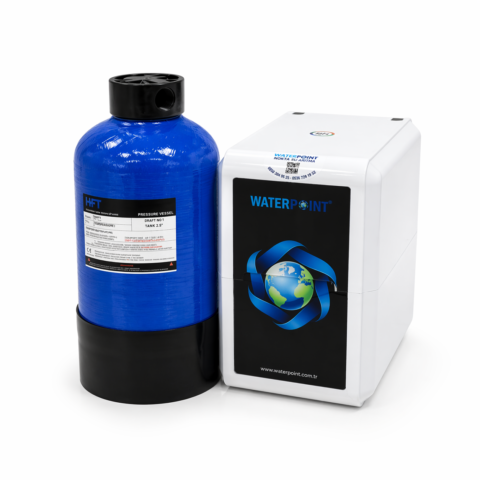
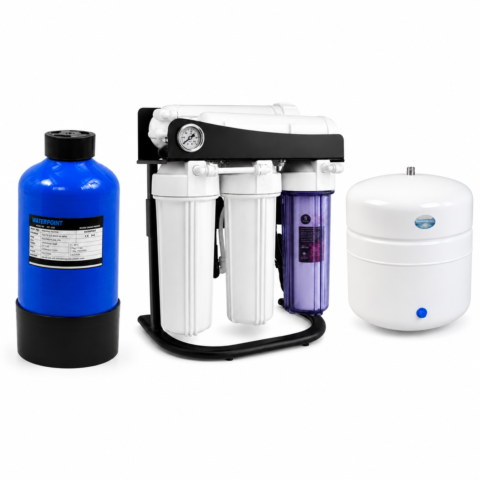
There are generally two layers in that build. The first layer is installed on the well line and feeds the whole plumbing system; it works mainly on pre-filtration. The second layer sits in the kitchen and treats the drinking and cooking water.
We took up which type suits on the kitchen side, and what to look at, in our unit selection guide. Building the two layers together makes a balanced answer both for comfort and for cost.
That distinction also makes the practical side of whether well water is safe to drink clear: the question can be taken up not for the whole plumbing system but point of use by point of use. Which stage is needed at which point is established from the analysis result.
How Often Should an Analysis Be Done?
An analysis is not a one-off operation on a well; regular monitoring is needed. It is also right to have another analysis done at seasonal changes, when a change in taste, smell or colour is noticed, when a new activity starts in the surrounding area, and when a well that has been unused for a long time is brought back into service.
It would not be right to give a fixed period; the frequency is set by the location of the well, the conditions around it and the purpose of use. What is decisive is not the calendar but a change in the conditions.
The typical situations calling for a repeat analysis are these:
- Seasonal changes: The profile can change between wet and dry periods.
- A change in the senses: When a noticeable change appears in taste, smell or colour.
- Activity in the surrounding area: When a new agricultural or industrial activity starts nearby.
- Excavation and building: After ground works.
- A long stoppage: When a well used seasonally is brought back into service.
- Work on the well: After a pump change, a new cover or new pipework.
- System installation: After a treatment build is commissioned, to verify it.
The last item is often skipped. Analysing the outlet water after a treatment system has been installed is the only way to confirm that the build is working as expected.
Water Point Su Arıtma Teknolojileri operates from Esenyurt, İstanbul under its founder Ali Genç, with more than 20 years of experience in the sector.
Survey
The survey is free if the unit is purchased from us; where only a survey and measurement are wanted, a survey fee of ₺2,000 applies. The solution proposed is established from the water analysis.
Service Network
For industrial systems there is a service network across Türkiye; for home units service is provided in İstanbul and the neighbouring provinces such as Kocaeli and Tekirdağ.
Warranty
Units, valves, pumps and tanks carry a 2-year warranty and taps a 1-year warranty. Filters, membranes, resin and salt are consumables and fall outside the warranty.
Contact
For your questions, 0850 304 95 25 and [email protected] can be used.
Frequently Asked Questions
Is well water safe to drink?
That question cannot be answered without an analysis. Whether well water is suitable as drinking water is established under the relevant regulations and from an analysis carried out at an accredited laboratory. Because every well is fed from a different geology, the assessment is made for the particular well.
Is boiling well water enough?
Boiling is a practice aimed at reducing microbiological risks. Against that, it does not remove nitrate, hardness, heavy metals or chemical components. Because of evaporation, the concentration of dissolved solids in the water left behind can even rise a little. So boiling does not take the place of a full assessment.
Where should I have the analysis done?
The analysis should be done at an accredited laboratory. A separate sample is needed for microbiological load in well water; standard packages may not include that heading, so the scope should be made clear in advance. We took up the process of sampling and reading a report in a separate article.
Is well water better than mains water?
The two sources behave differently and are managed differently; it would not be right to present one as superior to the other. The mains have a central monitoring mechanism, while on a well the monitoring belongs to the user. A comparison can only be made through analysis results.
Which unit is needed for well water?
It is not a question that can be answered with a single unit. Well builds are generally multi-stage, and the choice of stages is made from the analysis result. Pre-filtration is the starting point on most installations; the other stages are added according to the parameters that stand out.
Can food be cooked with well water?
Kitchen use is assessed within the scope of drinking water too, so the same question applies and the answer is settled by the analysis. In many homes well water is treated as utility water while a separate treatment line is built in the kitchen, and that is a common approach.
Is my neighbour’s analysis valid for my well?
No. Every well is fed from a different depth and from different layers; even two neighbouring wells can show different profiles. So analysis results cannot be transferred between wells; the assessment should be made with the report for your own well.
We have been using it for years — is an analysis still needed?
Its having been used for a long time gives no information about what is in the water. The profile of well water can also change with seasonal and environmental conditions. So an analysis is needed to see the present state, independently of how long it has been in use.
What should I do for infants and special cases?
This article makes no health assessment and does not constitute medical advice. For special cases it is right to consult your doctor and to have an analysis done at an accredited laboratory for the suitability of the water.
Conclusion
There is no single general answer to whether well water is safe to drink, because every well is fed from a different geology, drawn from a different depth and set in different environmental conditions. Clarity, taste and smell are not measures enough to answer that question — components in solution and microbiological load cannot be seen. The right route is clear: have a full analysis done at an accredited laboratory, assess the report as a whole, and take the verdict on suitability within the framework of the relevant regulations. Where parameters stand out in the analysis, treatment stages to suit them can be engineered. And finally, monitoring is continuous: seasonal changes, new activity in the area and changes you can sense all call for a fresh analysis.
Let’s plan an analysis and a site survey for your well
The site survey is free if the unit is purchased from us; where only a survey and measurement are wanted, a survey fee of ₺2,000 applies. The solution proposed is established from the water analysis. To have your well assessed you can reach us on 0850 304 95 25 or at [email protected].
Discover the Solution That Suits You