


Free Shipping
Product Category
Reverse Osmosis Systems
In reverse osmosis the choice is driven by the membrane, by capacity in GPD or tonnes and by the recovery rate; pre-treatment, however, is the stage that really determines how long the system lasts.
- Free Shipping · across Türkiye
- 2-Year Warranty · on systems
Filter
Product type
Daily capacity
The daily treatment capacity stated by the manufacturer.
Tank volume
How much water is waiting ready when you open the tap.
Filter size
The length of the cartridge you have. If you are unsure, take the old one with you.
Brand
Not sure which one is right for you?
Products
Freight delivery
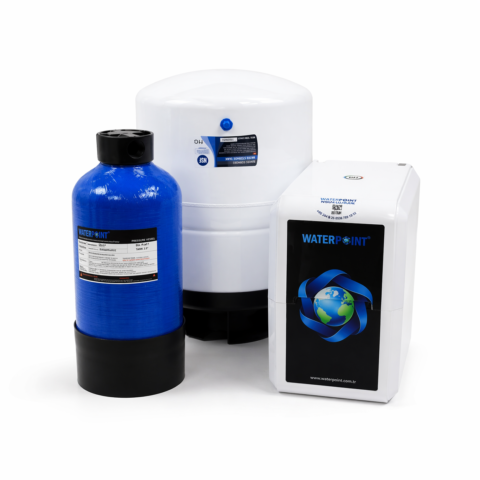
Free Shipping
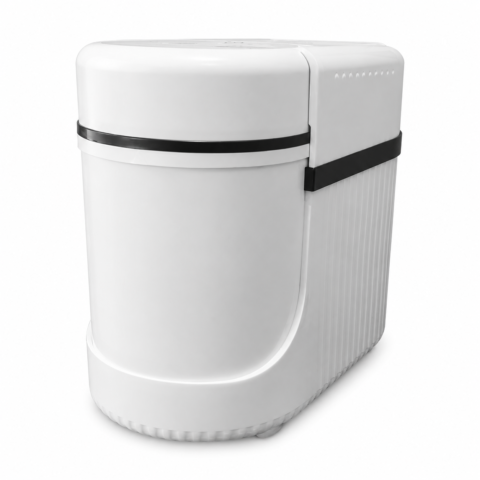
Freight delivery
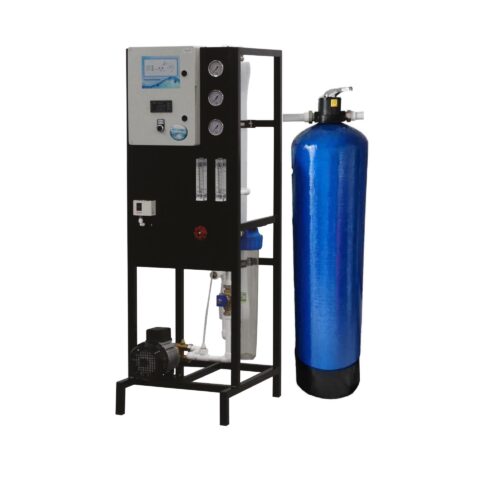
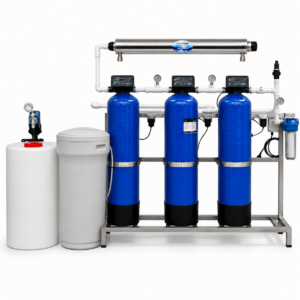
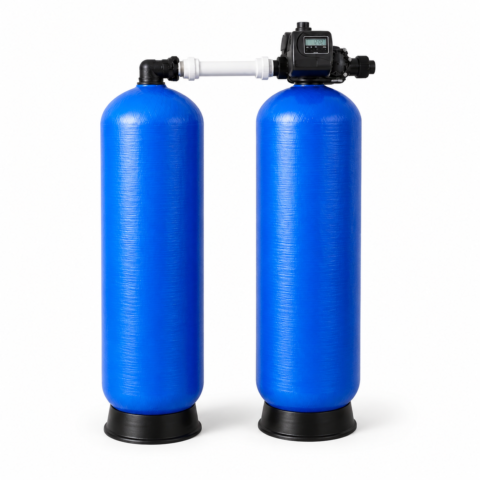
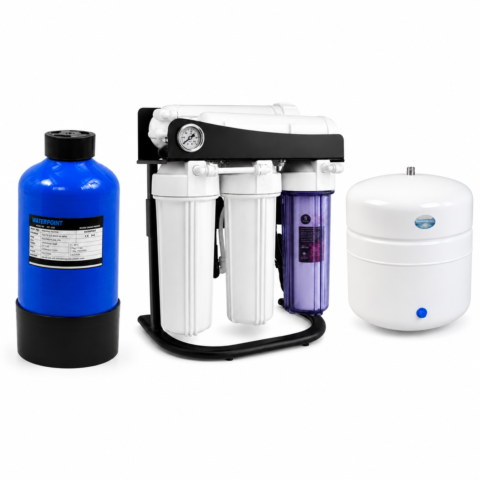
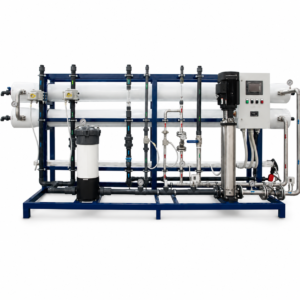
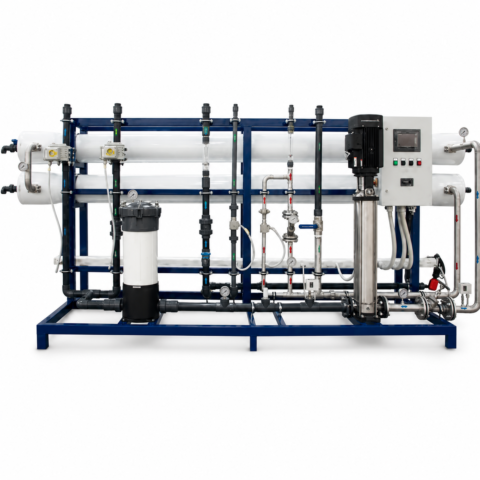
Deionised Pure Water Unit, 5 Tonnes/Day
5 Tonnes (in 24 Hours)
25 L · 10×35 Tank
₺196,073.60
VAT included
Free Shipping
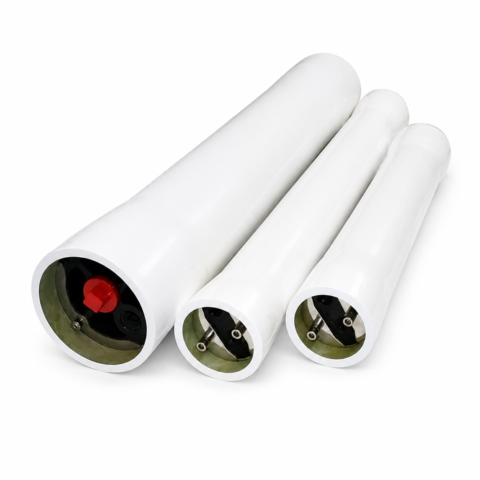
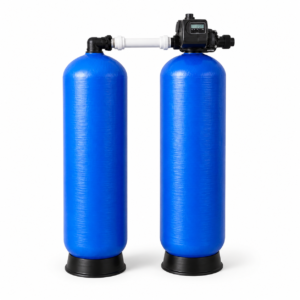
Seawater Treatment Membrane Housing
Durable Composite
Membrane Vessel (Housing)
₺49,018.40
VAT included
Free Shipping
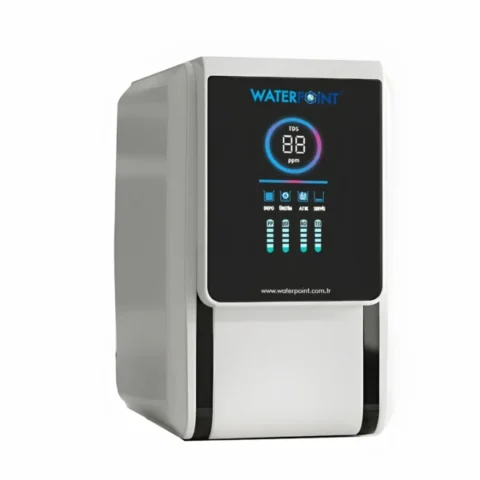
Digital Water Purifier
Domestic RO (Digital)
Digital Panel + Alarm
5.00 out of 5, 1 review
₺82,596.00
VAT included
Free Shipping
Free Shipping
Free Shipping
Freight delivery
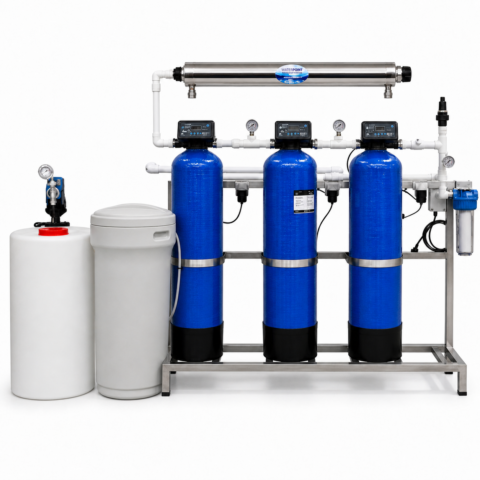
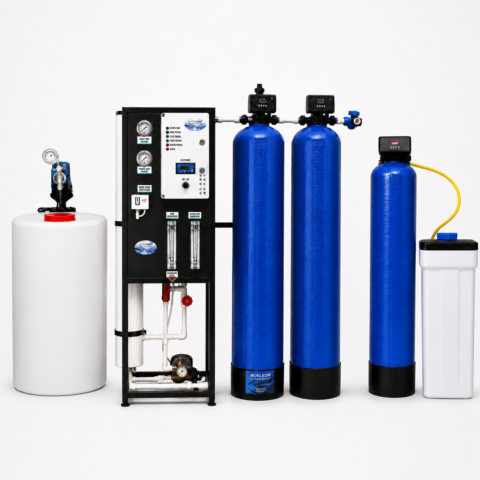
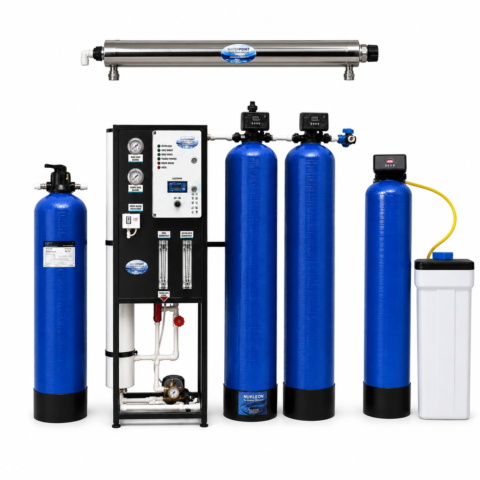
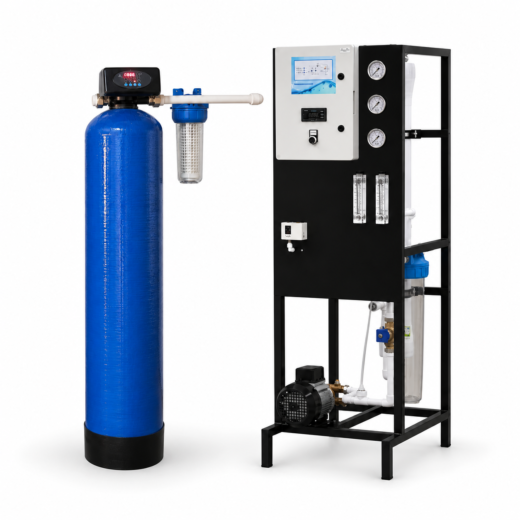
Industrial Deionised Pure Water Unit, 250 L/h
5 Tonnes
Mid-Capacity Industrial
₺220,582.80
VAT included
Freight delivery
Freight delivery
Free Shipping
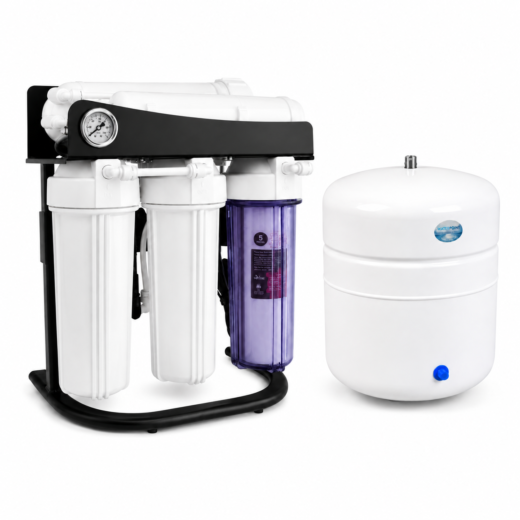
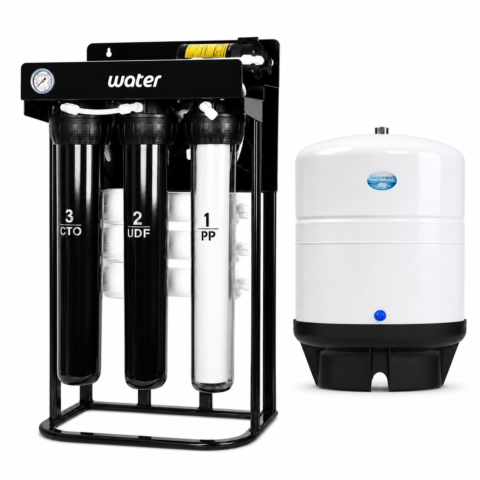
Café Water Purifier, 300 GPD with 12 Litre Tank
~500-1000 L
Direct Flow RO + Tank
₺31,861.96
VAT included
Free Shipping
Freight delivery
Free Shipping
Free Shipping
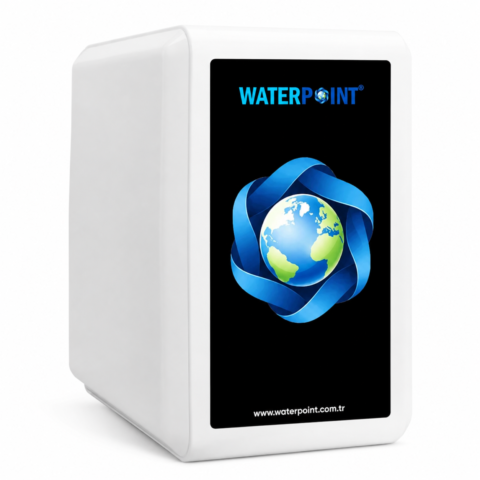
8 Litre Pumped Water Purifier
8 Litres
Domestic RO (Pumped)
5.00 out of 5, 1 review
₺19,117.18
VAT included
Free Shipping
Free Shipping
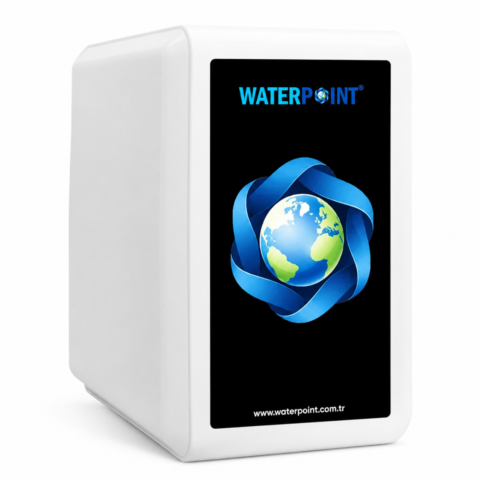
Free Shipping
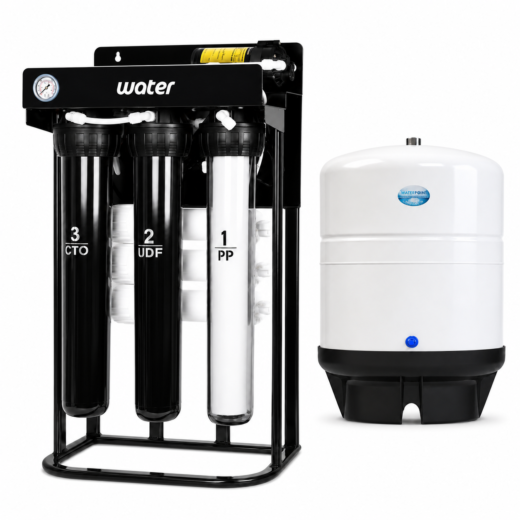
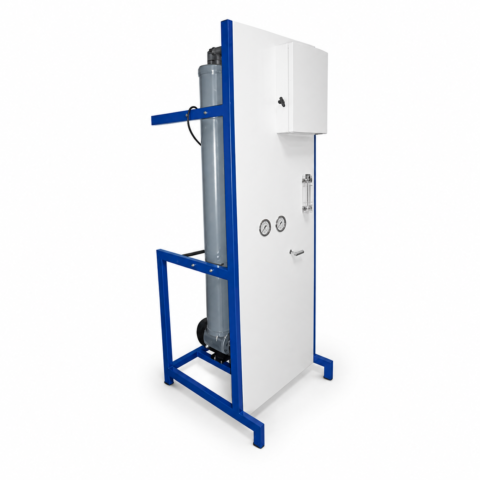
Restaurant Water Purifier, 500 GPD with 40 Litre Tank
~1000-1500 L
Direct Flow RO + Tank
₺49,018.40
VAT included
Freight delivery
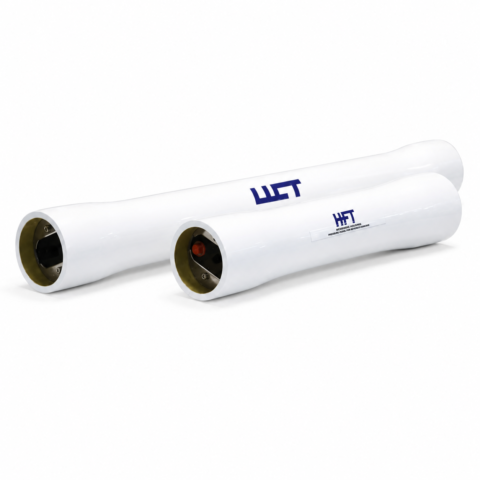
5-Element RO 8" Membrane Vessel
8" (8040)
Membrane Housing (Pressure Vessel)
₺80,880.36
VAT included
Free Shipping
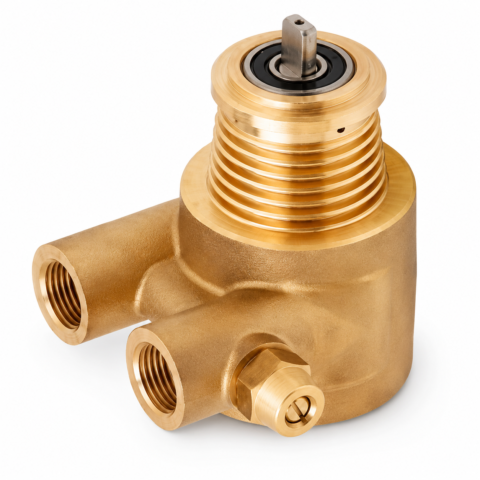
Free Shipping
Free Shipping
About Reverse Osmosis Systems
Reverse osmosis (RO) water purifiers and systems push water through a semi-permeable membrane under pressure and separate out dissolved salts, heavy metals and organic compounds. From a domestic under-sink RO water purifier to industrial RO plants with a capacity of 95 tonnes per day the principle is the same; the only things that change are the scale, the pressure and the level of automation. Reverse osmosis water purifier and system prices vary with daily capacity, membrane count and the pre-treatment set-up; the current list is given in the price table below.
In reverse osmosis the choice is driven by the membrane, by capacity in GPD or tonnes and by the recovery rate; pre-treatment, however, is the stage that really determines how long the system lasts.
How Does Reverse Osmosis Work?
In natural osmosis water passes of its own accord from the less concentrated side to the more concentrated one. In reverse osmosis that flow is reversed by applying pressure: water is forced from the salty side towards the clean side. The membrane lets water molecules through while holding back most of the dissolved matter.
Three separate streams leave the system:
- Feed water: Water that has come through pre-treatment and enters the membrane.
- Permeate (product water): The treated water that passes through the membrane.
- Concentrate (wastewater): The water that carries the rejected salts and minerals to drain.
The concentrate stream is not a fault in the system; it is a requirement of the way the process works. Without this stream the rejected matter would build up on the membrane surface and the membrane would block within a short time. The principle is explained stage by stage in our article on how reverse osmosis works.
What Reverse Osmosis Removes and What It Does Not
| Parameter | Effect of Reverse Osmosis |
|---|---|
| Dissolved salts (TDS) | Separates most of them; this is the core job of the system. |
| Hardness (calcium, magnesium) | Lowers it markedly, but does not take the place of a water softener. |
| Heavy metals | Rejects them to a large extent. |
| Nitrate | Reduces it significantly. |
| Free chlorine | Does not remove it; on the contrary it damages the membrane, and it must be taken out beforehand with activated carbon. |
| Sediment and turbidity | Not designed to remove them; they must be taken out by pre-filtration. |
| Iron and manganese | Precipitate and coat the membrane; they must be removed at an earlier stage. |
| Dissolved gases | Can pass through the membrane; a separate stage is used where necessary. |
This table explains why reverse osmosis is not installed on its own but as part of a chain. If pre-treatment is weak the membrane wears out quickly and the most expensive component in the system is used up early.
Choosing a Membrane
The membrane is the component that determines the performance and the service life of a reverse osmosis system. The points taken into account when choosing one:
- Salt rejection: Shows how far the membrane separates dissolved matter; it has a direct effect on outlet conductivity.
- Capacity: The amount of water the membrane can produce at a given pressure and temperature. It is expressed in GPD or in tonnes per day.
- Operating pressure: Low-pressure membranes work with less energy; seawater membranes need far higher pressure.
- Size: Domestic units use small-diameter membranes, while industrial systems use large elements such as 8 inch.
- Brand and supply: Continuity of spare parts is decisive for long-term operation.
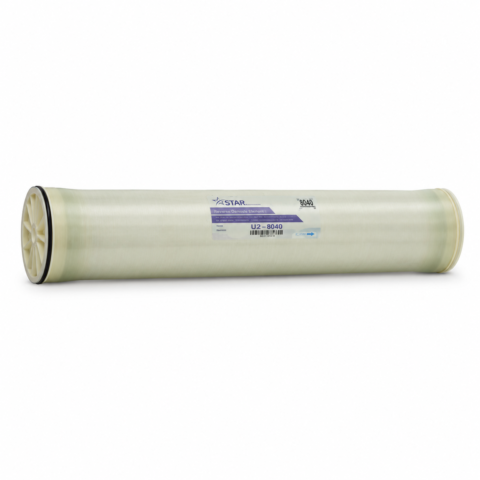
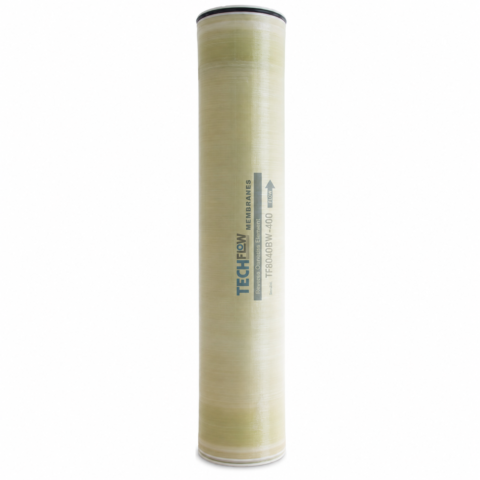
Toray, LG, STAR and TechFlow membranes are among the components used in Water Point systems. In industrial systems the membranes are fitted inside a membrane vessel (housing); the vessel is chosen according to the number of elements.
GPD and Tonnes: Capacity Units
Reverse osmosis capacity is expressed in two different units, and confusing them leads to the wrong choice.
- GPD (gallon per day): Used for domestic and office units. 1 gallon is about 3.785 litres. Under ideal conditions 300 GPD produces roughly 1,135 litres a day and 500 GPD roughly 1,890 litres.
- Tonnes/day: Used for industrial systems; it is calculated on the assumption of 24 hours of uninterrupted operation.
Both figures rest on an ideal condition assumption. Real output varies with feed pressure, water temperature, the salt load of the raw water and the age of the membrane. In cold water output drops markedly. For that reason the system must not be sized exactly to the calculated requirement but with some margin.
Recovery Rate and Wastewater
The recovery rate shows how much of the feed water is taken off as product water. The remainder goes to drain as concentrate. This ratio is not fixed and depends on a number of variables:
- Feed pressure: As pressure rises the yield improves and the waste ratio falls. This is the clearest advantage of pumped systems.
- Raw water salinity: The higher the salt load, the harder the membrane has to work and the more flush water is needed.
- Hardness: At high hardness the risk of limescale forming on the membrane surface rises; to prevent this, recovery may deliberately be kept low.
- Water temperature: In cold water output falls, and more feed is needed for the same product water.
- Membrane age: As the membrane ages the yield drops and the waste ratio rises.
- Pre-treatment quality: Clean feed water lets the membrane work more easily.
There is no reverse osmosis system that does away with wastewater altogether. With correct installation, sound pre-treatment and maintenance carried out on time, however, the ratio can be improved markedly. In industrial applications the concentrate stream can be put to use at points where the quality requirement is low, which cuts total water consumption.
Why Pre-treatment Is Essential
The membrane is the most expensive component in a reverse osmosis system, and the stages that protect it are comparatively cheap. Cutting back on pre-treatment means putting the most valuable part at risk.
- Sediment filter: Holds back sand, rust and suspended solids. It keeps the membrane surface from being physically blocked.
- Activated carbon: Removes free chlorine. Chlorine damages the membrane chemically and that damage is irreversible.
- Water softening or antiscalant: Keeps calcium and magnesium from crystallising on the membrane surface.
- Iron removal: In well water, dissolved iron precipitates and coats the membrane; a separate stage is needed.
- Buffer tank: Gives the membrane a steady feed and prevents frequent stopping and starting.
Whether pre-treatment is adequate can be measured. The SDI (silt density index) value used to judge whether feed water is suitable shows whether pre-treatment is doing its job. A high value means the membrane will block quickly.
Pressure, Temperature and Output
A large share of the "the unit does not produce the way it used to" complaints about reverse osmosis systems are not faults but changes in the operating conditions.
Pressure: A certain threshold pressure is needed for the membrane to work. Below that threshold output falls sharply and separation performance weakens. Where mains pressure is insufficient a pump is used. Keeping the pressure higher than necessary is not right either; it wastes energy and tires the membrane more quickly.
Temperature: As water gets colder its viscosity rises and it passes through the membrane less easily. The output obtained in winter is markedly lower than the output in summer. When capacity is selected, the lowest water temperature condition must be taken into account.
A fault diagnosis made without weighing these two variables together is usually misleading. Checking the feed pressure and the water temperature before calling out a service engineer saves time.
Membrane Fouling and Chemical Cleaning
Membranes foul over time. Different types of fouling need different approaches; a cleaning applied without a correct diagnosis can do harm rather than good.
- Limescale-related: Calcium and magnesium salts build up on the surface. Prevented by pre-softening and antiscalant dosing.
- Organic: Organic matter forms a film on the surface. Kept under control by an activated carbon stage and regular cleaning.
- Particulate: Comes from inadequate pre-filtration; the answer is to strengthen pre-treatment.
- Metal oxide: Comes from iron and manganese; common in well water applications.
- Biological: Develops in lines that stand still. It matters that the system is not left idle for long periods.
The first sign of fouling is output falling at the same pressure, or the pressure having to be raised to keep the same output. Recording these values regularly makes it possible to judge the right moment for cleaning. On systems where no records are kept, intervention usually comes late.
Reverse Osmosis Models: Tank and Direct Flow
In domestic and office reverse osmosis units the second basic distinction is whether the water is stored or not.
In tank systems the treated water is collected in a tank and delivered from the tank when the tap is opened. The membrane can work slowly, because the tank covers instantaneous demand. A lower-capacity, more economical membrane is therefore enough. The drawbacks are that the tank takes up space and that the water stands for a while; for that reason the post-carbon stage matters for taste. When the air pressure in the tank drops the flow weakens, and this is one of the most common complaints.
In direct flow systems there is no tank; the system produces on demand when the tap is opened. The water does not stand, it is produced fresh continuously, and the unit takes up less space. In return, the membrane capacity has to be high in order to meet instantaneous demand, which raises the cost of the unit. It is preferred in busy kitchens, cafes and offices.
The choice must be made according to how intensively the system will be used and the space available. In homes where use is infrequent a tank system is an economical answer, while direct flow systems come to the fore where continuous, fast flow is needed.
Two-Pass Reverse Osmosis
In some applications a single-pass reverse osmosis does not give sufficient purity. The product water from the first pass is then fed to a second membrane group.
The advantages of a two-pass arrangement:
- Lower conductivity: The second pass reduces the remaining dissolved matter markedly.
- Less load on the resin: Where there is a deionisation stage, far fewer ions reach the resin and regeneration becomes less frequent.
- Concentrate reuse: Because the concentrate from the second pass is comparatively clean, it can be returned to the first-pass feed; total water efficiency rises.
The drawback is the higher initial investment and energy consumption. A two-pass arrangement is therefore chosen only where high purity is genuinely required; applying it where there is no need creates unnecessary cost.
System Commissioning
- Raw water measurement: Conductivity, hardness and chlorine values are recorded before installation.
- Pre-treatment check: It is confirmed that the sediment and carbon stages are working and that the outlet water is clear and free of chlorine.
- Membrane fitting: The elements are placed in the housing the right way round; the seals are checked.
- First flush: The manufacturing preservative on the membranes is flushed out; the first water produced is not used.
- Pressure setting: The operating pressure is set to the lowest level that will give the target output.
- Verification: Product water conductivity, product flow rate and concentrate flow rate are measured and recorded.
- Reference record: These first values are taken as the baseline for later performance comparison.
On systems with no commissioning records an argument about "performance has dropped" cannot be put on an objective footing. Asking for a written record instead of a verbal handover is therefore recommended.
Fault Symptoms and First Checks
- Output has slowed: The pre-filters may be blocked, the feed pressure may have dropped, or the water may have got colder.
- Outlet conductivity has risen: The membrane may be worn out, or raw water may be mixing in because of a leaking seal.
- Wastewater runs continuously: A faulty shut-off or check valve is the typical cause.
- Flow is weak but output is normal: On tank systems the air pressure in the tank may have dropped.
- Higher pressure is needed for the same output: This is the classic sign of membrane fouling.
- The unit is making a noise: The pump may have drawn air, or the pressure setting may have shifted.
- The taste has changed: The post-carbon filter may have reached the end of its life.
If these checks give no result, the membrane, the pump or the valve needs to be assessed. On systems where pressure and conductivity are recorded the point at which the problem started can be seen, so the diagnosis is made far more quickly.
What to Prepare Before Requesting a Quote
- Water source: Mains, well or storage tank.
- Raw water analysis: Conductivity, hardness, chlorine, iron and turbidity values.
- Target quality: What conductivity is expected at the outlet.
- Daily requirement: Total volume to be produced.
- Instantaneous demand: Peak flow rate and whether storage will be used.
- Pressure: Existing feed pressure and whether a pump is required.
- Infrastructure: Space, drain line and electrical supply.
Once these seven headings are clear, the quotes that come in can be compared on the same basis, and a system with the wrong capacity is ruled out from the start.
Stages After Reverse Osmosis
Depending on the application, the water leaving the reverse osmosis stage can be put through additional stages. These stages complete the work of the membrane.
- Post-carbon: Gives a final correction to the taste and odour of water that has stood in a tank or in the line. It is standard on domestic units.
- Mineral cartridge: Used to put minerals back into the treated water. It is not compulsory; it is chosen according to what is expected of the taste.
- Alkaline stage: A stage aimed at raising the pH value of the water.
- Deionisation: Holds back the remaining ions and brings conductivity close to zero. Used in laboratory, plating and pharmaceutical applications.
- UV (ultraviolet) treatment: Provides an additional barrier to reduce microbiological risk after storage.
Which stages are added is decided according to the intended use. In drinking water applications a post-carbon stage and an optional mineral stage are enough, while deionisation comes into play on lines that need industrial purity. Adding unnecessary stages raises both the initial investment and the consumable cost.
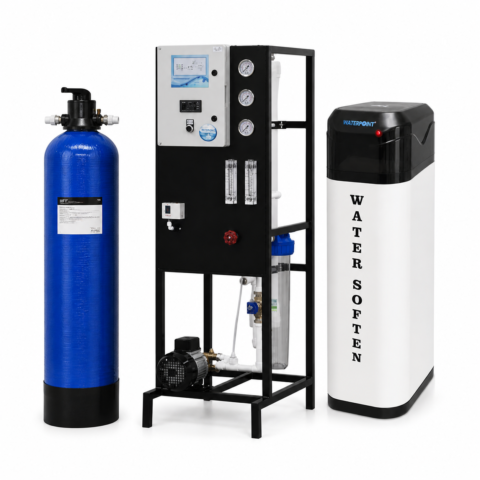
Using Reverse Osmosis and Water Softening Together
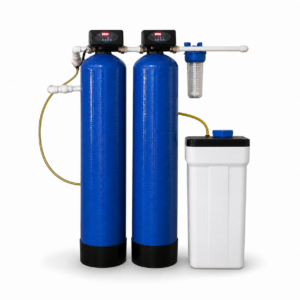
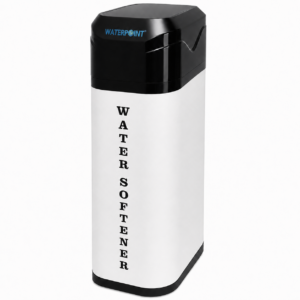
In hard water areas these two systems are often arranged together and complete one another. The order matters: softening comes first, reverse osmosis after it.
This arrangement has three benefits. First, the whole plumbing system and the heating equipment are protected from limescale. Second, because softened water lowers the risk of limescale crystallising on the membrane surface, membrane life is extended. Third, because the membrane works more easily the recovery rate improves and wastewater falls.
Where hardness is low, softening may not be needed; that decision must be made on the basis of a measurement. At high hardness, antiscalant dosing can be chosen instead of softening; which of the two is suitable is decided according to the flow rate, the hardness value and the operating preference.
What Determines Running Cost
In reverse osmosis systems the total cost is made up of several items beyond the price of the unit. These need to be weighed together when quotes are compared.
- Pre-filter sets: Usually changed twice a year; the most regular consumable item.
- Membrane: The most valuable component in the system, renewed according to performance. Its life depends directly on the quality of pre-treatment.
- Energy: Pumped systems consume it continuously; its weight is clear in industrial and seawater applications.
- Wastewater: Water going to drain creates both a water charge and a sewerage charge.
- Chemicals: Continuous on systems that use antiscalant dosing.
- Service: Scheduled maintenance, chemical cleaning and verification of measurements.
Most of these items fall when pre-treatment is set up correctly. A system that looks cheap can work out far more expensive within a few years if weak pre-treatment uses up the membrane early. When comparing, therefore, you must look not only at the list price but also at the expected consumable use.
Systems That Will Stand Idle for a Long Time
Reverse osmosis membranes become open to biological fouling when they are left standing in still water. This happens often at seasonal facilities, summer houses and construction sites. If the system is to stay shut down for a long time the preservation procedure laid down by the manufacturer must be applied; when it is brought back into service the membranes must be flushed with plenty of water and the first water produced must not be used. In locations where there is a risk of freezing the system must be drained of water completely; a frozen membrane and housing are permanently damaged.
Home RO System vs Industrial RO Plant
| Criterion | Domestic / Office | Industrial |
|---|---|---|
| Capacity unit | GPD (gallons per day) | Tonnes/day or m³/hour |
| Membrane size | Small-diameter elements | Large elements such as 8 inch, inside a housing |
| Pressure | Mains or a small pump | High-pressure pump |
| Automation | Simple; shut-off valve | Panel, conductivity and pressure monitoring |
| Pre-treatment | Cartridge filters | Tank-based sand, carbon and softening |
| Storage | Small tank or direct flow | Buffer tank, distribution line |
| Maintenance | Cartridge replacement | Chemical cleaning, media replacement, monitoring |
Although the same law of physics is at work, the operating requirements of the two applications are completely different. On industrial systems measurement and record-keeping become compulsory, while on domestic units discipline in changing the filters is what counts.
Seawater Reverse Osmosis
The salinity of seawater is far above the working range of standard reverse osmosis membranes. Seawater systems therefore work with special membranes and at much higher pressure.
The main differences:
- High pressure: Energy consumption is markedly higher than in fresh water applications.
- Material selection: Because salt water causes corrosion, pumps, pipework and fittings must be selected to suit.
- Recovery: Lower than on fresh water systems; most of the feed water comes back as concentrate.
- Pre-treatment: Because of the suspended matter and organic load in seawater, pre-filtration is more extensive.
In boat applications the limits on space, weight and energy create additional design requirements. On these systems the preservation procedure to be applied when they are out of use for a long time must also be planned.
Maintenance Intervals
| Component | Work to Be Done | Frequency |
|---|---|---|
| Sediment filter | Cartridge replacement | Usually every 6 months |
| Activated carbon | Cartridge or media replacement | Every 6 months / according to performance |
| Membrane | Conductivity and flow monitoring, chemical cleaning | When performance drops |
| Antiscalant dosing | Chemical level and calibration | Periodic |
| Pressure and flow | Pressure gauge and flow meter readings | Recorded regularly |
| Tank air pressure | Checked on tank systems | Periodic |
| Shut-off / check valve | Check for continuous wastewater flow | When a symptom appears |
On the Water Point side, filters, membranes, resin and salt are consumables; valves, pumps and tanks are durable spare parts; there is a service network covering Türkiye as a whole for industrial systems and İstanbul and the surrounding provinces for domestic units, and technical service is provided for units of all domestic and foreign brands.
Common Mistakes
- Skipping activated carbon: Chlorine damages the membrane permanently; it is the most expensive mistake.
- Putting off the pre-filter change: A blocked filter strains the membrane; delaying the cheap part burns out the expensive one.
- Choosing a pump-free model without measuring the pressure: At low pressure output falls and wastewater rises.
- Sizing capacity for summer conditions: Output falls in winter and the system is left short.
- Keeping no records: If pressure and conductivity are not monitored, membrane fouling is noticed late.
- Using reverse osmosis instead of softening: Reverse osmosis does not solve the limescale problem across the whole plumbing system; it does not take the place of central softening.
- Leaving the system idle for a long time: Biological fouling develops on membranes that stand still.
High-Efficiency Water Point Reverse Osmosis Systems
- Design based on analysis: The site survey is free if the unit is purchased from us; the membrane and the pre-treatment are selected according to the measurement result.
- Membrane options: Toray, LG, STAR and TechFlow membranes are among the components used.
- Wide capacity range: Options run from under-sink units to industrial systems with a capacity of 95 tonnes per day.
- Standard-size cartridges: Cartridges in widely available standard sizes are used.
- Brand-independent technical service: Technical service is provided for units of all domestic and foreign brands.
- Units carry a 2-year warranty; misuse is outside the cover. Consumables such as filters, membranes and resin are outside the cover.
- Certification: CE certification is held for the activities carried out.
Professional Reverse Osmosis Systems for Businesses
On reverse osmosis systems that feed a production line, continuity is more critical than efficiency. The buffer tank, the bypass line and the stock of critical spare parts must be planned together. If capacity may rise later the system must be designed so that it can be extended; space and hydraulic capacity must be left so that additional membranes can be added.
On a system with no monitoring, membrane fouling is noticed only when production runs into trouble. Regular recording of conductivity, pressure and flow values is therefore an inseparable part of the system in industrial applications.

Reverse Osmosis Water Purifier Prices
Reverse osmosis water purifier and industrial reverse osmosis system pricesvary with capacity, membrane count and the pump and automation equipment. The prices below are the current list prices on the relevant product pages.
| Product | Price | Description |
|---|---|---|
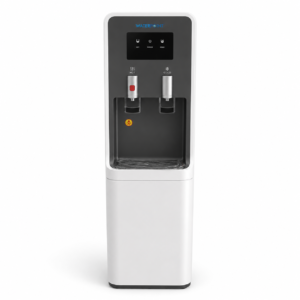
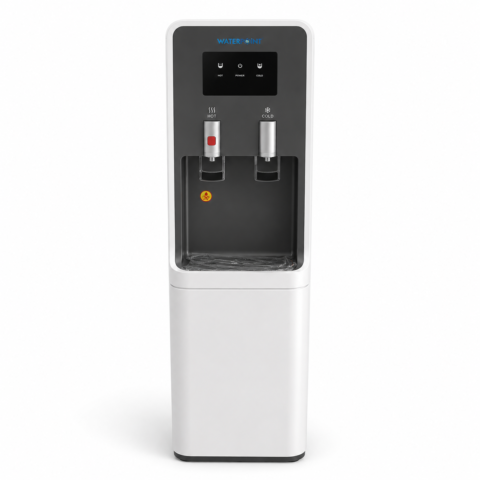
| Water Point Tegra Water Dispenser | 63,723.92 TL | Point-of-use water dispenser with a reverse osmosis stage and hot and cold service. |
| Digital Water Purifier | 82,596.00 TL | Digital reverse osmosis unit on which filter life and water quality can be monitored. |
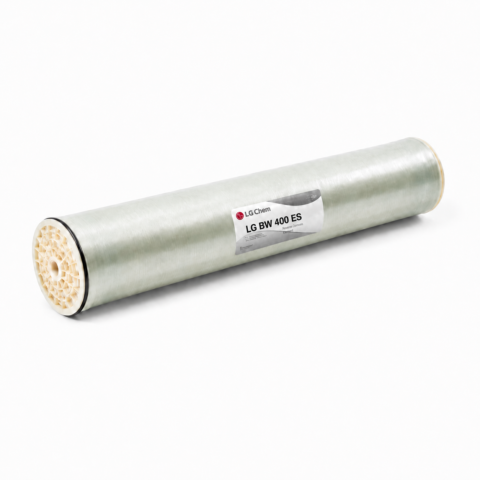
| LG 8 inch RO Membrane BW 400 ES | 73,527.60 TL | 8 inch reverse osmosis membrane used in industrial systems. |
| Toray TM720D-400 Reverse Osmosis Membrane | 78,429.44 TL | Toray reverse osmosis membrane for industrial applications. |
| 5-Element RO 8 inch Membrane Vessel | 80,880.36 TL | Industrial membrane vessel holding five membrane elements. |
| Semi-Industrial Pure Water System | 147,055.20 TL | Reverse osmosis based pure water system for medium-sized businesses. |
| 5 Tonne Reverse Osmosis System | 171,564.40 TL | Industrial reverse osmosis system with a capacity of 5 tonnes per day. |
| Deionised Pure Water Unit 5 Tonnes/Day | 196,073.60 TL | Pure water system that uses reverse osmosis and deionisation together. |
| 15 Tonne Reverse Osmosis System | 245,092.00 TL | Industrial reverse osmosis system with a capacity of 15 tonnes per day. |
| Industrial Pure Water Treatment System | 318,619.60 TL | High-capacity industrial pure water production system. |
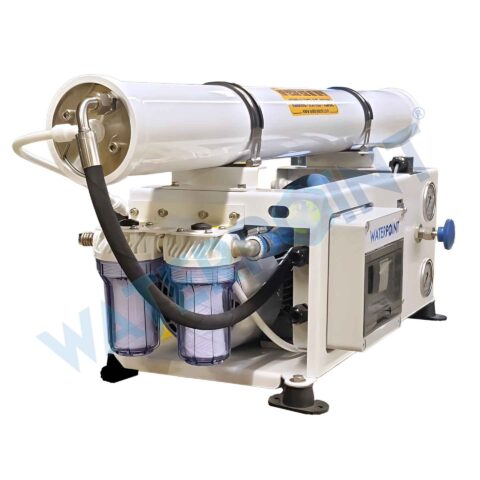
| Boat Watermaker – Seawater Treatment System | 490,184.00 TL | System that produces water from seawater with high-pressure membranes. |
| 95 Tonne Reverse Osmosis System | 980,368.00 TL | Reverse osmosis system with a capacity of 95 tonnes per day, for large-scale facilities. |
The prices are for the standard configuration; they vary with capacity, membrane count and the automation chosen. The right system is determined by weighing the raw water analysis and the real flow profile together.
For a reverse osmosis system suited to your needs and a firm price you can reach us on 0850 304 95 25 or at [email protected].
Let's decide on the right system together
The site survey is free if the unit is purchased from us; if only a site survey and measurement are requested, a survey fee of 2,000 TL applies. Capacity and treatment stages are determined according to the measurement result.
0850 304 95 25Ask on WhatsAppSend an e-mailReverse Osmosis Systems: frequently asked questions
Which substances does a reverse osmosis system treat?
It separates most of the dissolved salts, heavy metals, nitrate and organic compounds, and lowers hardness markedly. It does not, however, remove free chlorine, and it is not designed to take out sediment and turbidity; those must be dealt with in pre-treatment.
How often should the membranes in a reverse osmosis unit be replaced?
There is no fixed interval; it is decided according to performance. Output falling at the same pressure, or outlet conductivity rising, shows that the membrane is worn out. On systems with well-designed pre-treatment, membrane life is markedly longer.
Why does reverse osmosis produce wastewater?
The salts and minerals held back by the membrane are carried away with the concentrate water. Without this stream the rejected matter would build up on the membrane surface and the membrane would block within a short time. The ratio varies with pressure, raw water quality, temperature and membrane age.
What does GPD mean?
It means gallons per day; 1 gallon is about 3.785 litres. Under ideal conditions a 300 GPD membrane produces roughly 1,135 litres a day and 500 GPD roughly 1,890 litres. Real output varies with pressure, temperature and raw water quality.
Does reverse osmosis take the place of a water softener?
It does not. Reverse osmosis lowers hardness but affects only the water at its own outlet; it does not protect the whole plumbing system from limescale. A water softener is needed for central protection. When the two are used together, softening also protects the membrane and extends its life.
Does chlorine damage the membrane?
Yes, free chlorine damages a reverse osmosis membrane chemically and that damage is irreversible. An activated carbon stage must therefore be used ahead of the membrane.
Why does output drop in winter?
As water gets colder its viscosity rises and it passes through the membrane less easily. The output obtained in the winter months is therefore lower than in summer. When capacity is selected, the lowest water temperature condition must be taken into account.
What is the warranty period?
Units carry a 2-year warranty; misuse is outside the cover. Consumables such as filters, membranes and resin are outside the cover.
What is the difference between an RO system and an RO water purifier?
The terms overlap. An RO water purifier usually means the domestic under-sink unit that feeds a separate tap; the wider term covers everything from that unit to industrial plants producing tonnes per day, with high-pressure pumps, a control panel and tank-based pre-treatment.