

Free Shipping
Product Category
Well Water Treatment
Unlike mains water, well water arrives untreated and its content changes from one well to the next. Iron, manganese, hardness, turbidity and microbiological load are the most common issues; which stages are required can only be determined by a water analysis.
- Free Shipping · across Türkiye
- 2-Year Warranty · on systems
Filter
Product type
Daily capacity
The daily treatment capacity stated by the manufacturer.
Not sure which one is right for you?
Products
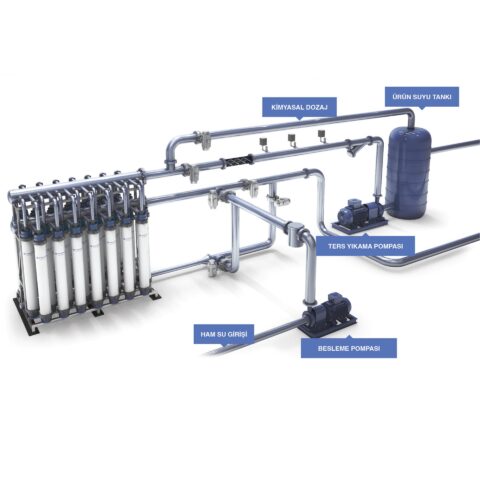
Freight delivery
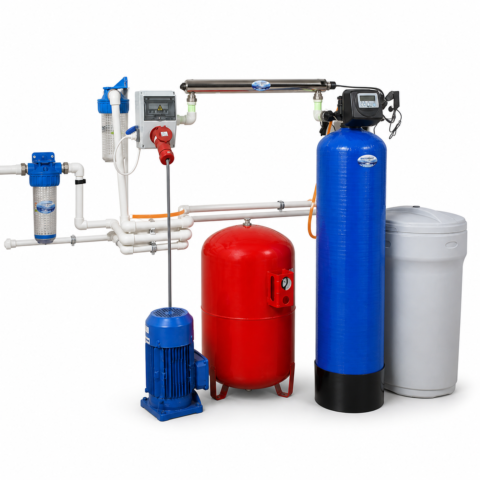
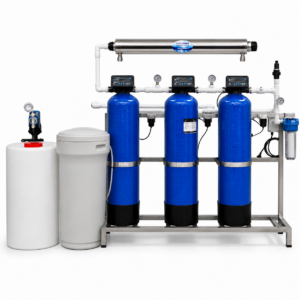
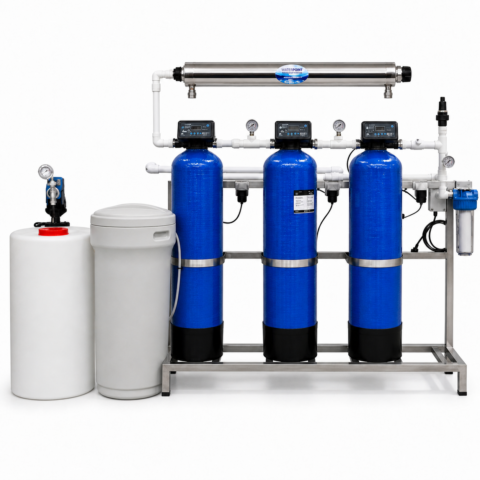
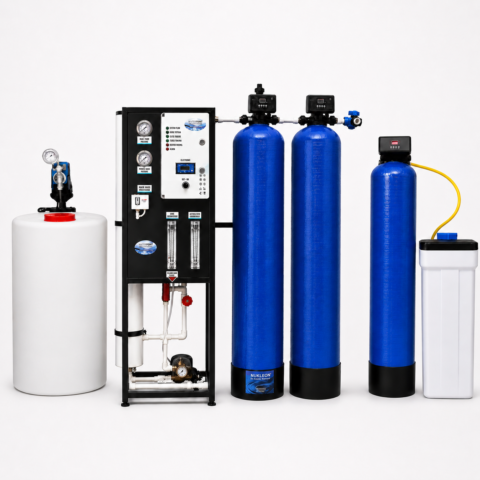
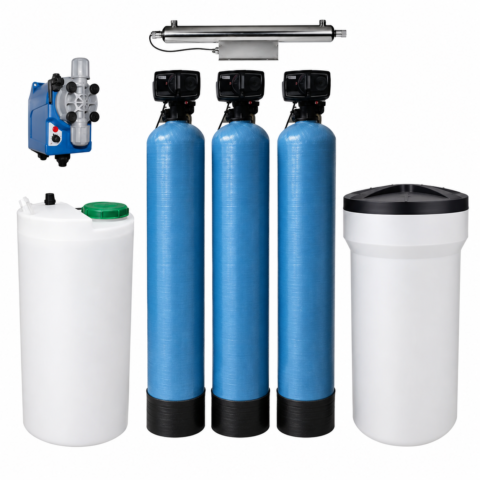
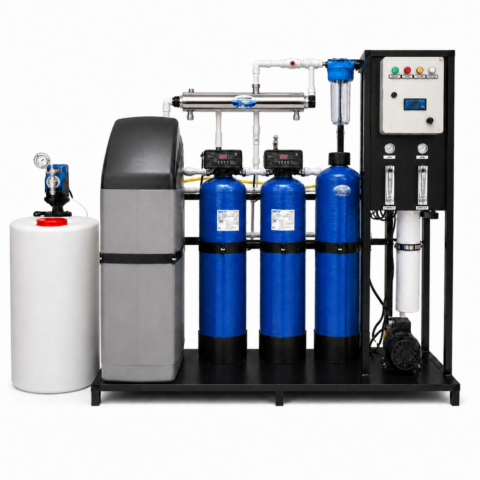
Villa Inlet Water Treatment System
Determined by Project
Building Inlet (Central)
₺107,840.48
VAT included
Freight delivery
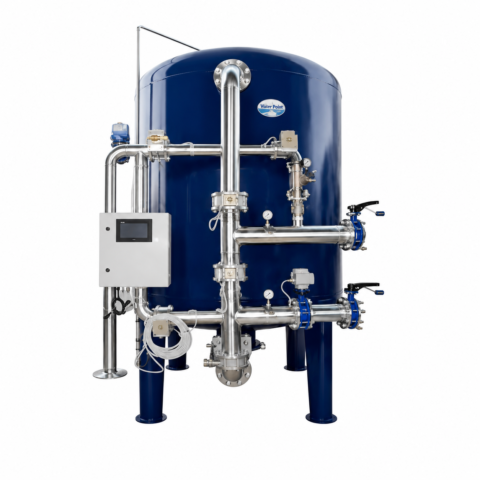
Freight delivery
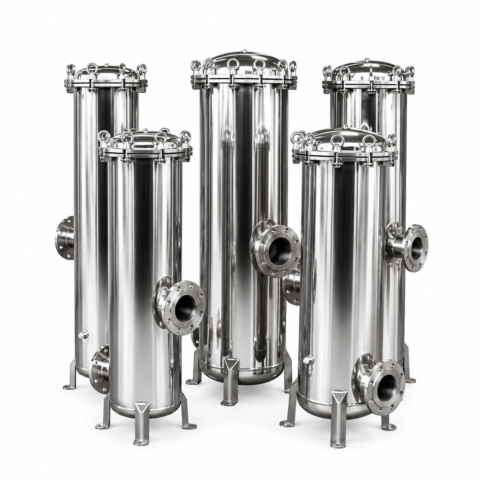
Free Shipping
Free Shipping
About Well Water Treatment
Well water treatment units and systems are multi-stage solutions that bring water drawn from underground to a quality suited to its intended use. Well water differs from mains water on one fundamental point: it reaches the plumbing with no pre-treatment whatsoever. Whatever sediment, iron, manganese, hardness and microbiological load it carries arrives exactly as it is. This is why, on well water, the design of a system always begins with an analysis. Well water treatment unit and system prices vary with the analysis result, the number of stages required and the capacity; the current list is shown in the price table below.
Unlike mains water, well water arrives untreated and its content changes from one well to the next. Iron, manganese, hardness, turbidity and microbiological load are the most common issues; which stages are required can only be determined by a water analysis.
Typical Problems Found in Well Water
| Symptom | Likely Cause | Treatment Stage |
|---|---|---|
| The water runs cloudy | Suspended solids, sand, clay | Sand filter or ultrafiltration |
| Red-brown staining | Dissolved iron precipitating on contact with air | Iron removal stage |
| Black staining and sediment | Manganese | Oxidation and filtration |
| White limescale crust | High hardness | Water softening |
| Sulphur-like odour | Hydrogen sulphide | Oxidation and activated carbon |
| Salty taste | High dissolved salt, seawater intrusion | Reverse osmosis |
| Microbiological risk | Surface water ingress, leakage at the wellhead | UV (ultraviolet) treatment |
| Pump and valve blockage | Sand and sediment | Separator and pre-filtration |
More than one of these symptoms can appear in the same well. This is why well water systems are not set up as a single unit but as a chain of stages that feed one another, each working in sequence.
Why Is an Analysis Essential?
On well water it is not possible to choose a system from a catalogue. Even two neighbouring wells can give completely different values when they are fed from different depths. The parameters that must be checked in the analysis are as follows:
- Total hardness: Determines whether softening is needed and how much resin volume is required.
- Conductivity / TDS: Shows the total dissolved solids load; determines whether reverse osmosis is needed.
- Iron and manganese: These are the most characteristic parameters of well water; they define the removal stage.
- Turbidity (NTU): Determines the type and the size of the pre-filtration.
- pH: Affects the tendency to corrosion and limescale, and how efficient the oxidation will be.
- Microbiological parameters: Show whether a UV stage or an additional barrier is needed.
- Nitrate: A parameter that must be assessed in wells close to agricultural land.
How to read the report is explained in our well water testing and analysis guide. If the unit is purchased from us, the site survey is free of charge; the system proposal is shaped around this assessment.
Seasonal Variation: One Analysis Is Not Enough
The most frequently overlooked property of well water is that it changes over time. Rainfall patterns, the groundwater level and abstraction in the surrounding area all affect the character of the well.
- In wet periods: Surface water ingress can increase; turbidity rises and microbiological risk goes up.
- In dry periods: As the water level falls, the mineral load coming from the deeper layers can increase; hardness and conductivity rise.
- In intensive farming periods: Abstraction in the surrounding area can affect how the well is recharged and what it contains.
- In coastal areas: Over-abstraction can lead to seawater intrusion and raise the salinity.
For this reason, in well water projects the analysis should be repeated several times a year, in different seasons. The system must be sized not to a single measurement but to the most demanding condition; otherwise it falls short in certain months.
Well Water Filtration System: Stages and Order
On well water the order of the stages is more critical than on mains water. The wrong sequence leads to expensive components failing early.
- Separator / sand trap: Coarse sand and heavy particles are separated by centrifugal action. It protects the pump and the equipment downstream.
- Oxidation (where required): Dissolved iron and manganese are oxidised so that they can be filtered out.
- Sand / multimedia filter: Precipitated particles and turbidity are retained. It cleans itself by backwashing.
- Activated carbon: Odour, taste and organic compounds are removed; where there is a membrane system, it protects that as well.
- Water softening: Hardness is removed and limescale is prevented.
- Reverse osmosis (where required): Comes into play where high salinity or nitrate is involved.
- UV (ultraviolet) treatment: Positioned as the final stage in order to reduce microbiological risks.
Not every well needs all of these stages. The analysis result shows which stages are essential and which are unnecessary; an unnecessary stage raises both the initial investment and the running cost for nothing. Each stage is explained in our guide to the stages of well water treatment.
Iron and Manganese Removal
The most characteristic problem of well water is iron. Underground, in an oxygen-free environment, it is present in dissolved form and the water looks clear. The moment it comes into contact with air it oxidises and precipitates; that reddish-brown colour and staining appear at this point.
This behaviour has two important consequences:
- Water that runs clear from the tap can take on colour after standing for a while. This does not mean the treatment is not working; it shows that the iron is oxidising.
- Precipitated iron coats the resin and the membrane. That is why the iron removal stage must come before softening and reverse osmosis.
The removal logic is this: dissolved iron is oxidised in a controlled way so that it becomes solid, and it is then retained by filtration. Manganese behaves in a similar way, but it is harder to oxidise and generally requires a higher pH. For this reason, when iron and manganese are present together the system must be designed with more care.
Water softeners can hold a limited amount of iron, but they must not be used in place of an iron removal unit. Iron that builds up on the resin reduces the capacity permanently over time and the resin then has to be replaced. The forms iron takes in water and the right filter for each are covered in our article on iron removal from water.
Is Well Water Drinkable?
There is no single answer to this question; it varies from one well to the next. What decides the matter is not the appearance or the taste but the laboratory analysis. Water that looks clear and tastes of nothing may still be unsuitable microbiologically or chemically, while cloudy water can be made drinkable with the right stages.
If use as drinking water is being considered, the route to follow is this:
- A comprehensive analysis is carried out at an accredited laboratory.
- The results are compared with the drinking water criteria in the relevant regulations.
- Which parameters are outside the limits is established and the stages are designed accordingly.
- Once the system is installed, the outlet water is analysed again and verified.
- The analysis is repeated periodically; well water changes over time.
Using well water for drinking before these steps are completed is not advised. Having a treatment system installed is not enough on its own; the result must be verified by measurement.
Residential, Agricultural and Industrial Applications
Homes and Villas: Domestic Well Water Treatment Unit
In detached houses, well water usually feeds the whole installation. The priority is sediment and iron removal together with hardness control; for drinking water, a separate reverse osmosis unit is used in the kitchen. If there is garden irrigation it must be included in the flow rate calculation, and where necessary the irrigation line must be taken off upstream of the treatment. In buildings on mains water, the same arrangement is covered by whole house water treatment and building inlet solutions.
Agricultural Irrigation and Greenhouses
In irrigation water the priority is not drinkability but salinity and the sodium balance. High salinity has an adverse effect on plant growth and on soil structure. In drip irrigation the risk of blockage also comes to the fore, which makes sediment filtration critical. In a greenhouse, the starting water needs to have a known profile so that the nutrient solution can be reproduced.
Industry and Manufacturing
In facilities running on well water the number of stages increases. On the boiler feed line the hardness must be close to zero, on process water the conductivity must be controlled, and on rinsing lines pure water may be required. It must also be taken into account that the well yield can fall seasonally; the system must be checked under the lowest flow rate condition.
Factors on the Well and Pump Side
The performance of the treatment system depends not only on the units but on the well itself. Situations that come up often:
- Over-abstraction: Drawing more water from the well than its capacity allows drags up the sediment at the bottom and increases turbidity.
- Pump depth: If the pump sits too close to the bottom, mud and sand are drawn in and the filters block needlessly quickly.
- Wellhead sealing: Surface water and contaminants can enter a well whose head is not properly closed. This is the most common cause of microbiological risk.
- Well cleaning: When the sediment that builds up over the years is not removed by periodic well maintenance, the treatment load keeps rising.
- Booster set setting: Pressure fluctuations have an adverse effect on filter and membrane performance.
Reviewing these headings before the treatment system is installed removes many of the problems that would otherwise come up later on.
Storage Tanks and Booster Sets on Well Water
In most applications well water is not fed straight into the plumbing; it is first taken into a storage tank and pumped on from there by a booster set. This arrangement has a direct effect on where the treatment sits and on the maintenance it needs.
- Before the tank or after it? Coarse sediment and sand removal is usually done before the tank, so that no build-up forms at the bottom of it. Fine filtration, softening and UV stages, on the other hand, are positioned after the tank.
- Tank maintenance: A treatment system is no substitute for cleaning the tank. The tank must be emptied and cleaned periodically; otherwise the treated water becomes contaminated again.
- Standing time in the tank: Water standing still for a long time increases microbiological risk. The tank volume must therefore be chosen to match consumption, and a tank larger than necessary should not be preferred.
- Ventilation: On closed tanks the ventilation opening must be fitted with a filter; dust and insects must be prevented from getting in from outside.
- Booster set setting: Pressure fluctuation upsets filter and membrane performance. The cut-in and cut-out range of the booster set must be set to match the working pressure of the system.
Assessment Criteria for Irrigation Water
In agricultural use, different parameters come to the fore than in drinking water. It is not enough for the water to be "clean"; it has to suit the plant and the soil.
- Salinity: High salinity makes it harder for the plant to take up water. Building up in the soil over time, it can lead to yield loss.
- Sodium balance: The ratio of sodium to calcium and magnesium affects the structure of the soil and its water permeability.
- Bicarbonate: In drip systems it can precipitate and cause the emitters to block.
- Suspended solids: The most common cause of blockage in drip and micro-sprinkler systems.
- Iron and manganese: They precipitate inside the emitter and narrow its cross-section.
In irrigation applications the aim is not to purify the water completely; that is both unnecessary and expensive. The target is to bring the salinity into an acceptable range and to remove the risk of blockage. In applications using reverse osmosis, the treated water can be blended with raw water in a controlled way to obtain the profile required.
Winter Conditions and Long Idle Periods
Well systems are often installed outdoors, in the garden or in a cold basement. That calls for seasonal precautions.
- Freezing: Filter housings, tanks and valves crack when they freeze. If the system is in a space where there is a risk of freezing, insulation or heating is needed; if it will not be used for a long period, it must be drained of water.
- Seasonal use: At summer houses and agricultural sites the system has to stand idle for months. Running a regeneration on the softening stage before shutting down leaves the resin standing freshly renewed with brine.
- Commissioning: On returning, the system must be flushed through several times and the first water must not be used. If there is a UV stage, the lamp running hours must be checked.
- On the well side: In wells that have not been drawn from for a long time the first water can come through cloudy; running it to waste for a while before feeding it to the system protects filter life.
System Commissioning and Verification
- Raw water measurement: The values before installation are recorded; this is the reference for the comparison to be made later.
- Stage-by-stage commissioning: Each stage is run separately and its outlet checked; if a problem appears, its source is found quickly.
- Backwash test: The backwash steps of the sand and carbon filters are monitored and the drain is verified as adequate.
- Softening verification: The outlet hardness is measured with a test kit and reaching the target value is confirmed.
- Record: All measured values are recorded with their dates and handed over to the user.
- Training: Topping up the salt, checking the backwash and dealing with alarm conditions are explained.
The records taken during commissioning are the only objective data you hold when the argument "the system is not working as it used to" comes up later. It is therefore advisable to ask for a written record rather than a verbal handover.
Fault Symptoms and First Checks
- The water has started coming through cloudy: The sand filter backwash may not be running, or the bed may be exhausted.
- Colour and staining have come back: The iron removal bed may be saturated.
- The pressure has dropped: The filter cartridges may be blocked, or the booster set setting may have drifted.
- Limescale is showing again: The salt may have run out, a salt bridge may have formed, or the regeneration may not be running.
- An odour has appeared: The activated carbon may have reached the end of its life, or the standing time in the tank may have grown too long.
- The UV unit is giving a warning: The lamp may have reached the end of its life, or the quartz sleeve may be coated.
If these checks bring no result, the valve, the pump or the bed material needs to be assessed. Whether anything has changed on the well side must also be questioned; more often than not the problem is not in the unit but in the raw water having changed.
Running Costs in Well Water Treatment
Running costs on well water systems are higher than on mains water systems, because the raw water load is heavy and more stages are working. The following items must be assessed together when deciding:
- Backwash water: Sand, carbon and iron removal beds backwash regularly; some water goes to drain with every wash.
- Salt: Where there is a softening stage there is a regular salt consumption; the higher the hardness, the higher the consumption.
- Bed replacement: Sand, carbon and iron removal media have a service life and are replaced periodically.
- Cartridge filters: In wells with a high sediment load they need changing more often.
- UV lamp: It must be budgeted for as an annual replacement item.
- Electricity: Automatic valves, UV and, where fitted, the booster pump create a continuous consumption.
- Analysis: Analyses repeated seasonally are a cost item too, but they are the only way of verifying that the system is working correctly.
A large part of these items comes down when the pre-treatment is set up correctly. When coarse sediment and iron are held at an early stage, the expensive components behind them are put under far less strain.
What to Prepare Before Requesting a Quotation
- Well details: Depth, yield (flow rate) and pump type.
- Water analysis: If possible, at least two analyses taken in different seasons.
- Intended use: Drinking, domestic use, irrigation or process.
- Daily consumption and peak flow rate: The m³/h figure needed at the busiest moment.
- Storage tank situation: Is there one, what is its volume, when was it last cleaned.
- Installation location: Space, the drain, the electricity supply and the risk of freezing.
- The current problem: Turbidity, colour, odour or limescale; which one comes first.
When these seven headings are ready, the quotations that come in can be compared on the same ground. Two analyses taken in different seasons in particular are the most valuable input for correct sizing in well water projects.
Key Differences Between Well Water and Mains Water
Knowing the difference between the two sources explains why the same unit gives different results in two places.
- Pre-treatment: Mains water arrives having been through a certain amount of treatment; well water is raw.
- Chlorine: Mains water contains free chlorine, which is a risk for the membrane. Well water contains no chlorine; on the other hand, the microbiological risk must be assessed.
- Turbidity: It is low on mains water; on well water it can be high and it changes with the season.
- Iron and manganese: They are rarely a problem on mains water; on well water they are the most characteristic parameter.
- Stability: The values of mains water are relatively constant; well water can change noticeably through the year.
- Pressure: On the mains it is usually stable; on a well it depends on the characteristics of the pump and the booster set.
Because of these differences, a system designed for mains water blocks within a short time when it is applied directly to well water. In well water projects the pre-treatment chain is always longer and the maintenance intervals are shorter.
Timetable in Well Water Projects
Well water treatment projects call for a different timetable than buying a ready-made unit. The process usually runs through these steps: the site survey and sampling, the laboratory analysis being completed, stage design and quotation preparation based on the analysis result, supply of the equipment after approval, preparation of the infrastructure, installation and, finally, commissioning and verification. Each of these steps takes a different amount of time, and waiting for the analysis result is usually the longest item.
Paying attention to two points while planning shortens the process. The first is that the sample is taken correctly and reaches the laboratory without delay; a faulty sample puts the whole design on the wrong footing. The second is that the infrastructure is prepared while the equipment is awaited; when the drain line, the electricity supply and the floor are ready, the installation is finished in far less time.
Maintenance Intervals
On well water systems, maintenance is needed more often than on mains water systems, because the raw water load is heavier.
| Component | Work to Be Done | Frequency |
|---|---|---|
| Separator / sand trap | Draining and cleaning | Often, according to the sediment load |
| Sand / multimedia filter | Backwash check, bed replacement | Scheduled service |
| Iron removal bed | Performance check and replacement | According to the iron load |
| Activated carbon | Bed replacement | According to odour and chlorine performance |
| Softening salt | Level check and topping up | Regularly, according to consumption |
| Softening resin | Fouling check | When the outlet hardness rises |
| Reverse osmosis membrane | Conductivity and flow rate monitoring | On a drop in performance |
| UV lamp | Replacement and quartz sleeve cleaning | Once a year |
| Pressure check | Inlet-outlet pressure gauge | Scheduled |
On well water the quartz sleeve of the UV stage becomes coated over time; even when the lamp looks as though it is working, less light passes through. The sleeve must therefore be cleaned when the lamp is changed.
At Water Point, filters, membranes, resin and salt are consumables; valves, pumps and tanks are durable spare parts; industrial systems are covered by a service network across Türkiye, while for domestic units the network covers İstanbul and the surrounding provinces, and technical service is provided for units of all domestic and foreign makes.
Common Mistakes
- Building a system on a single analysis: Well water changes with the season; a single measurement misleads.
- Skipping iron removal: Precipitated iron coats the resin and the membrane and creates a permanent loss of capacity.
- Getting the order of the stages wrong: Putting softening ahead of iron removal is a common and expensive mistake.
- Not planning the backwash drain: Sand and carbon filters block if they cannot backwash regularly.
- Neglecting the wellhead: Surface water ingress puts even a carefully designed treatment system under strain.
- Positioning the pump close to the bottom: Mud and sand are drawn in and the filters block needlessly quickly.
- Assuming the water is drinkable: Using it for drinking without analysis and verification is not correct.
Well Water Treatment Technologies and Engineering Solutions
Well water projects are a design job far more than a matter of choosing a ready-made unit. Two facilities of the same capacity require completely different equipment lists if the raw water is different. The solution therefore emerges from the analysis, the choice of stages, the hydraulic design and the automation being worked out together.
The decisive headings in the engineering are these: the raw water analysis and its seasonal range of variation, the target water quality, daily consumption and peak flow rate, the well yield and the pump characteristics, the drain available, the electrical power and the space where the system will be installed.
Well Water Sand Filter and Filter Prices
On well water the first stage is mostly a sand filter: it holds back suspended sediment, sand and turbidity and protects the softening, iron removal and membrane stages behind it. Also searched for as a well water filter, this stage works with backwashing; the bed in the tank is washed in the reverse direction at set intervals, sends the sediment it has held to drain and serves for a long time without any consumable being changed. Well water sand filter prices vary with the tank diameter, the bed volume and the design flow rate; the current figures are shown in the price table below.
Technical Approach by Application Area
- Homes and villas: Sediment and iron removal come first, then hardness control; a separate unit for drinking water.
- Housing estates and apartment complexes: Peak flow rate is decisive; a bypass and an uninterrupted operating arrangement become important.
- Agricultural irrigation: Salinity and the risk of blockage come first; in drip systems filtration is critical.
- Greenhouses and soilless growing: The essential point is that the starting water is known and reproducible.
- Industry: A different quality line by line; the boiler, the process and rinsing are assessed separately.
- Hotels and tourism facilities: Because of seasonal use, commissioning and long-idle procedures become important.
Professional Well Water Treatment for Businesses and Homes
Water Point carries out analysis-based engineering on well water applications. If the unit is purchased from us, the site survey is free of charge; if only a site survey and measurement are wanted, a survey fee of 2,000 TL applies. The order of the stages and the capacity are determined according to the measurement result. Clack valve products and Toray, LG, STAR and TechFlow membranes are among the components used in the systems. Units carry a 2-year warranty, and CE certification is held for the activities covered. Misuse and consumables such as filters, membranes and resin are outside the scope of the warranty.
Technical Support for Well Water Treatment Systems
Water Point provides technical support covering the site survey, engineering, installation, commissioning, scheduled maintenance and fault response. Industrial systems are covered by a service network across Türkiye; for domestic units, service is provided in İstanbul and the surrounding provinces (such as Kocaeli and Tekirdağ). The service charge is set according to the work and the materials; no charge is made without the customer's approval.

Well Water Treatment Unit and System Prices
Well water treatment prices vary with the raw water quality, the number of stages required, the capacity and the level of automation. The prices below are the current list prices on the relevant product pages. On the well water filter side the first link in the chain is mostly a sand filter; well water sand filter prices vary with the tank diameter and the flow rate, while in domestic well water treatment unit arrangements smaller housings are sufficient.
| Product | Price | Description |
|---|---|---|
| Separator Filter Systems | 24,509.20 TL | Inlet stage that separates coarse sand and sediment; the first link in domestic arrangements. |
| Automatic Sand Unit | 25,489.57 TL | Backwashing sand filter that removes turbidity and sediment at house and villa scale. |
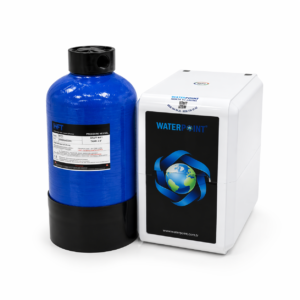
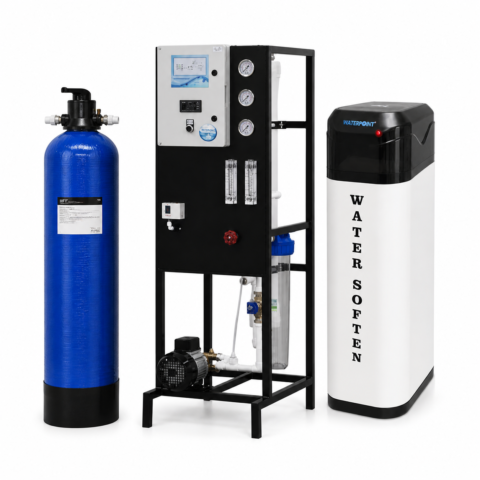
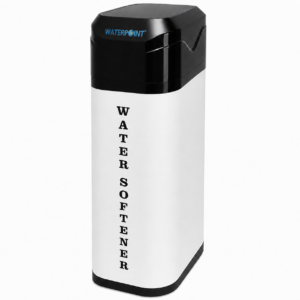
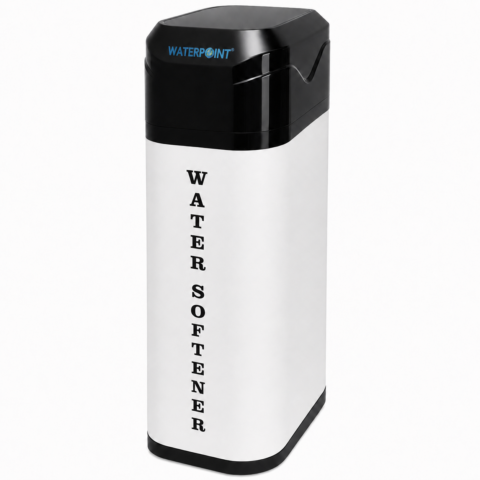
| Maxi Cabinet Water Softener 5 Tonnes/Day | 34,312.88 TL | Cabinet softening for hardness removal in a domestic well water treatment unit arrangement. |
| Industrial Limescale Treatment Unit | 98,036.80 TL | Tank-based system for limescale control on high flow rate lines. |
| Industrial Automatic Sand Unit | 117,644.16 TL | Industrial sand filter that cleans itself by backwashing and removes turbidity and sediment. |
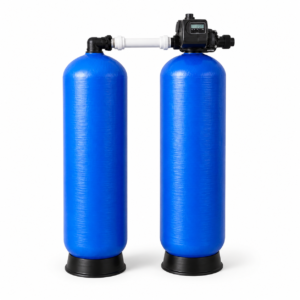
| Villa Inlet Water Treatment System | 107,840.48 TL | Central system that treats well or mains water for the whole installation in detached buildings. |
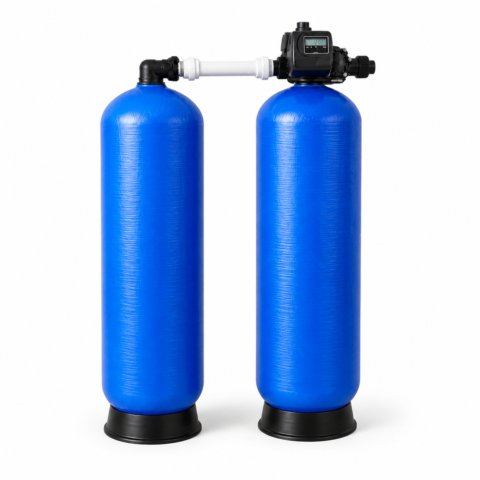
| Twin-Tank Water Softening | 115,193.24 TL | System in which two columns work alternately, providing soft water without interruption. |
| Industrial Activated Carbon Unit | 139,702.44 TL | Tank-based activated carbon system for the removal of odour, taste and organic compounds. |
| Well Water Treatment System | 147,055.20 TL | Multi-stage system that handles sediment, iron and hardness removal together on well water. |
| Ultrafiltration System | 147,055.20 TL | Advanced filtration system that separates suspended solids and turbidity with a membrane. |
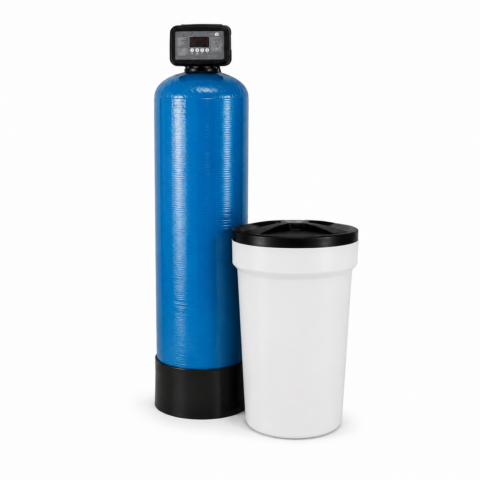
| Industrial Water Softener | 171,564.40 TL | Industrial softening that removes hardness on high flow rate lines. |
| Industrial Well Water Treatment Unit | 245,092.00 TL | High-capacity well water treatment system for industrial facilities. |
| Greenhouse Water Treatment Systems | 294,110.40 TL | Reverse osmosis system for salinity control in soilless growing and greenhouse irrigation. |
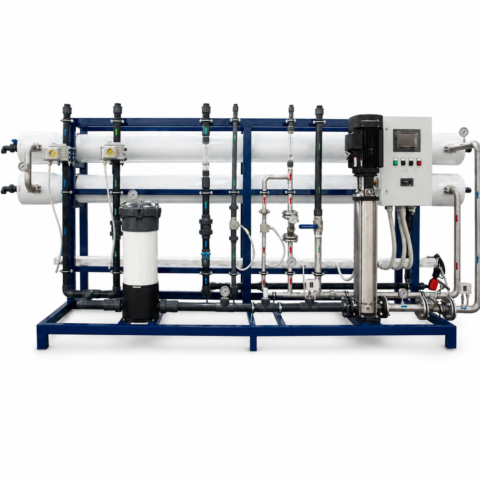
| Industrial Well Water Treatment System | 343,128.80 TL | Multi-stage, automated industrial well water treatment solution. |
The prices are for the standard configuration; they change with the stages added according to the raw water analysis and with the capacity selected. In well water projects the right system is determined with the seasonal range of variation taken into account as well.
For the system that suits your well and a firm price, you can reach us on 0850 304 95 25 or at [email protected].
Let's determine the right system together
If the unit is purchased from us, the site survey is free of charge; if only a site survey and measurement are wanted, a survey fee of 2,000 TL applies. The capacity and the treatment stages are determined according to the measurement result.
0850 304 95 25Ask on WhatsAppSend an e-mailWell Water Treatment: frequently asked questions
Can well water be used as drinking water?
It varies from one well to the next and the decision can only be made with a laboratory analysis. A comprehensive analysis must be carried out at an accredited laboratory, the results must be compared with the drinking water criteria in the relevant regulations, the stages must be designed accordingly and, after installation, the outlet water must be analysed again and verified.
Which contaminants does a well water treatment system remove?
Sand and sediment, turbidity, dissolved iron and manganese, hardness, odour and taste components, high salinity and microbiological risks are dealt with stage by stage. Which stages are required is determined by the raw water analysis.
Why does iron in well water produce colour later on?
Underground, iron is in dissolved form in an oxygen-free environment and the water looks clear. On contact with air it oxidises and precipitates, and a reddish-brown colour forms. That is why the iron removal stage is positioned before softening and reverse osmosis.
How often should the analysis be repeated?
Well water changes with the season. Rainfall patterns, the water level and abstraction in the surrounding area affect its content. It is therefore advisable to repeat the analysis several times a year, in different seasons, and to size the system to the most demanding condition.
Does a water softener remove iron?
It can hold a limited amount, but it does not take the place of an iron removal unit. Iron that builds up on the resin reduces the capacity permanently over time and the resin then has to be replaced. Where there is an iron load, a separate removal stage must be installed.
Why does the order of the stages matter?
Each stage protects the next one. Water that reaches softening or reverse osmosis before the coarse sediment and iron have been removed coats the resin and the membrane and leads to expensive components failing early.
Is a drain line essential for the system?
Yes. Sand and carbon filters backwash and the softener regenerates; both require a drain. Where no suitable drain is available, the system cannot work properly.
What is the warranty period?
Units carry a 2-year warranty; misuse is outside the scope. Consumables such as filters, membranes and resin are outside the scope.
How much does a well water treatment unit cost?
The price is set according to the water analysis result, the treatment stages required, the capacity and the level of automation. Current list prices are shown in the price table on this page. For a quotation specific to your well you can reach us on 0850 304 95 25.