
The Best Water Treatment System: 7 Criteria Instead of a Ranking
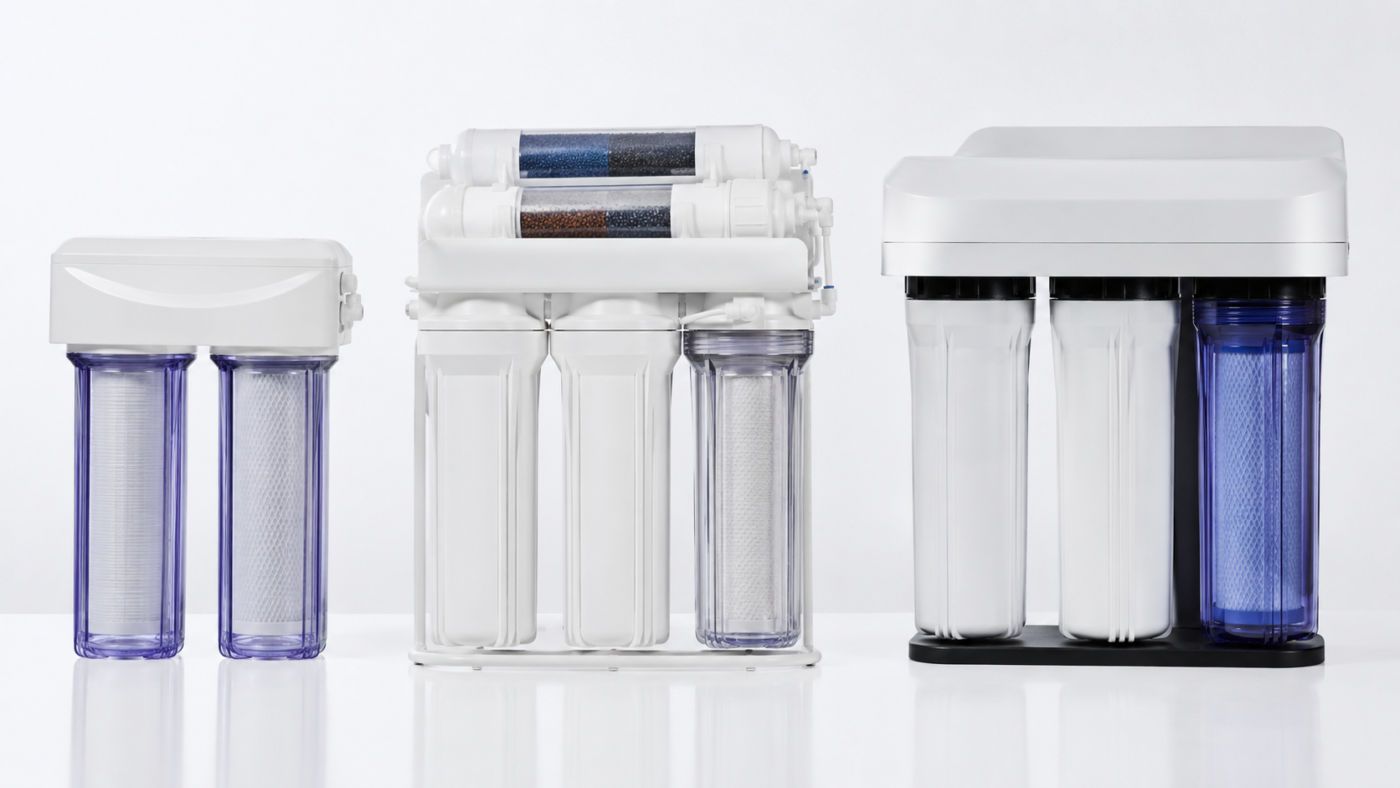
Type best water filter, best water purifier or best water treatment system into a search box and dozens of lists come back at you. One page puts a model first, another does not mention that model at all; some are sponsored, and some never explain what criteria they ranked by. What is left in your hands is a set of scores that contradict each other, and deciding becomes harder than it was when you started.
The problem is not in the lists but in the question itself. “Which model is best” has no single right answer, because what settles it is not the unit but your water and your use. This article does not give you a ranking — it gives you a set of measurable criteria. Under seven headings we take up what to look at, which question to ask and how to verify the answer. In this way your search for the best water treatment system stops being a guessing game and turns into a decision resting on your own data.
What Does “The Best Water Treatment System” Mean?
The best water treatment system is not a single model valid for everyone. It is the unit that matches your water analysis result, your purpose, the number of people in the household and your installation conditions, and that has reachable technical service and a continuous supply of spare parts behind it. The right question is not “which model” but “which one suits me”.
At first sight that definition may look evasive; technically, though, it is the most honest framework there is. A unit treats the water it is given. If that water is hard, softening is needed; if it carries sediment, filtration is needed; if there is a microbiological load, another stage is needed. The “goodness” of a unit comes out of that match.
The second determining factor is the structure behind the unit. A best water treatment system assessment cannot be made by looking only at what is inside the box; can its filters be found, who do you reach when it fails, who carries out the installation — those questions have to be answered too.
The third point is time. On installation day everyone is pleased; the difference shows up in the second year. A unit whose spare parts cannot be supplied, or whose service cannot be reached, becomes unusable however well it was designed.
Why Is There No Single Best Water Filter for Everyone?
The right unit changes with the variables. As the hardness and dissolved solids load of the water, the number of people in the household, the mains pressure, the installation space in the kitchen and the purpose of use differ, so does the build that suits. A unit that works perfectly in one home can fall short in another.
Let us make that concrete. A two-person flat fed by soft mains water and a six-person detached house on well water cannot get the same result from the same unit. In the first a basic build is enough; in the second, sediment, iron and microbiological load have to be handled separately.
Pressure is just as decisive. In a household where the mains pressure is sufficient a pump-free model runs quietly and economically, while for a user on a top floor the same model struggles to produce. The unit has not changed; the conditions have.
That is why best water treatment system is a phrase to be read not as a product label but as the result of a match. The criteria are universal; the result is personal.
As a starting point, the type that usually fits each kind of water looks like this; the analysis confirms which one applies:
- Chlorine taste and odour on mains water: an activated carbon stage, as in our water filters.
- High TDS (dissolved salts): a reverse osmosis unit, such as our under-sink RO water purifiers.
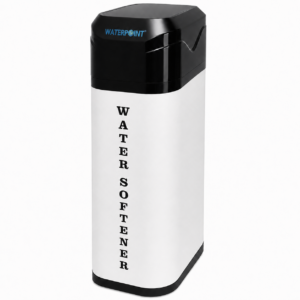
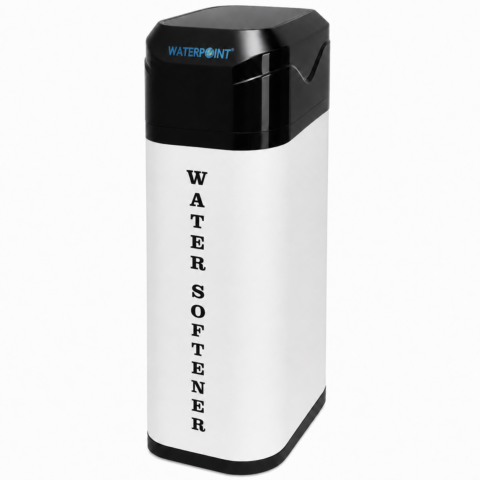
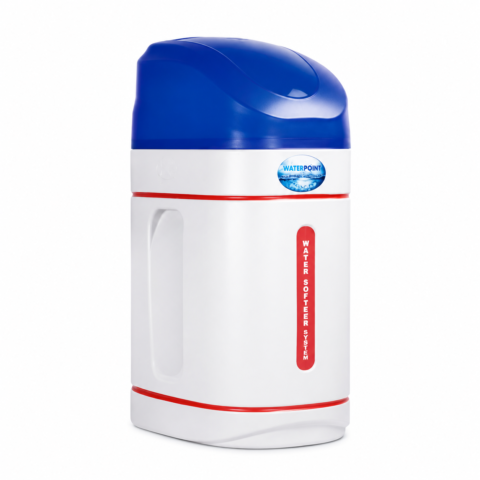
- Hard water and limescale: ion exchange in a water softener.
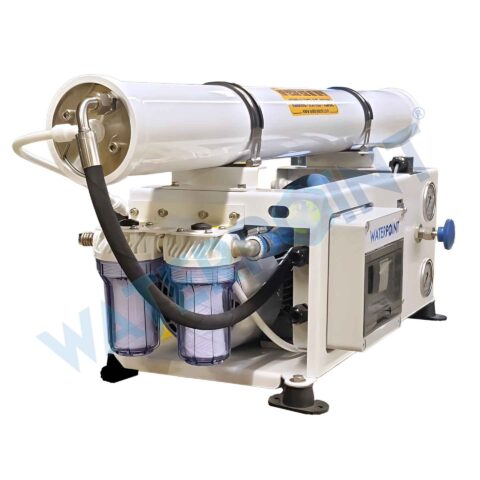
- Well water: a staged system designed from the analysis, as in well water treatment.
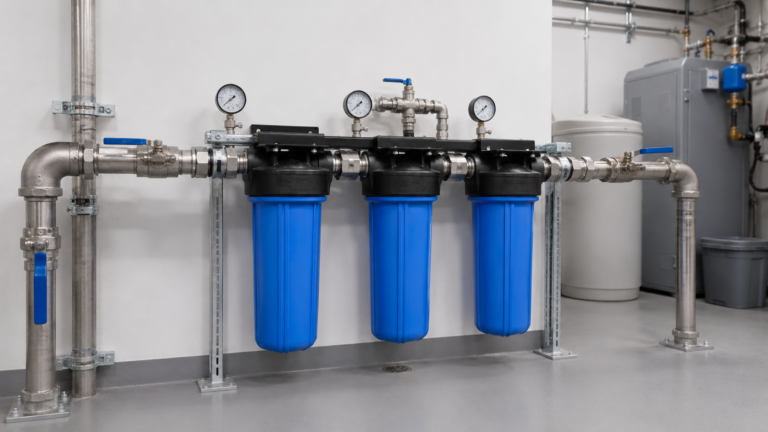
- The whole home, not just the kitchen tap: a whole house water filtration system at the point of entry.
The seven criteria below then separate a good unit of that type from a weak one.
For a general framework on assessing water quality at home, the US Environmental Protection Agency has a guide to drinking water at home that stresses users should assess their own water sources.
If a ranking does not explain what criteria it was made by, that ranking is not an assessment but a preference. Look for method rather than scores: which measures were used, which conditions were assumed?
7 Criteria for Assessing the Best Water Treatment System
An objective assessment is made under seven headings: fit to your water, the correctness of the treatment stages, component quality, continuity of spare parts, technical service and installation support, total cost of ownership, and after-sales transparency. Assessed together, those seven criteria make the decision measurable.
None of the headings below is enough on its own; they gain meaning together. A unit can be technically very good, but if its spare parts cannot be found it falls out of the assessment. Conversely, a unit with strong service that does not suit your water will not give the result expected.
Fit to Your Water
No unit that does not match your analysis result is the right unit.
Fit of the Stages
It should be clear which problem is solved by which stage.
Component Quality
The membrane, the valve and the pump determine the real life of a unit.
Spare Parts
A unit whose filters cannot be found soon becomes unusable.
Service and Installation
Installation quality and reachable service lower the risk directly.
Total Cost
What is decisive is not the label price but the spend spread over the years.
Transparency
After-sales conditions being clear and in writing is essential.
Now let us take those seven criteria one by one. Under each heading we set out concretely what to look at and which question to ask the seller.
Criterion 1: Fit to Your Water
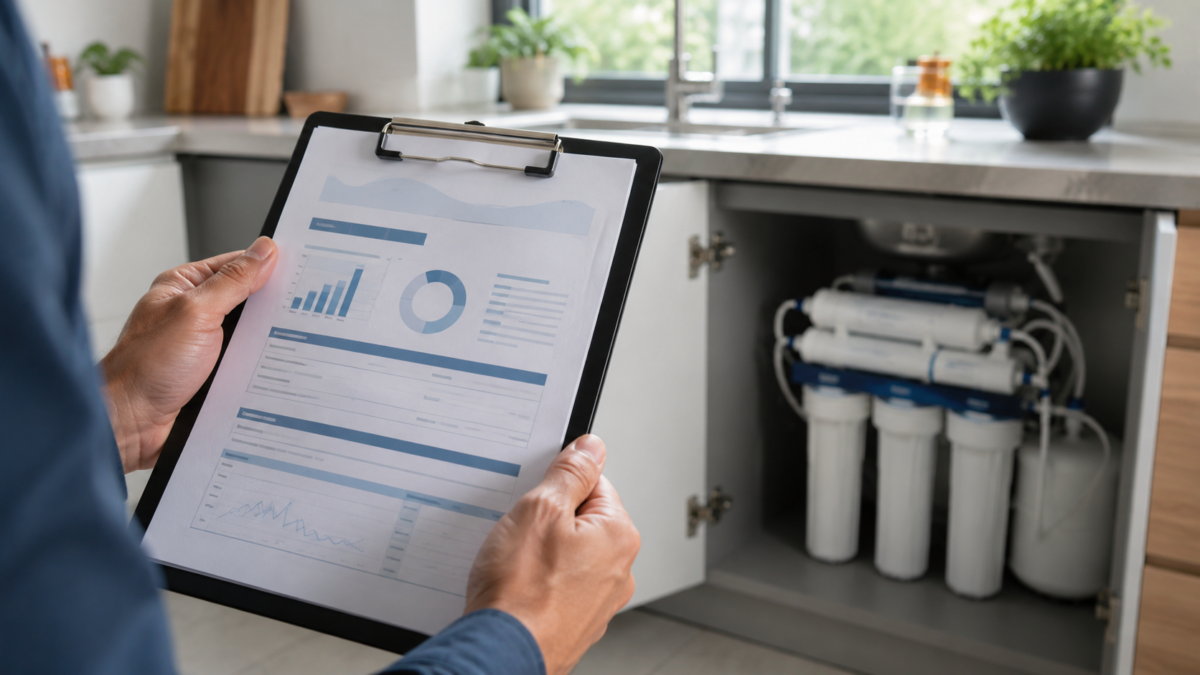
The assessment always starts with a water analysis. Without knowing the hardness, the dissolved solids load, the sediment, the chlorine and the microbiological parameters, which stages are needed cannot be established. A choice made without an analysis is at best a guess; it leads to investing in a stage that is missing or in one that was never needed.
This criterion comes before the other six. Because the fitness of a unit is determined by the water it meets. The same model can run for years without trouble on soft mains water and struggle in a short time on hard well water.
The basic parameters to look at are these:
- Hardness: It determines the risk of limescale build-up and the need for softening.
- Dissolved solids load: It shows whether an advanced treatment stage is needed.
- Sediment and cloudiness: It defines the grade of the pre-filtration.
- Chlorine: It sets out the importance of the carbon stage and the need to protect the membrane.
- Iron and manganese: It determines the source of staining and blockage problems.
- Microbiological load: It shows whether an extra treatment stage is needed.
We took up step by step how to take a sample and how to read the report in our water analysis guide step by step. Starting an assessment of a best water treatment system without that report is like choosing a treatment without making a diagnosis.
The question to put to the seller is clear: “Which parameters in my analysis result does this unit target?” If the answer is not concrete, that answer is not an assessment but a sales line.
Criterion 2: Treatment Stages and Fit of the Technology
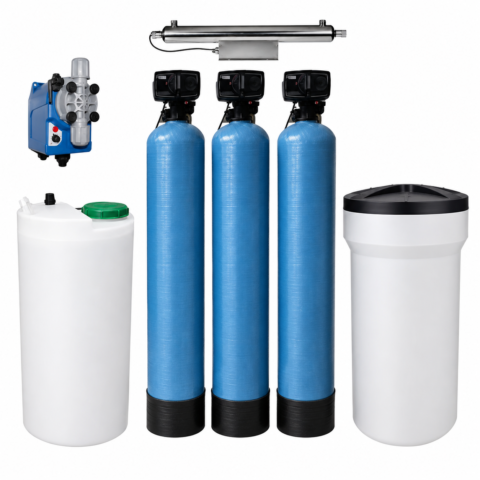
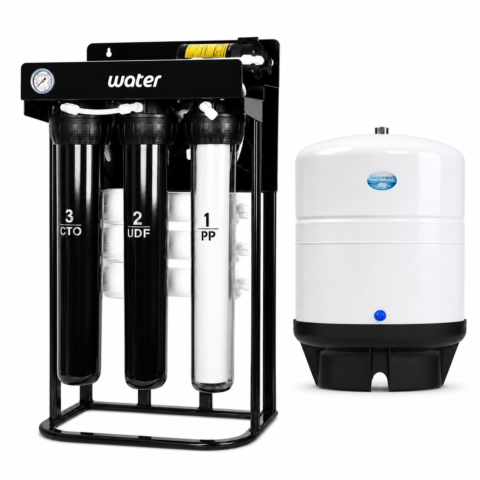
Every stage targets a different problem: the sediment filter handles particles, activated carbon handles chlorine along with taste and odour, softening handles hardness, and reverse osmosis handles the dissolved solids load. The right unit is not the one with the highest number of stages; it is the one whose stages meet the problems in your analysis result.
The number of stages is often pushed to the front in marketing; on its own, though, it is not an indicator of quality. If there is no chlorine problem in your water, an extra carbon stage brings no added benefit. What matters is not the number but the match.
The table below sets out which problem is solved by which stage:
| Problem | The Stage Concerned | The Result It Gives |
|---|---|---|
| Sediment, sand, rust | Sediment filter | It holds particles back and protects the stages that follow |
| Chlorine, odour, taste | Activated carbon | Corrects sensory quality, protects the membrane |
| Hardness and limescale | Water softening | It prevents build-up and protects the plumbing |
| Dissolved solids load | Reverse osmosis | It provides removal at rates of up to 99% |
| Microbiological load | UV (ultraviolet) treatment | Reduces microbiological risks |
The technical configuration side — with a tank or direct flow, with a pump or without, which capacity — is a separate subject with its own criteria. We took that heading up in detail in our unit selection guide; we do not repeat it here.
In short, what this criterion looks for is fit. In a best water treatment system assessment the stages should match the problems in the analysis report one for one.
Criterion 3: The Quality of the Components Inside
It is not the casing of a unit but the components inside it that determine its life. The membrane, the control valve, the pump, the cartridge housings and the fittings are the real determinants of performance and durability. Two units that look similar from outside can give completely different service lives because of component quality.
This is the one heading that cannot be assessed by eye. The outside of the box is standard; the difference is inside. That is why asking which components are used before buying is one of the most valuable questions.
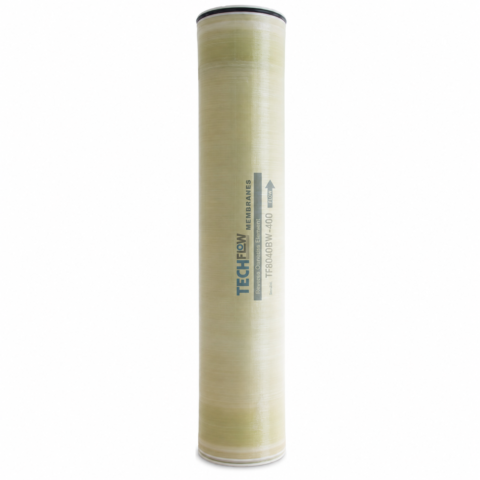
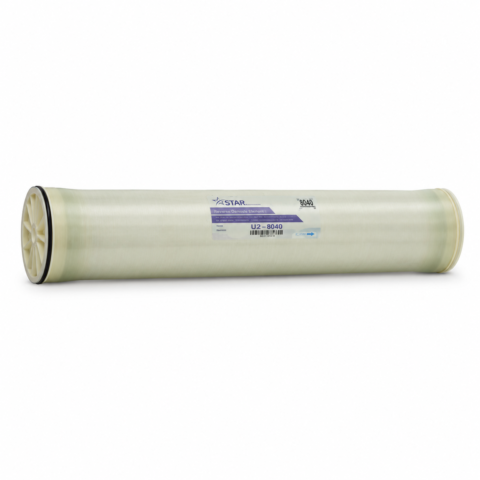
On the component side, products from known manufacturers give an advantage in continuity of supply and in compatibility. Among the component brands widely used in the sector, on the valve side there is Clack, and on the membrane side Toray, LG, STAR and TechFlow are the manufacturers most often seen.
We took up in detail the effect of component quality on the life of a unit, and what should be looked at, in our quality water treatment system article. Why the membrane is the most critical component we examined under a separate heading.
A best water treatment system research the component question is this: “Which membrane and which valve are used in this unit?” If it can be answered, that transparency counts as an indicator in itself.
Known components have one more advantage: their spare parts are standard. Finding a compatible membrane or valve becomes easier, and that bears directly on the next criterion.
Criterion 4: Continuity of Spare Parts
This is the criterion most often overlooked. A water treatment system runs on consumables; filters and membranes are renewed periodically. A unit whose spare parts cannot be found soon becomes unusable, however cheaply it was bought. Using standard-size cartridges lowers that risk markedly.
At the moment of purchase nobody asks this question, because the unit is new and the problem looks distant. Yet when the time comes for the first filter change the picture becomes clear: can the part be found, is its price reasonable, is the supply continuous?
Standard sizing is decisive here. On a unit using common cartridge sizes, finding spare parts is easy; on a unit using special, one-off sizes the user becomes dependent on a single supplier. That dependence creates a risk both in price and in continuity.
Parts Not Being Found
A unit whose filters cannot be supplied becomes unusable even while it is still working.
Dependence on a Single Source
Special-size cartridges tie the user to one supplier.
The Risk of Incompatible Parts
A cartridge of the wrong size causes leaks and a loss of treatment.
Delayed Maintenance
While a part is awaited the filter change slips; performance and water quality fall.
So the spare parts list should be looked at during the assessment. Being able to renew the whole line with a staged filter set made to standard sizes is an important assurance for the user.
A best water treatment system decisions this criterion can outweigh the technical specifications. Because the performance of a unit lasts only as long as its consumables can be renewed regularly.
Criterion 5: Technical Service and Installation Support
Installation is as decisive as the choice of unit. A faulty connection leads to a water leak, and the wrong line to component damage. Beyond that, having a reachable technical service when a fault occurs directly determines continuity over the working life of the unit.
Installation is an operation that looks simple from outside but can have serious consequences. A single hose that is not fully seated can turn into a leak that goes unnoticed inside a cabinet for days. A connection made to the hot water line leaves the filters and the membrane permanently damaged.
We took up in detail the steps of the installation process and the mistakes most often made in our installation guide. When making an assessment these questions should be asked:
- Who carries out the installation? Does the seller install with its own team, or is it left to the user?
- How is the service reached? Is there a clear channel of contact when a fault occurs?
- What does the service cover? Is service given in the area where you are?
- Is a site survey carried out? Are the conditions assessed on site before installation?
- How is the charging handled? Is information given and approval taken before the work?
What this criterion really looks for is reachability. In a best water treatment system assessment the service structure behind the unit should be measured as much as its technical specifications.
We took up what to look at when assessing a firm, and which questions should be asked, in our reliable water treatment firms article as a separate subject.
Criterion 6: Total Cost of Ownership
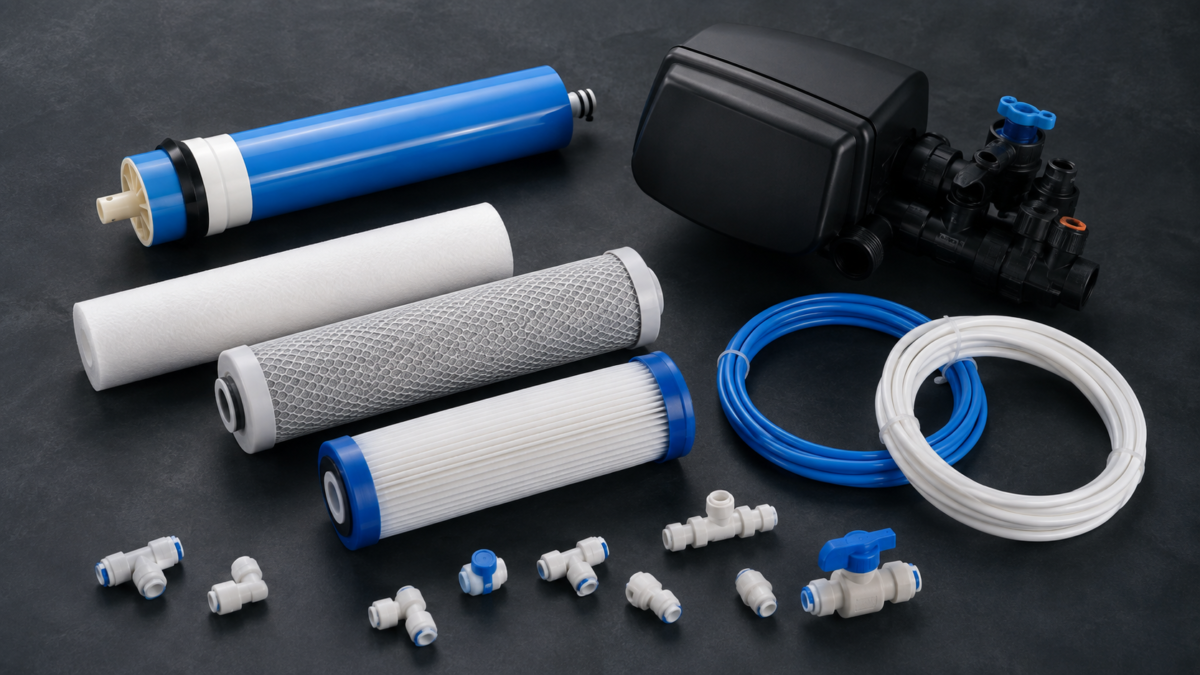
The price of the unit is paid once; filters, membranes, salt where needed, electricity and service costs go on for years. So the comparison should be made not on the label price but on the total cost of ownership. The lowest-priced unit is often the most expensive option over the long run.
This is the heading buyers get wrong most often. The price difference between two units looks large at the moment of purchase; a few years of consumables can easily close that gap, or reverse it.
The items to take into account are these:
| Cost Item | Its Nature | Why It Matters |
|---|---|---|
| The price of the unit | One-off | It is the visible item; on its own it misleads a comparison |
| Filter renewal | Periodic | It repeats every year; access to parts sets the cost |
| Membrane renewal | At longer intervals | A high item in one go; it depends on component quality |
| Salt (in softening) | Continuous | Consumption changes with hardness and capacity |
| Electricity | Continuous | It comes up on pumped and digital models |
| Service and maintenance | Periodical | Planned maintenance is more economical than an unplanned failure |
| Downtime from a fault | Variable | The time spent waiting for a part is an indirect cost |
The most critical row in that table is filter renewal, because it both repeats often and depends on access to spare parts. We took up how the renewal period is set and how the signs are read in our filter change guide.
A best water treatment system comparison the right method is this: work out the total spend over the same period of use. When the price of the unit, the annual consumables spend and the possible service cost are brought together, the real difference appears.
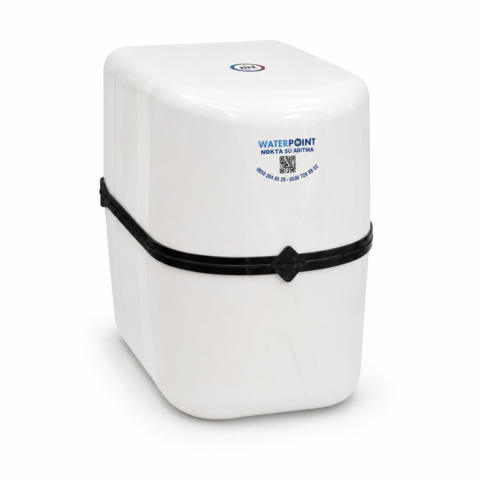
Builds suited to the pattern of use also affect that sum. For example, a pumped domestic system with storage and a tankless direct flow system produce different total costs under different habits of use.
Criterion 7: After-Sales Transparency
After-sales conditions being clear and in writing is the last link in a reliable assessment. An invoiced sale, a distance selling contract, cancellation and return conditions and a reachable channel for claims take the rights of the buyer out of uncertainty. What counts is written conditions, not spoken promises.
What is measured under this criterion is not the product but the seller. The more openly a firm defines its after-sales processes, the better protected the buyer is.
The things to check are these:
- An invoiced sale: Documenting the purchase is the basis of every later claim.
- A distance selling contract: It defines the obligations of the parties in online shopping.
- Cancellation and return conditions: What will be done in which case should be known in advance.
- A channel for claims: There should be a clear form or route of contact for a fault or a return.
- Transparency of charging: How the service charge is set should be explained in advance.
- Data policies: Having the KVKK and privacy texts published is a sign of a proper organisation.
The warranty heading is part of this criterion too; what matters here, though, is not the length of the term but that the cover is written out clearly. If what is inside and what is outside the cover is unclear, the term on its own provides no assurance.
A best water treatment system search this criterion is assessed independently of the technical specifications of the unit. The product may be good; but if the after-sales side is unclear, the risk stays with the buyer.
A Checklist Before Buying
- Has my water analysis been done, and do I have the result?
- Do the stages proposed match the problems in my analysis result?
- Which membrane and which valve are used in the unit — can I find out?
- Are the replacement filters a standard size, and is their supply continuous?
- Who carries out the installation, and is service given in my area?
- Can I work out the annual consumables spend?
- Are the invoice, the contract and the return conditions clear?
- Is the channel I will reach when a fault occurs clearly stated?
If you can get a clear answer to all eight of those questions, what you have in your hands is not a guess but an assessment. The best water treatment system decision is made at exactly that point.
Let’s establish the unit that suits your water, on criteria
You can look at the options that suit your analysis result, your pattern of use and your installation conditions.
See the Water Treatment SystemsWater Point Against These Criteria
In this section what Water Point offers against the criteria above is set out using verifiable information only. The aim is not to present a claim of superiority but to show concretely how the criteria are met. The assessment is the reader’s own to make.
Water Point Su Arıtma Teknolojileri operates from Esenyurt, İstanbul, under its founder Ali Genç, with more than 20 years of experience in the sector. The information below sets out the concrete answers against each of the seven criteria defined above.
Water Analysis and Site Survey
The site survey and measurement are free if the unit is purchased from us; the recommendation of a unit is shaped by that assessment.
Spare Parts Cover
Filters, membranes, resin and salt are consumables; valves, pumps and tanks are durable spare parts.
Technical Service
For industrial systems there is a service network across Türkiye; for home units service is provided in İstanbul and the neighbouring provinces such as Kocaeli and Tekirdağ.
Brand-Independent Service
Technical service is given for water treatment systems of all makes, Turkish and foreign.
The Installation Process
An under-counter installation takes about 1–1.5 hours and a countertop installation 30–45 minutes; a water test is carried out afterwards.
Charging
The service charge is set according to the work and the materials; no charge is made without the approval of the customer.
Warranty
Units, valves, pumps and tanks carry a 2-year warranty and taps a 1-year warranty. Filters, membranes, resin and salt are consumables and fall outside the warranty.
Commercial Transparency
The Distance Selling Contract, the Cancellation and Return Conditions, the KVKK and the Privacy policies are published on the site. CE certification is held for the activities carried out, and the ETBIS registration can be verified.
Every one of these headings is verifiable. The form for fault and return claims and the contact form are on the site, and customer reviews are published. For contact, the number 0850 304 95 25 and the address [email protected] can be used.
The aim here is not a claim to a ranking. The seven criteria above are common questions that can be put to every supplier in the sector; this section simply sets out concretely the answers on the Water Point side to those same questions. The best water treatment system decision is yours to make, weighing these answers together with your own analysis result.
Whichever supplier you work with, ask the same questions: is an analysis carried out, which components are used, is the supply of spare parts continuous, how is the service reached, and are the after-sales conditions in writing? The decision is made by comparing those answers.
Frequently Asked Questions
Which is the best water treatment system?
There is no single model valid for everyone. The best water treatment system is the one that matches your analysis result, your purpose and your installation conditions, and that has continuity of spare parts and reachable technical service behind it. So the decision is made not with the name of a model but with criteria.
Which is the best brand?
The brand is not decisive on its own. Different models of the same brand suit different water conditions; and the components inside a unit, access to spare parts and service support can vary independently of the brand. The assessment should be made on criteria, not on the brand.
Is an expensive unit always better?
No. Price can give an idea about component quality but is not a sufficient indicator on its own. What is decisive is how well the unit suits your water and its total cost of ownership. A unit with a high initial price may work out economical over the long run, and the reverse is equally possible.
Which unit should I buy?
The answer to that question starts with a water analysis. Once the hardness, the dissolved solids load, the sediment and the chlorine values are established, which stages are needed becomes clear. Then the number of people, the mains pressure and the installation space are assessed and the configuration that suits is chosen.
How many stages should the unit have?
The number of stages is not an indicator of quality on its own. What matters is that the stages match the problems in your analysis result. A stage added for a problem your water does not have brings no added benefit; the absence of a stage you do need, on the other hand, affects the result directly.
Can I trust the “best unit” lists on the internet?
If a ranking does not explain what criteria it was made by, that list is not an assessment but a preference. Look for method rather than scores: which measures were used, which water conditions were assumed? A ranking that does not match your own analysis result is not valid for you.
Why do spare parts matter this much?
Water treatment systems run on consumables; filters and membranes are renewed periodically. A unit whose spare parts cannot be found becomes unusable even when it is technically sound. Using standard-size cartridges lowers that risk markedly.
Can I do the installation myself?
Someone experienced with plumbing can carry out a simple under-counter installation by following the manual. The responsibility then rests with the user, though; a faulty connection can cause a water leak. For softening, industrial and mains-line installations an authorised technical service is required.
Which criterion is skipped most often when choosing a unit?
Continuity of spare parts and total cost of ownership. At the moment of purchase both look distant; yet those two headings largely determine the experience over the working life of the unit. In assessing the best water treatment system they should be taken up together with the technical specifications.
Conclusion
The best water treatment system is not the model at the top of a ranking; it is the unit that matches your water and your use. That match is measured with seven criteria: fit to your analysis result, the correctness of the stages, component quality, continuity of spare parts, service and installation support, total cost of ownership, and after-sales transparency. Assessed together, those headings drain the crowded model lists of meaning and put in their place a clear definition of need resting on your own data. The right order is clear too: have your water measured first, then compare the criteria, and look at price last. Followed that way, the question of the best water treatment system stops being an uncertainty and turns into a measurable decision.
Let’s establish the unit that suits your water together
The site survey is free if the unit is purchased from us; where only a survey and measurement are wanted, a survey fee of ₺2,000 applies. To weigh the option that suits your analysis result and your pattern of use, you can reach us on 0850 304 95 25 or at [email protected].
Discover the Unit That Suits You