
Ice Machine Water Treatment: Solutions for Cafés and Bars
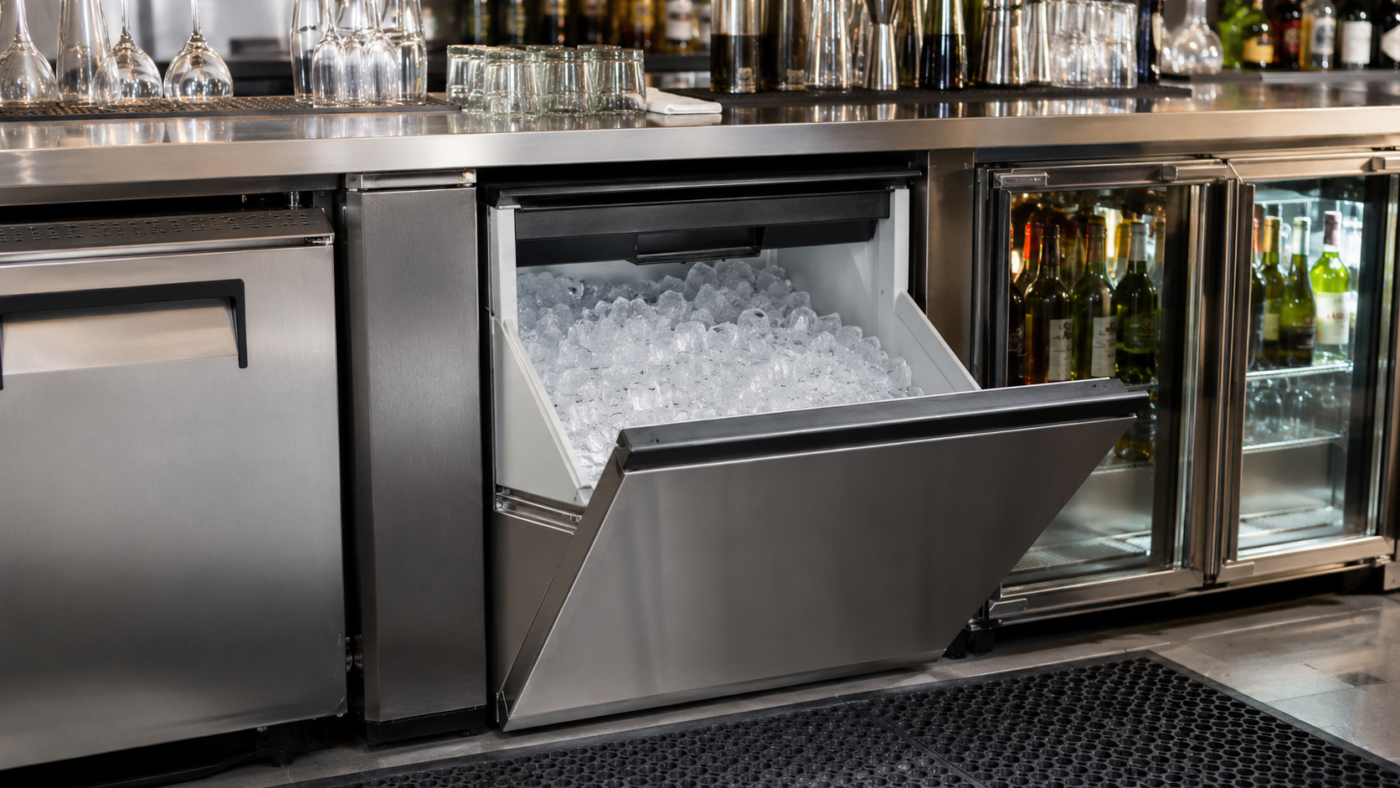
The bartender is making a cocktail, drops the ice into the glass and the presentation falls short: the cubes are cloudy, their edges dull, and they start melting within minutes. In the kitchen there is a different picture — the machine keeps needing a service, the cubes struggle to release from the plate and output is falling. Two different complaints, one source: the feed water. Ice machine water treatment comes in at exactly this point.
In this guide we take up why an ice machine is such a sensitive piece of equipment, which component in the water causes which problem, and which stages actually help. We also explain drink lines, capacity planning for the summer peak and maintenance discipline in the language of the business.
Why Is an Ice Machine So Sensitive to Water Quality?
An ice machine concentrates water as it freezes. As the water crystallises, dissolved substances are pushed out; some are trapped inside the ice and some build up on the internal surfaces of the machine. What is in the water therefore affects both the appearance of the ice and the working condition of the equipment directly.
That is what sets it apart from other kitchen equipment. In a boiling appliance the water evaporates and the minerals stay behind; in an ice machine the water freezes and the minerals go to two places at once — into the ice produced and onto the plates.
That double effect makes the machine extraordinarily sensitive to water quality. When the content of the water changes, two results change at the same time: the appearance of the product and the performance of the machine.
An ice machine water treatment build therefore serves two separate purposes at once, not just one problem. One is product quality, the other equipment protection.
The relationship between water use in commercial businesses and equipment performance is taken up in official sources too; the US Environmental Protection Agency’s water management in commercial buildings resource offers a general framework on water use in businesses.
The Cause of Cloudy, Fast-Melting Ice
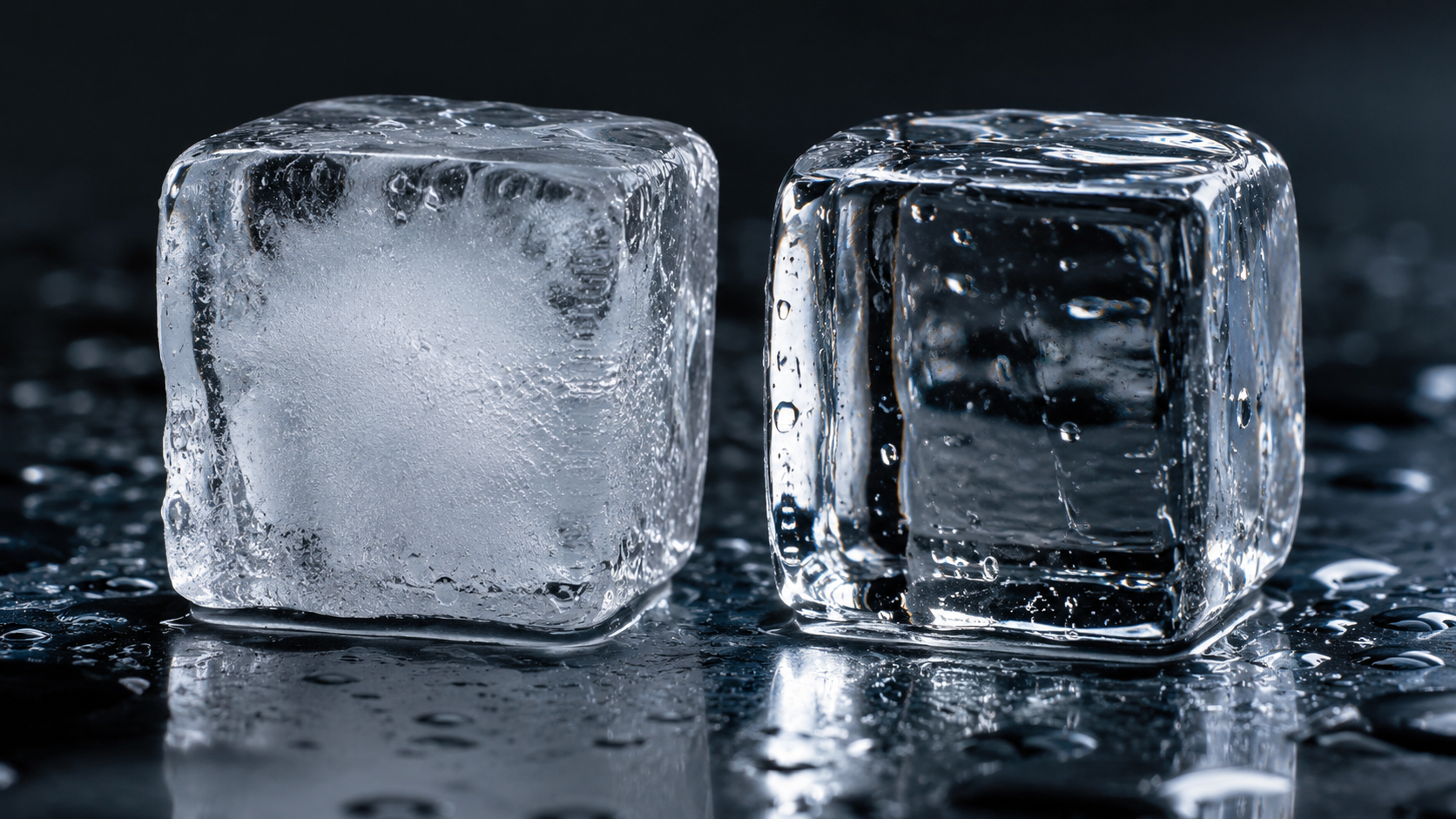
As water freezes, the crystal structure forms first from pure water molecules and dissolved substances are pushed out. When those substances cannot escape they are trapped inside the ice; the micro-bubbles that form scatter the light and the cube looks cloudy. An uneven structure also changes how it melts.
This is an entirely physical process and has nothing to do with the quality of the machine. The same unit produces ice of a completely different appearance when fed with different water.
The two scenarios separate as follows:
Water with a High Dissolved Solids Load
The substances pushed out during freezing, along with micro-bubbles, are trapped in the structure. The cube looks cloudy, its centre stays dull and its melting becomes uneven.
Treated Water
When the dissolved load is reduced, the crystal structure forms more evenly. The cube looks clear and its melting becomes steadier.
In bar and cocktail service that difference is seen directly. A clear cube creates a different presentation in the glass; a cloudy one affects the look of the drink and can leave a poor impression on the customer.
The rate of melting matters to the business too. A cube of uneven structure can break up faster; that waters the drink down and upsets the balance of taste. In cocktail bars that is a matter of product quality directly.
An investment in ice machine water treatment is therefore not only a maintenance item but an investment in the quality of presentation.
The Taste of the Ice Passes into the Drink
The chlorine and organic compounds in water are carried into the structure of the ice as it freezes. When the ice melts, those components mix into the drink and can lead to a change in taste and odour. In cold drinks and cocktails in particular the effect is clearly noticeable.
This is the problem businesses notice last. Even where the ice is acceptable in appearance, the components it carries pass into the drink.
The effect stands out in certain drinks in particular:
Cocktails
Because the balance is delicate, a difference in taste from the ice is felt directly.
Cold Coffee
Because the aroma profile is light, an outside taste comes forward easily.
Plain Water Service
Where the glass holds only water and ice, the effect is perceived most clearly.
Soft Drinks
The components mixing into the drink as the ice melts can change the balance of taste.
Chlorine plays the lead role in that picture. It is present in mains water to protect it along the distribution line; but carried into a drink through the ice, it becomes a sensory problem. We took up the source of chlorine and how it is removed at the point of use in our article on chlorine in water.
On the solution side the activated carbon stage comes in. That stage holds chlorine and odour components on its surface, so the load carried into the ice is reduced. In an ice machine water treatment build, the carbon stage is present almost always.
Limescale: The Most Common Cause of Ice Machine Failure
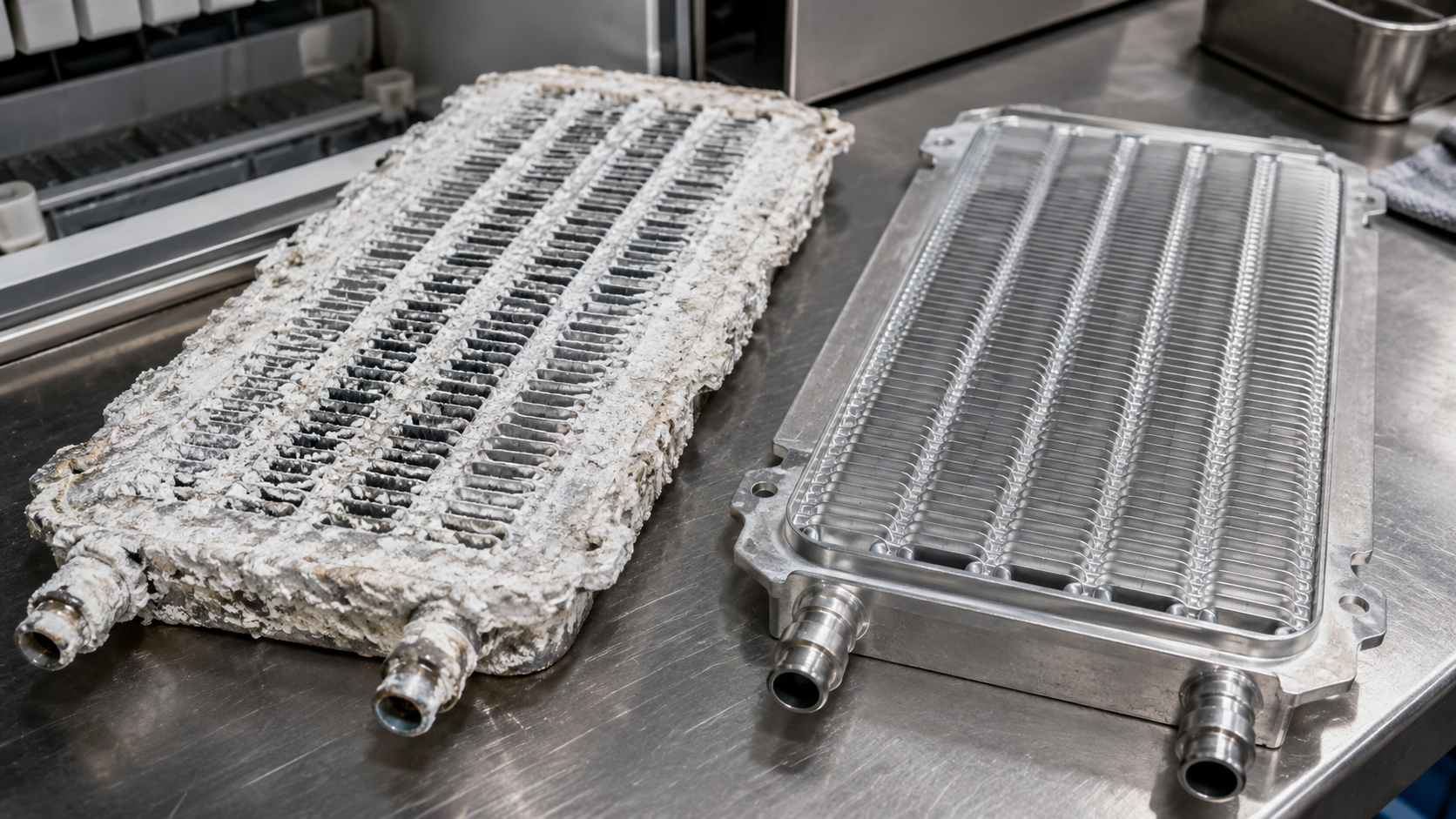
The calcium and magnesium in water collect on the evaporator plates and in the water reservoir and form a layer of limescale. That layer upsets heat transfer, lowers production capacity and makes it harder for the ice cubes to release from the plate. The load on the machine rises and failures become more frequent.
This is the heading met most often in service records. A large share of ice machine failures is directly or indirectly related to build-up.
The mechanism works like this: as the water freezes on the plate, the minerals stay on the surface. That residue builds up a little more with every cycle and over time forms a hard layer. As the layer thickens, two problems appear — heat transfer weakens and releasing the cubes becomes harder.
The points affected are these:
Evaporator Plates
The layer collecting on the surface lowers heat transfer; the cycle takes longer.
Cube Release
The cubes release from the plate with difficulty; in some cells the cube is incomplete or deformed.
The Water Reservoir
Build-up collects in the reservoir and the circulation line; the cleaning load rises.
Nozzles and Channels
Blockage in narrow components upsets the distribution of water.
Compressor Load
A longer cycle forces the refrigeration unit to run longer.
Production Capacity
As the cycle lengthens, daily output falls; at busy hours there is a shortfall.
That last card is the most critical point for a business. Running out of ice in summer or on a busy evening means lost service directly. A fall in capacity caused by limescale creates exactly that risk.
We took up the mechanism of limescale on heat transfer and how it advances in equipment in a separate article; the technical background is what hard water does to equipment.
Descaling reduces the build-up already there; but as long as the character of the feed water is unchanged, the build-up returns. Cleaning is therefore a maintenance operation, while dealing with hardness at source is a preventive measure. The two are not alternatives to one another.
Drink Lines and Postmix Systems
In postmix systems the syrup combines with the mixing water to form the drink. The character of that mixing water therefore shows directly in the taste of the product. The same logic applies on soda lines and at drink dispensing points; when the quality changes, consistency of taste can be lost.
This line has the same problem as the ice machine in a different form. In ice the water freezes and the content is trapped; on a postmix line the water becomes a component of the product directly.
Consistency of taste is a critical heading for chains and cocktail bars. The same recipe made with different water can give a different result, and that leads to inconsistency between branches.
The headings that stand out on this line are these:
- Chlorine and odour: The sensory effect in the mixing water passes straight into the product.
- Dissolved solids load: The character of the water can affect the syrup-to-water balance.
- Sediment: Particles can block nozzles and dosing components.
- Hardness: Build-up can form on heated or carbonated lines.
- Consistency: When the inlet water is stable, the product profile stays stable too.
In practice the ice machine and the drink line are often fed from the same treatment build. That simplifies both the investment and the management of maintenance; but the capacity calculation has to add both consumptions together.
The other headings in the kitchen — dishwashing equipment, coffee machines and general use — are the subject of a separate article. We took those up in our water treatment in restaurant and hotel kitchens piece; here the focus is ice and drink lines.
Which Stages Are Used in an Ice Machine Water Treatment Build?
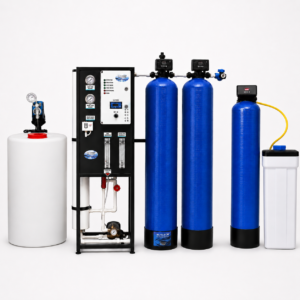
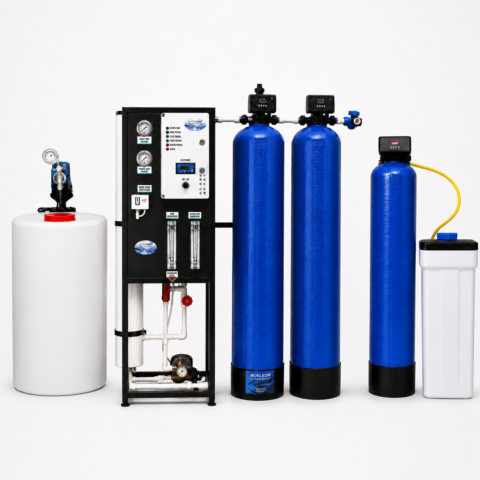
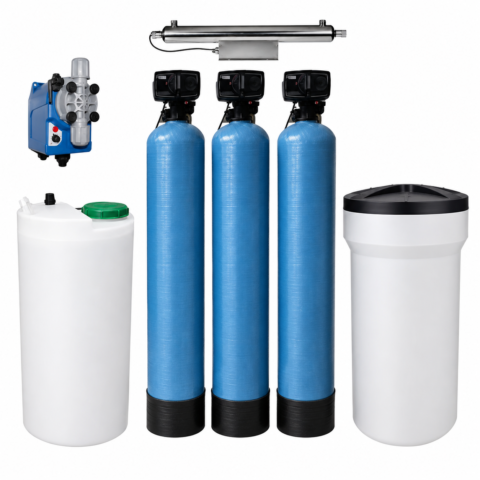
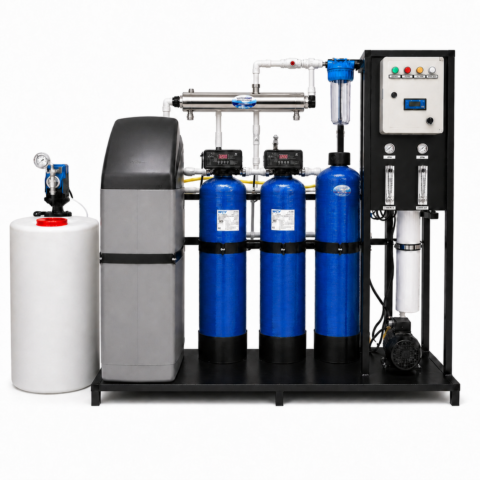
A typical build contains sediment filtration, activated carbon and, according to the hardness, softening. Where the dissolved solids load is high, reverse osmosis comes in. Which stages are needed is established from the water analysis result and the priority of the business.
The table below matches the problem met in the business with the right stage:
| The Problem Observed | The Stage That Handles It | The Result It Gives |
|---|---|---|
| Sediment, sand, rust particles | Pre-filtration | Holds back particles, protects the reservoir and nozzles |
| Taste and odour from chlorine | Activated carbon | Reduces the sensory load carried into the ice |
| Limescale build-up on the plates | Water softening | Prevents build-up, preserves the cycle time |
| A cloudy look to the ice | Reverse osmosis | Lowers the dissolved load by up to 99% |
| Cubes not releasing | Softening | Prevents the layer on the plate surface |
| Variable taste on the drink line | Carbon + reverse osmosis | Makes the inlet water stable |
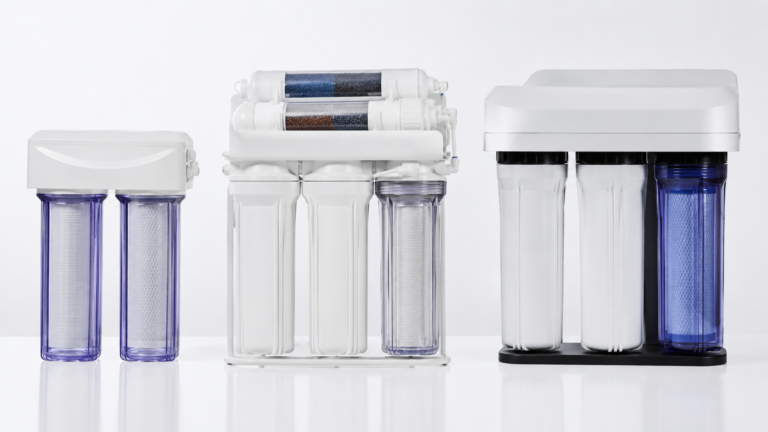
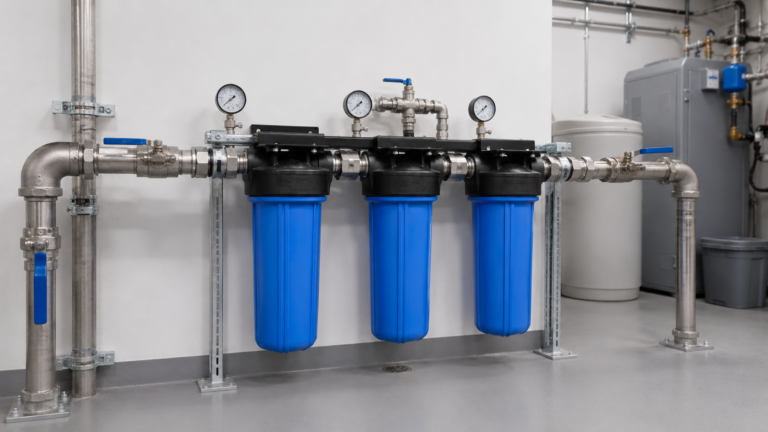
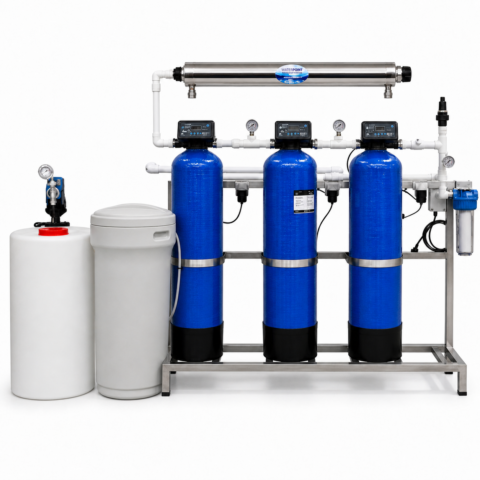
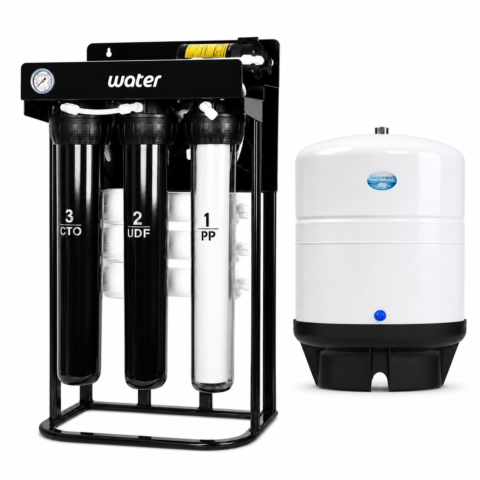
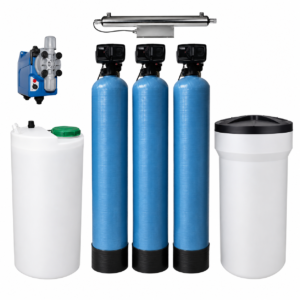
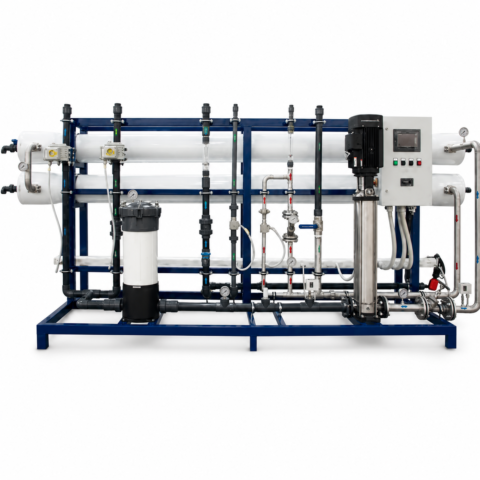
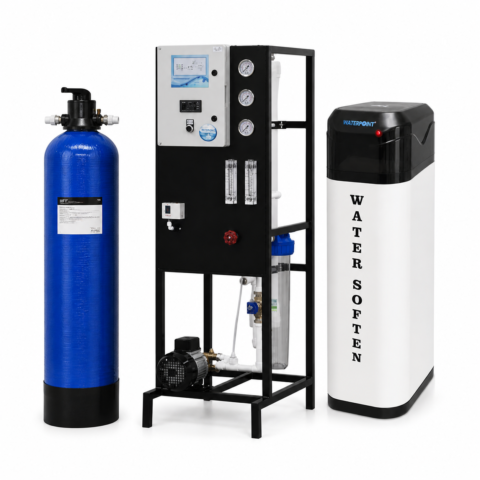
The first link in the chain is pre-filtration; it protects the stages behind it from particle load. Used for that purpose, industrial-type pre-filter sets is widely preferred in builds at business scale. In small cafés, staged filter sets may be enough.
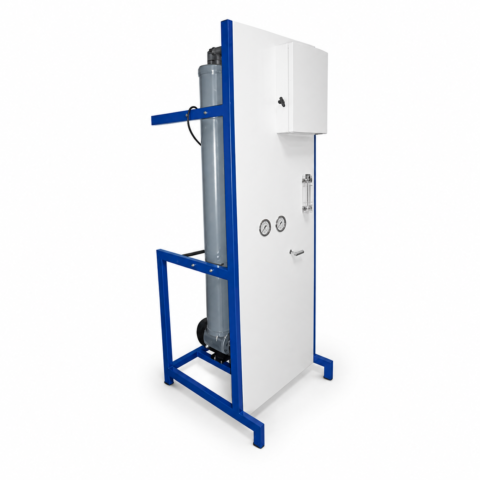
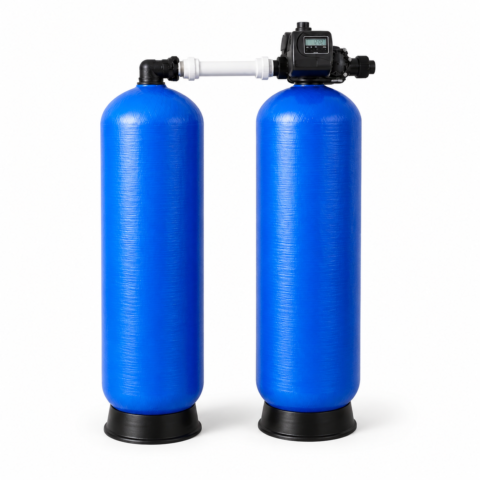
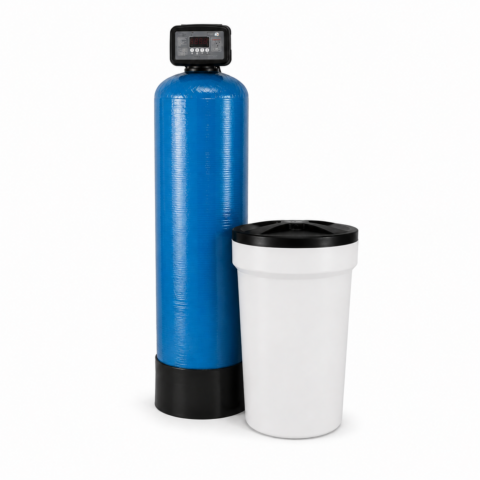
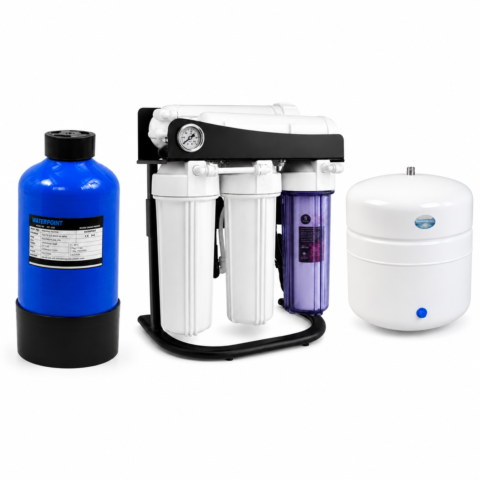
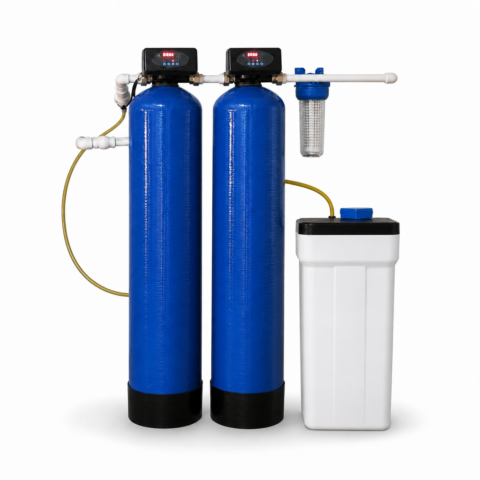
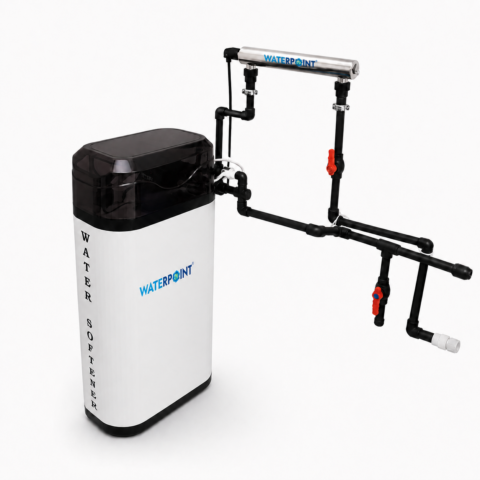
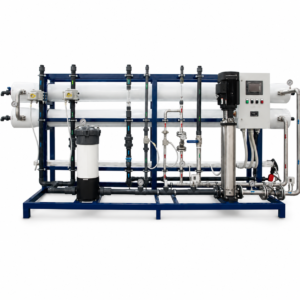
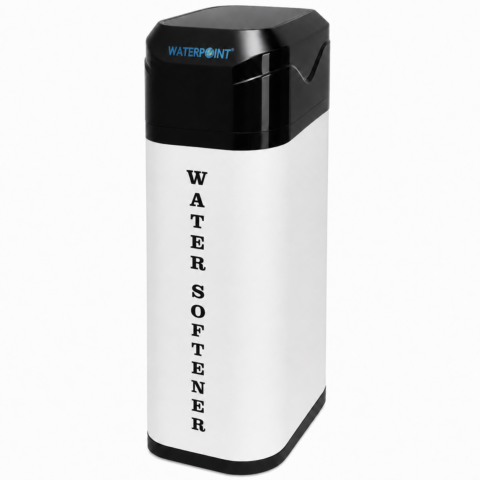
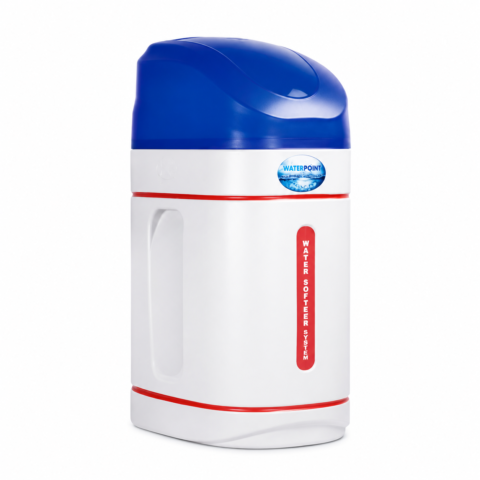
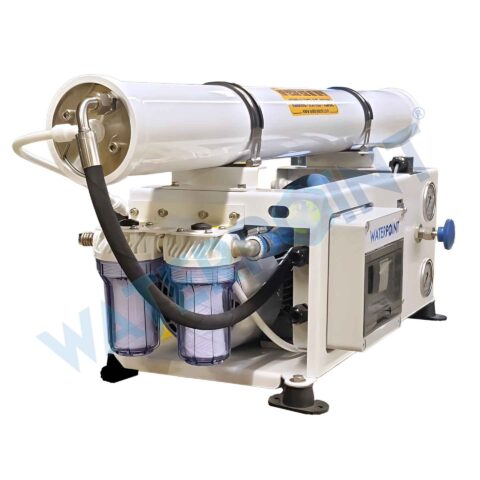
Where hardness-related problems come to the fore, the softening stage comes in; according to how heavily it is used, cabinet-type softening systems are preferred. Where clarity and taste come first, reverse osmosis systems are added to the build.
The order of the stages matters too; each stage protects the next. When the carbon stage is skipped the load on the membrane rises, and when pre-filtration is skipped the whole chain is affected by particles.
Softening or Reverse Osmosis?
The two stages address different problems. Where limescale-related failures and lost capacity dominate, softening comes to the fore. Where the clarity of the ice and the taste of the drinks come first, reverse osmosis is preferred. Where high hardness and a high dissolved load are present together, the two are built in together.
This section is about avoiding unnecessary investment. Not every business has the same need; when the priority is set correctly, you get the result and protect the budget.
Limescale and failures as the priority
If the machine keeps needing a service, the cubes do not release and output is falling, this stage comes to the fore.
- It prevents build-up on the plates
- It preserves the cycle time
- It reduces how often a service is needed
- It is a relatively plain build
Clarity and taste as the priority
If the ice comes out cloudy and a difference in taste is reported in the drinks, this stage comes in.
- It lowers the dissolved load
- It improves the look of the ice
- It gives consistency on the drink line
- It works together with pre-treatment
In cocktail bars and businesses where presentation matters, reverse osmosis is generally preferred; in businesses producing heavily and working in areas of high hardness, softening takes priority.
The scenario in which both are built together is common too: softening protects the membrane and reduces the scaling load, while reverse osmosis meets the clarity target. That build is preferred in hard water areas in particular.
We took up what hardness is and which criteria are considered in choosing a softener in our softening selection guide. What a dissolved solids measurement tells you is covered in our TDS article.
The decision point is clear: in an ice machine water treatment build, the source of the problem is established first and the stage chosen second. Followed in that order, unnecessary capacity investment is avoided too.
What Happens If Filter Changes Slip?
When the stages complete their capacity they stop doing their job and the resistance to flow rises. The feed flow then falls, production capacity drops and a change is seen in the taste and appearance of the ice. Long neglect creates an extra load on the machine and a risk of failure.
This is the maintenance item businesses put off most, and its effect appears gradually. The ice does not run out one day; a little less is produced every week.
The chain of failure advances like this:
-
The Stages Saturate
The sediment and carbon stages complete their capacity; chlorine and particles start to pass.
-
The Resistance to Flow Rises
Blocked stages lower the feed flow; less water reaches the machine.
-
The Cycle Takes Longer
The reservoir fills later, the production cycle lengthens and daily capacity falls.
-
Taste and Appearance Change
When the carbon stage gives up its job, chlorine is carried into the ice; a difference is felt in the drinks.
-
The Load on the Equipment Rises
Longer cycles strain the refrigeration unit; the risk of failure and the frequency of service rise.
-
A Shortfall at Busy Hours
The fall in capacity is felt most at peak hours; service is disrupted.
The change interval is not fixed; the inlet water quality and the daily output are what decide it. The same stage saturates far faster on hard, sediment-laden water.
We took up how to read the signs and how to plan a maintenance routine in our filter change guide. In businesses, tying that monitoring to a service plan is recommended.
The Summer Peak and Capacity Planning
Ice consumption fluctuates by season and by hour. Summer months, weekends and evening service take demand to its peak. The system is therefore sized not on the daily average but on demand at the busiest hour; the storage capacity is included in that calculation.
This is the most common mistake in planning. A build that looks adequate in winter falls short on a July evening.
The headings assessed in sizing are these:
Peak-Hour Demand
The amount of ice consumed at the busiest service hour is the basic input.
The Seasonal Difference
The difference in demand between summer and winter sets the upper limit of the capacity.
The Storage Bin
It balances the rate of production and consumption; it acts as a buffer at peak hours.
The Drink Line
If it is fed from the same build, that consumption is counted too.
The Feed Flow
The outlet of the treatment system has to be able to meet the machine’s requirement.
Space and Infrastructure
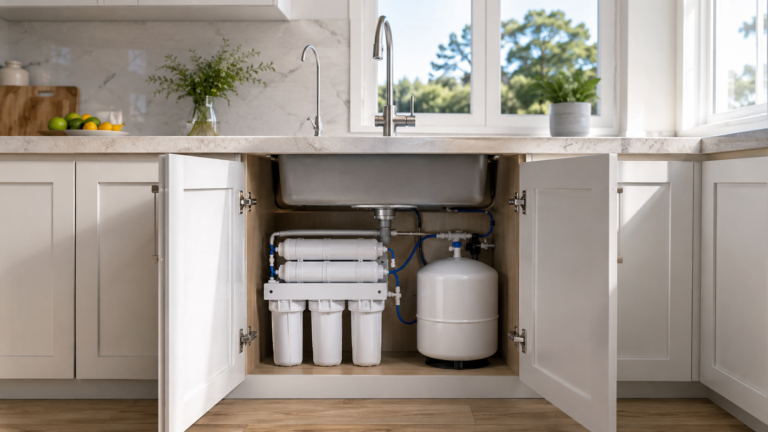
The equipment layout, the drain connection and room to work on it are planned in advance.
The fifth card matters particularly. Even where the treatment system is built with the right stages, if the outlet flow is below the machine’s requirement the reservoir does not fill fast enough and production is limited. The capacity calculation is therefore made from both sides.
The exact figures are specific to the business; they are established from the water analysis and the daily production profile. It would not be right to give a numerical target here.
Let’s establish the stages that suit your ice production
You can look at the solutions to clarify which stages you need from your water analysis and your peak-hour demand.
See the Treatment SolutionsThe Maintenance Plan and the System Build
The continuity of the system depends on three headings: analysing the inlet water, renewing the stages on time and checking periodically. In businesses these tasks should not be left to personal initiative; a responsible person should be named and records kept.
The right order is this: the profile of the water is established first, then the stages are built, and the maintenance calendar is drawn up last. A process that starts with a catalogue usually produces a result that does not suit the need.
The headings to follow are these:
- The filter change date: It is recorded and the next period entered in the calendar.
- Watching production: A lengthening cycle shows that something in the system has changed.
- The look of the ice: A change in clarity gives early warning of the state of the stages.
- Checking the taste: When a difference is reported in the drinks, the carbon stage is checked.
- Following hardness: Where there is a softener, the salt level is checked regularly.
- Periodic service: The machine and the treatment system are checked to a plan.
The build takes shape from the analysis of the inlet water, so taking the sample correctly and reading the report correctly is the first step.
Water Point Su Arıtma Teknolojileri operates from Esenyurt, İstanbul under its founder Ali Genç, with more than 20 years of experience in the sector.
Service Network
For industrial systems there is a service network across Türkiye; for home units service is provided in İstanbul and the neighbouring provinces such as Kocaeli and Tekirdağ. Technical service is provided for units of every make, domestic and foreign.
Warranty
Units, valves, pumps and tanks carry a 2-year warranty and taps a 1-year warranty. Filters, membranes, resin and salt are consumables and fall outside the warranty.
On-Site Survey
The survey is free if the unit is purchased from us; where only a survey and measurement are wanted, a survey fee of ₺2,000 applies.
Delivery
Products in stock are dispatched within 1–3 working days; products not in stock are ordered in and the lead time confirmed. Free shipping applies across Türkiye.
Scope of Installation
The unit is delivered ready to install; the inlet and outlet connections are made. The plumbing labour and materials are the customer’s responsibility. Where a valve setting is needed, free support is given over a video call.
Contact
For orders and information by phone, 0850 304 95 25; to speak to a specialist, the 0536 729 99 52 WhatsApp line and [email protected] can be used.
Ice production stopping means lost service directly. So that the flow continues during maintenance, a bypass line should be planned at the installation stage; that detail is settled before installation, not afterwards.
Frequently Asked Questions
Why does my ice come out cloudy?
As water freezes, dissolved substances are pushed out; those that cannot escape are trapped in the structure and the micro-bubbles that form scatter the light. The cube therefore looks cloudy. When the dissolved solids load is reduced, the crystal structure forms more evenly and the appearance improves.
Does an ice machine always need treatment?
Whether it is needed depends on the profile of the inlet water and is established by analysis. In businesses using hard, sediment-laden water, build-up on the plates advances quickly; where the chlorine load is high, the taste is carried into the ice. In most businesses, therefore, at least one pre-treatment stage is built in.
Should I choose softening or reverse osmosis?
It depends on the priority. If the machine keeps needing a service and the cubes do not release, softening comes to the fore. If the clarity of the ice and the taste of the drinks come first, reverse osmosis is preferred. Where hardness and a dissolved load are present together, the two stages are built in together.
Is descaling enough?
It reduces the build-up already there but does not remove the cause. As long as the hardness of the feed water is unchanged, the build-up returns and the operation has to be repeated regularly. A lasting result calls for hardness to be dealt with at source.
How often should the filter be changed?
There is no fixed period; the interval varies with the inlet water quality and the daily output. The clearest indicators are a lengthening production cycle, a change in the look of the ice and a difference in taste reported in the drinks. The guidance in the unit’s manual should be taken as the basis.
Can the drink line be fed from the same system?
Yes, that is a common build and it simplifies the management of maintenance. But the capacity calculation has to add both consumptions together. Otherwise the feed flow can fall short at peak hours and production is limited.
Why does capacity fall short in summer?
Demand rises seasonally while the system has usually been chosen on average consumption. When the stages saturate the feed flow also falls and the cycle lengthens. Sizing the system on peak-hour demand removes that problem.
Can water be the cause of an ice machine failure?
Often it is. Limescale collecting on the plates and in the reservoir upsets heat transfer, lengthens the cycle and raises the load on the refrigeration unit. Cubes failing to release is also usually related to the layer on the plate surface.
How much space does the system take?
The space needed varies with the number of stages and the capacity. As well as the bodies, room to work on them for filter changes, the drain connection and access to power should be planned. The final layout is established during the survey.
Conclusion
Ice machine water treatment serves two headings at once: the appearance of the product and the protection of the equipment. As water freezes, dissolved substances are trapped inside the ice and create cloudiness on one side, while collecting on the plates and upsetting heat transfer on the other. Chlorine and organic compounds are carried into the drink through the ice and create a difference in taste in cocktails and cold drinks. The chain of solutions is clear: pre-filtration holds the particles, activated carbon reduces the sensory load, softening prevents limescale build-up and reverse osmosis lowers the dissolved load to meet the clarity target. When the priority is set correctly, unnecessary investment is avoided too. And the right order never changes — a water analysis first, then capacity from peak-hour demand, then regular maintenance.
Let’s establish the capacity and the stages for your business
The survey is free if the unit is purchased from us; where only a survey and measurement are wanted, a survey fee of ₺2,000 applies. For a build suited to your ice production and your drink line, you can get in touch on 0850 304 95 25, on the 0536 729 99 52 WhatsApp line to speak to a specialist, or at [email protected].
Discover the Solution That Suits You