
Delivery
Confirmed when the order is placedThe delivery time is confirmed to you when your order is approved. This product is heavy and bulky, so it is shipped by freight; freight costs within Türkiye are covered by us.

Your cart is empty.
Browse productsCategories
Solutions
Process water, line feed and sizing by flow rate.
Systems and units Industrial Water Treatment Read the guideTreatment that stops limescale and corrosion before they reach the boiler.
Systems and units Water Softeners Read the guidePure water of low conductivity and repeatable quality.
Systems and units Pure Water Systems Read the guideRemoving the salts and sediment that clog drip lines.
Systems and units Well Water Treatment Read the guideThe right hardness for equipment life and drink flavour.
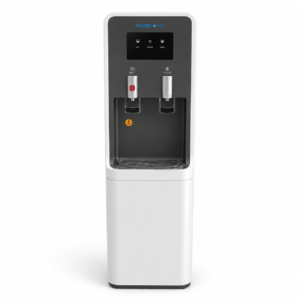
Systems and units Filtered Water Dispensers Water Point Filtered Water Dispenser
₺63,723.92
 Restaurant Water Purifier, 500 GPD with 40 Litre Tank
₺49,018.40
A main line that filters the water entering your plumbing at a single point.
Systems and units Whole House & Building Inlet Systems Read the guideA staged system for iron, manganese and turbidity.
Systems and units Well Water Treatment Read the guideLow-conductivity rinse water for spot-free drying.
Systems and units Reverse Osmosis Systems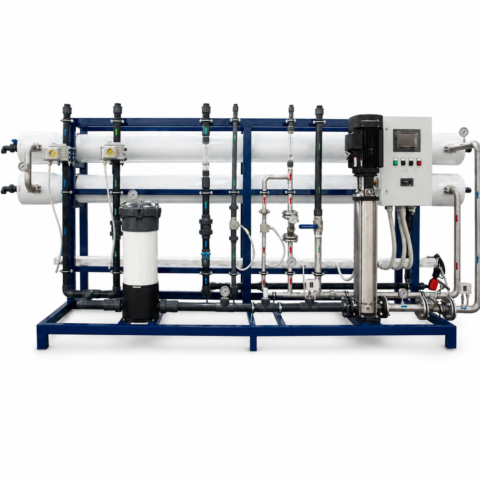 95 Tonne Reverse Osmosis System
₺980,368.00
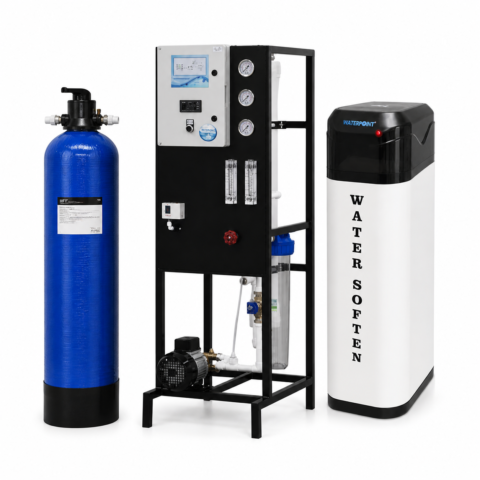 Industrial Deionised Pure Water Unit, 250 L/h
₺220,582.80
The problems hard water causes in hair and skin care.
Systems and units Water Softeners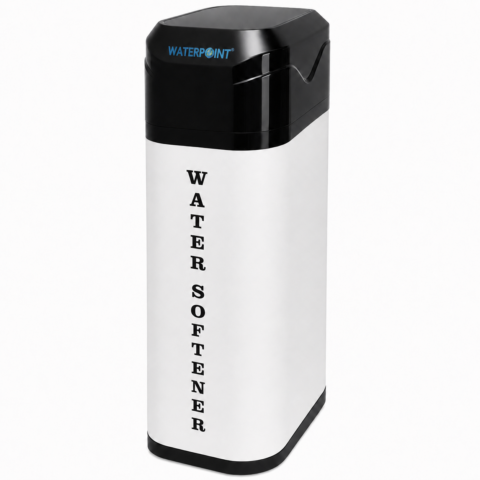 Maxi Cabinet Water Softener, 5 Tonnes/Day
Original price was: ₺49,018.40.₺34,312.88Current price is: ₺34,312.88.
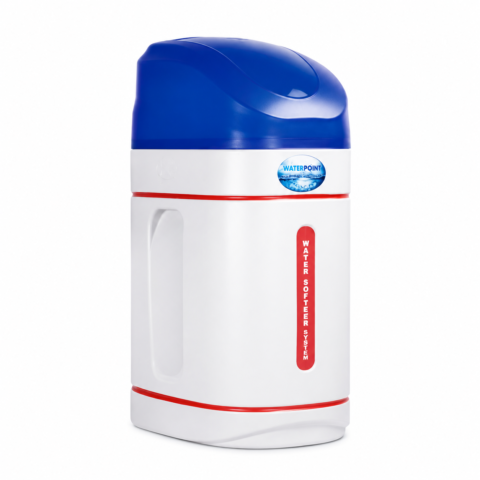 Mini Cabinet Water Softener, 2 Tonnes/Day
₺44,116.56
Drinking water from seawater with high-pressure reverse osmosis.
Systems and units Reverse Osmosis Systems Read the guideCompany
VAT included · Free freight delivery
This product is heavy and bulky, so it is shipped by freight; freight costs within Türkiye are covered by us.
Ordering from outside Türkiye
Online payment is only available for delivery addresses in Türkiye. For orders from abroad, we prepare a price quote.
Your location:
8 Inch Membranes · 10 m³/Hour · 70% Recovery
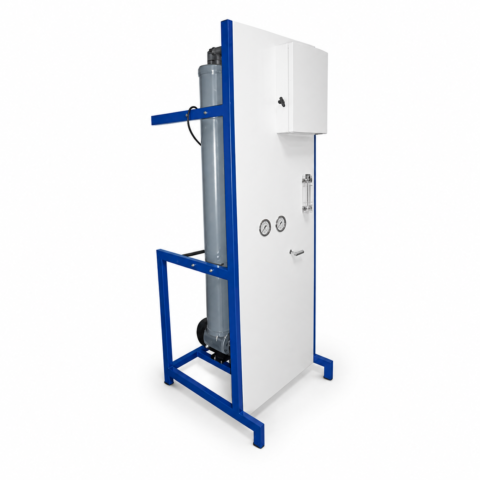
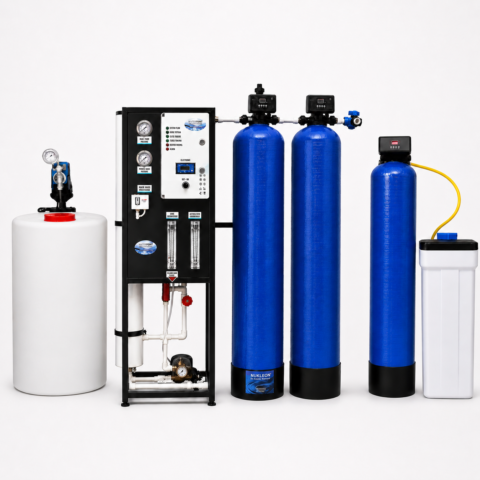
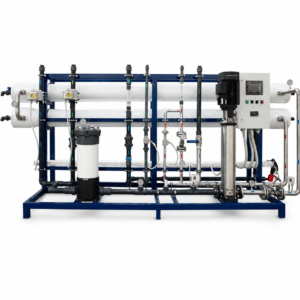
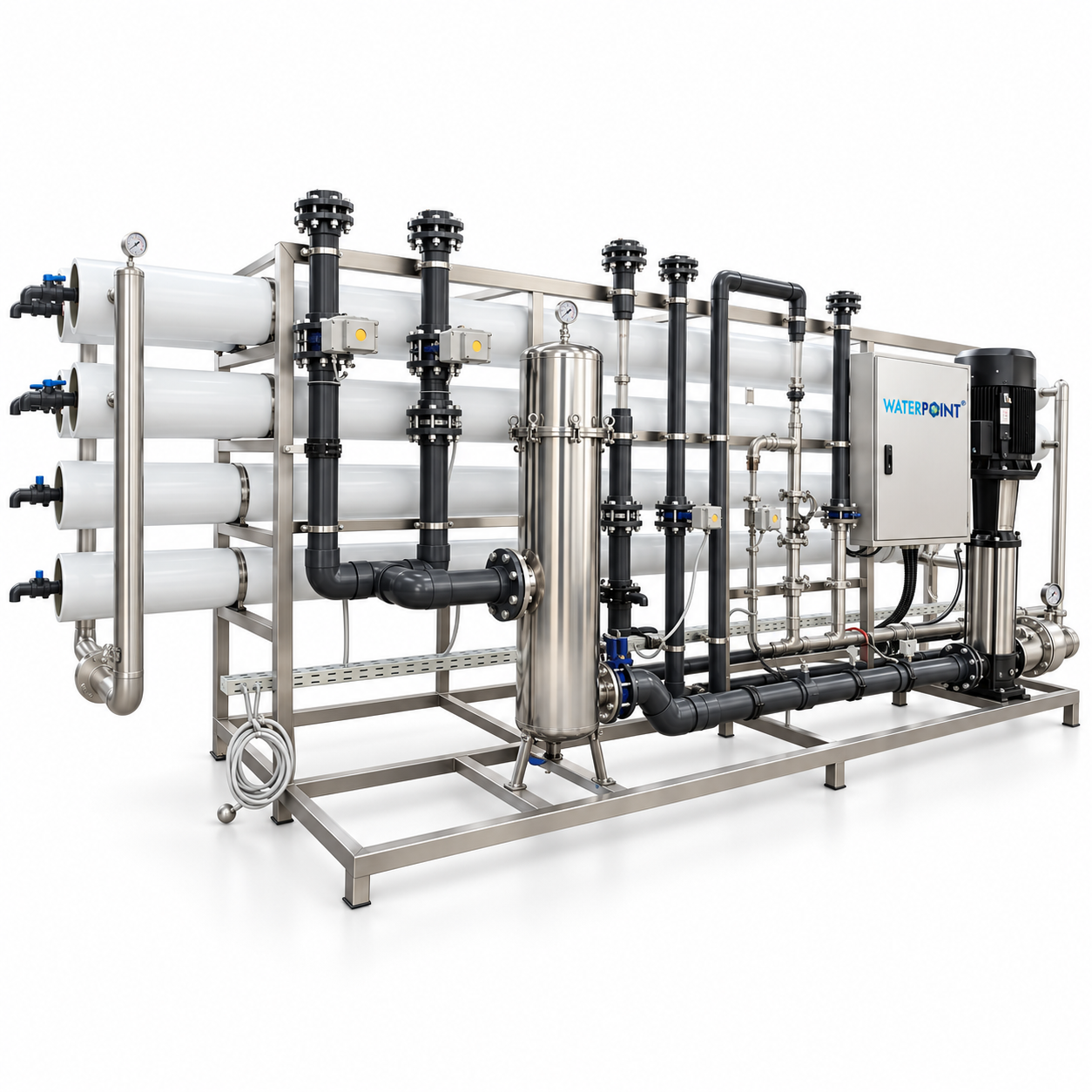
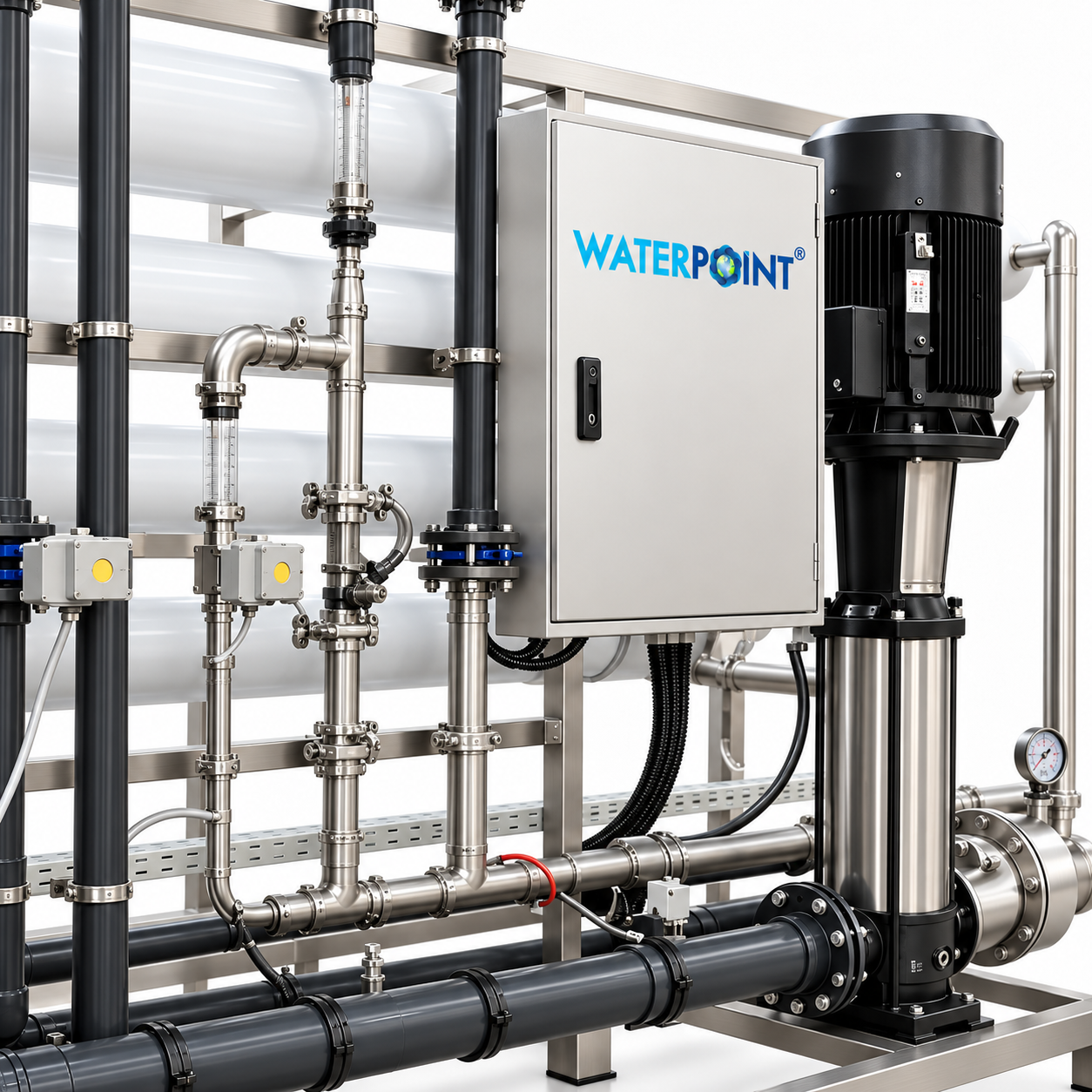
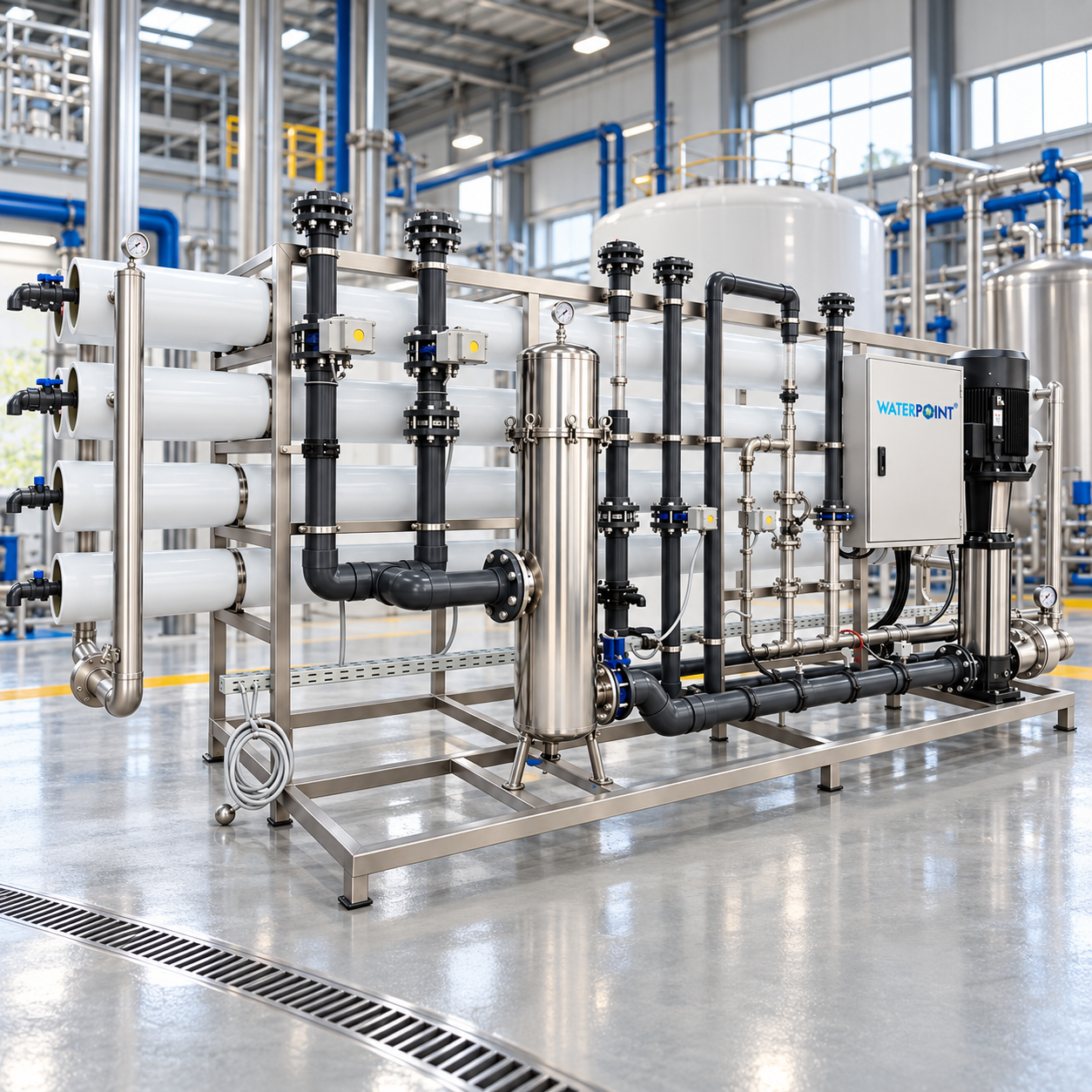
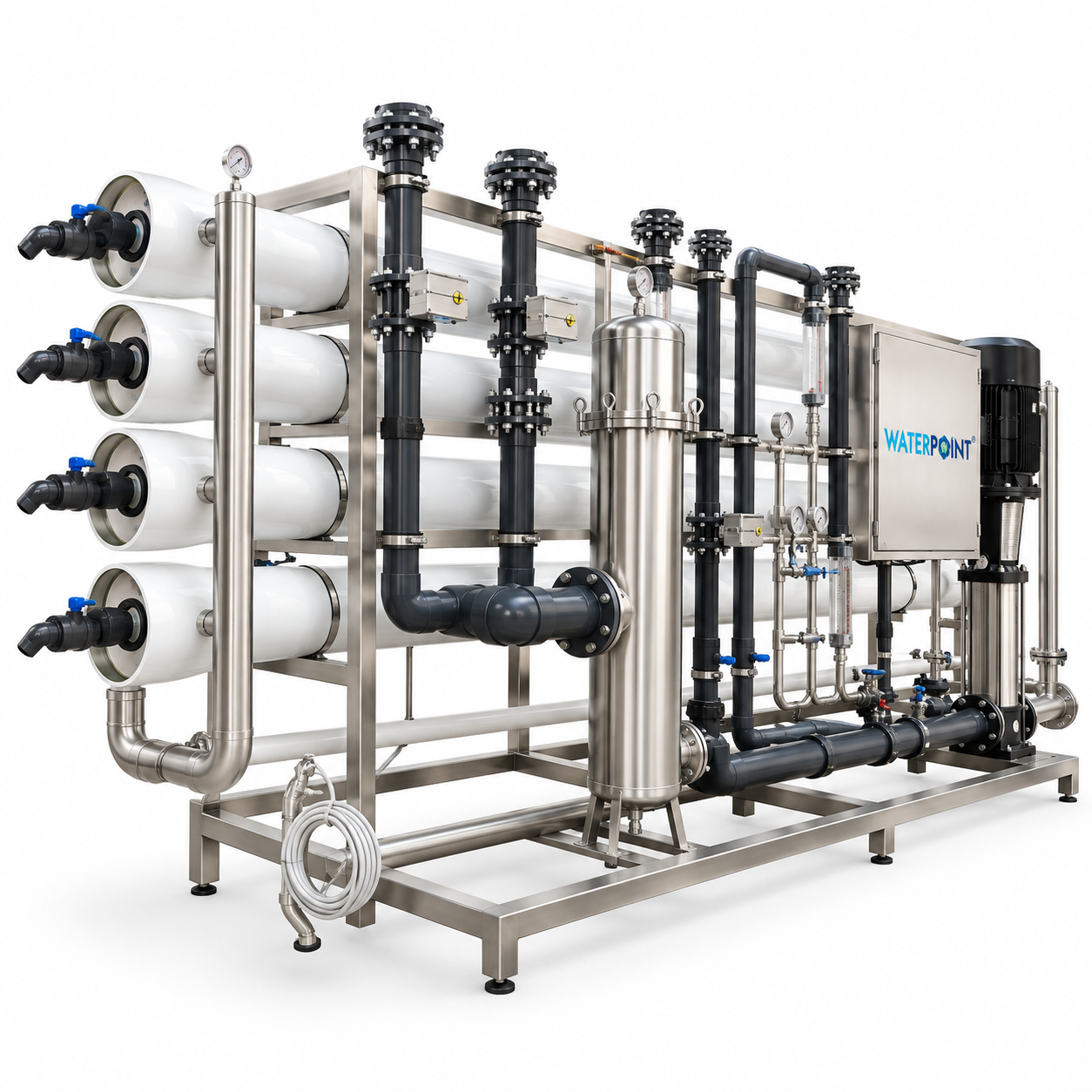
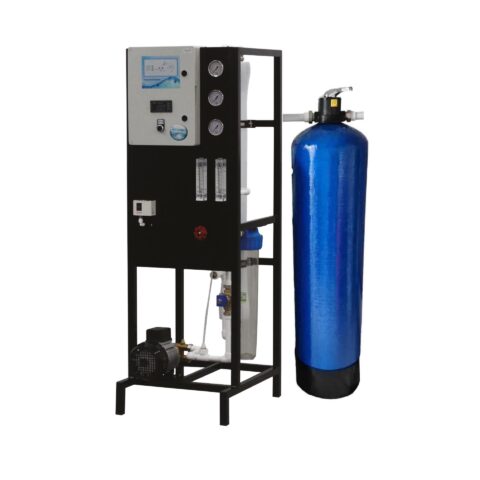
The Industrial Reverse Osmosis System is a factory-type system that runs on a single frame with ten 8 inch ULP reverse osmosis membranes, an SS304 stainless high-pressure pump, electrically actuated automatic valves, an automatic flushing (auto flush) valve and a control panel with an electronic board. At a water temperature of 20 °C it produces 10 m³ of product water an hour; over 24 hours of operation this corresponds to approximately 240 tonnes a day. Its standard recovery is 70%, and it is designed for feed water containing at most 2,000 ppm TDS.
Important Note
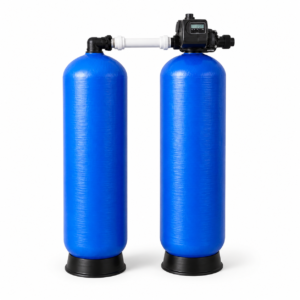
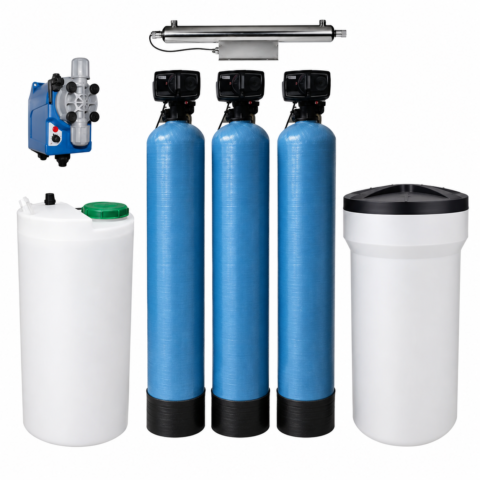
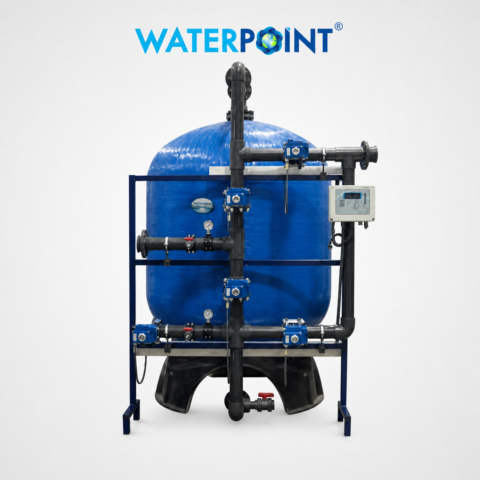
Ahead of the reverse osmosis unit we recommend an Automatic Sand Unit, a Carbon Unit and a Water Softener. The price shown is for the reverse osmosis unit only!
The membranes of the Industrial Reverse Osmosis System work efficiently when the feed water stays within certain limits. The sand unit holds back turbidity and suspended solids, the carbon unit chlorine and organic load, and the water softener hardness, before they reach the membranes. The antiscalant dosing unit is not included in the system either. Pre-treatment units are selected not by the product water flow rate but by the higher feed water flow rate.
01Problem & Solution
Problem
Dissolved salts in well and mains water raise the water’s conductivity and TDS. Sand, carbon and softening stages hold back sediment, chlorine and hardness, but they do not remove dissolved salts. Production lines that need low-conductivity water in the order of cubic metres an hour require a membrane stage to separate out this load.
Solution
The Industrial Reverse Osmosis System forces water through semi-permeable membranes under high pressure. The product water that passes through the membranes is delivered to the site; the concentrate carrying the dissolved substances goes to drain. The system makes this separation with ten 8 inch membranes, at 10 m³ of product water an hour and a standard recovery of 70%.
02Key Features
The Industrial Reverse Osmosis System brings together on a single frame the membranes, pump, valves and measuring equipment that continuously running production lines need.
The ten membranes, measuring 8 inch × 40 inch, work inside the membrane housings. The system is designed around ULP (ultra low pressure) membranes.
The stainless steel high-pressure pump delivers the water to the membranes. Depending on the system specifications, the pump pressure is in the 10–12 bar range.
The automatic valves are electrically actuated. The regulating valves on the pump outlet and on the reject line allow the working pressure and the recovery to be set.
The auto flush valve in the standard equipment flushes the membranes automatically. For chemical membrane cleaning, a CIP and flushing unit can be added as an option.
A product water conductivity meter (0–2,000 µS), product and reject water flow meters, pressure gauges, and low- and high-pressure switches show the status of the system.
The standard configuration has a control panel with an electronic board. With the PLC panel option, the pressure before and after the pre-filter and at the high-pressure pump outlet is monitored live on the display.
03Technical Specifications
| Feature | Value | What it does |
|---|---|---|
| System Type | Industrial Reverse Osmosis | The main problem the system solves. Pick the wrong type and the water does not improve. |
| Hourly Product Water | 10 m³/Hour (20 °C) | |
| Daily Capacity | ≈ 240 Tonnes (24 Hours) | How much water it can treat in a day. It should be at least 1.5 times your daily use. |
| Standard Recovery | 70% | |
| Membrane Dimensions | 8 × 40 Inch | |
| Number of Membranes | 10 | |
| Membrane Class | ULP (Ultra Low Pressure) | |
| High-Pressure Pump | SS304 Stainless | |
| Pump Pressure | 10 – 12 bar | |
| Frame | Powder-Coated Carbon Steel | |
| Piping | U-PVC (Low and High Pressure) | |
| Cartridge Filter | PVC Housing | |
| Automatic Valves | Electrically Actuated | |
| Flushing | Auto Flush Valve | |
| Conductivity Meter | 0 – 2,000 µS | |
| Control Panel | Electronic Board (PLC Optional) | |
| Feed Water TDS | Up to 2,000 ppm | The inlet water quality the unit can cope with. Above this limit, pre-treatment is needed. |
| Feed Water Pressure | 2 – 5 bar | |
| Feed Water Temperature | 10 – 30 °C | |
| Antiscalant Unit | Not Included |
04Applications
The Industrial Reverse Osmosis System is suitable for sites that need approximately 240 tonnes a day of water with reduced dissolved solids.
Factories & Production PlantsFood & Beverage ProductionProcess Water LinesBoiler Feed Water PreparationTextile & Dyeing PlantsOrganised Industrial Zone FacilitiesHotels & Large FacilitiesGreenhouses & Soilless Growing
05How It Works
The Industrial Reverse Osmosis System works on the principle of membrane separation: as water driven under high pressure passes through the semi-permeable membrane, the dissolved substances stay on the feed side of the membrane and are discharged with the concentrate. How reverse osmosis works in this way, and why pre-treatment is often needed to protect the membranes, is described in the US Environmental Protection Agency’s (EPA) overview of treatment technologies.
Having passed through the sand, carbon and softening units, the feed water enters the system’s PVC-bodied cartridge filter at an inlet pressure of 2–5 bar. The cartridge filter holds back fine particles that could otherwise reach the membranes.
The SS304 stainless high-pressure pump delivers the water to the membrane housings at a pressure in the 10–12 bar range, depending on what the system requires. Low- and high-pressure switches monitor the working pressure.
As the water passes through the ten 8 inch membranes, it is split in two: product water and concentrate. The standard recovery is 70%; in other words, approximately 70% of the feed water becomes product water and the rest is separated as concentrate.
The conductivity of the product water is read from the meter, the product and reject water flow rates from the flow meters, and the pressures from the pressure gauges. The working pressure and recovery are set with the regulating valves on the pump outlet and the reject line.
The product water goes to the storage tank or the line of use, and the concentrate to drain. The electrically actuated automatic valves manage the flow; the auto flush valve flushes the membranes automatically.
06Making the Right Choice
When choosing the Industrial Reverse Osmosis System, the product water requirement, the raw water analysis, the inlet conditions and the pre-treatment should be assessed together.
The system produces 10 m³ of product water an hour at 20 °C. The daily requirement should be divided by the site’s operating hours and compared with this hourly figure.
The design is based on at most 2,000 ppm TDS. pH should be 6–8, silica at most 25 ppm and iron at most 0.05 ppm (0.2 ppm where antiscalant is dosed); turbidity should stay below 1 NTU and SDI below 5.
The feed water pressure should be in the 2–5 bar range and its temperature in the 10–30 °C range. The water should contain no hydrogen sulphide, oil, grease or microbiological contamination.
The sand, carbon and softening units and the antiscalant dosing are planned according to the feed flow rate. A drain line for the concentrate and an electrical supply for the panel should be ready.
07Maintenance and Use
The Industrial Reverse Osmosis System runs steadily with regular monitoring and timely maintenance of the pre-treatment.
08Frequently Asked Questions
To write a review, please log in to your account. If you don't have an account, you can create one on the same page.
Questions & Answers
Questions on compatibility, capacity and installation are answered by our technical team. The answers stay public — so the next person with the same question can see them too.
No questions have been published for this product yet. You can be the first to ask.
The delivery time is confirmed to you when your order is approved. This product is heavy and bulky, so it is shipped by freight; freight costs within Türkiye are covered by us.
The system is delivered ready to install; it only needs to be connected to the inlet and outlet lines. If valve setup is required, we provide free support over a video call. Installation and commissioning fall under our service work and are subject to a service fee. Plumbing labour and any pipes, valves and fittings are not included in the price; these items are the customer’s responsibility.
This product is covered by a 2-year manufacturer warranty. During the warranty period, labour and parts are free for faults arising from manufacture. Consumables such as filters, membranes and resin are outside warranty cover — they are replaced when their service life ends; they do not fail.
The site survey is free when the system is purchased from us. A survey fee of ₺2,000 applies if you request the survey and measurement only.
The right of withdrawal and the return terms are set out in detail in the distance sales agreement. Systems that have been installed and commissioned, and made-to-order products, are outside its scope.
Checkout
Instalment TableInstalment rates vary by each bank’s card programme and may include interest. The amounts below are calculated with the banks’ current rates; the final amount is shown again at checkout.
Questions? Talk to our specialist directly.
WaterAI
Reviews
There are no reviews yet.