
Central Water Softening: Protecting a Whole Building
If your boiler fails more often than it should, stubborn white limescale builds up on taps and showerheads, and white goods lose efficiency over time, the shared cause usually gathers in one place: hard water. And that damage affects not one tap but the whole plumbing system of the building. This is where a central water softening system offers a whole-building answer, dealing with the water where it enters and protecting the entire structure from limescale damage.
The limescale hard water creates is not merely a matter of appearance; it lowers heating efficiency, shortens the life of equipment and turns into a serious maintenance cost over the long term. In this guide we take up what central softening is, how it works by ion exchange, where in the building it is installed and how the right capacity is established, in language that is technical but clear.
What Is a Central Water Softening System?
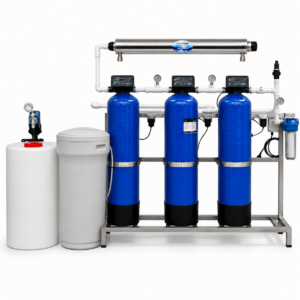
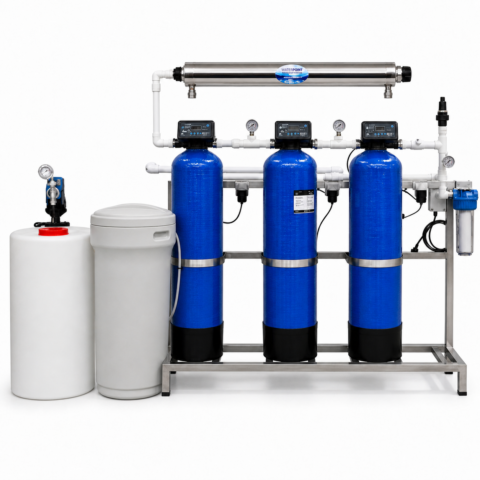
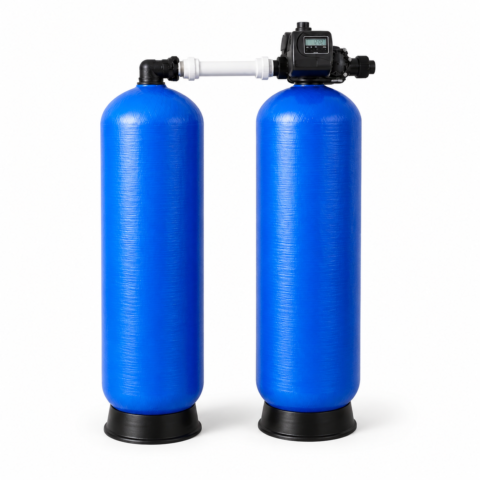
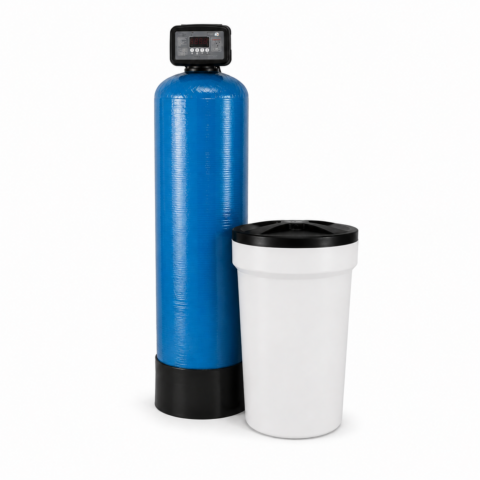
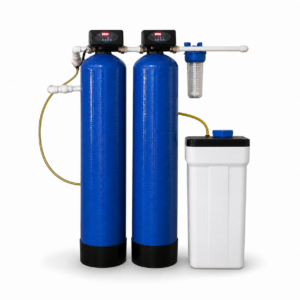
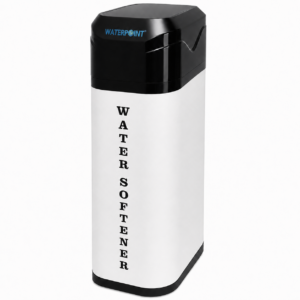
A central water softening system is a treatment solution installed on the main line where water enters a building, supplying softened water to the whole plumbing system. It works on the principle of ion exchange; by replacing the calcium and magnesium in the water with sodium, it prevents limescale forming. In that way the whole system, from the boiler to the taps, is protected from limescale damage.
The word “central” in its name comes from the system covering not one point of use but the whole structure. Because the water is softened as soon as it enters the building from the mains, every tap, appliance and length of pipework beyond that point is fed with soft water. In that respect a central water softening system, unlike point solutions, deals with the limescale problem at its source and at building scale.
What Does Hard Water Damage Throughout a Building?
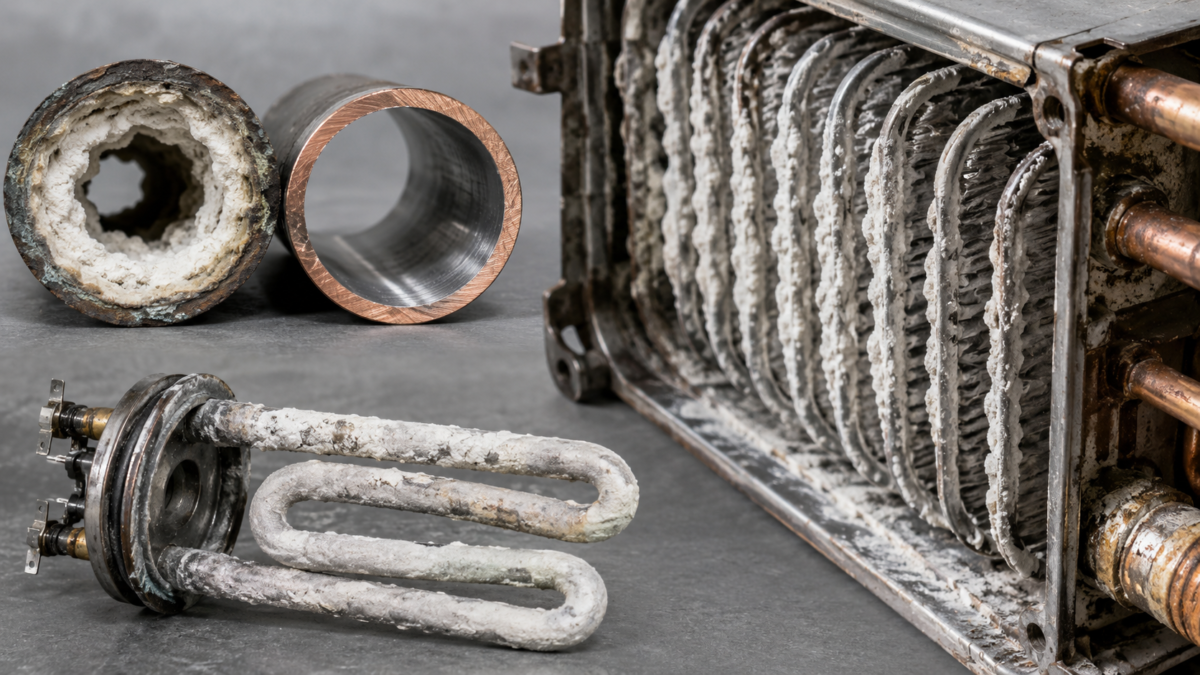
Hard water leaves limescale on every surface that heats, and so causes damage throughout a building. A loss of efficiency in the boiler and exchanger, blockages in taps and showerheads, element failures in white goods and permanent marks on ceramic surfaces are the most common results. That raises both energy and maintenance costs.
Water hardness expresses, scientifically, the amount of calcium and magnesium dissolved in water; indeed the US Geological Survey definition of water hardness also explains hardness through the concentration of those two minerals. When those minerals heat they precipitate and form limescale, building up at every point in the plumbing. Their main effects can be summed up like this:
- The boiler and the exchanger: Limescale coating the heat transfer surface raises fuel consumption and increases the risk of failure.
- Plumbing lines: Limescale building up on the inner wall of the pipe narrows the bore and leads over time to a drop in flow.
- White goods: Limescale builds up on the element in washing machines and dishwashers, shortening their life.
- Taps and fittings: Blockages and a spoiled appearance form on taps, showerheads and fittings.
- Ceramic and glass surfaces: It leaves permanent white marks in the bathroom and the kitchen.
How Does Central Softening Work? Ion Exchange and Regeneration
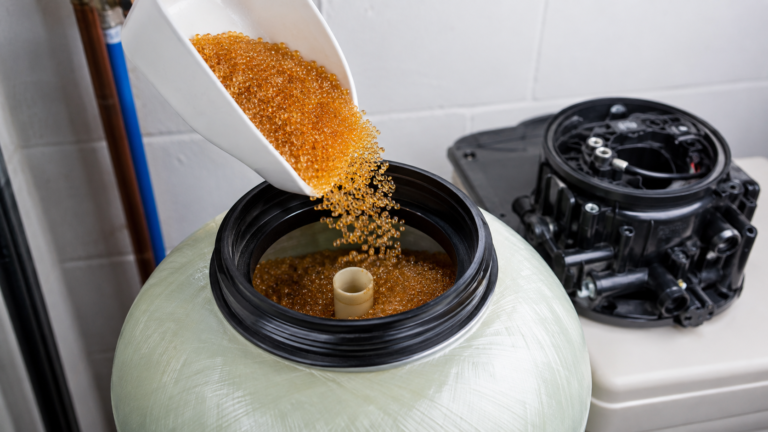
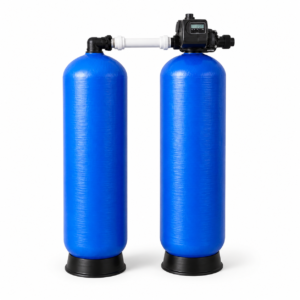
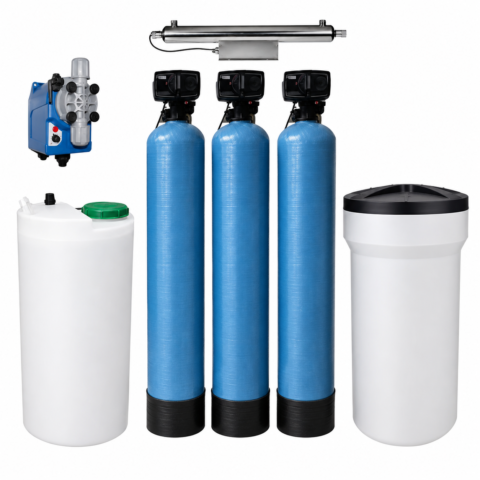
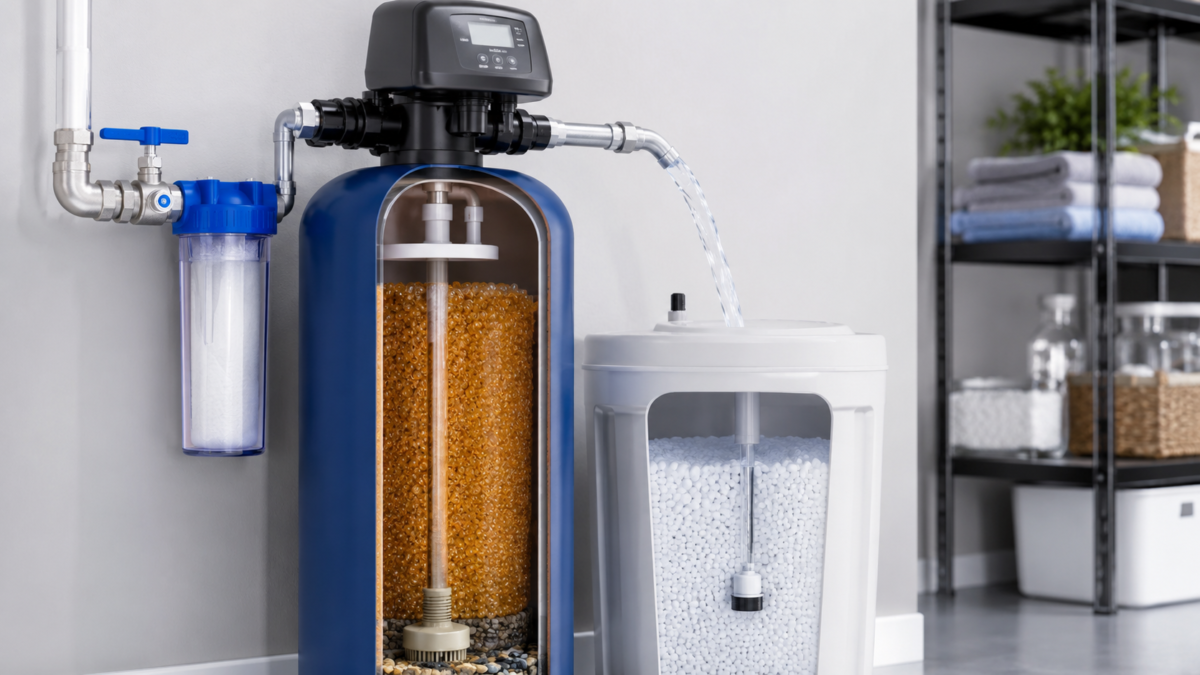
Central softening works on the principle of ion exchange. A tank filled with a special resin holds the calcium and magnesium ions in the water and gives sodium in their place. When the resin becomes saturated over time, it is washed with brine (sodium chloride) and renewed. That cycle, called regeneration, is what lets the system produce soft water continuously.
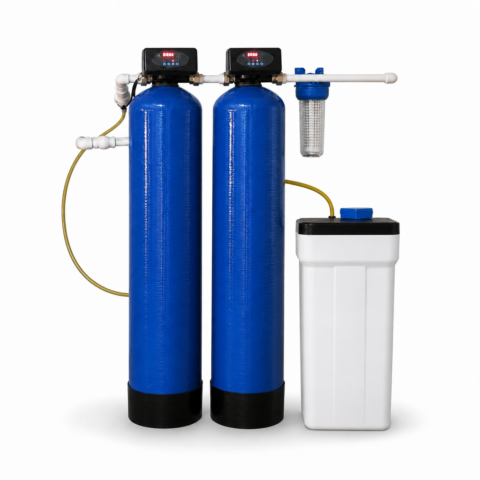
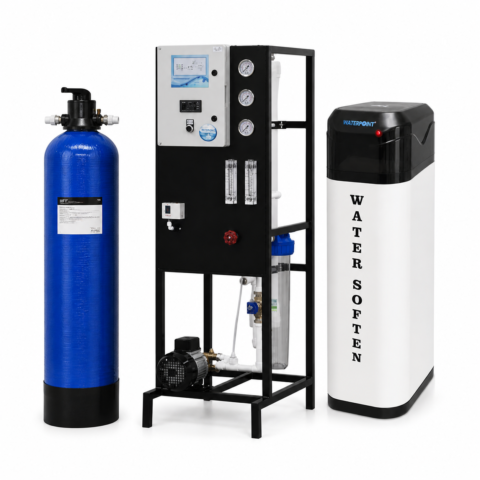
The heart of the system is the resin softening ion exchange tank. As the water passes through that resin, the hardness-forming calcium and magnesium ions attach to the resin and sodium is released into the water in return. The result is soft water reaching the plumbing. But the holding capacity of the resin is not endless; at a certain point it reaches saturation and has to be renewed. That renewal cycle is generally managed by an automatic valve and consists of these stages:
Service
The resin holds the hardness and supplies soft water to the plumbing. This is the normal running state.
Saturation
The resin fills with calcium and magnesium and has to be renewed.
Backwash
The resin is lifted by reversing the flow and the sediment held is carried away.
Regeneration
Brine passes through the resin; sodium is reloaded and the hardness is discharged.
Rinse
The excess salt is washed out and the system returns to the service position.
That cycle repeats at set intervals according to the intensity of use and the hardness of the water. On modern systems the automatic valve plans regeneration by time or by the volume of water used, keeping intervention by the user to a minimum. For builds to suit the need, our central softening systems can be assessed with their different capacity and automation options.
The Difference Between Point (Under-Counter) and Central Softening
Point softening protects only a single point of use (the kitchen, for instance), while central softening supplies soft water to the whole building. Because limescale damage forms throughout a building, including the boiler, the plumbing and white goods, a central solution gives a more comprehensive and lasting result in buildings that want whole-structure protection.
The two approaches serve different needs. The comparison below makes clear which makes sense in which case:
| Criterion | Point (Under-Counter) | Central (Building Inlet) |
|---|---|---|
| Scope | A single point of use | The whole building and its plumbing |
| The Area Protected | Local (e.g. the kitchen tap) | Boiler, plumbing, appliances, taps |
| Where It Is Installed | Close to the point of use | The main inlet line |
| Limescale Protection | At that point only | Throughout the building |
| Where It Suits | A single drinking or utility need | Preventing limescale damage as a whole |
In short, point solutions meet a particular need, while solving the limescale problem at building scale calls for a system installed on the inlet line. In structures such as apartment blocks, housing estates, hotels and villas, building and flat inlet solutions are designed on that whole-structure logic.
How Is the System Positioned at the Building Inlet?
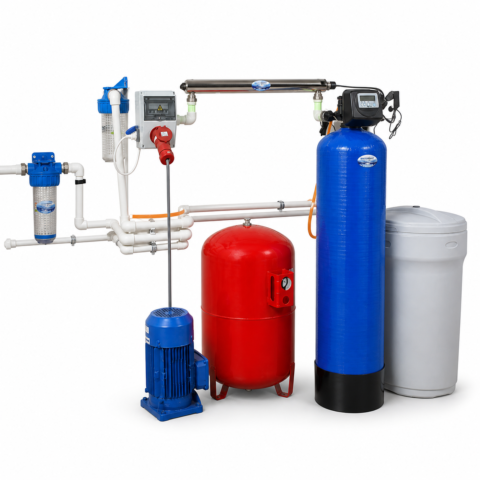
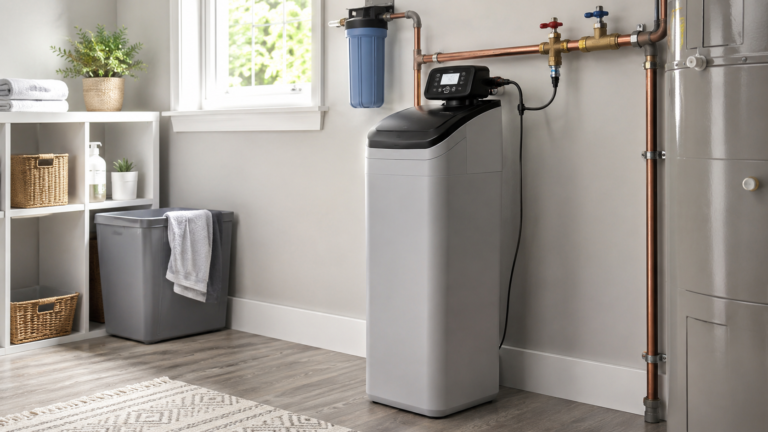
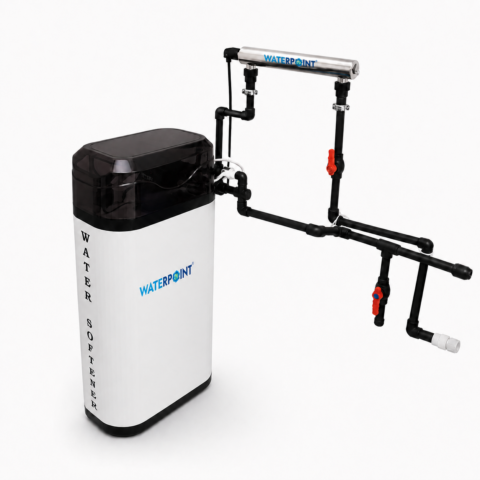
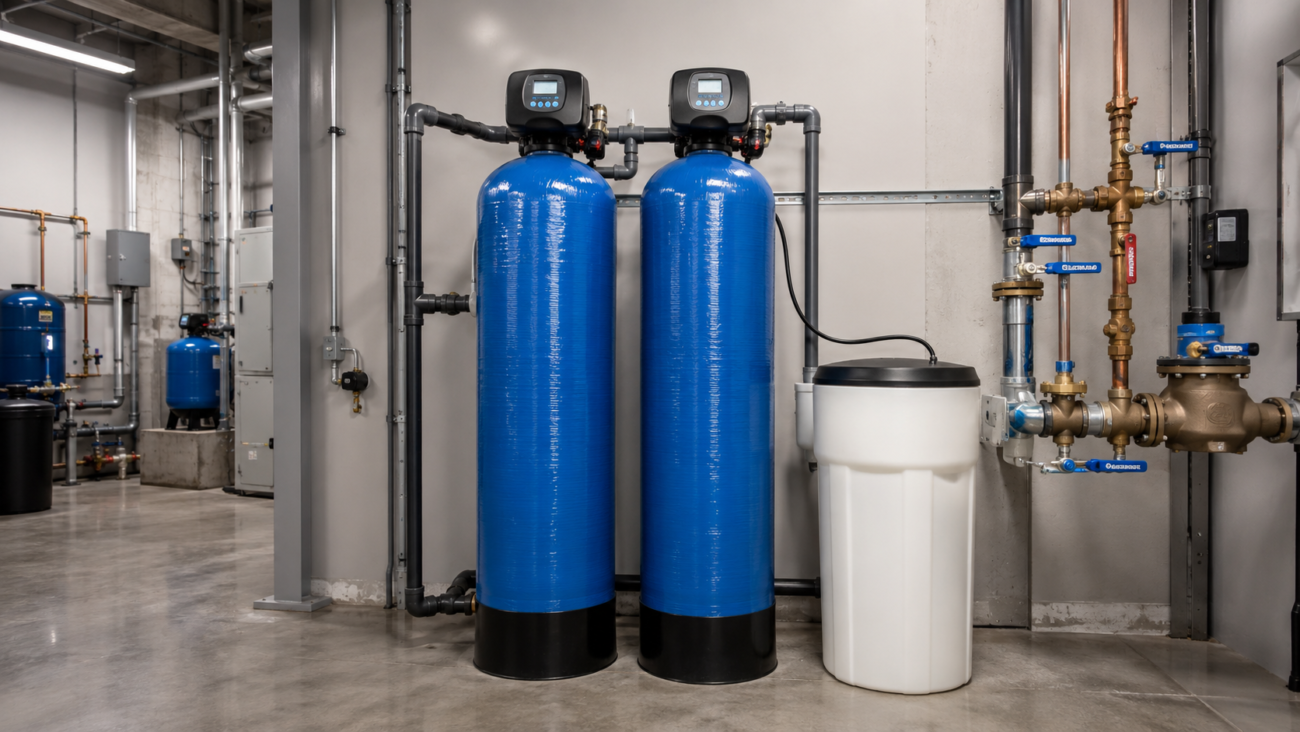
A central water softening system is positioned on the main line where mains water enters the building, after the meter. In that way all the water coming in passes first through the softening unit. The installation generally includes a bypass valve, which makes it possible to take the system out of service during maintenance without cutting off the water.
Correct positioning is critical for the efficiency of the system. When the unit is connected to the main inlet line, every tap and appliance in the building is fed with soft water. The basic elements of the installation logic are these:
- The main inlet line: The system is placed at the point where the water first enters the structure (after the meter).
- The bypass valve: It makes it possible to bypass the system during maintenance or regeneration without cutting off the water.
- The drain connection: A suitable drain connection is needed to discharge the regeneration waste water.
- Accessible space: It matters that the unit is easy to reach for salt top-ups and periodic checks.
In new buildings, central softening is far more practical and economical when it is planned at the design stage. It can also be integrated into the main inlet line in existing buildings; but the layout and drainage conditions have to be assessed in advance.
How Is the Right Capacity Chosen? Flow and Number of Users
The right capacity is established by assessing the hardness of the water, the daily water consumption, the instantaneous flow requirement and the number of users together. Too little capacity leads to a loss of pressure and of softening at peak hours, while a system larger than necessary means extra cost. So the choice should always be made to suit the need.
More than one factor plays a part in choosing a capacity, not a single variable. They can be summed up like this:
- Water hardness: The higher the hardness, the faster the resin saturates and the more frequent the regeneration.
- Daily consumption: The total water use determines the volume the system can handle.
- Instantaneous flow: The number of taps opened at once affects the flow rate the unit has to meet.
- Intensity of use: The type of building and the pattern of use shape the peak demand.
When those factors come together, the resin volume and flow capacity that suit the system emerge. For high-flow buildings and industrial use, high-capacity industrial softening systems are preferred. For correct sizing, the soundest approach is to establish the hardness value and the real consumption profile in advance.
Resin Maintenance, Salt Consumption and Operation
Central softening systems call for regular but simple maintenance. The basic operating item is topping up the salt used for regeneration periodically. The resin is long-lived but calls for checking over time. Monitoring the salt level and the system settings regularly is enough for a continuous supply of soft water.
In operating terms, central softening is a relatively low-maintenance system; but keeping an eye on a few points bears directly on performance:
- Salt top-ups: Regeneration salt should be added as it falls; if the salt runs out, the system cannot soften.
- Checking the resin: The resin lasts many years, but a periodic check is advised depending on the water quality.
- Following the settings: The frequency of regeneration and the valve settings should be reviewed from time to time according to consumption.
- Checking the hardness: Measuring the hardness of the outlet water now and then confirms the efficiency of the system.
In buildings with a heavy limescale load, different approaches to limescale control may come up alongside softening; in that case industrial-type limescale treatment systems can be assessed as an alternative or a complementary solution.
The Advantages of Central Water Softening
A central water softening system prevents limescale damage throughout a building, extending the life of equipment and lowering energy and maintenance costs. Protecting the whole plumbing system from a single point, ease of management and a noticeable rise in day-to-day comfort make it a whole-building answer.
Beyond providing whole-structure protection, the main advantages central softening offers are these:
- Protecting plumbing and equipment: The boiler, white goods and pipework are protected from limescale damage and last longer.
- Energy efficiency: Heating surfaces free of limescale give the same performance on less fuel.
- Less maintenance: The need for limescale-related repairs and cleaning falls markedly.
- Day-to-day comfort: Soap and detergent foam better; marks on taps and surfaces are reduced.
- Management from a single point: Because the whole building is protected by one system, it is practical to run.
Let’s establish the central softening capacity that suits your building together
To size the right system to the hardness of your water and your pattern of use, you can get site survey and engineering support from the Water Point expert team.
See the Softening SolutionsFrequently Asked Questions
Does a central water softening system affect the drinking water too?
While it removes hardness by ion exchange, the system adds a certain amount of sodium to the water. If a separate sensitivity is wanted for drinking and kitchen use, an additional treatment solution at that point can be assessed alongside the softening. The need should be established from the purpose of use.
Does a softening system lower the water pressure?
A system chosen at the right capacity causes no noticeable loss of pressure in normal use. Pressure problems generally come from too little flow capacity; so it matters that the instantaneous flow requirement is worked out correctly.
How often does regeneration happen?
The frequency of regeneration depends on the hardness of the water and the amount of water used. Systems with an automatic valve plan that cycle by time or by volume. Hard water and high consumption make regeneration more frequent, and that affects the salt consumption.
Can central softening be installed in an existing building?
Yes. Because the system can be integrated into the main inlet line, it can be installed in existing buildings too. Only the space for it, the drain connection and the suitability of the inlet line have to be assessed in advance. On new projects, integration is more practical at the planning stage.
What happens when the salt runs out?
When the salt is used up the system cannot regenerate and the resin cannot be renewed; the softening performance then falls and the water starts to harden again. So checking the salt level regularly is the most basic maintenance step there is for an uninterrupted supply of soft water.
Conclusion
The limescale damage hard water causes throughout a building creates a broad cost, reaching from the boiler to the plumbing and from white goods to the taps. A central water softening system deals with that problem with a single solution at building scale, treating the water at the point where it enters. Working by ion exchange, those systems both extend the life of equipment and reduce energy and maintenance spending when they are chosen at the right capacity and run regularly. For the right result, the soundest approach is to establish the hardness of the water and the real pattern of use in advance and to size the capacity accordingly.
Let’s plan the right system for your apartment block, estate, hotel or villa
To establish the central softening solution that best suits the water hardness and intensity of use in your building, you can consult the Water Point specialists and request a site survey.
Discover the System That Suits You