
Choosing a Treated Water Dispenser for Hot Weather

When the thermometers start to climb, water consumption rises without anyone noticing. Children looking for cold water all day at home, office workers filling one glass after another in the afternoon heat, a shopkeeper wanting to offer a visiting customer a glass of cool water… The summer months turn into a period when access to drinking water is stretched both in amount and in speed. And at exactly that point many people face the same problems: carrying heavy bottles, not being able to replace the water that has run out in time, and not finding water cold enough on hot days.
That is why interest in treated water dispenser solutions in homes and businesses has risen markedly in recent years. But the answer to “which dispenser should I buy?” is not as simple as it looks; many variables come into play, from the intensity of use to the cooling power, and from the filter build to hygiene requirements. The right choice makes a difference not only to comfort but, over the long run, to cost and water quality too.
Why Does the Need for Water Rise in Hot Weather?
In hot weather the body loses more fluid through sweating in order to balance its temperature. It is entirely natural for daily water consumption to rise to make up for that loss. The World Health Organization information on safe drinking water stresses that easy access to enough clean water is a basic requirement for health and quality of life. So the point is not simply “drinking more water”; it is being able to reach that water without interruption, hygienically and at a suitable temperature.
On the practical side, hot weather both makes access to water more frequent and brings the expectation of “cold water” to the front. Bottles that will not fit in the fridge at home, small units that fall short at the office, longer queues of customers in a business… All of them point to the same need. And that is why the choice of unit becomes critical: summer conditions test the real performance of a dispenser mercilessly.
What Is a Treated Water Dispenser?
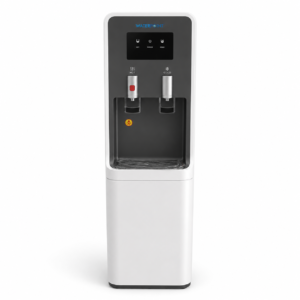
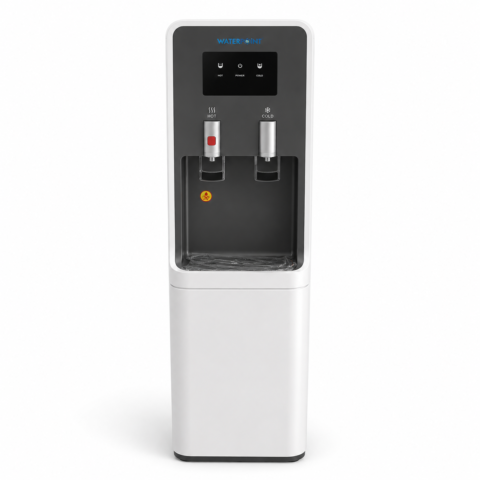
A treated water dispenser is a system that treats mains water by passing it directly through the filtration stages inside the unit and then serves it ready to drink. Its most basic difference from classic bottled models is that the water rests not on a source bought from outside but on a direct mains connection. Thanks to filters that reduce sediment, chlorine, odour and unwanted taste components, the unit provides drinking water of better quality.
On most models the hot and cold water options are together. The need for a cold water dispenser, which comes to the front in the summer months in particular, is met by the cooling unit inside. In that way it becomes possible to reach fresh water without stocking bottles, carrying them or ordering constantly.
The Differences Between a Bottled Dispenser and a Treated Water Dispenser
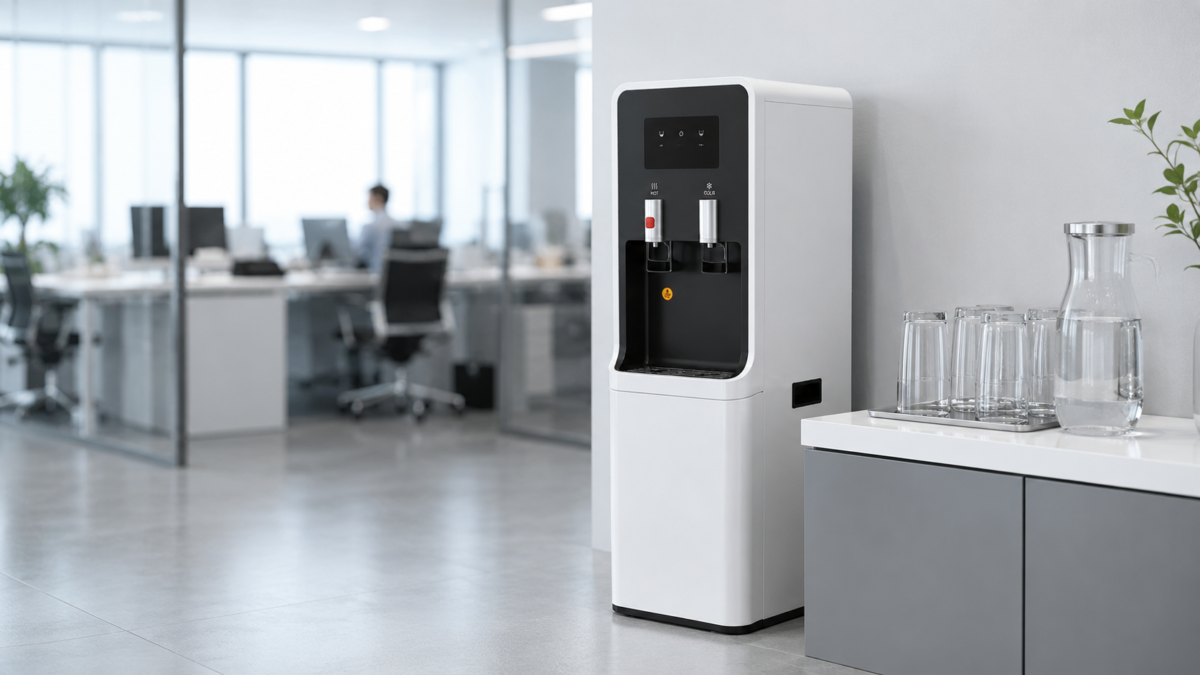
Although both systems are called “dispensers”, their working logic differs. A bottled dispenser depends on 19-litre bottles supplied from outside; that means regular ordering, storage space and heavy carrying. Treated models produce the water on the spot, feeding it from the mains. The table below compares the two systems under the basic headings:
| Criterion | A Bottled Dispenser | A Treated Water Dispenser |
|---|---|---|
| Water Source | Bottles from outside | The mains plus internal filtration |
| Carrying / Storage | Carrying heavy bottles, stock space | No carrying, compact use |
| Continuity | An interruption when the bottle runs out | Uninterrupted with the mains connection |
| Cold Water | Depends on the model | Cool water continuously with the cooling unit |
| Hygiene | The risk of contact with the open bottle neck | A closed system, periodic filter checks |
| Long-Term Cost | A continuing bottle spend | Filter-focused, more predictable |
As you can see, what lies behind choosing a treated dispenser instead of bottled water is not only practicality; it is continuity, hygiene and predictability of cost too. Even so, the right decision varies with the field of use.
What Should Be Watched for Home Use?
In home use the priority is generally saving space, quiet running and cooling capacity enough for the household. Having a point suitable for a mains connection in the kitchen or the dining area, the unit being compact and the filter being easy to change all bear directly on comfort.
- The size of the household: As the number of people rises, so do the daily water consumption and the cooling power needed.
- The layout: Countertop or floor-standing? A body that suits your kitchen layout matters.
- Access to the filter: A build the user can easily keep track of and change should be preferred.
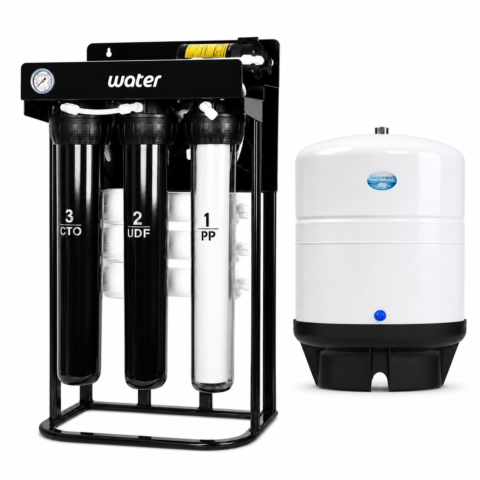
Where the aim at home is not only drinking water but overall water quality for the kitchen and general use, domestic and office water purifiers can be assessed alongside the dispenser.
Selection Criteria for Offices, Shops and Small Businesses
In those settings the decisive element is the number of users and how busy the day is. When choosing an office water dispenser, the demand at peak times such as lunch and mid-afternoon has to be taken into account as well as the number of staff. Hot water is needed for making tea and coffee, while in customer areas appearance and hygiene come to the front.
- The number of users: The need of a five-person office and a floor of thirty people is not the same.
- Performance at peak hours: Whether the water stays cold at busy moments depends on the cooling flow.
- Appearance and position: A unit in a customer area is part of the brand impression too.
Choosing the Capacity in Factories, Schools, Canteens and Heavy-Use Areas
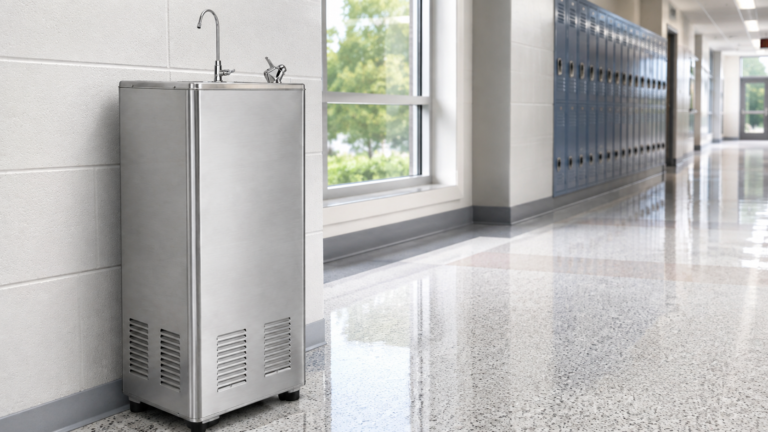
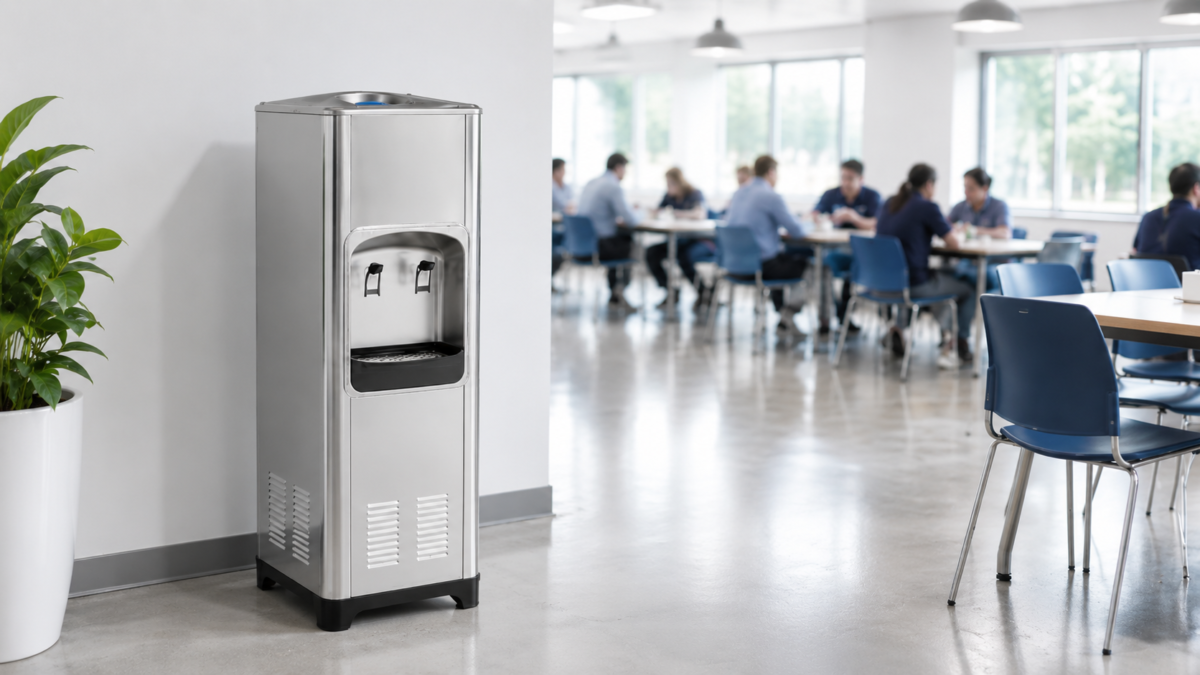
In high-demand settings the capacity is less a matter of comfort than a necessity. In schools, canteens or production plants where hundreds of people use water in the same intervals, models with a high hourly cooling and heating flow, several taps and a durable build come to the front. In settings of that kind a unit of insufficient capacity can turn into a bottleneck that soon serves lukewarm water and creates constant waiting.
Assess the capacity not by the total number of people alone but by the number of users drawing water at the same time. The real strain comes not at average consumption but at the peak moments.
Do you want to choose the capacity and model that suit your need?
To establish the right treated water dispenser solution for your home, office or business, you can get support from the Water Point expert team.
See the Treated Water Dispenser SolutionsWhy Does Cooling Capacity Matter?
On hot days the real performance of a dispenser comes out largely in its cooling capacity. The cooling power is generally expressed as the amount of cold water that can be produced per hour (litres/hour). If that figure falls short of the need, the unit starts serving lukewarm water at peak hours and user satisfaction falls quickly. In the summer months in particular, a system that cannot meet the expectation of a cold water dispenser falls short in practice even though it works technically.
The right capacity is established by assessing the ambient temperature, the number of users and the peak demand together. Too little capacity means a loss of comfort, and more capacity than needed means unnecessary cost; the balance matters.
The Filter System and Water Quality
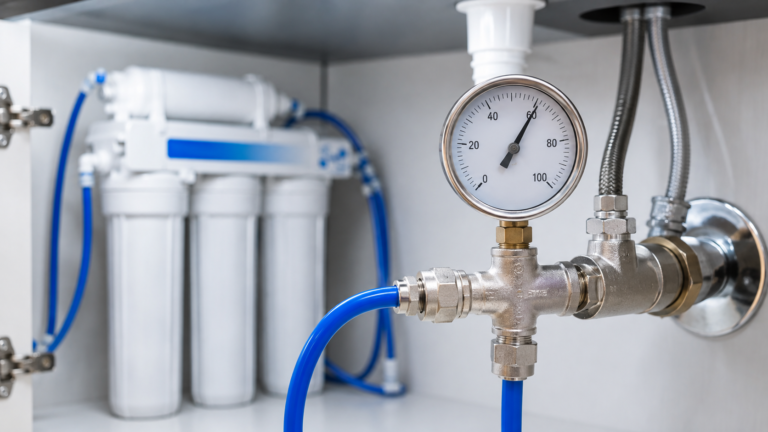
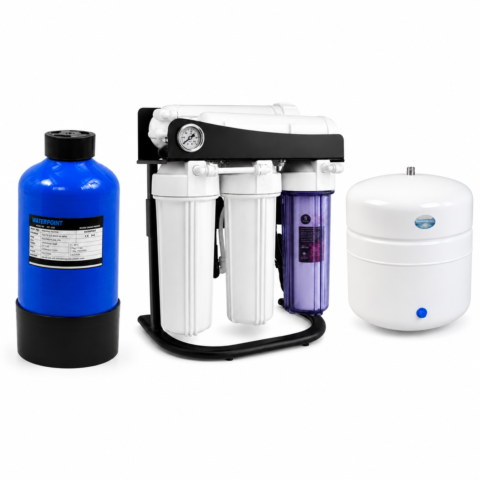
The heart of a dispenser is its filter system. A typical build has a sediment filter holding the coarse sediment, an activated carbon filter reducing chlorine and odour, and, depending on the model, membrane-based advanced treatment stages. Those stages bear directly on both the taste and the safety of the water.
The life of the filters and the change interval are as critical as the choice of filter. Filters not changed on time both lower the performance and can affect the water quality adversely. So the filter being easy to change and the service support being reachable matter, over the long run, at least as much as the unit itself.
Hygiene, Maintenance and Service
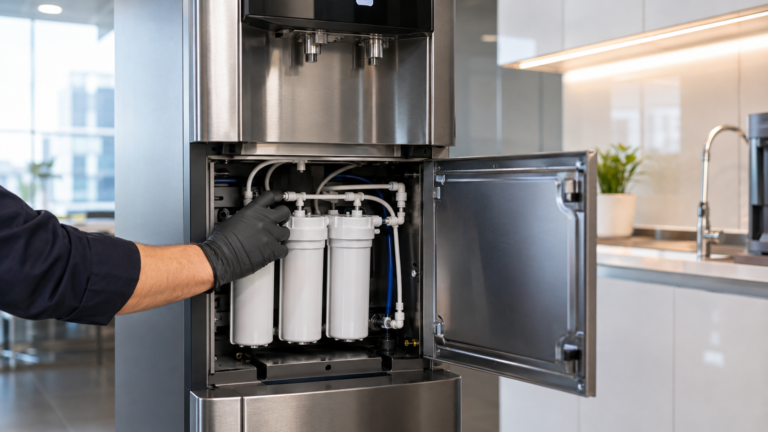
Where drinking water is involved, hygiene is unquestionably the priority. Because treated models work in a closed system they reduce the risk of outside contact; but that does not mean maintenance is unnecessary. Periodic filter changes together with cleaning the tap and the reservoir are the key to keeping the water at the quality it had on the first day.
At that point a reliable service and technical support network becomes decisive. A supplier that carries out the regular maintenance to a plan both extends the life of the unit and secures continuity in water quality.
Which Type of Dispenser Makes More Sense for Which Setting?
The right choice is not the “most expensive” or the “highest capacity” unit but the one that best suits the pattern of use. The simplified guide below offers a starting point when deciding:
Compact and quiet
Compact models with cooling power enough for the household, taking up little space and with easily changed filters are the priority.
Medium to upper capacity
Models that do not go lukewarm at peak hours, offer hot and cold water and look right in a customer area are preferred.
High flow
Schools, canteens and production areas need systems with several taps, a durable build and a high cooling flow.
To see the build closest to your need you can make a comparative assessment among the treated water dispenser models with different capacities and stages.
Choosing the Right System With Water Point
Choosing the right dispenser starts not with reading the list from the top but with defining the need clearly. When the field of use, the daily consumption, the peak-hour load, the cooling expectation and the quality of the source water come together, which type of unit really suits becomes clear. With more than 20 years of experience in the field, Water Point focuses on assessing those variables together and planning a balanced solution for homes, offices and businesses.
The aim is not to sell the most expensive system but to provide a trouble-free drinking water experience over the long run, with the installation that best fits your budget, your space and your intensity of use.
Frequently Asked Questions
Is a treated water dispenser more advantageous than a bottled one?
In most scenarios of use, yes. Because it is fed from the mains, carrying, storing and tracking orders for bottles disappear; the water is supplied without interruption. The long-term cost is generally more predictable too. Even so, the right choice depends on your intensity of use and the conditions of your space.
What should be looked at when choosing a treated water dispenser for an office?
The number of staff, the peak demand during the day, the need for hot and cold water, the cooling flow and, if it is in a customer area, the appearance come to the front. An office water dispenser should be able to perform without going lukewarm even at busy hours.
Why does the capacity of a cold water dispenser matter in hot weather?
Because in the summer months the demand for cold water both rises and becomes more frequent. Insufficient cooling capacity leads to the unit serving lukewarm water at peak hours and to long waits. The right capacity should be chosen by assessing the number of users and the ambient temperature together.
Can a treated dispenser be used at home instead of bottled water?
Yes. Where there is a point suitable for a mains connection, a treated dispenser can be used at home instead of bottled water. That choice removes the carrying of heavy bottles, provides fresh water continuously and sets up a practical drinking water arrangement for the household.
How often should a treated water dispenser be maintained?
The frequency of maintenance varies with the intensity of use, the quality of the source water and the filter build of the model. The general rule is to change the filters at the intervals recommended by the manufacturer or the service engineer and to clean the tap and the reservoir regularly. Planned periodic maintenance is the most reliable approach for continuity of water quality.
Conclusion
The rising need for water in hot weather takes the choice of unit out of the realm of comfort and makes it a practical necessity. A compact, quiet model comes to the front for the home, a medium-capacity solution that stands up to peak hours for the office, and high-flow systems for heavy-use areas. When you assess the cooling power, the filter build, hygiene and service support together, you can set up a long-lived drinking water arrangement that suits both your budget and your intensity of use.