
What Is Water Hardness and What Are the Signs of Limescale?
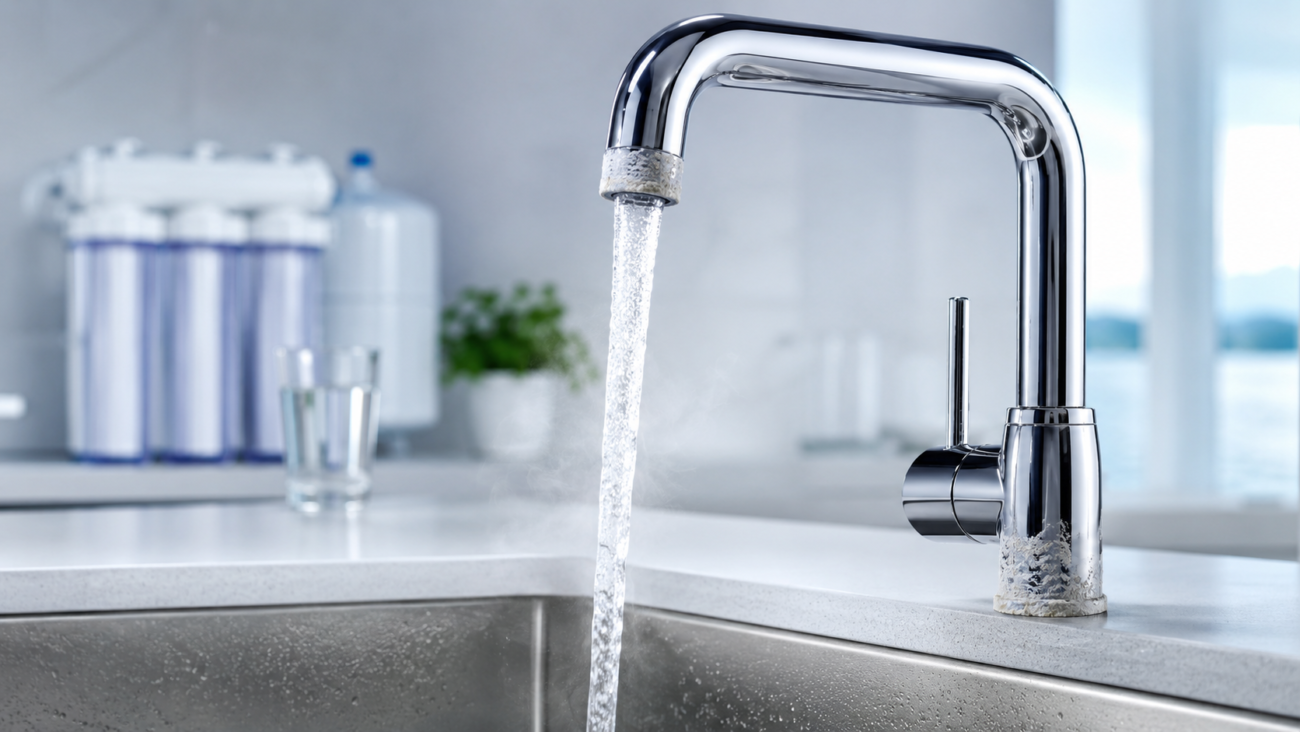
The white crust that builds up in the bottom of the kettle, glasses that come out marked after a while, soap that will not foam in the shower and a boiler that fails earlier than expected… That picture is familiar in many homes and businesses, and the problems are usually taken to be unrelated. Yet behind all of them there is generally one common cause: the water’s high water hardness.
Those white limescale marks look unimportant at first, but over time they seriously affect both daily comfort and the life of equipment. So what exactly does it mean for water to be hard, what signs does it show, and is it really a problem? The answers lie in minerals we cannot see in the water.
What Is Water Hardness and What Does It Mean?
Water hardness expresses the concentration of mineral ions dissolved in water, above all calcium and magnesium. The higher the proportion of those minerals, the harder the water. Hardness does not mean the water is unhealthy; but it is a decisive measure when it comes to limescale build-up and equipment problems.
Hard water, also called “limey water” in everyday speech, is really water rich in minerals. The basic issue is that those minerals leave solid residue on surfaces with heat and evaporation. Water hardness cannot be seen directly, but it makes its effects clearly felt on taps, in appliances and in the plumbing. It is therefore better to think of hardness not as “bad water” but as a property that has to be managed.
Why Does Water Become Hard? The Role of Calcium and Magnesium
As water moves underground it passes through rocks such as limestone and dolomite, and in doing so it dissolves calcium and magnesium ions and takes them up. Where the geology of an area is rich in limestone, the mains water is naturally harder. Hardness therefore varies markedly from area to area.
Once they are in the water, calcium and magnesium lose their solubility when heated and turn into solid calcium carbonate — the limescale we know. That is why limescale builds up most on heated surfaces: in the bottom of a kettle, in a boiler heat exchanger and in electric heaters. The reason two neighbours in the same area can have different experiences of hardness is usually that difference in minerals at the mains source.
How Are the Signs of Hard Water Recognised at Home and at Work?
The signs of hard water are generally visible: white limescale marks on taps and fittings, residue on glasses and in the kettle, soap that will not foam easily, a dry feeling on the skin and a fall in the performance of white goods. Where these signs appear together, the hardness level of the water is most likely high.
Taken one by one these signs look small, but assessed together they form a clear picture. The most common signs of hard water are these:
- Stubborn white limescale marks on taps, fittings and shower heads
- Sediment and marks left on glasses, plates and in the kettle
- Soap and detergent that will not foam easily, and more product used
- Laundry going stiff and colours dulling over time
- A dry feeling on the skin and a lifeless feel to the hair
- A noticeable change in the taste of tea and coffee
What Effect Does Hard Water Have on Appliances and Plumbing?
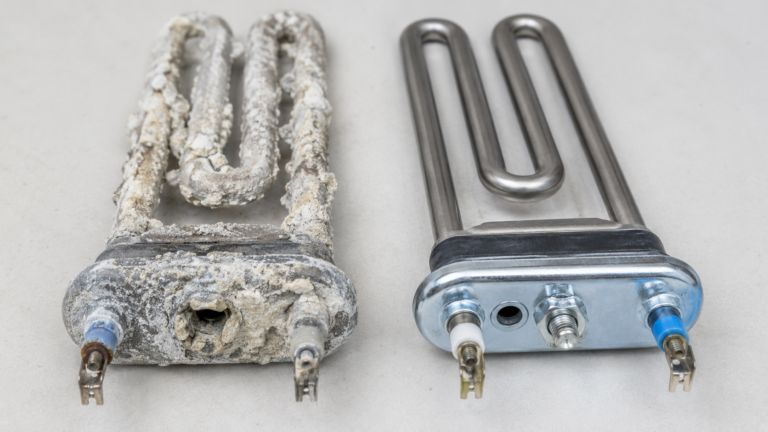
Hard water deposits limescale in every appliance that heats and lowers efficiency. A blocked heat exchanger in a boiler or water heater, a failed heating element in a washing machine or dishwasher, and lost energy in heating systems are the most common results. Because the limescale that builds up blocks heat transfer, appliances use more energy and wear out earlier.
A layer of limescale behaves like insulation; that means the heater has to work harder to heat the water. As a result the energy bill rises and the life of the appliance shortens. The higher the water hardness, the faster limescale builds up in appliances. Heat-producing equipment such as boilers, water heaters, storage heaters and white goods are the parts most affected by a limescale problem.
In businesses the picture is more critical still: limescale build-up in steam boilers, heating lines and industrial equipment directly raises maintenance costs, energy consumption and downtime. In that sense a limescale problem is not only a matter of comfort but a concrete item of operating cost.
Even a layer of limescale a few millimetres thick on a heating surface can cause a marked fall in heat efficiency. However “small” the limescale looks, its effect on energy and on the life of an appliance is greater than it appears.
Would you like to protect your appliances from limescale build-up?
You can look at the solutions that lower the hardness of the water at the inlet and protect the boiler, white goods and plumbing from limescale damage, and establish the capacity that suits your need.
See the Water Softening Solutions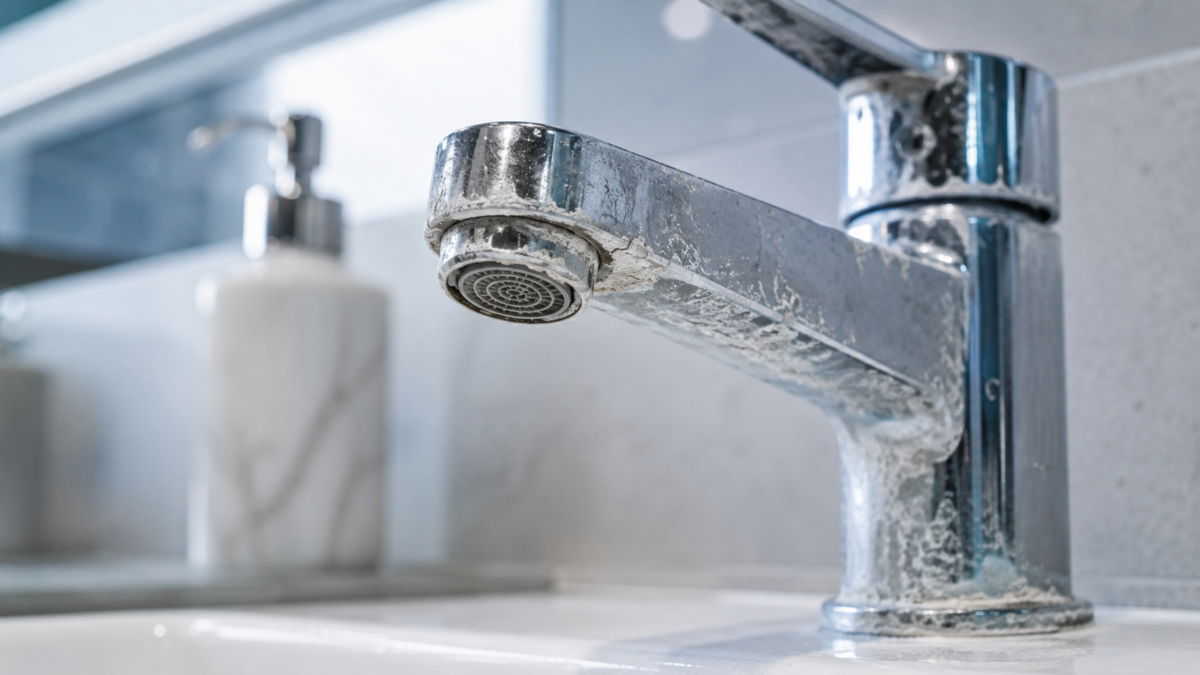
How Is Water Hardness Measured? Fr, dH and TDS
Water hardness is generally measured in French degrees (°Fr) or German degrees (°dH). 1 °Fr corresponds to roughly 10 mg of calcium carbonate per litre. TDS shows the total dissolved solids in water; it is related to hardness but is not the same thing.
In a practical classification, water is grouped as soft, moderately hard and hard. By general agreement, low °Fr values indicate soft water and high values hard water. The most practical way to learn the water hardness level at home is a simple hardness test kit or an authorised water analysis. In measuring water hardness, therefore, the amounts of calcium and magnesium are what count.
| Hardness (°Fr) | Classification | Typical Observation |
|---|---|---|
| 0–7 | Very soft | Almost no limescale marks |
| 8–15 | Soft | Slight, rarely noticed |
| 16–30 | Moderately hard | Clear limescale marks |
| 31–45 | Hard | Heavy limescale, rising risk to appliances |
| 45+ | Very hard | Serious limescale and a risk of early failure |
Another important distinction is not to confuse TDS with hardness. TDS also covers ions such as sodium and chloride that contribute nothing to hardness, so a high TDS does not always mean high hardness. To establish hardness clearly, a measurement focused on calcium and magnesium should be preferred.
Does Hard Water Affect Health?
Because of the calcium and magnesium it contains, hard water generally poses no health risk for drinking. In assessing drinking water quality, the World Health Organization likewise does not define hardness as a health threat in itself. The real issue lies not in health but in the technical effects of limescale build-up.
Accepted as the authority on the subject, the World Health Organization’s assessments of drinking water quality stress the importance of access to safe and clean water while not putting hardness forward as a basic health parameter. That said, hard water can have effects on comfort, such as dryness of the skin or a lifeless feel to the hair. These are less a medical complaint than the way the mineral concentration of the water shows in daily use. In short, the main disadvantage of hard water is not health but its effect on appliances, plumbing, energy consumption and comfort at home.
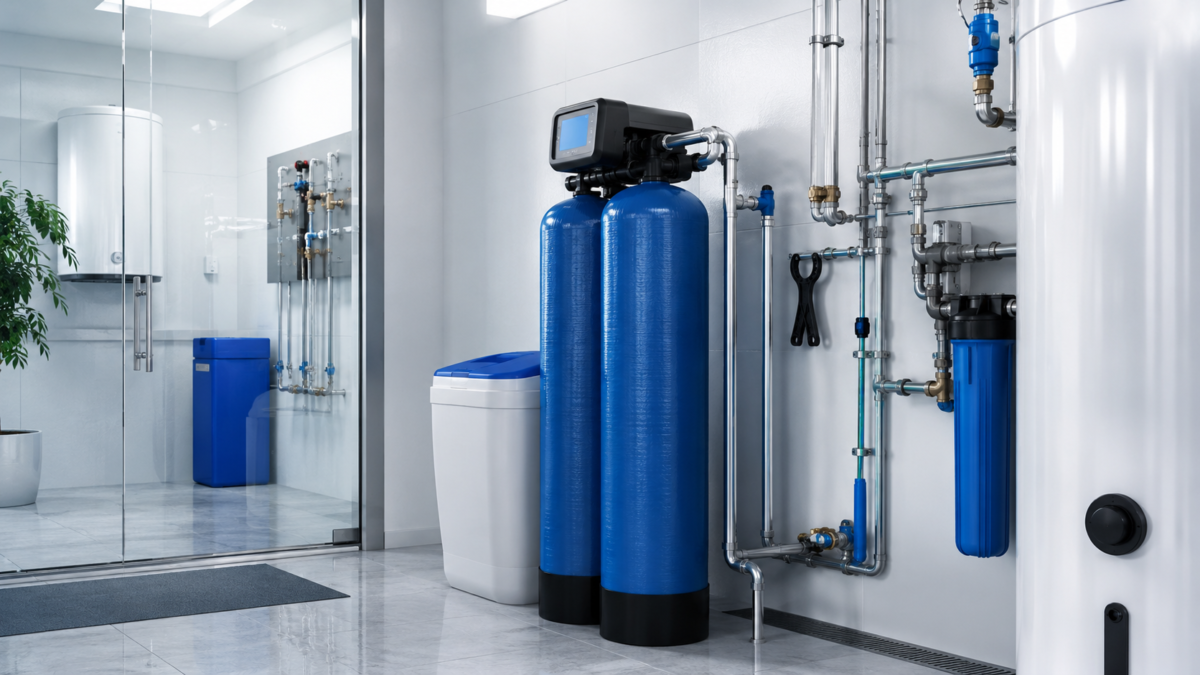
A Lasting Answer to Limescale: How Does Water Softening Help?
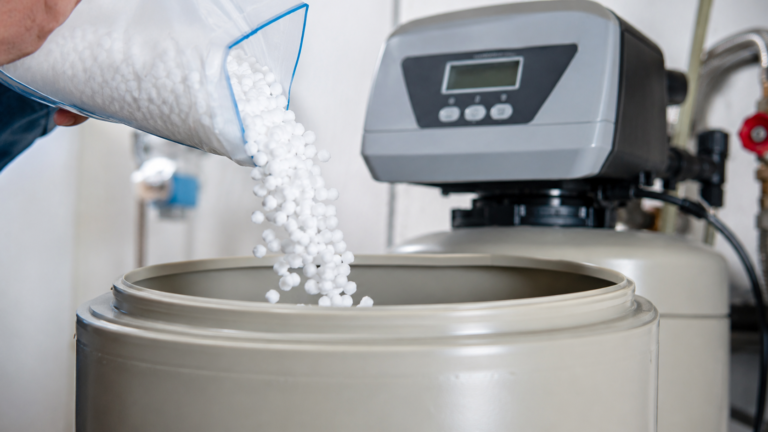
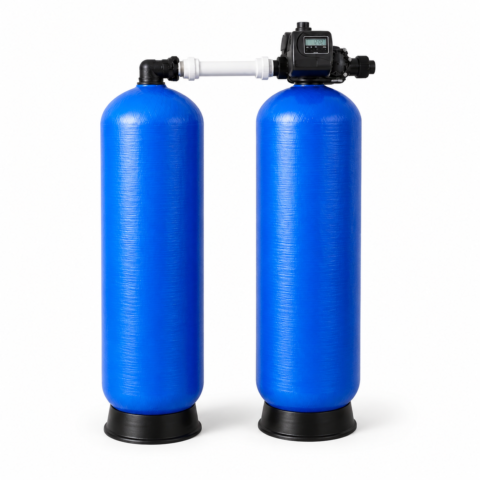
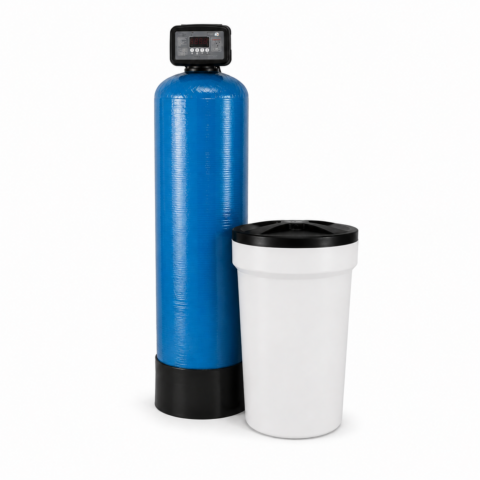
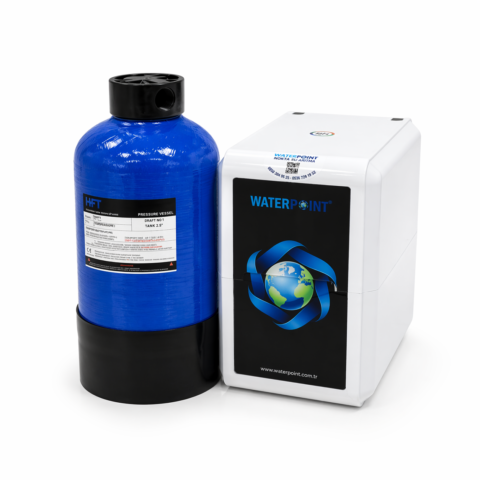
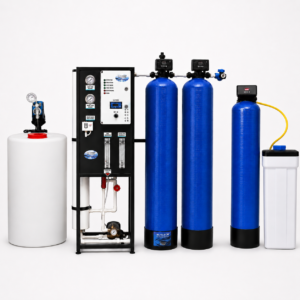
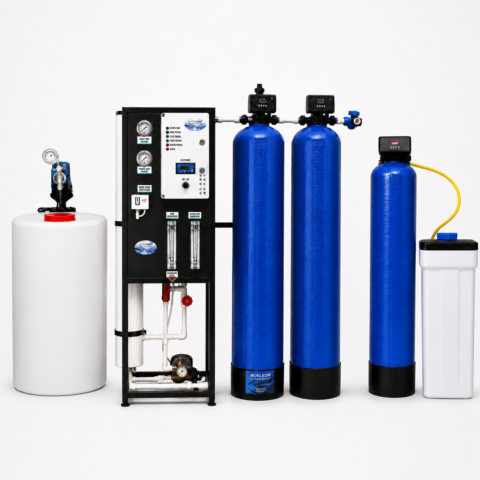
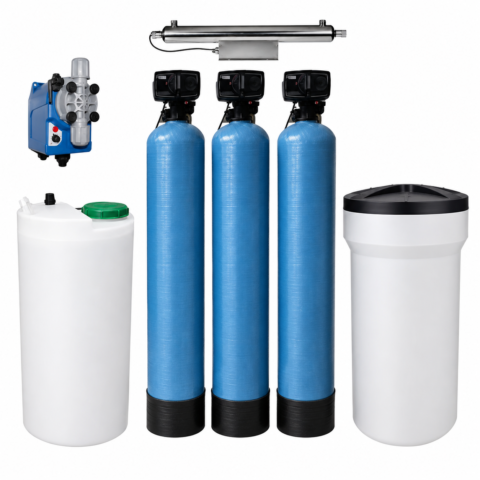
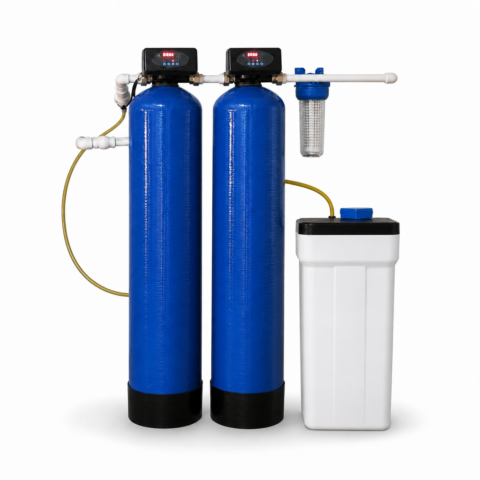
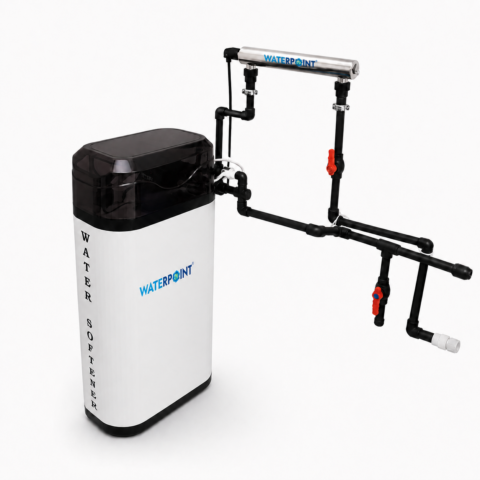
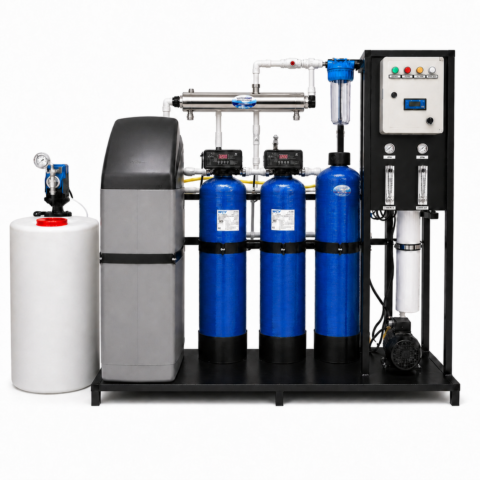
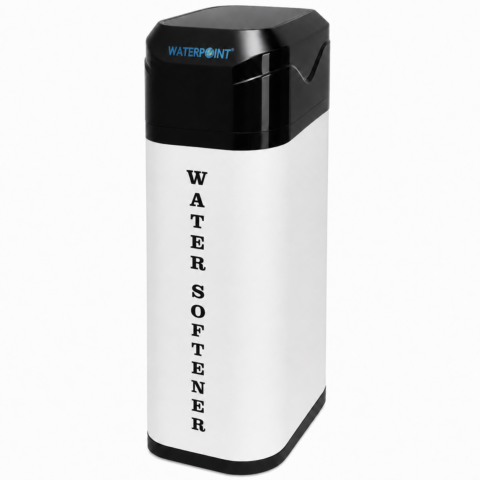
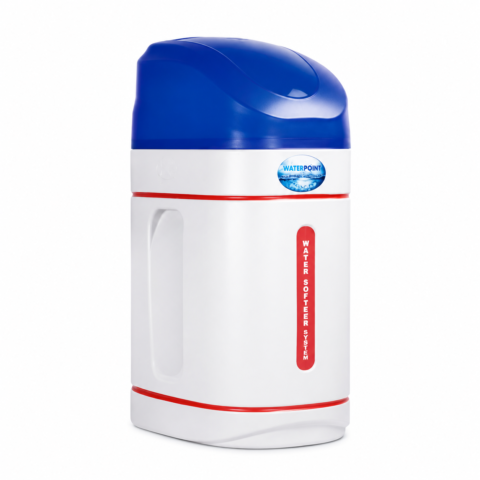
The most lasting answer to a limescale problem is to soften the water and reduce the hardness at source. Water softening systems remove calcium and magnesium ions from the water by ion exchange. Limescale is thereby largely prevented, appliances are protected and daily comfort with water rises markedly.
Temporary answers — descalers, frequent cleaning or single filter changes — ease the symptoms for a while but do not remove the cause. A lasting result calls for systems that lower the hardness of the water at the inlet. Water softening systems provide softened water to the whole plumbing system, both extending the life of appliances and bringing a noticeable ease to daily use in the shower, the dishwashing and the laundry.
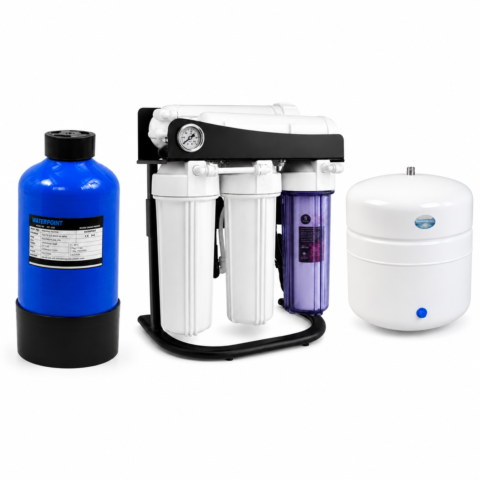
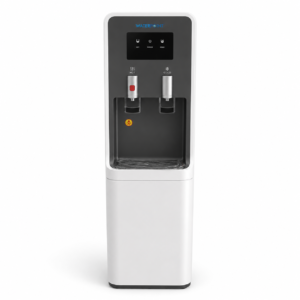
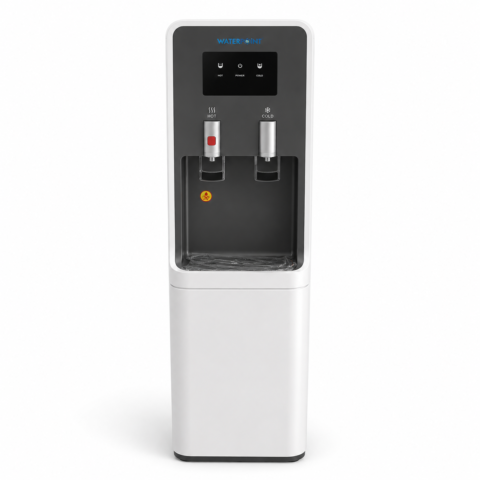
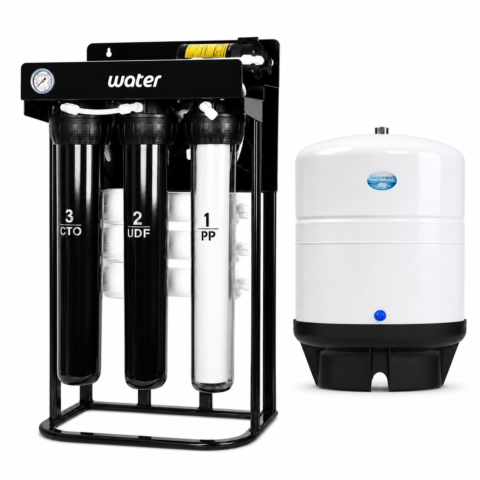
To choose the right system you first need to know the degree of hardness and the daily water consumption. Where a separate quality is aimed for in kitchen and drinking water, domestic and office water purifiers can be considered alongside the limescale solution. That way the plumbing is protected against limescale and the quality of the water you drink can be raised.
Frequently Asked Questions
Above how many °Fr is water considered hard?
By the common classification, values above 30 °Fr are considered hard and above 45 °Fr very hard. Below 15 °Fr is generally taken as soft. For an exact figure, having the mains water in your area analysed is the soundest approach.
Is hard water harmful?
Because of the calcium and magnesium it contains, hard water generally poses no health risk for drinking. The real effect of hardness is not on health but on limescale build-up, the life of appliances and daily comfort.
Does a limescale problem really shorten the life of appliances?
Yes. Limescale building up on heating surfaces blocks heat transfer, makes appliances use more energy and leads to earlier failure. Boilers, water heaters and white goods are the equipment most affected.
How is the difference between hard and soft water recognised?
The most practical indicator is daily observation: how the soap foams, the limescale marks on the taps and the sediment in the kettle all give a clue. For a definite answer a hardness test kit or a laboratory analysis is used; those measurements are based on the amounts of calcium and magnesium.
What is the most lasting answer to a limescale problem?
The most lasting approach is a water softening system that lowers the hardness of the water at source. These systems reduce the ions that form limescale and protect both the plumbing and the appliances. The right capacity should be established from the degree of hardness and the amount consumed.
Conclusion
Water hardness may look at first like a purely cosmetic matter; yet it has a wide field of effect, from the life of appliances to energy consumption, and from daily comfort to running costs. The white marks on taps, the soap that will not foam and the appliances that fail early are all parts of the same picture. Reading the signs correctly, measuring the hardness level and turning to a lasting answer that deals with limescale at source is the soundest way to protect both your budget and your appliances over the long term.
Are you looking for a system suited to the hardness level of your water?
To establish the capacity that best suits the hardness of the water in your area and your daily consumption, you can get support from the Water Point expert team.
Discover the System That Suits You