Limescale Prevention Devices: What Can and Cannot Be Measured
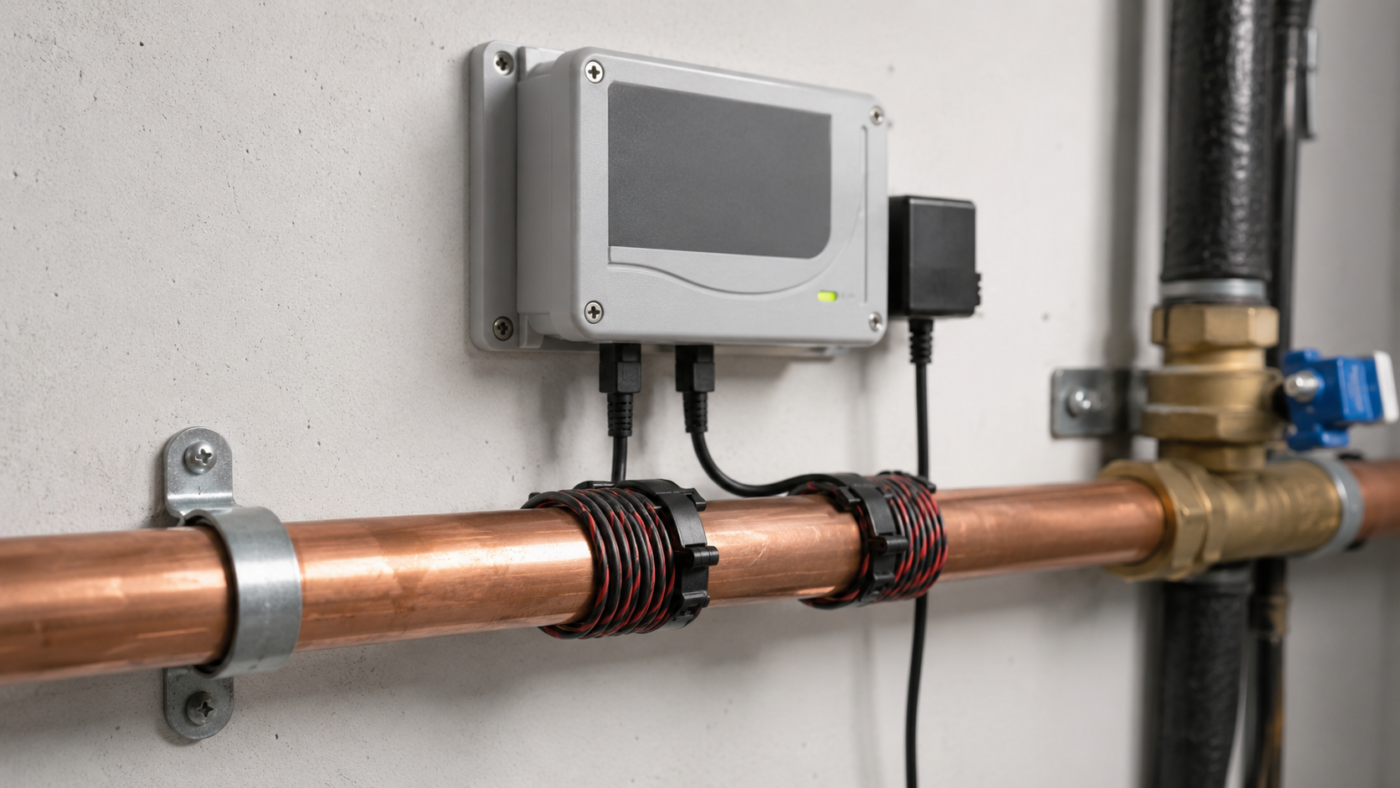
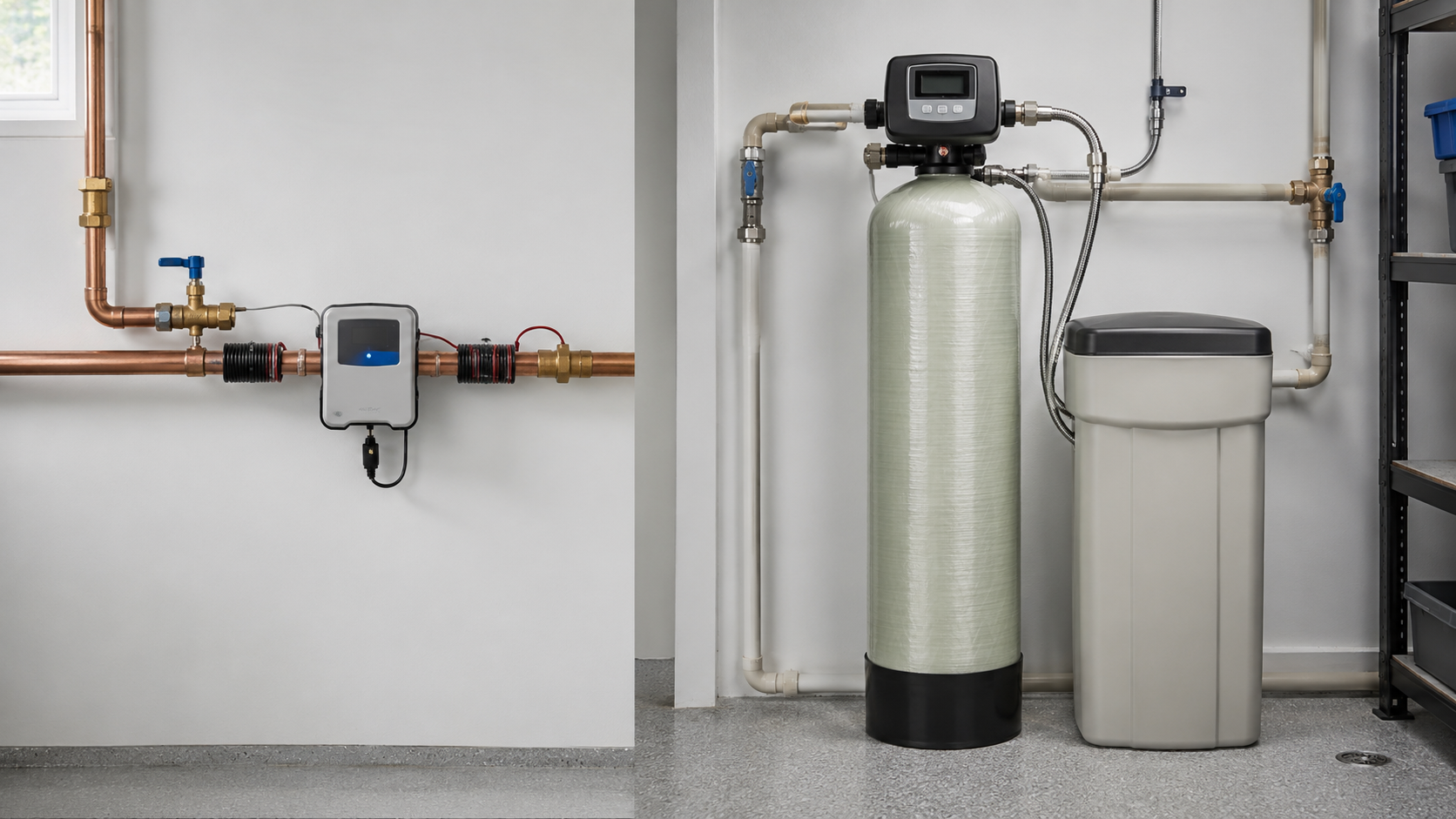
You see a solution presented under the heading “no salt, no maintenance, fit and forget”. Beside it stands a softening system that uses salt, wants a drain connection and calls for regular maintenance. Both accounts are confident, both look right from their own side, and deciding gets harder. The aim of this article is not to praise one product or run down another; it is to look, under the heading of the limescale prevention device , at what can be measured and what cannot.
Our approach is the same throughout: measurement rather than claims. The soundest way to assess what a solution does is to look at what changed in a sample taken before and after it. Below we set out, as a matter of fact, both what these devices aim to do and what does and does not change in an analysis.
What Is a Limescale Prevention Device?
The products presented as limescale prevention devices aim to change the way limescale attaches to a surface, by means of a magnetic field or an electrical signal applied to the line. These products do not take the calcium and magnesium content out of the water; the hardness value measured in an analysis stays the same before and after treatment.
That definition contains two separate pieces of information, and telling them apart is the key to the subject. The first is what the device aims at, the second the measurable result.
The aim is the realm of claims: changing the way limescale sticks to a surface. The measurement is the realm of fact: the hardness value of the water. When those two realms are mixed, the debate goes nowhere.
In the technical literature these products are generally handled under the heading of “physical water conditioning”. The name itself is a clue: what is involved here is not a process that changes the composition of the water but an approach aiming to influence its behaviour.
A limescale prevention device That distinction should be set up from the outset when assessing a
. Otherwise the expectation forms in the wrong place and the result is disappointment.
What Is Hardness, and How Is It Measured?
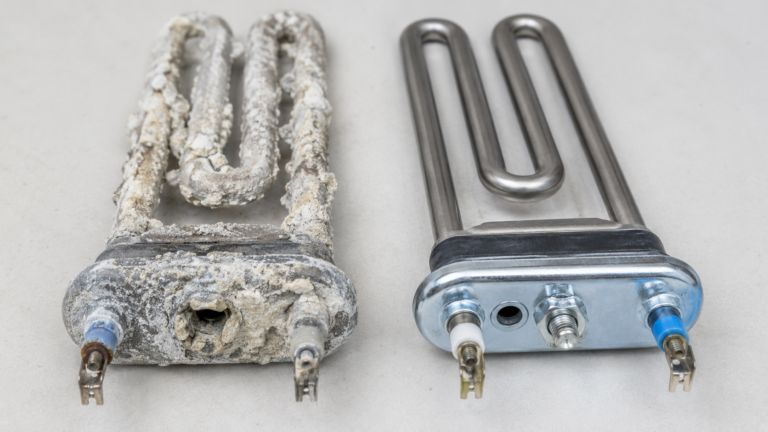
Hardness expresses the amount of calcium and magnesium dissolved in water. Limescale build-up comes from those two components. Hardness is established numerically by laboratory analysis or by practical measurement kits, which makes it verifiable data, not open to dispute.
The whole subject rests on that definition. The limescale problem arises from the presence of those two components in the water, and the effect of a solution is assessed through its relationship with them.
The most valuable thing about a measurement is that it is repeatable. A sample taken from the same water gives a similar result when measured at different times and in different places. That makes a sound basis for comparison. softening selection guide . We are not going deeper into the idea here.
For a first impression a practical limescale test kit can be used; it shows quickly which band your water is in. Where an investment in a system is involved, accredited laboratory analysis is what governs.
What Do These Devices Aim to Do?
The approach these products set out rests on a magnetic field or an electrical signal applied to the water influencing the way calcium carbonate crystallises. The result aimed at is that the structure formed stays suspended in the water rather than gripping the surface tightly, and that the build-up falls.
It is important to be impartial in this section. Setting out the aim of the products correctly is what puts the assessment on the right footing.
The mechanism claimed is, in short, this: as calcium carbonate crystallises in water it can form different structures. Some of those structures tend to grip a surface tightly, while others show a looser structure. The physical conditioning approach aims to steer crystallisation towards the second group.
That approach is not in itself a matter of dispute; differences in crystal structure are a phenomenon defined in the chemical literature. The debate is concentrated on whether the application produces a consistent and measurable result in practice.
The key distinction here is worth stressing once more: this approach does not aim to remove the calcium and magnesium from the water. The purpose is not to take out the component but to influence its behaviour.
This article singles out no product, brand or seller. What is assessed is not products but measurable facts. The aim is to let the reader rest a decision on verifiable data.

The Measurable Fact: The Hardness Value Does Not Change
These products do not take the calcium and magnesium content out of the water. The hardness value measured in samples taken before and after the device stays the same. That is a measurement result anyone can verify on their own plumbing, and it is not open to dispute.
This section is the factual core of the article. No opinion is being offered here; a measurable result is being reported.
The reason follows from the mechanism itself. For a dissolved ion to leave the system it has either to be held back by a barrier or to change places with another ion. In the physical conditioning approach neither of those happens; the water moves on down the line with its content intact.
The Sample Taken at the Device Inlet
The calcium and magnesium dissolved in the water are at a certain level; the analysis gives that value numerically.
The Sample Taken at the Device Outlet
The hardness value measured stays the same. Because the calcium and magnesium are not taken out of the water, no fall appears in the analysis result.
That measurement can easily be made before or after a purchase. Two samples are taken — one at the device inlet, the other at the outlet — and analysed by the same method. Comparing the results is enough.
We took up step by step how to take a sample and how to read the report in our water analysis guide . That method is the most objective tool there is for assessing any solution.
What that fact means in practice is this: after a limescale prevention device has been fitted, a water analysis will not show a fall in the hardness value. If that is the expectation, the right stage is a different one.
How It Differs from a Softening System
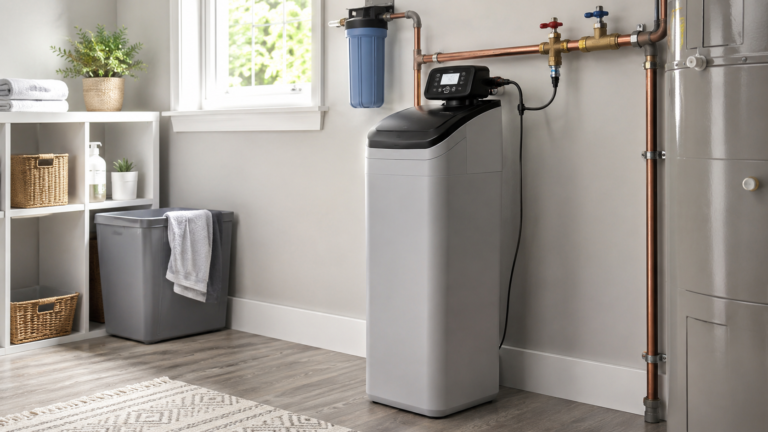
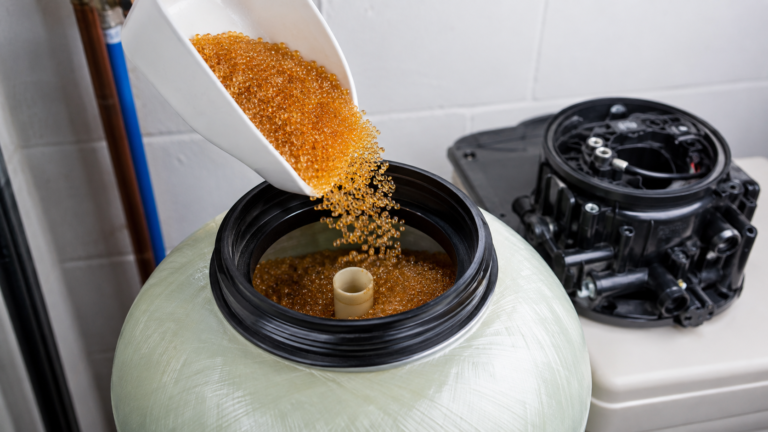
Softening systems work by ion exchange: the resin bed holds the calcium and magnesium in the water and releases sodium in their place. As a result of that process the hardness value falls measurably. In the physical conditioning approach no such change takes place; the two methods rest on different principles.
The table below compares the two approaches heading by heading:
| Criterion | Physical Conditioning | Ion Exchange Softening |
|---|---|---|
| The working principle | A magnetic field or an electrical signal | Ion exchange in a resin bed |
| The effect on the hardness value | The value measured in an analysis does not change | It falls measurably |
| Salt consumption | None | Salt is needed for regeneration |
| Water consumption | None | Water is used during regeneration |
| A drain connection | Not needed | Needed for the regeneration discharge |
| Electricity | May be needed depending on the model | Needed on automated valves |
| Maintenance | Limited | Salt checks and periodic inspection are needed |
| Verifiability | There is no standard method of measurement | It is verified by a hardness analysis |
The last row of the table is the information that helps most in deciding. The result of softening can be verified with a sample; for the result of physical conditioning there is no agreed standard method of measurement.
That does not mean “there is no result”; it means “the result cannot be measured by the same method”. Those are two different statements, and the difference matters.
It targets behaviour
Without changing the composition of the water, it aims to influence the way limescale attaches to a surface.
- There is no salt or water consumption
- It needs no drain connection
- The hardness value does not change
- The result cannot be measured by a standard method
It removes the component
It holds the hardness-forming ions in a resin bed and actually takes them out of the water.
- Hardness falls measurably
- It requires salt and regeneration
- A drain connection is needed
- The result is verified by analysis
How the regeneration cycle works — including the backwash, brine draw and rinse steps — we took up in our regeneration article . That cycle explains both the operating load of softening and its verifiability.
What Do Independent Assessments Say?
On the effects of the physical conditioning approach on build-up behaviour, independent assessments set out differing results. The results are stated to vary with the composition of the water, the temperature, the flow conditions and the way it is applied. There is no agreed standard method of measurement.
It is necessary to stay measured in this section, because there is no single settled conclusion on the subject.
What can be said is this: the assessments do not converge in one direction. Some studies report observations under particular conditions, while others find no consistent effect. That difference is connected with the experimental conditions and the measurement methods not being standard.
The variables stated to affect the result are these:
The Composition of the Water
The level of hardness and other dissolved components can affect the result.
Temperature
On heated lines the crystallisation behaviour can differ.
Flow Conditions
The flow rate and the flow regime can change the contact time and the effect.
The Way It Is Applied
The position of the device and how it is installed can show up in the result.
Duration
How lasting the effect is, and how it behaves with distance, is a heading under assessment.
The Method of Measurement
Because there is no standard method, the results cannot be compared directly.
That table explains why no clear verdict can be given. Where the variables are many and the method of measurement is not shared, comparing results with one another becomes difficult.
On the ion exchange softening side the position is different. The method is handled in a defined way in international sources; the US Environmental Protection Agency cation exchange water softeners resource explains the working principle of that approach in a general framework.
A limescale prevention device , that uncertainty has to be kept in mind. Uncertainty does not mean “there is no result”; but neither does it mean “the result can be guaranteed”.
Where Can It Be Considered as an Option?
At points where using salt is not possible, where there is no drain connection, or where space or power is limited, this approach can come up as an option. What is decisive then is setting the expectation correctly: no fall in the hardness value should be expected.
This section calls for honesty. Installing a softener is not possible in every situation; in some layouts the infrastructure does not allow it.
The conditions that make installing a softening system difficult are these:
No Drain Connection
There may be no suitable drain point for the regeneration discharge.
Limited Space
There are layouts with no room for the body and the salt tank.
Salt Logistics
There can be locations where regular salt top-ups cannot be made.
Rented Premises
Where the plumbing cannot be altered permanently, installation is limited.
Where one of those conditions applies, the alternatives are weighed and a limescale prevention device can come up as one of the options. But there is a critical condition here: setting the expectation correctly.
The correct expectation is this: the hardness value measured in an analysis will not change. If a user has the hardness measured after buying and expects a fall, the result is disappointment. When that expectation is made clear from the outset, the decision is a considered one.
Whichever solution you choose, the way to assess the result is the same: measure before and after the installation. If you have a measurable target, the solution has to be chosen by a measurable method too.
Where Does It Fall Short?
In applications where hardness has to be brought down measurably, this approach does not meet the need. In steam boiler feed, industrial process lines, laundries and reverse osmosis feed water the quality target is defined numerically, and that target is met only by actually removing the hardness.
The limit is clear in this section. In some applications an observation that “the build-up has fallen” is not enough; a particular hardness value has to be met.
The main areas where a measurable result is essential are these:
- Steam boiler feed: Equipment manufacturers define numerical conditions for the feed water.
- Industrial process lines: Product and process consistency depends on a particular water quality.
- The laundry: Chemical performance and protecting the elements are related to the level of hardness.
- Reverse osmosis feed: The scaling load on the membrane is directly connected with hardness.
- Lines within a quality system: Where monitoring and records are required, measurement is compulsory.
How water quality is defined on industrial lines, and why numerical targets are worked to, we took up in our process water article . The effects on the laundry side we examined in our laundry water treatment .
At household scale the picture is more flexible; but expectations matter there too. The effect of limescale on equipment, and why it is so decisive, we took up in our hard water article .
What Should Be Asked Before Buying?
Whichever solution you are assessing, the same questions should be asked: how is the result measured, are before and after analyses presented, under what conditions was it tested, is there a trial or return option, and what does the warranty cover? Those questions move the decision from claim to measurement.
This checklist was drawn up to protect the consumer and applies to every product — physical conditioning products included, softening systems included.
A Checklist Before Buying
- By what measurement is the result of the product assessed?
- Are analyses from before and after the installation presented?
- What is said about its effect on the hardness value?
- Under which water conditions, and by which method, was it tested?
- Is the information presented based on an independent source?
- Is a trial period or a return option defined?
- Is the scope of the warranty stated in writing?
- Are the sales conditions and the contract details accessible?
- How is support and service provided after installation?
If you can get a clear answer to those nine items, what you have in your hands is not a claim but a set of information. The items you cannot get an answer to are the points calling for attention.
The second and third items are decisive in particular. What is said about the effect of a solution on the hardness value is the key to setting the expectation correctly. A seller who speaks clearly on that is a reliable source of information.
The other misconceptions common in the sector, and what the facts are, we brought together in our misconceptions about water treatment article; this piece is the detailed form of that heading.
Rest your decision on an analysis, not on a claim
You can compare the options that suit the hardness of your water and how you use it.
See the Softening SolutionsA Measurable Route Through the Limescale Problem
The right approach has three steps: have the hardness measured, make the target clear, and choose the solution to that target. Where a measurable result is needed, a stage that actually lowers the hardness is chosen. Followed in that order, the gap between expectation and result disappears.
Those three steps are the practical summary of the whole article:
-
Have the Hardness Measured
Practical test kits can be used for a first impression; where an investment is involved, accredited laboratory analysis is what governs. The measurement is the ground of the whole decision.
-
Make the Target Clear
Is a particular hardness value being aimed at, or is a fall in visible build-up expected? Those two targets point to different solutions.
-
Establish the Constraints
The drain connection, the space, the power supply and salt logistics are assessed. Those conditions narrow the options that can be applied.
-
Match the Solution
Where a measurable result is needed, a stage that actually lowers the hardness is chosen. Where the constraints prevent that, the alternatives are weighed with the expectation made clear.
-
Verify the Result
A fresh measurement is made after the installation. That step is the only way to see the result, whichever solution is chosen.
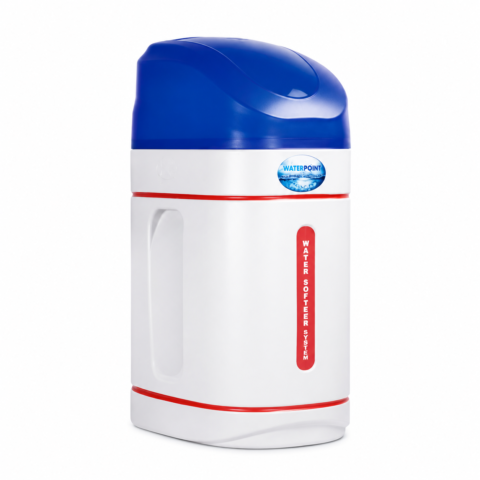
For those seeking a measurable solution at house and flat scale, a compact mini cabinet softening system can be considered; in households with high consumption, larger-volume cabinet systems .
Water Point Su Arıtma Teknolojileri operates from Esenyurt, İstanbul under its founder Ali Genç, with more than 20 years of experience in the sector.
On-Site Survey
The survey is free if the unit is purchased from us; where only a survey and measurement are wanted, a survey fee of ₺2,000 applies.
Warranty
Units, valves, pumps and tanks carry a 2-year warranty and taps a 1-year warranty. Filters, membranes, resin and salt are consumables and fall outside the warranty.
Contact
For orders and information by phone, 0850 304 95 25; to speak to a specialist, the 0536 729 99 52 WhatsApp line and [email protected] can be used.
This article recommends no product and rules none out. The only measure set out is verifiability: what changes when a measurement is made before and after the installation? The answer to that question is the ground of the decision too.
Frequently Asked Questions
Does a limescale prevention device lower hardness?
These products do not take the calcium and magnesium content out of the water. The hardness value measured in samples taken before and after the device stays the same. That is a measurement result you can easily verify on your own plumbing.
So does it have no effect at all?
These products aim to influence the way limescale attaches to a surface. Independent assessments on that set out differing results; the outcome is stated to vary with the composition of the water, the temperature and the way it is applied. There is no agreed standard method of measurement.
How does it differ from a softening system?
Softening works by ion exchange; the resin bed holds the hardness-forming ions and the hardness value falls measurably. In the physical conditioning approach the composition of the water does not change. Softening also calls for salt, water and a drain connection, while the other approach does not.
I do not want to use salt — what can I do?
In that case your constraints and your target need to be made clear. If you are aiming at a measurable fall in hardness, no method other than ion exchange gives that result. Where a drain connection or salt logistics are not possible, the alternatives can be weighed with the expectation made clear.
Will it be enough for my boiler?
That depends on what your target is. If the equipment manufacturer defines a numerical condition for the feed water, that condition is met only by actually lowering the hardness. Checking the requirements in the manual is the right place to start.
How can I test it before buying?
The most objective method is a before-and-after measurement. Have the hardness measured by the same method before and after the installation and compare the results. It is also worth asking the seller for written information about a trial period, the return conditions and the scope of the warranty.
Can it be used in an industrial plant?
In applications such as steam boiler feed, process lines and reverse osmosis feed, the quality target is defined numerically. That target is met only by lowering the hardness measurably, so ion exchange solutions are preferred on those lines.
Does it clear existing limescale build-up?
Removing build-up that has already formed is a separate operation and is generally handled with cleaning applications. Whichever approach you choose, where there is existing build-up it should be assessed whether cleaning is needed first.
How should I make the decision?
In three steps: have the hardness measured, make your target clear and establish your constraints. Where a measurable result is needed, a stage that actually lowers the hardness is chosen. In every case a measurement after the installation is the only way to see the result.
Conclusion
The products presented under the heading of the limescale prevention device aim to change the way limescale attaches to a surface, by means of a magnetic field or an electrical signal applied to the water. The measurable side of that approach is clear: these products do not take the calcium and magnesium out of the water, so the hardness value read in an analysis stays the same before and after treatment. On their effects on build-up behaviour, independent assessments set out differing results and there is no agreed standard method of measurement. Ion exchange softening, on the other hand, actually lowers the hardness and its result can be verified by analysis. The decision should be built on that distinction: where there is a measurable hardness target, the stage that removes hardness is chosen; where salt, drain or space constraints make that impossible, the alternatives are weighed with the expectation made clear. In every case the only valid method is the same — measure before and after.
Have your water measured, and choose the solution to your target
The site survey is free if the unit is purchased from us; where only a survey and measurement are wanted, a survey fee of ₺2,000 applies. For hardness measurement and a measurable solution you can reach us on 0850 304 95 25, on the 0536 729 99 52 WhatsApp line to speak with a specialist, or at [email protected].
Discover the Solution That Suits You